Get in touch with Zeyu lntelligent Industrial Company
ISO 9001:2015 + CE Certified
PCB Connector Assembly Line
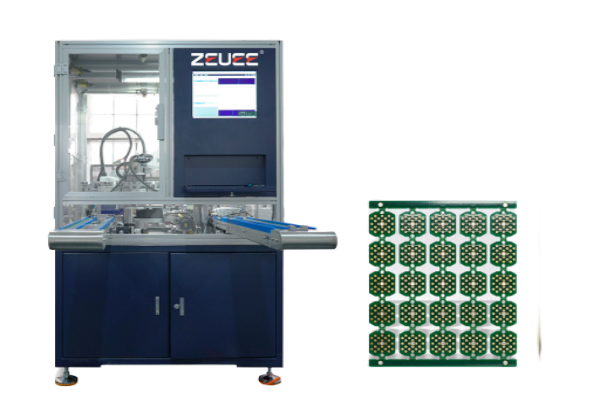
ZEUEE PCB Connector Automated Assembly Line — From Pin Insertion to Final Inspection
Turnkey 7-module production line systems built for OEM connector manufacturers serving automotive, aerospace, 3C electronics, medical, and new-energy markets. A cost-effective answer to diverse production requirements across wire-to-board, board-to-board, IDC, pin-header, FPC, FFC, RJ45 and USB families.
- 30+ Countries Delivered
- 10,000+ Cases Since 2005
- ISO 9001 2015 + CE
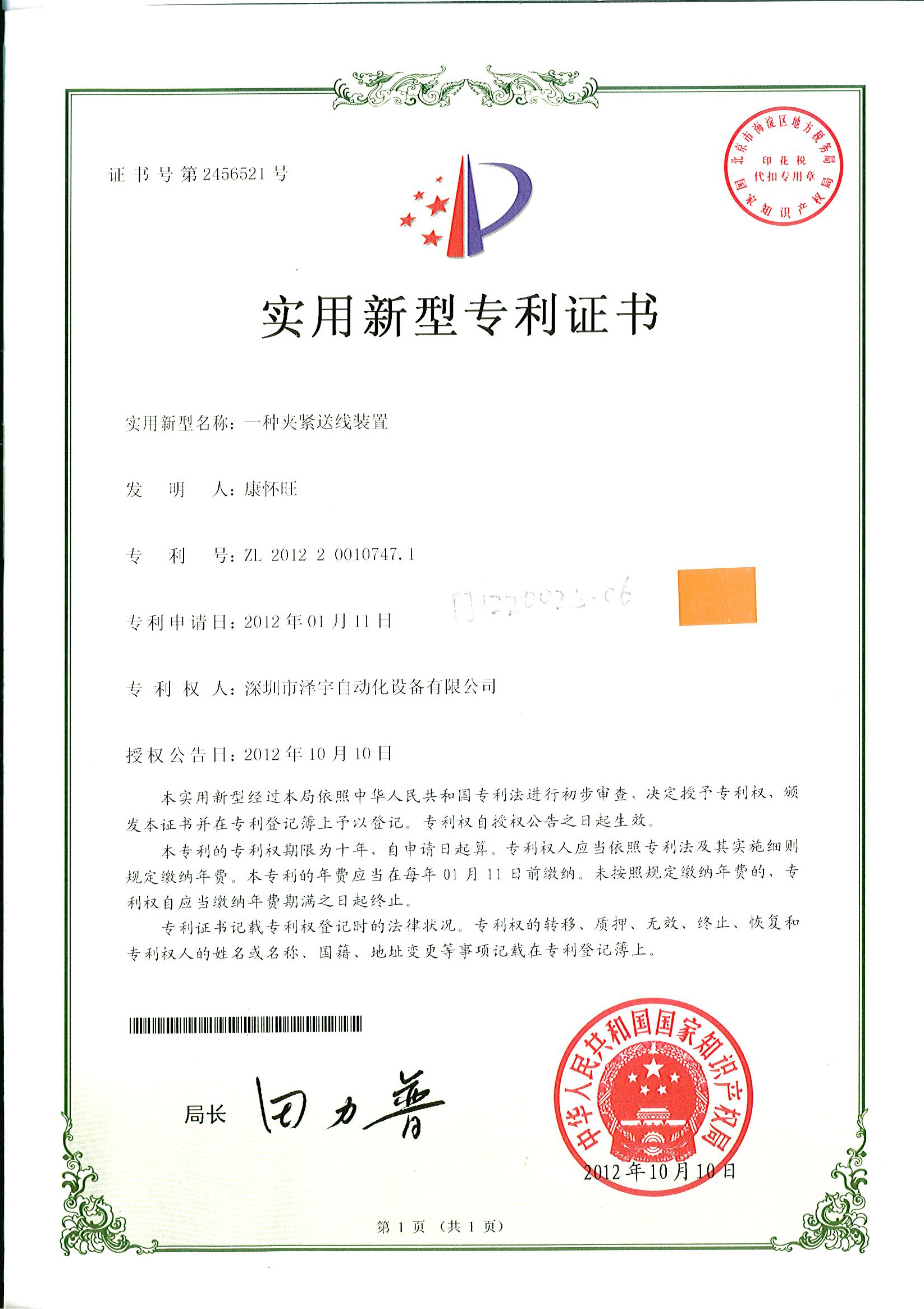
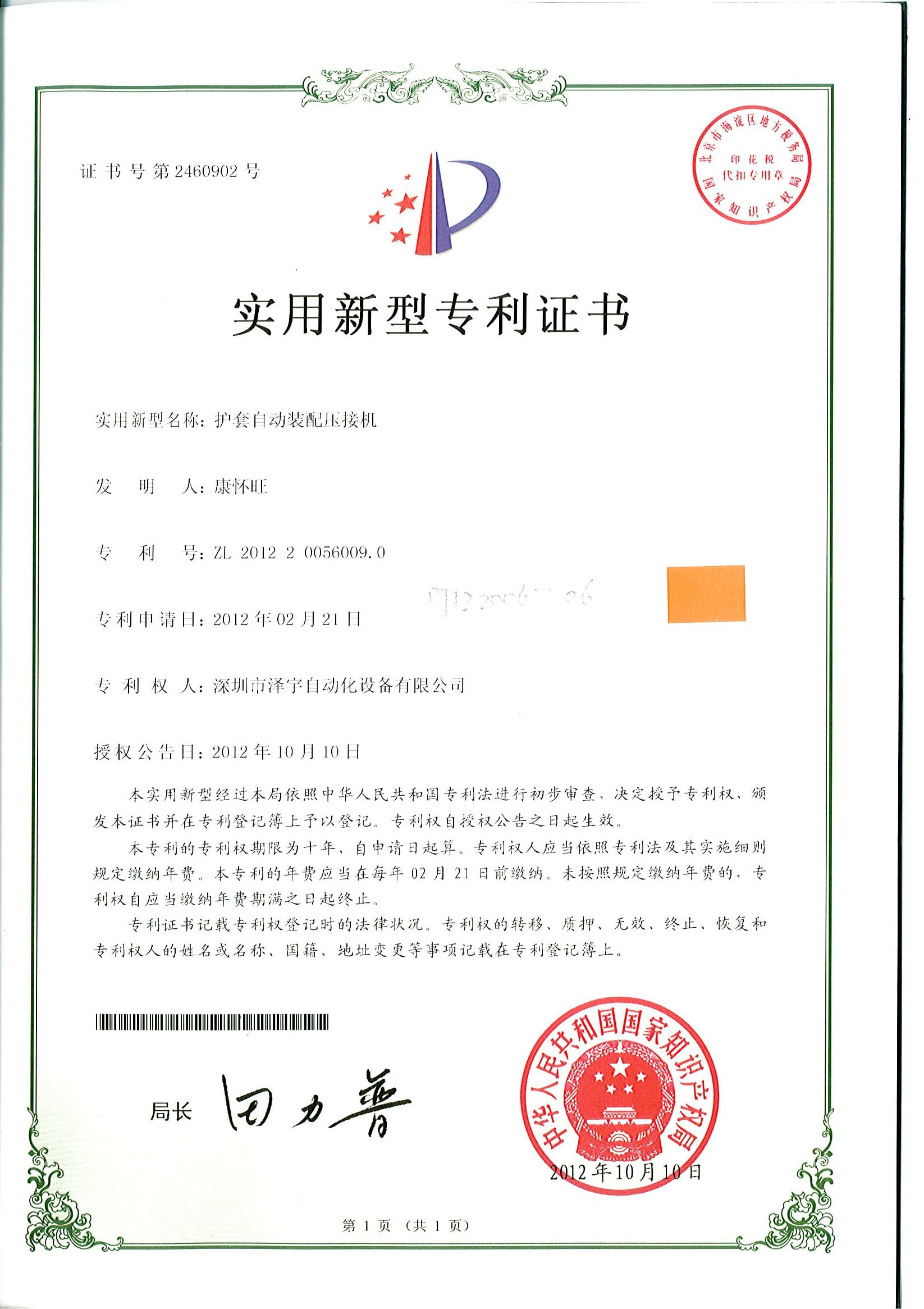
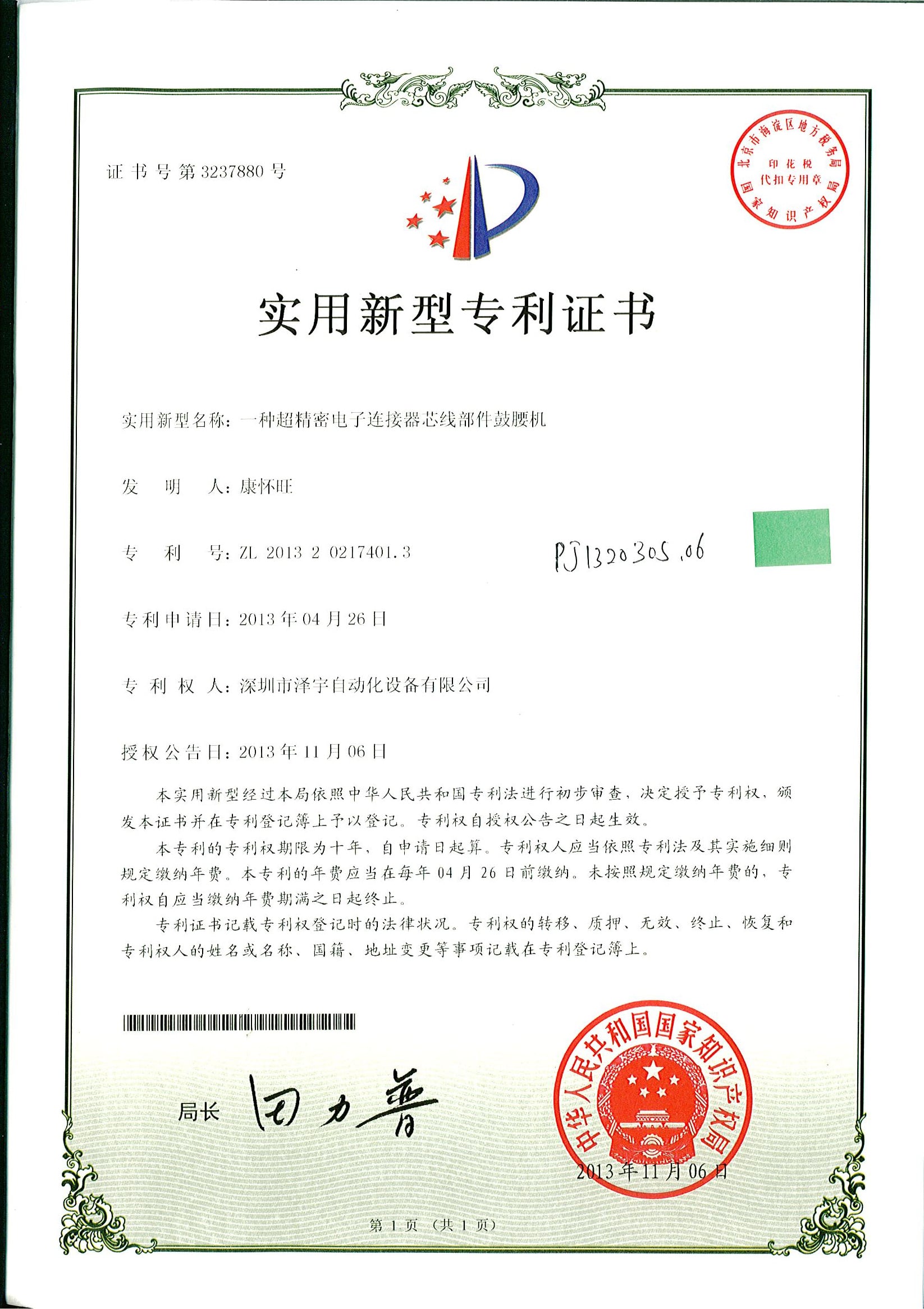
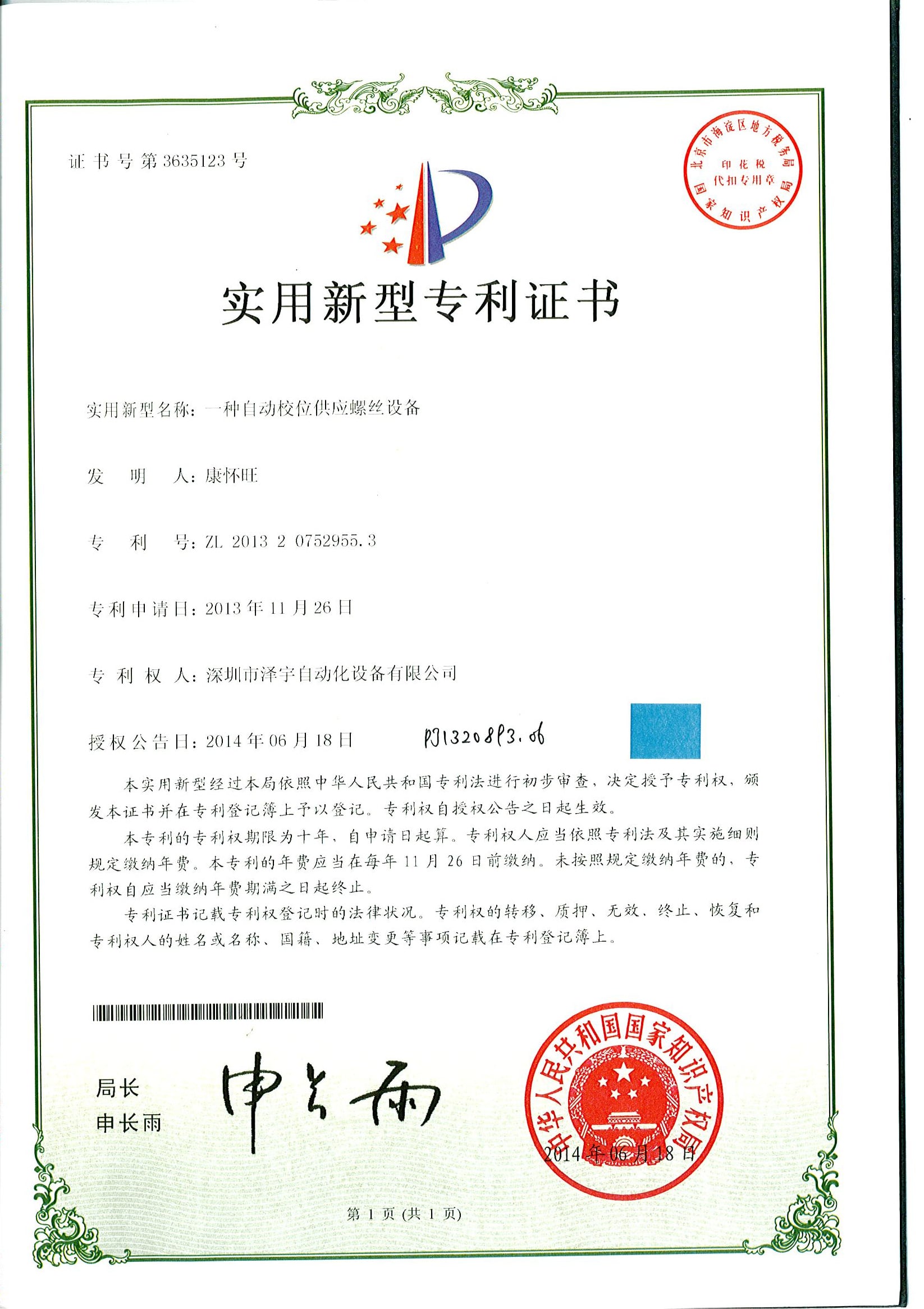
- 32+ Invention Patents
-
7 Modules
Feed → Insert → Crimp → House → AOI → Test → Pack
-
0.5–5.08 mm
Pin pitch compatibility range
-
8 Connector Families
Wire-to-board, board-to-board, IDC, FFC, pin-header, FPC, RJ45, USB
-
60–180 days
FOB Shenzhen lead time, tier-dependent
-
12-month warranty
Extended option available, 24/7 SLA
-
3 Pricing Tiers
Entry / Standard / Premium FOB transparent
The Manual Connector Assembly Bottleneck — And How a ZEUEE Line Removes It
The Production Gap
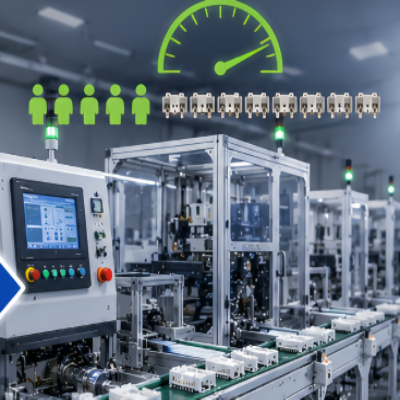
Skilled technicians hand-loading PCB connectors onto a circuit board process 50 to 100 components an hour [1]. Modular automated lines in the same shift footprint handle thousands per hour. That gap is not the headline.
What hides inside the manual workflow is the headline: rework cycles caused by inconsistent insertion force, overtime burn during seasonal peaks, employee turnover that resets quality every quarter, and shipping delays when one operator calls in sick during a 50,000-unit order.
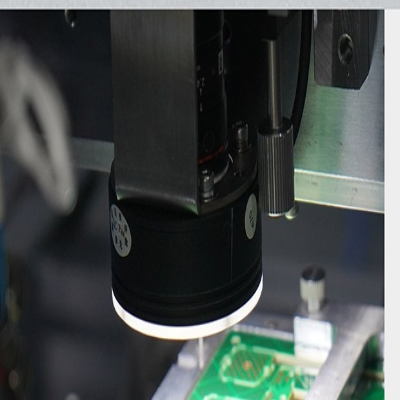
The Invisible Quality Tax
Manual lines also carry an invisible quality tax. Connectors rated for 10,000 mating cycles do not always reach that figure in the field [2].
Most early degradation traces back to insertion. Over-force, off-axis seating, missed retention barbs — none of these stop a finished assembly from passing a buzzer test, yet they all shorten cycle life weeks after shipment. Well-configured lines minimize these failures.
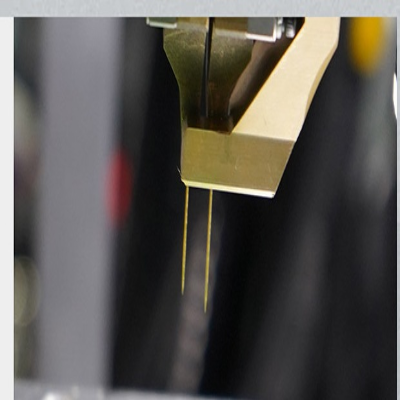
The Engineered Response
This purpose-built PCB connector automated assembly line is the engineered response. Instead of asking an operator to repeat 10,000 identical insertions a shift, the line gives each station one disciplined job.
Terminal feeding, pin insertion at controlled force, housing alignment, crimping under monitored tonnage, AOI inspection, continuity testing, and packaging. Each station carries its own sensor stack. Quality memory lives in the line itself.
Two Decades of Excellence
ZEUEE has been building these lines since 2005 — currently from a 20,000 m² production base in Taihe, Jiangxi, with more than 120 engineering and assembly staff. The product mix has shifted across two decades as connectors have miniaturized and as customers like Foxconn, Sumitomo, LEGO, Corning USA, GAC Group, AVIC, TCL and SONY have asked for tighter cycle times, faster changeovers and harder traceability. What stays constant is the architecture: a configurable line that swallows the unit-economics problem manual assembly cannot.
Patented IP Architecture
USPTO published-application records — see US 12,300,956 (Electrical Connector Assembly Machine) — sit within a broad connector-automation IP landscape we continue to file into. What follows breaks down how the 7 modules connect, which connector families fit which configurations, how a ZEUEE line stacks up against manual and against Western competitors on throughput plus total cost of ownership, what we ship in 60 to 180 days FOB Shenzhen, and which certifications back the equipment in audited buyer environments.
ZEUEE 7-Module PCB Connector Line Architecture Atlas — Configurable Line Across the Connector Build
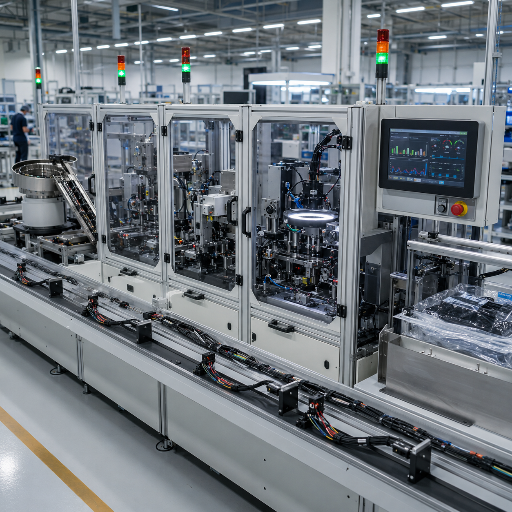
Every ZEUEE PCB connector automated assembly line is built from the same 7-module backbone, then tuned to the customer’s connector family and volume. Below is the canonical 7-module layout.
Module designs reference the IEEE standards corpus (ieee.org/standards) and connector-automation patent precedents such as USPTO 12,300,956. Modular line value, in our experience, is not raw speed alone — it is the freedom to drop a station out for a low-cycle SKU run, add a second crimping head when the connector type calls for double-end termination, or insert a serialization print station between AOI and packaging when an automotive customer demands traceability.
Throughput figures reflect industrial-class setups; entry-tier lines run at the lower end of each range.
Read full architecture overview ▼
01
M 01
Terminal Feeder
- Vibratory bowl + linear track
- Orientation sensor + reject lane
- Multi-track variant for double-feed
- Throughput: aligned with downstream station
02
M 02
Pin Insertion Station
- Servo-driven, force-monitored
- 0.5–5.08 mm pitch range
- Press-fit + through-hole modes
- Range: thousands per hour, multi-head config
03
M 03
Housing Assembly
- Plastic shell loading + pin alignment
- Latch / lock verification
- Vision-guided orientation
- Accommodates over-molded variants
04
M 04
Crimping Station
- Closed-loop tonnage control
- Optional dual-end (wire + board) crimp
- Real-time force curve logging
- Compliant with IPC/WHMA-A-620F
05
M 05
AOI Vision Inspection
- Multi-axis cameras + LED ring
- Detects: missing pin, bent pin, off-seat housing, contamination
- Reject lane + retry mechanism
- Ties to MES traceability logs
06
M 06
Continuity + Hi-Pot Testing
- 4-wire continuity for each pin
- Optional Hi-Pot for HV connectors
- Pass/fail bin with timestamp
- Statistical process control feed
07
M 07
Packaging + Print
- Tape-and-reel, tray, or bulk
- Inline laser marking / inkjet
- QR / barcode for buyer ERP
- End-of-line counter + carton trigger
Why Build Around AOI Rather Than Bolt It On
The classic trap in connector assembly is downstream inspection — you wait until packaging to check cosmetics. By then 6 minutes of process drift have already shipped 200 borderline units to a buyer’s incoming dock. ZEUEE lines place AOI between crimp and continuity testing for a specific reason. When the camera sees a bent retention pin at module 5, the line can hold the part, log the failure to the MES, and surface a corrective alert at module 2 within the same shift. That feedback loop is how field cycle-life claims actually get protected, not just printed on a spec sheet.
“We tested seven different vision algorithms before settling on the dual-axis camera stack now used in the AOI module. Field reports from a Tier-2 automotive customer suggested their incoming-defect rate dropped roughly an order of magnitude in the first quarter after switching from end-of-line-only inspection to mid-line AOI.”
Senior Application Engineer, ZEUEE Engineering TeamConnector Type × Throughput × Pitch Compatibility Matrix
Manufacturers prefer off-the-shelf connector parts that are approachable for automation [3]. Engineering teams can cross-reference connector-family tolerances against the ISO 9001:2015 quality framework before tier selection. Translating that preference into equipment selection means matching connector geometry to module configuration.
Below, this matrix summarizes which ZEUEE line tier handles which families across the wide range of applications our customers ship into — automotive, 3C electronics, aerospace, medical and new-energy markets. A scalable line architecture means buyers can start at one tier and add modules later as production requirements grow. Two-tier-skip cases (e.g., running a 0.4 mm board-to-board on an Entry-tier line) are technically possible but uneconomical — the entry-tier line lacks the dual-axis insertion head needed for that geometry. We flag those combinations explicitly so engineering teams choose realistically.
| Connector Family | Typical Pitch (mm) | Entry Tier | Standard Tier | Premium Tier | Module Adders Needed |
|---|---|---|---|---|---|
| Wire-to-Board (WTB) | 1.25 – 3.96 | ✓ | ✓ | ✓ | Standard config |
| Board-to-Board (BTB) | 0.4 – 2.54 | ✗ ≥0.8 only | ✓ all | ✓ all + sub-0.4 | Dual-axis insertion head for ≤0.5 mm |
| Pin Header / Socket | 1.0 – 2.54 | ✓ | ✓ | ✓ | Standard config |
| IDC (Insulation Displacement) | 1.27 – 2.54 | ✓ | ✓ | ✓ | IDC press head (M04 variant) |
| FFC / FPC | 0.5 – 1.0 | ✗ | ✓ 1.0 only | ✓ all | Flat-cable feeder + alignment vision |
| RJ45 / Modular Jack | fixed | — | ✓ | ✓ | RJ45 housing fixture |
| USB Type-A / C | fixed | — | ✓ Type-A | ✓ all | USB shell forming + Hi-Pot test |
| High-Voltage Auto | 3.0 – 5.08 | — | — | ✓ | Hi-Pot module + insulation barrier |
ZEUEE vs Manual vs Western Competitors — Performance + TCO Comparison
Connector assembly buyers we work with — including teams citing IEEE standards (ieee.org/standards) in their RFQs — run the same procurement math: unit-price comparison first, then TCO once the shortlist narrows to two or three options. Below, this table stacks ZEUEE against manual assembly and against the three SERP-leading equipment categories Western buyers typically benchmark against. Numbers reflect industrial-tier setups and publicly available 2024–2025 industry data; ZEUEE-specific figures come from current customer deployments.
| Dimension | Manual Assembly | Tier-1 EU/US Vendor | ZEUEE Standard Line | Notes |
|---|---|---|---|---|
| Throughput (components/hour) | 50–100 [1] | thousands | thousands, scales by module | Industry baseline: high-speed pick-and-place reaches 25,000–80,000 CPH[5] |
| Pin pitch range supported | full range manually | typically 0.4–5.08 mm | 0.5–5.08 mm Entry; sub-0.5 Premium | Tier-dependent in modular line |
| Cycle life consistency | varies by operator | specification-class | AOI-guarded specification-class | Mid-line AOI surfaces drift early |
| Capital cost (USD) | low (labor-based) | typically premium-priced | 3-tier FOB transparent | See Procurement section for tier breakdown |
| Lead time | none for capital | varies | 60–180 days FOB Shenzhen | Tier-dependent; expedited available |
| Certifications visible on web | n/a | generally not publicly listed | ISO 9001:2015 + CE published | Verified against Top-3 SERP competitor pages |
| Multi-language engineering support | n/a | EN typically | EN + CN engineering team | European Tier-1 vendors are EN/DE only |
| Warranty | n/a | varies | 12 months + extension option | Western Tier-1 sites do not publish warranty terms |
| After-sales SLA | n/a | not publicly stated | 24/7 SLA + overseas spares | Hidden cost line item per industry guides[6] |
| Patent portfolio | — | varies, undisclosed | 32+ Invention + 68+ Utility | Verifiable via public patent databases |
| Public case studies w/ numbers | — | generally none | multi-industry, 30+ countries | See Customer Results section |
| Typical ROI horizon | — | 2–3 yr baseline[7] | aligned w/ industry 2–3 yr[7] | Industry-average benchmark |
SILVER · TCO TIER
ROI Card — 2-Year Payback Window
Industry analysis suggests a mid-range automated assembly system around the USD 100,000 capital line, supported by USD 5,000 annual maintenance, reaches full ROI within 2 to 3 years through labor savings on the order of USD 50,000 a year [7]. That math holds when manual hidden costs — rework, employee turnover, peak-season overtime — are counted on the manual side of the ledger.
USD 100K
Mid-range capital
USD 50K+
Annual labor savings
USD 5K
Annual maint.
2–3 yr
Average payback
TCO Evaluation Matrix
| Primary Comparison Drivers | Procurement Reality |
|---|---|
| Scalability & Upgrades | Scalable module structure absorbs diverse production needs without re-tooling the whole line; cost-effective tier ladder gives mid-volume customers an upgrade path. |
| Manual Hidden Costs | Unit-price comparisons mislead procurement. Manual assembly carries rework cost, peak-season overtime, and employee turnover retraining cost. |
| Field Defect Risk | Manual assembly causes the slow leak of defects that pass first inspection but fail in the field after a few thousand mating cycles. |
| Automated Line Opex | Carries the inverse — software updates, scheduled spare-part replacement, and downtime when the maintenance window slips. |
| ISM Scorecard Standard [6] | Explicitly weights TCO over unit price. Awarding a contract on price alone “introduces operational challenges such as quality issues, missed deadlines, or increased risk.” |
Customer Results — 30+ Countries, 10,000+ Cases Since 2005
Customer deployments range across industries that audit suppliers against the ISO 9001:2015 quality system. Our customer base spans automotive Tier-1 wire-termination shops, 3C electronics OEMs, aerospace electronics suppliers, consumer-product injection molders, and renewable-energy connector manufacturers. Case briefs below summarize representative deployment archetypes; specific customer numbers depend on the connector family and volume. All cases reflect equipment that shipped from our Taihe, Jiangxi production base.
Hover to Read
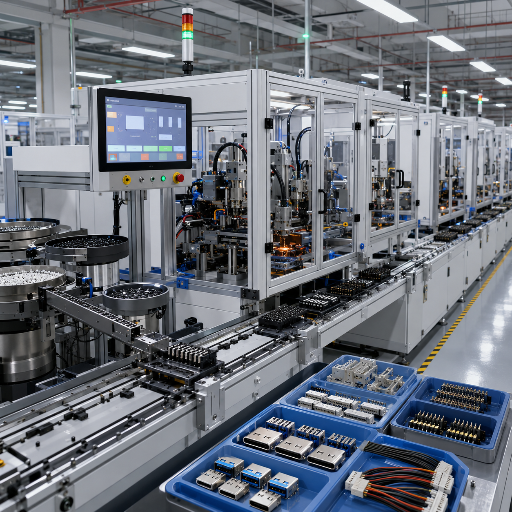
Automotive Tier-2 · Sumitomo
Wire-to-Connector Termination Line
A Tier-2 automotive cable-assembly supplier shipping into Sumitomo Wiring Systems faced inconsistent crimp tonnage across a 24-hour, 3-shift manual operation. Operator handoff between shifts introduced 6 to 8 ppm of crimp-tonnage drift, enough to flag at the Tier-1 incoming audit. ZEUEE shipped a 6-module configuration (terminal feeder + insertion + crimping + AOI + continuity + packaging) with closed-loop tonnage logging. Post-deployment, audit-flagged drift settled within the buyer’s specification window.
Hover to Read
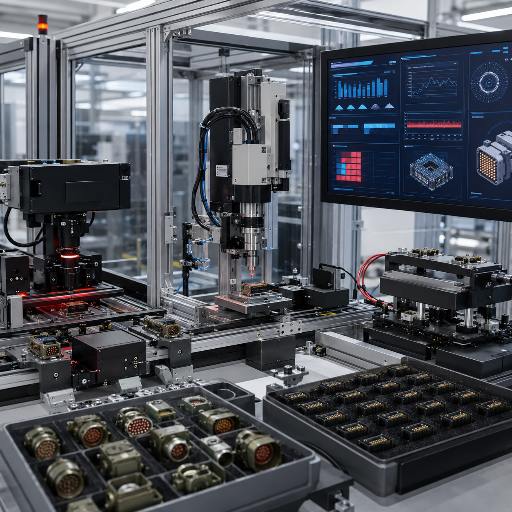
3C Electronics · Foxconn-tier OEM
USB and Pin-Header Assembly
A Foxconn-tier OEM consolidated four parallel manual cells onto a single ZEUEE Premium-tier line covering USB Type-A, Type-C, and 2.54 mm pin-header families. That customer ran the same connector mix across 11 SKUs with overlap-window changeovers managed through the line’s MES interface. Floor headcount on connector assembly dropped, and SKU-mix flexibility absorbed a holiday-season volume swing that had previously triggered overtime.
Hover to Read
Aerospace Electronics · AVIC Group
High-Reliability Connector Assembly
An AVIC-group avionics supplier needed pin-insertion repeatability at military-spec cycle-life targets. A ZEUEE Premium-tier line, with statistical process control feeds into the customer’s traceability database, enabled per-unit pin-force serialization. Connectors shipping under this configuration now carry traceability records linking each finished part to insertion force, AOI image, and continuity test result.
Hover to Read
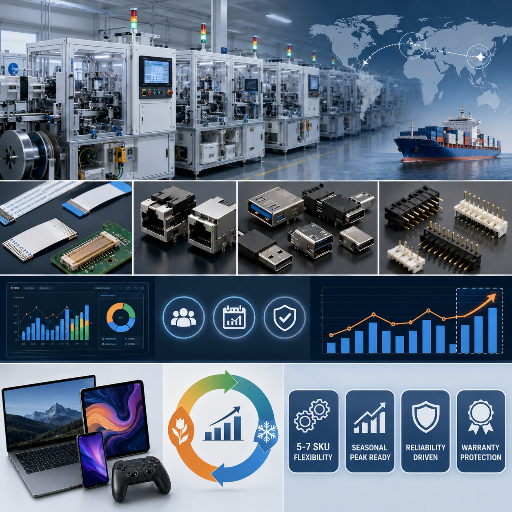
Consumer Electronics · LEGO/TCL/SONY
Multi-SKU Connector Assembly
Consumer-electronics customers in the LEGO, TCL and SONY supplier networks have used ZEUEE Standard-tier lines for FFC/FPC and modular-jack assemblies tied to consumer device lifecycles. A recurring procurement pattern shows up: 5-to-7 SKU mix, seasonal volume peaks, and reliability requirements driven by the brand’s warranty exposure. Lines are sized for the median quarter and configured to surge through the holiday quarter using the Standard-tier dual-feed adder.
Certifications, Patents and Industry Recognition
Buyer scorecards from large industrial purchasers weight quality systems heavily — current ISO 9001:2015 certification and Institute for Supply Management framework documentation specifically lists quality + delivery + financial stability + compliance among the core procurement criteria [6]. Our certification stack below reflects what we publish; customers conducting deeper vendor qualification audits receive certificate copies and patent abstracts on request.
ISO 9001:2015
Quality managementCE Marking
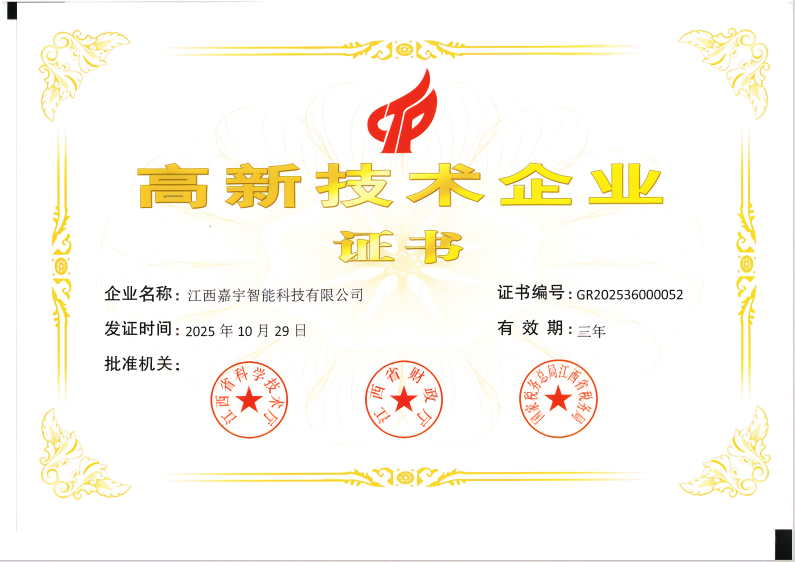
EU conformityNational High-Tech
State classificationPatent Demonstration
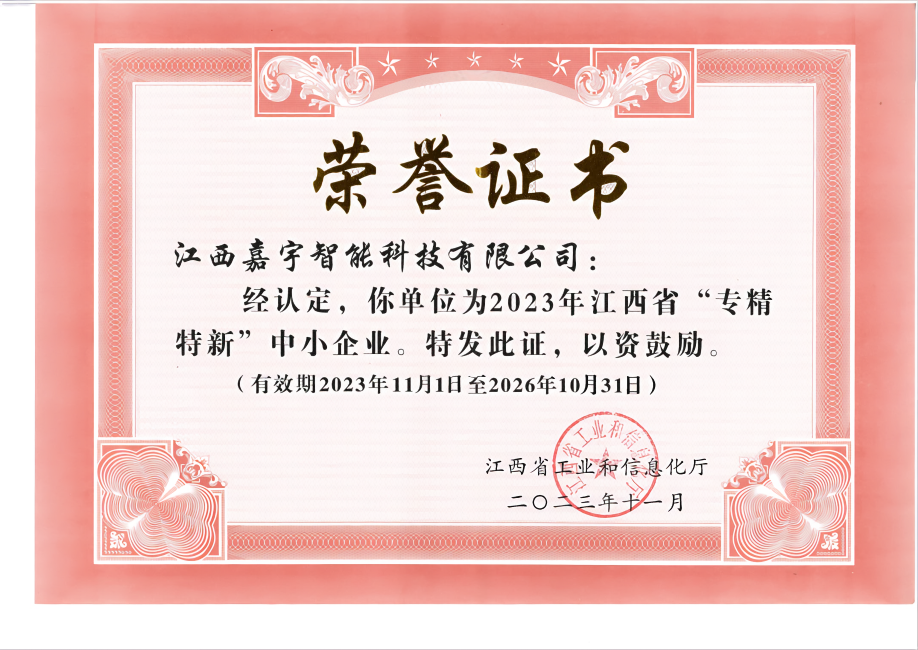
State classificationVice President Unit
Robot AssociationCouncil Member
High-Tech Industry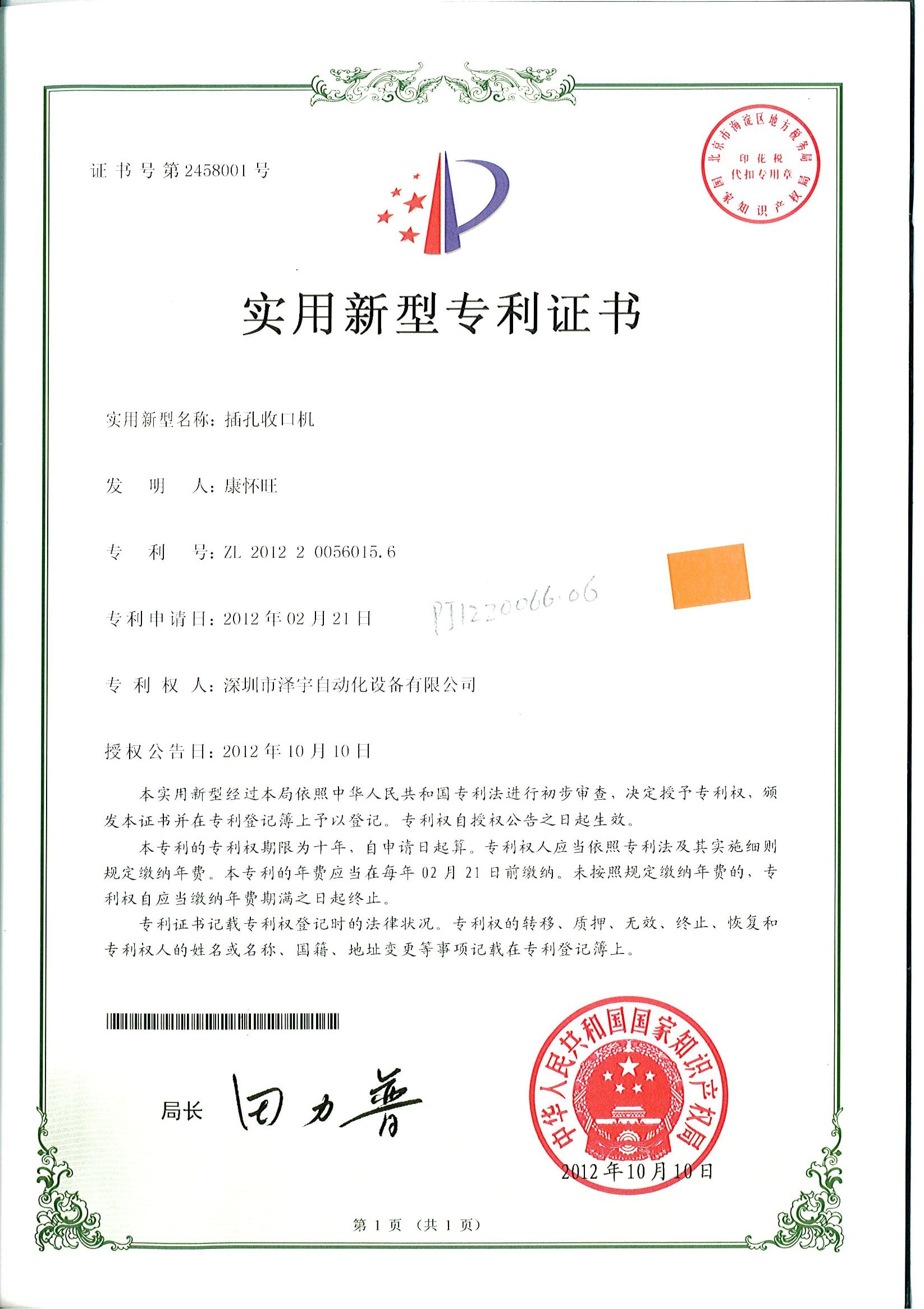
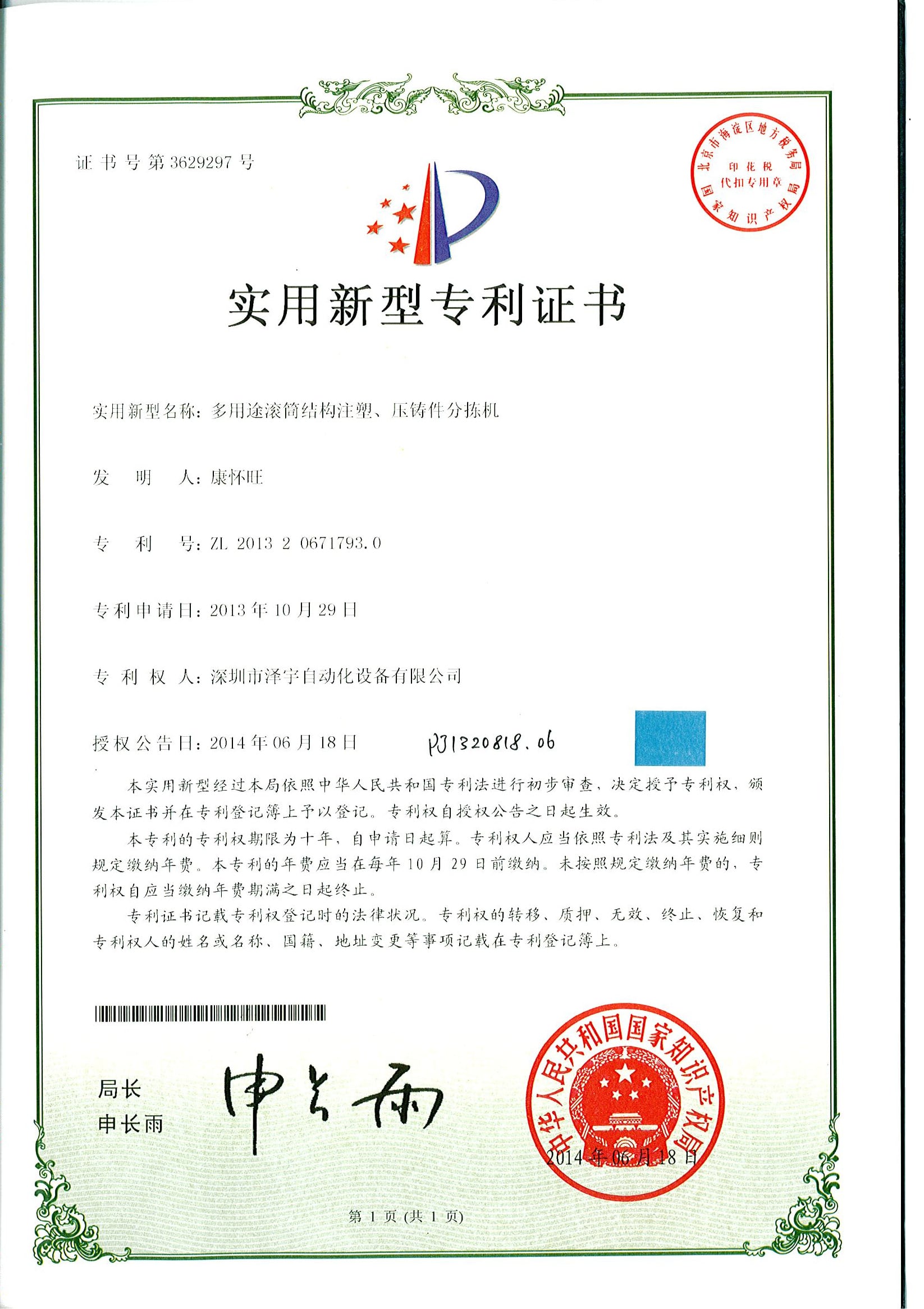
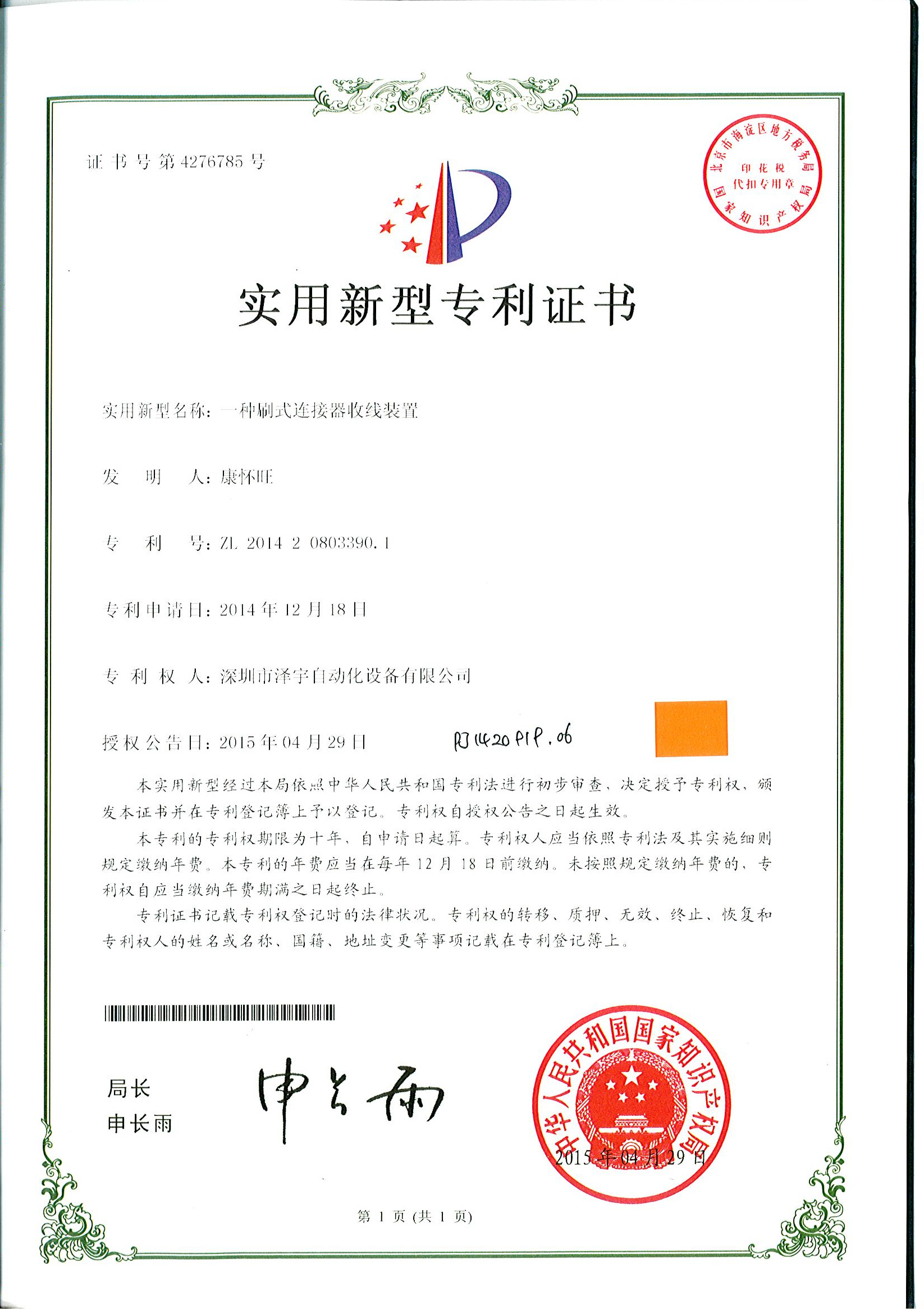
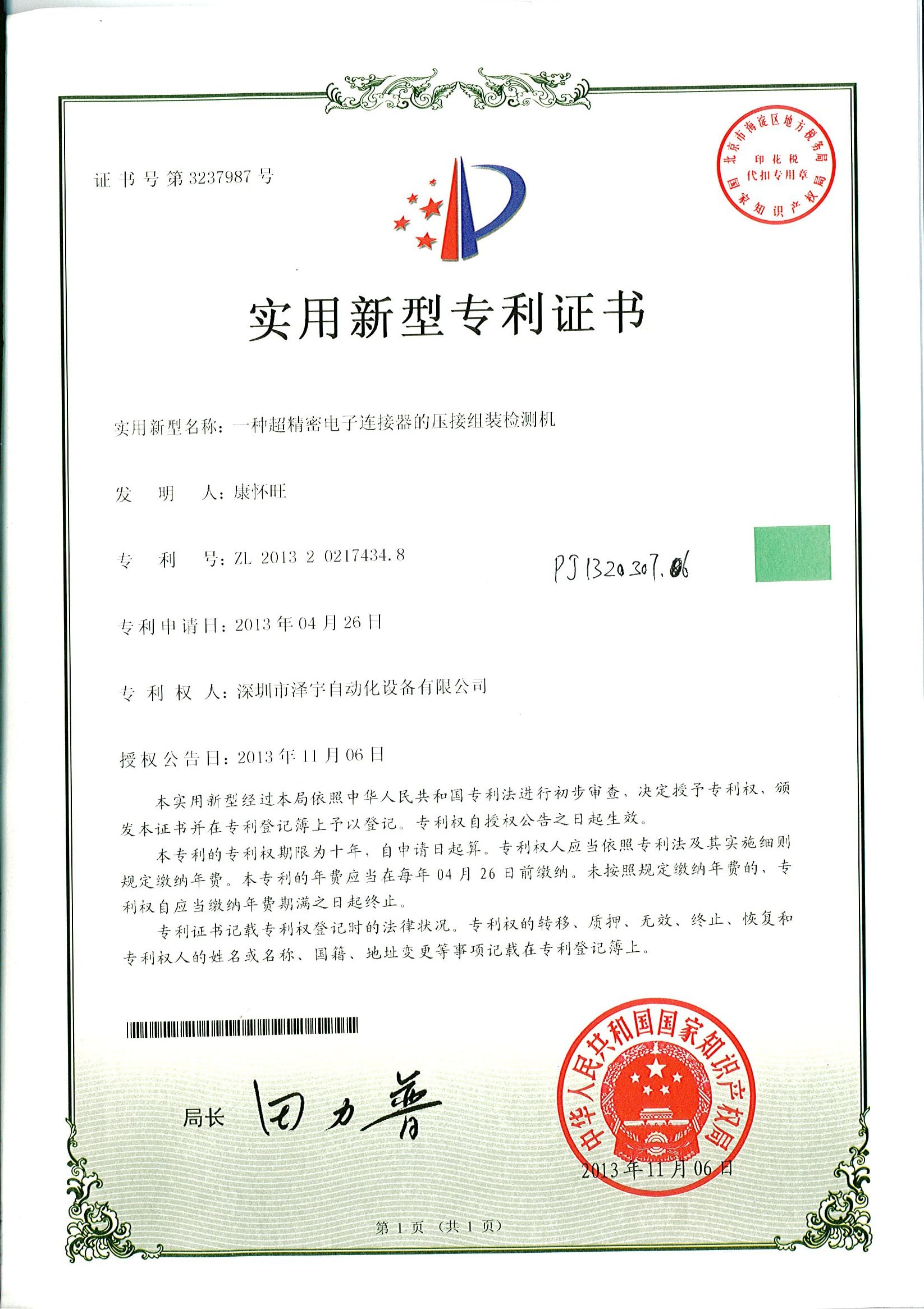
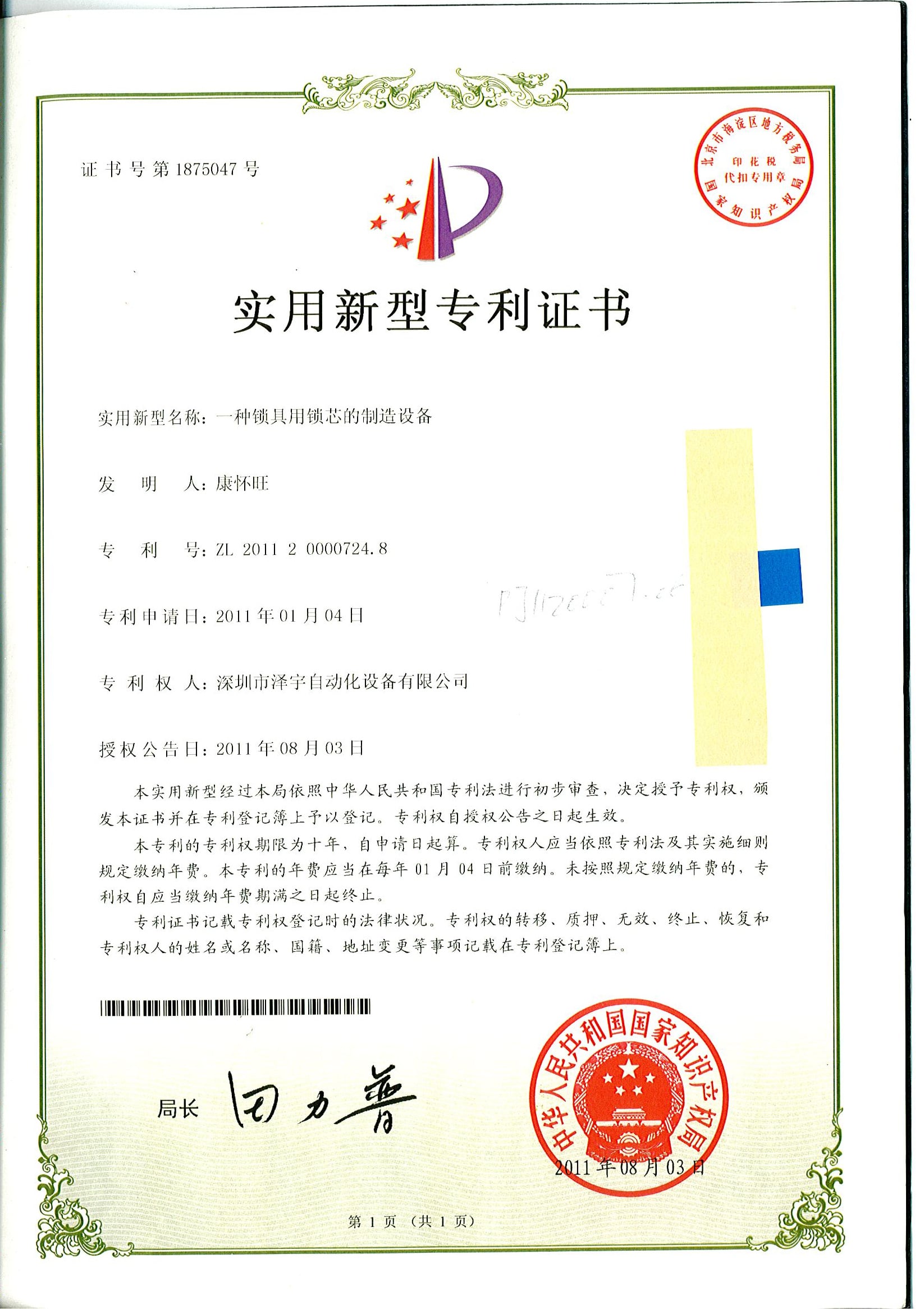
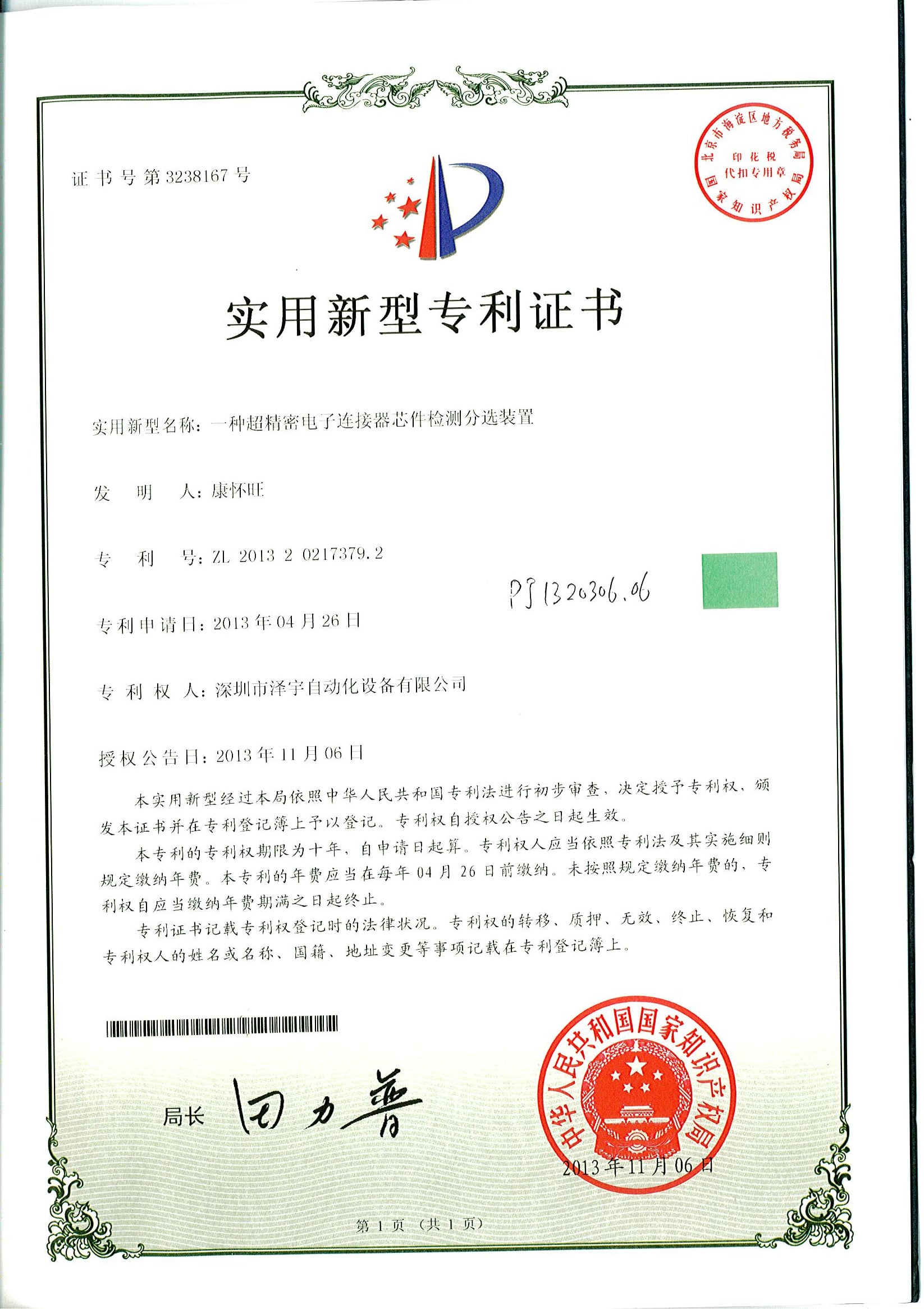
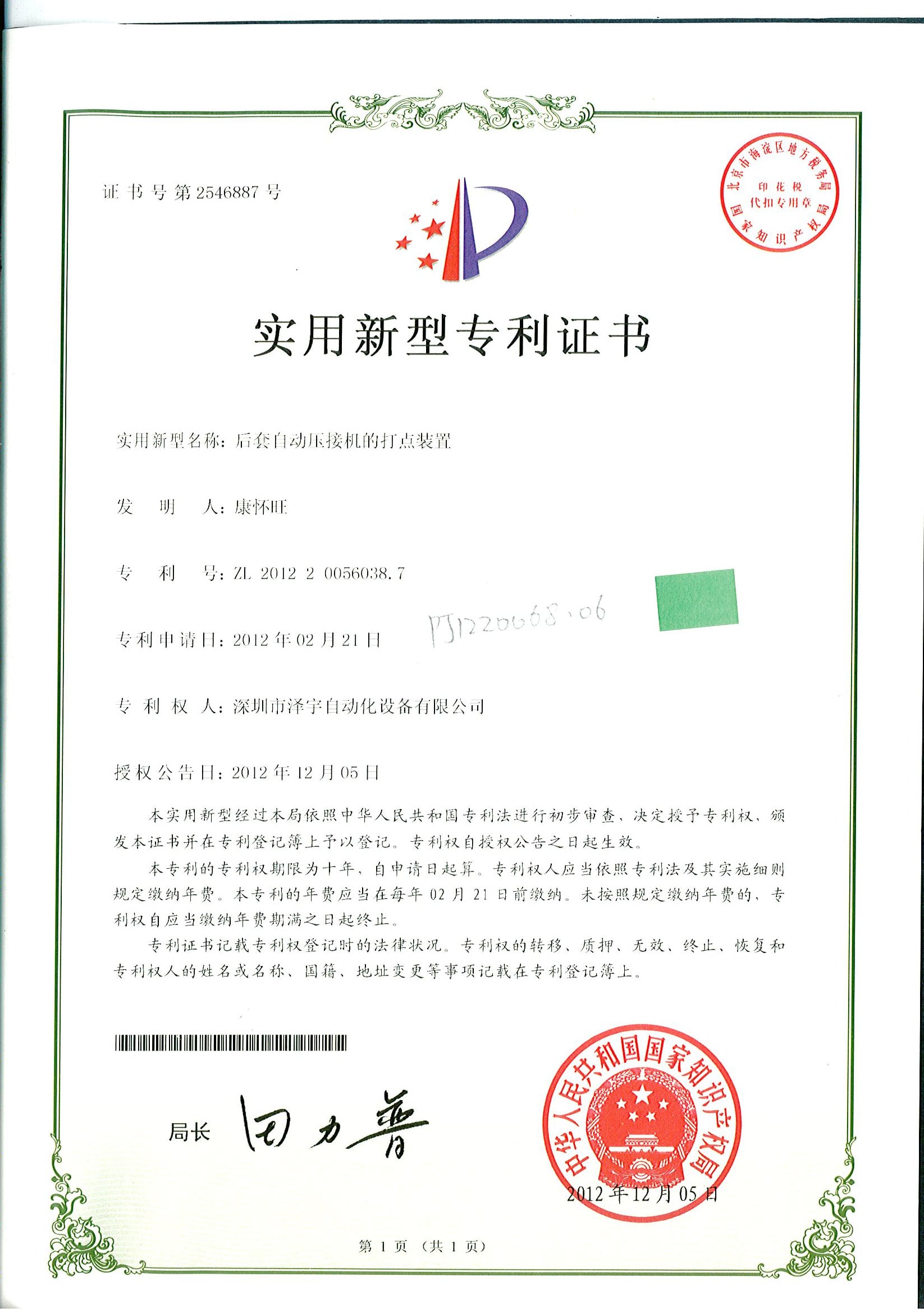
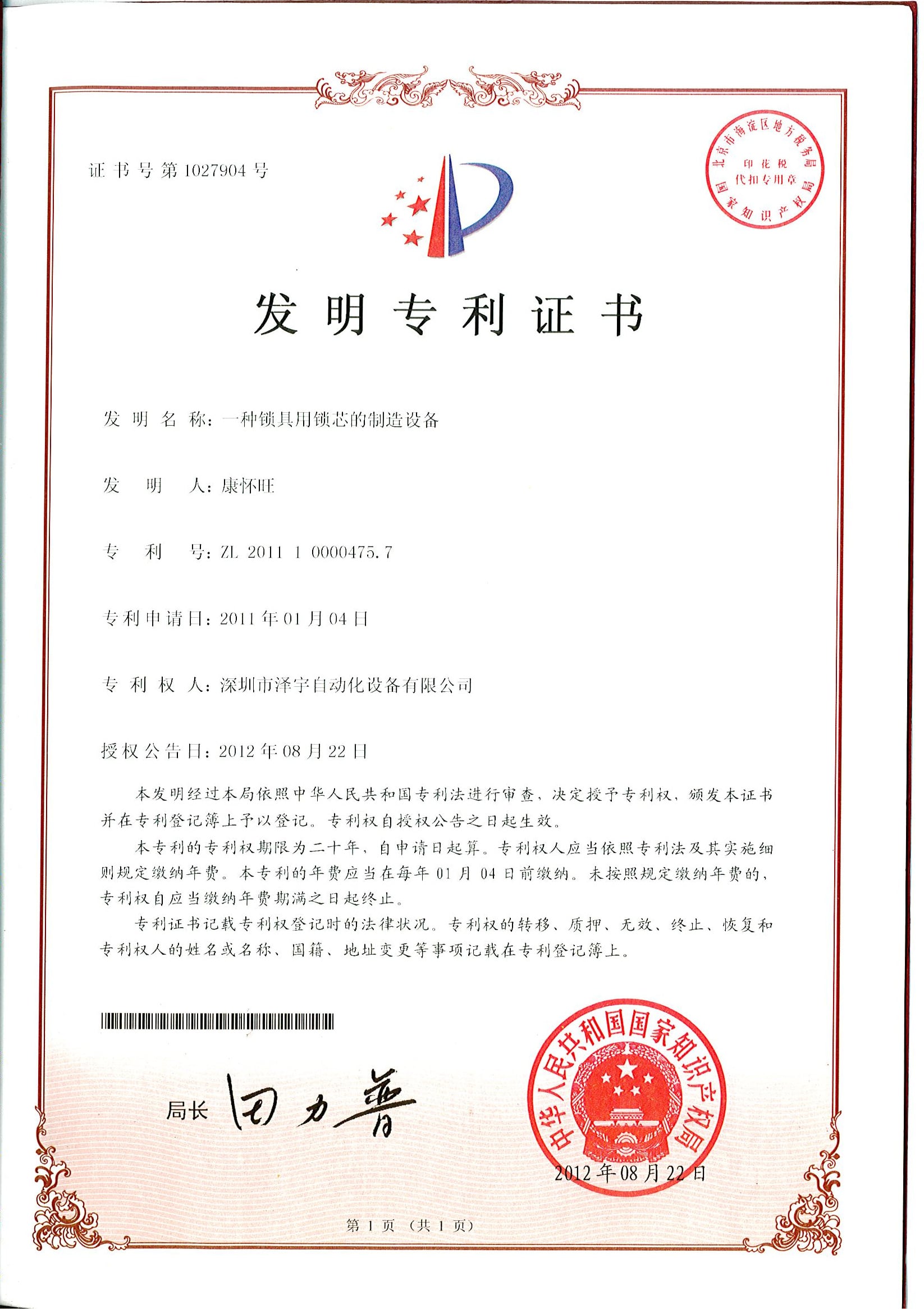
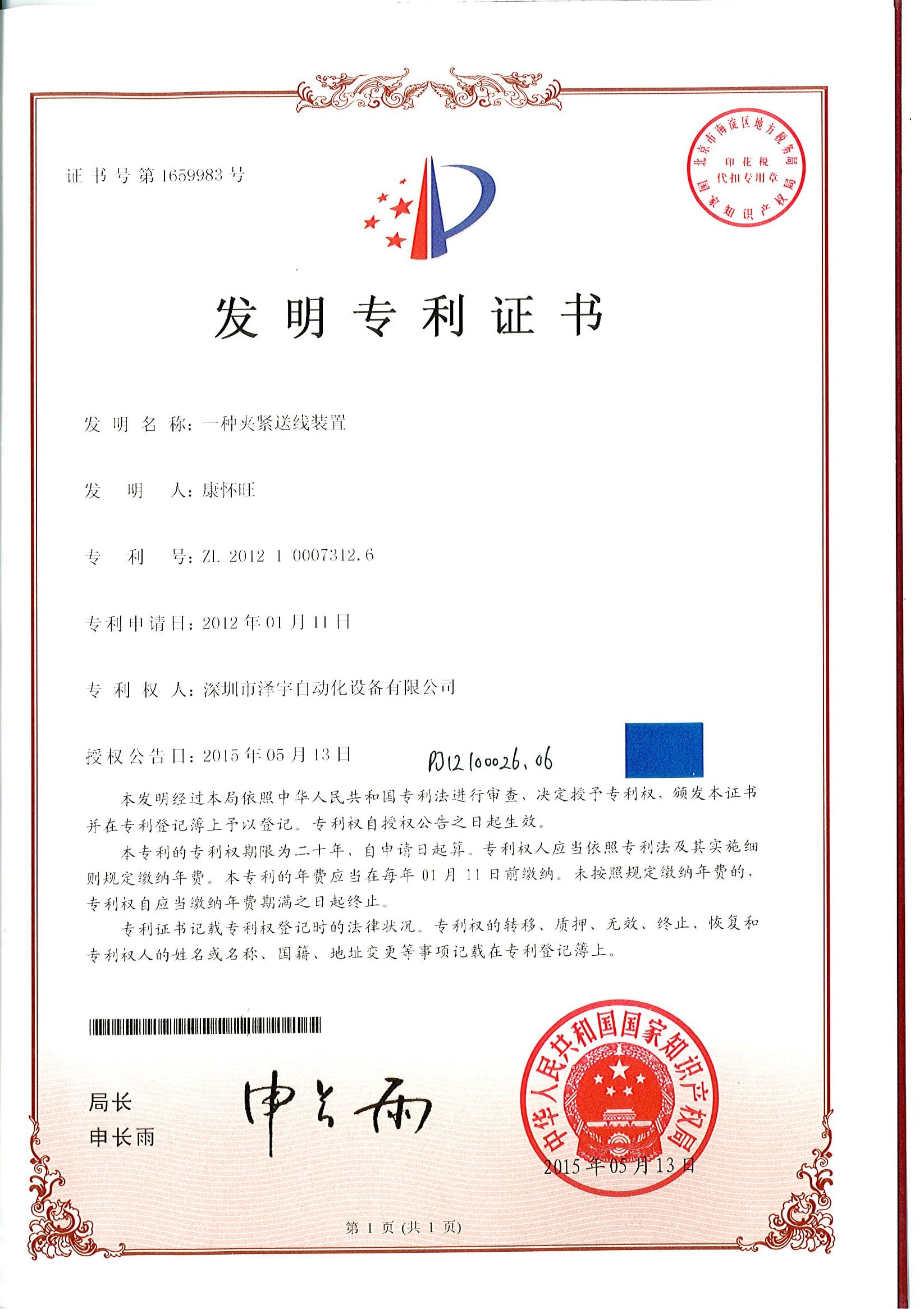
ZEUEE 100+ Patent Library
(32 Invention + 68 Utility)
The ZEUEE patent portfolio currently counts 32+ Invention Patents and 68+ Utility Model Patents, covering insertion mechanisms, vision-inspection sub-systems, multi-axis positioning, and process-control software embedded in our line MES. Compared with Western connector-assembly equipment vendors — most of which do not publish patent counts on their landing pages — the public IP record gives our buyers a concrete reference point. USPTO published-application records (e.g., US 12,300,956 in the electrical connector assembly machine class [8]) sits within the broader connector-automation IP landscape we continue to file into.
Process Standards We Build Against
Equipment configurations align with three IPC standards that audited buyers reference during incoming-quality reviews:
IPC-A-610H
Visual acceptance benchmark for finished electronic assemblies, used in AOI module logic [4]
IPC J-STD-001H
Soldered electrical and electronic assembly process control, applied to crimp/seat workflow [4]
IPC/WHMA-A-620F (2025 release)
Cable and connector assembly acceptance criteria, the latest version of which incorporates updated connector types and improved alignment with J-STD-001 [4]
Automotive customers shipping into a Tier-1 wire-termination program will recognize the further requirement layer — AEC-Q200 component qualification, which the connector-supplier evaluation literature flags as a meaningful indicator of supplier discipline [6]. ZEUEE lines configured for automotive workflows include the data hooks and inspection routines those programs require, even though the AEC-Q200 certification itself attaches to the connector, not the equipment.
×
![Zoomed Certificate]()
Procurement Guide — 3-Tier Pricing, Lead Time, After-Sales
Most Western connector-assembly equipment vendor pages stop at “Contact us for pricing.” Procurement teams citing ISO 9001:2015 in their supplier qualification process need more than that. That opacity is a procurement headache. We list our tier structure here because the conversation moves faster when buyers know roughly where their use case lands before the first call. Three tiers below capture line scope, module mix and lead time; exact pricing reflects connector family, volume, integration scope and shipping terms, which we deliver in an itemized quote.
| Tier | Line Scope | Module Mix | Lead Time (FOB Shenzhen) | Best For |
|---|---|---|---|---|
| Entry | 3–4 modules, single connector family | Feed + Insert + Crimp + Pack (AOI optional) | 60–90 days | SKU-stable mid-volume runs, 5–8 mm pitch range |
| Standard | 5–6 modules, 2–3 connector families | + Housing + AOI + Continuity | 90–120 days | Multi-SKU OEMs, automotive Tier-2, 1.0–5.0 mm range |
| Premium | 7 modules + integration adders | Full 7-module + Hi-Pot + dual-end crimp + MES integration | 120–180 days | Automotive Tier-1, aerospace, high-mix high-volume |

Hidden Cost Line Items Worth Itemizing
Supplier-evaluation guides recommend buyers request itemized quotes covering setup costs, tooling charges, testing expenses, and warranty exposure separately from the unit-price line [6]. Our standard quotation breaks the engagement into the following cost categories so procurement teams can map them into internal capital-approval templates: (1) equipment hardware tier, (2) connector-specific tooling kit, (3) FAT/SAT testing fee, (4) commissioning + operator training, (5) extended-warranty option, (6) consumable spare-parts package, and (7) shipping + import-handling estimate for the destination country.
After-Sales SLA
Field-service response is a TCO line item that disappears from web pages but reappears in audit findings. Our standard offering includes a 12-month parts-and-labor warranty, an optional extended warranty for the second and third year, English-language engineering support during local business hours of the customer time zone, and a 24/7 critical-issue escalation channel for production-down events. Overseas spare-parts staging arrangements are available for customers operating multiple lines in a single region — historically the EU and North America customer segments where logistics latency would otherwise gate the SLA.
FAQ — PCB Connector Line Buyer Questions
01
Our canonical line uses 7 modules: terminal feeder, pin insertion station, housing assembly, crimping station, AOI vision inspection, continuity (and optional Hi-Pot) testing, and packaging with inline print marking. Entry-tier lines run a 3- or 4-module subset; Premium-tier lines add Hi-Pot, dual-end crimp, and MES integration. Module structure is described in detail in the 7-Module Architecture section above.
02
Standard-tier coverage includes wire-to-board, board-to-board (≥0.8 mm pitch), pin-header, IDC, FFC/FPC at 1.0 mm pitch, RJ45 and USB Type-A. Sub-0.5 mm board-to-board and full USB Type-C coverage need the Premium-tier dual-axis insertion head. A compatibility matrix in the Compatibility section walks through each family by pitch range and tier.
03
Industry benchmarks for skilled manual technicians sit between 50 and 100 components per hour [1]. Industrial automated lines reach the thousand-per-hour range, with high-speed pick-and-place systems running 25,000–80,000 CPH at the upper end of the market [5]. ZEUEE Standard- and Premium-tier lines fall inside that industrial-class band. Exact numbers depend on connector family and station count.
04
Yes. Modular architecture lets a buyer swap tooling kits per connector family and reconfigure feed plates between SKUs. Standard-tier lines support 2 to 3 active connector families on the same line. Premium-tier lines can host 4 or more through hot-swap tooling and the MES recipe-management software. Changeover times depend on the connector mix.
05
Module 5 runs multi-axis AOI vision inspection — cameras plus LED ring lighting — to flag missing pin, bent pin, off-seat housing, and contamination. Module 6 runs 4-wire continuity testing on every pin, with optional Hi-Pot for high-voltage connector applications. Both modules feed pass/fail with timestamp data into the customer’s MES, supporting statistical process control and per-unit traceability for audited industries.
06
Western competitor sites generally skip pricing and lead time on the public page, which makes direct comparison difficult before RFQ. Our ZEUEE 3-tier FOB structure starts at the Entry tier with 60-to-90-day Shenzhen lead time. Standard-tier shipments run 90 to 120 days; Premium-tier with MES integration runs 120 to 180 days. Comparison section above walks through 12 dimensions including throughput, certifications, warranty and after-sales SLA.
07
ISO 9001:2015 quality management certification and CE conformity marking are current. ZEUEE is recognized as a National High-Tech Enterprise and a Patent Demonstration Enterprise by the China Ministry of Industry and Information Technology, under the Zhuanjingtexin SME classification, a Vice President Unit of the Guangdong Robot Association, and a Council Member of the Shenzhen High-Tech Industry Association. Certifications section above lists the full set with patent counts.
08
Standard warranty is 12 months on parts and labor, with an extended warranty option for years 2 and 3. Lead time is 60 to 180 days FOB Shenzhen, tier-dependent. After-sales support covers English-language engineering hours during the customer’s local business window, plus a 24/7 critical-issue escalation channel for production-down events. Spare-parts staging in EU and North America is available for multi-line customers.
09
The PCB connector market grows from roughly USD 6.9 billion in 2025 toward USD 9.8 billion by 2031, a 6.03% CAGR [9]. Automotive connector demand specifically is forecast to expand to USD 38.7 billion by 2032 at 7.25% CAGR, driven by EV electrification and ADAS [10]. Buyers planning multi-year capacity who would otherwise add shifts or sub-contract during peaks tend to model a ZEUEE-class line as the capacity buffer that absorbs growth without proportional labor scaling.
Build your PCB Connector Assembly Line with ZEUEE
From spec sheet review to FAT, SAT, commissioning and 12-month warranty — the engineering team in Shenzhen and Taihe is set up to scope your line, write the bill of materials, and quote in 5 business days.
WHY WE WRITE THIS
About ZEUEE Engineering Insights
ZEUEE shares technical guides based on real automation project experience. Since 2005, we have designed and manufactured non-standard automation equipment for connector assembly, wire harness production, robotic lines, vision inspection, and smart factory upgrades.
Founded in 2005
20,000 m² production base
120+ specialists
150+ R&D patents
ISO9001:2015 certified
![Automated Screwdriving: Torque & Cycle Time [Guide]](https://zeueeauto.com/wp-content/uploads/2026/10/automated-screwdriving-featured-150x150.png)