Get in touch with Zeyu lntelligent Industrial Company
ISO 9001:2015 CERTIFIED
Industries We Serve
Assembly Automation for Demanding Industries — ZEUEE Multi-Sector Solutions
Assembly automation for industries that cannot ship a defective connector — aerospace, automotive, electronics, medical, and telecom — is what ZEUEE has built since 2005. Our team designs and builds custom automated assembly machines and full production lines for OEM manufacturers in over 30 countries, backed by 150+ patents and 10,000+ delivered projects.


20 yrs
Building automation since 200510,000+
Projects delivered150+
R&D patents (32 invention)30+
Countries served6
Core industriesISO 9001
:2015 certifiedWhy Manufacturers Across Industries Build With ZEUEE
Most factories reach the same wall: skilled operators are scarce, manual assembly drifts out of tolerance, and a single mis-seated contact fails an audit weeks later. A robot is rarely the fix on its own. Here is the honest version — full automation is not always the best solution. Drop-in robot assembly and off-the-shelf assembly line robotics look attractive, but when batches fall to 50–100 units before a changeover, the math behind fixed lines and standard automated assembly systems stops working once you add programming, fixturing, and changeover time (NIST Manufacturing Extension Partnership).
That is the gap we build for. Many assembly automation companies sell a standard machine and ask you to fit your product to it. ZEUEE delivers custom assembly automation as a custom assembly machine builder: we engineer the line around your part, your takt target, and your inspection method. Yes, the trade-off is real, and we will not claim otherwise — a custom industrial automation machine takes longer to specify than a catalog unit, but a custom-built line removes the change-order spiral that sinks most projects when requirements are scoped loosely.
An automation equipment company earns its keep on the second machine, not the first — the value compounds through quality and uptime, not labor displacement alone. One common ROI error is dividing machine cost by displaced headcount; that underestimates true labor cost by 30–60% and ignores scrap, throughput, and lights-out shifts entirely.
“We have built lines for connectors that go into aircraft and for syringes that go into patients. The discipline is the same: the machine has to prove every cycle, not just run fast. That is why CCD inspection is designed into the station, not bolted on after.”
Industry-by-Capability Matrix
This is how our core process capabilities map to the five industries we serve most. Use it to confirm we already run the process your part needs before you send a drawing. We integrate robotic and robotics-driven stations — from screw driving to laser welding — engineered for reliability at every step of the assembly process, the disciplines we specialize in rather than resell.
| Process capability | Aerospace | Automotive | Electronics & 3C | Medical | Fiber & Telecom |
|---|---|---|---|---|---|
| Twist-pin stranding / forming | ✓ | ✓ | — | — | — |
| Hyperboloid contact assembly | ✓ | ✓ | — | — | — |
| Pin / socket insertion | ✓ | ✓ | ✓ | ✓ | — |
| Screwdriving & torque fastening | ✓ | ✓ | ✓ | ✓ | — |
| Wire cut-strip-crimp | ✓ | ✓ | ✓ | — | — |
| PCB & component handling | — | ✓ | ✓ | ✓ | — |
| Fiber ferrule polishing | — | — | — | — | ✓ |
| CCD vision inspection | ✓ | ✓ | ✓ | ✓ | ✓ |
| Ultrasonic welding | — | ✓ | ✓ | ✓ | — |
Whether you need a single automated assembly line station or a turnkey factory cell, the capability stays the same from one industry to the next — only the tolerances and the compliance paperwork change. The sections below break down each industry by the standard that governs it.
The Connector-Class Precision Ladder
Not every industry needs the same precision class, and over-buying tolerance is wasted money. We rank our work by the tightest feature each sector demands — the ladder below is how we scope inspection depth and mechanism choice before a single drawing is quoted.
| Precision class | Tightest tolerance | Typical feature | Inspection method | Lead industry |
|---|---|---|---|---|
| Class A — micro | ±0.02 mm | 0.45 mm twist-pin cut length | 100% CCD, per part | Aerospace & Defense |
| Class B — fine | ±0.05 mm | Hyperboloid contact seating | 100% CCD + force curve | Aerospace / Medical |
| Class C — precision | 0.35–0.40 mm pitch | Pin insertion, crimp height | CCD + pull-force test | Automotive / 3C |
| Class D — fiber | <0.5 µm scratch | Ferrule end-face finish | 200–400× end-face scan | Fiber & Telecom |
| Class E — assembly | ±0.1 mm | Component place & fasten | Sampled or in-line CCD | Electronics / Medical |
The twist-pin cells at the top of the ladder hold a verified ±0.02 mm cut length at 10–13 pieces per minute on a 7.5 kW station; the fiber class at the bottom is governed by surface finish, not dimension. A builder that cannot place your part on this ladder before quoting is guessing at your inspection cost.
Engineered Solutions For Complex Assembly

Aerospace & Defense
Connector assembly automation — twist-pin cutting and welding machine
An aerospace connector that passes on the bench can still fail after thousands of vibration cycles if a contact is seated 0.1 mm off-axis — a risk no audit forgives. It happens because hand-assembly cannot hold contact position at scale, so ZEUEE engineers inspection into every insertion rather than sampling at the end. Our cells automate assembly for circular military connectors — MIL-DTL-38999 (rated −65 °C to +200 °C, Series III Tri-Start threaded anti-vibration coupling) and the space-efficient MIL-DTL-26482 (−55 °C to +125 °C, 3-point bayonet, five key/keyway anti-mismating, rear contact insertion to protect the sealing face) (NASA technical standards).
For these aerospace and defense programs ZEUEE supplies twist-pin stranding machines, hyperboloid contact assembly cells, and pin-insertion stations with 0.1 mm-class CCD verification — precision built for flight-hardware production, not catalog parts. Unlike off-the-shelf lines, traceability is recorded per part, not per batch, the AS9100-grade discipline that ISO-certified suppliers are held to. Long-term partners include AVIC and China Shipbuilding (CSSC), across a 20-year program record.

Automotive
Connector and wire cut-strip-crimp assembly with pull-force testing
Automotive lines fail on cost-per-part, not capability. A crimp that is 5% under pull-force spec will not stop the line today, but it becomes a warranty claim three years out — an expensive, hidden risk. Manual crimping drift is the root cause, so ZEUEE engineers crimp force and pull-test into every cycle so the defect never reaches the finished cable. Connector assembly, wire cut-strip-crimp at 0.35 mm pitch, and EV battery-module assembly rated to 60 °C are automated with cycle data logged per station — the patent record for high-speed crimp tooling is extensive (USPTO / Google Patents).
Long-term automotive partners include GAC Group, with this precision production capability proven over 20 years. Unlike fixed automation from generic automation system manufacturers, ISO-grade ZEUEE cells build changeover into the fixture so a model switch on a high-mix line is minutes, not a shift — the structural reason flexible automation beats off-the-shelf below mass volumes.

Electronics & 3C
PCB and connector assembly automation with integrated CCD vision
In 3C electronics the enemy is the defect you cannot see — a hairline solder bridge or a connector pin out by 0.1 mm. Volumes are high and margins thin, so a 2% yield slip is an expensive problem. Plainly, the human eye misses sub-millimetre faults at speed — the root cause of the slip — so ZEUEE engineers CCD inspection that grades each part rather than sampling. ZEUEE builds high-speed PCB assembly, connector assembly, and component handling at 0.4 mm pitch, plus consumer-electronics assembly lines for this 3C electronics production — tolerances and test methods that sit within IEEE and IPC frameworks (IEEE Standards Association).
Long-term electronics partners include Foxconn, TCL, and SONY, with ISO-certified precision proven over 20 years. Unlike generic lines, ZEUEE tunes vision thresholds against real defect libraries, not factory defaults — the structural reason first-pass yield holds while false rejects stay low.
Medical Devices
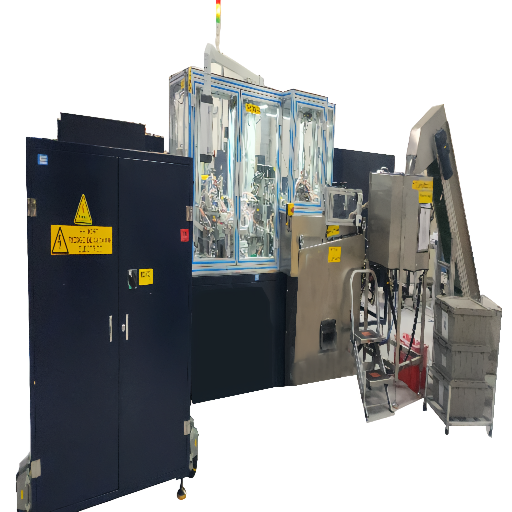
Assembly cell for syringe and diagnostic assembly, ISO 13485-compatible
A medical assembly line is a regulated process, not just a machine — and a contamination failure is the most expensive mistake in the building. It exists because particulate and microbial control cannot be improvised, so ZEUEE engineers stations designed to drop into a controlled environment. Automated assembly for syringes, diagnostic devices, and medical connectors is built for this medical device production. ISO 13485 Clause 6.4 governs the work environment and contamination control, referencing ISO 14644 / ISO 14698 — most device cleanrooms run ISO Class 5–8 at 25 °C controlled conditions (ISO 13485:2016).
Our medical cells are built for process validation from the start — IQ/OQ/PQ documentation, per-unit traceability, and CCD inspection so a sterile-barrier component is checked before it is sealed, a precision discipline proven over 20 years. Unlike vendors that overstate compliance, ZEUEE will not claim a blanket certification on your behalf; the honest version is that we build ISO 13485-compatible equipment that fits your validated process and your auditor’s expectations.
Fiber Optics & Telecom
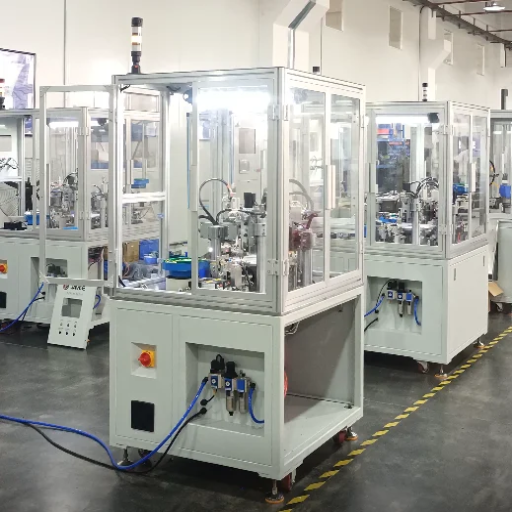
Connector assembly and ferrule polishing with end-face inspection
In fiber, the entire performance of a connector lives on a polished surface smaller than a grain of rice — a single scratch on the end-face means signal loss, an expensive failure. The root cause is slow, operator-dependent manual polishing, so ZEUEE engineers automation that cuts the cycle from minutes to seconds while holding quality. LC, SC, and FC connector assembly, ferrule polishing (a 4-step routine for 2.5 mm SC ferrules, 3-step for 1.25 mm LC), and end-face inspection to IEC 61300-3-35 at 200–400× are automated for this telecom and optical production — the approach is documented in patented optical-component assembly systems (USPTO US 2002/0158051 — automatic laser weld machine for assembling photonic components).
Long-term telecom and optical partners include Corning (USA), with ISO-certified precision proven over 20 years. Unlike single-station setups, ZEUEE builds multi-station lines so polishing and inspection run in parallel — the structural reason a high-volume optical line does not bottleneck at the polish step.
Certifications & Quality Standards
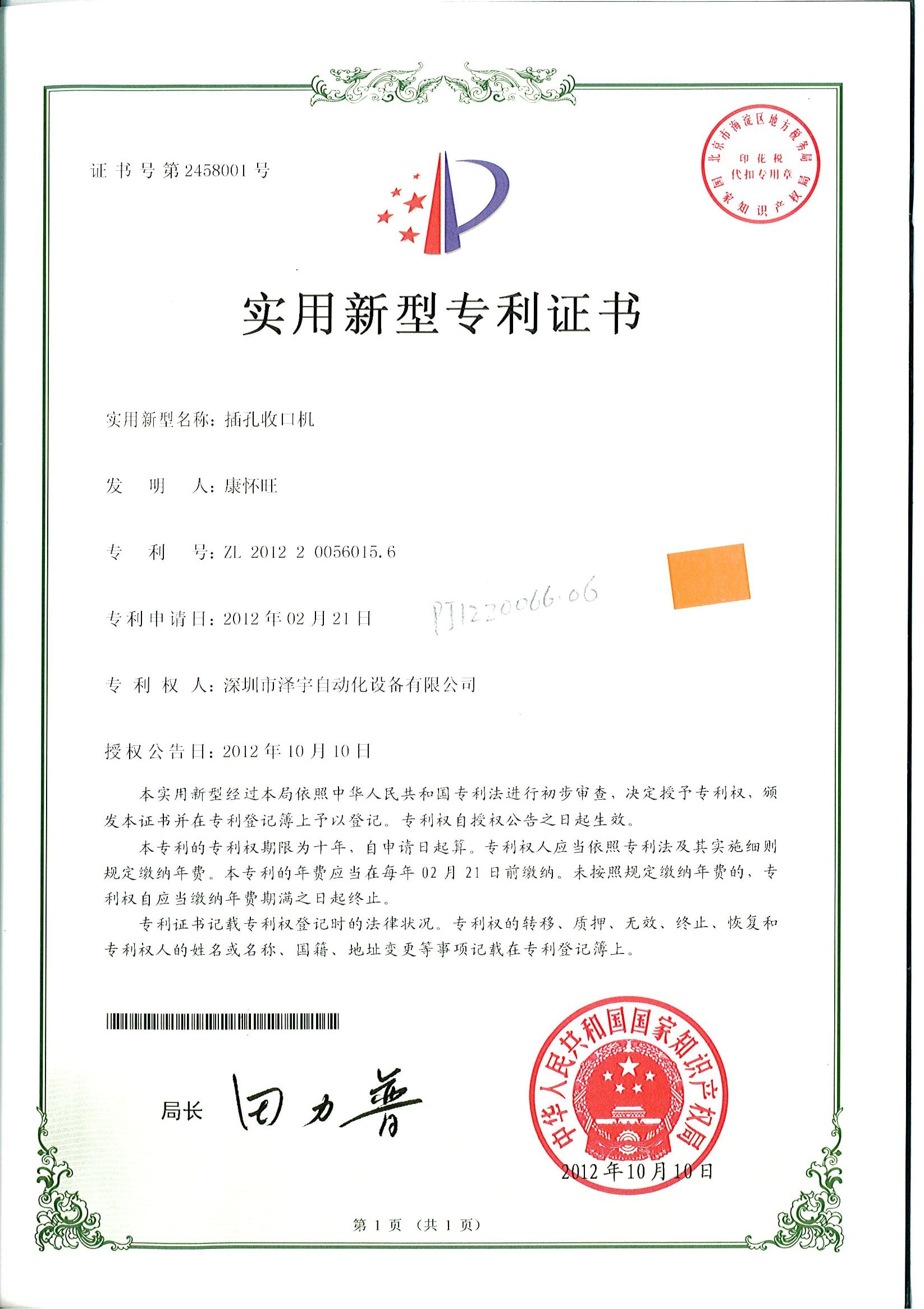
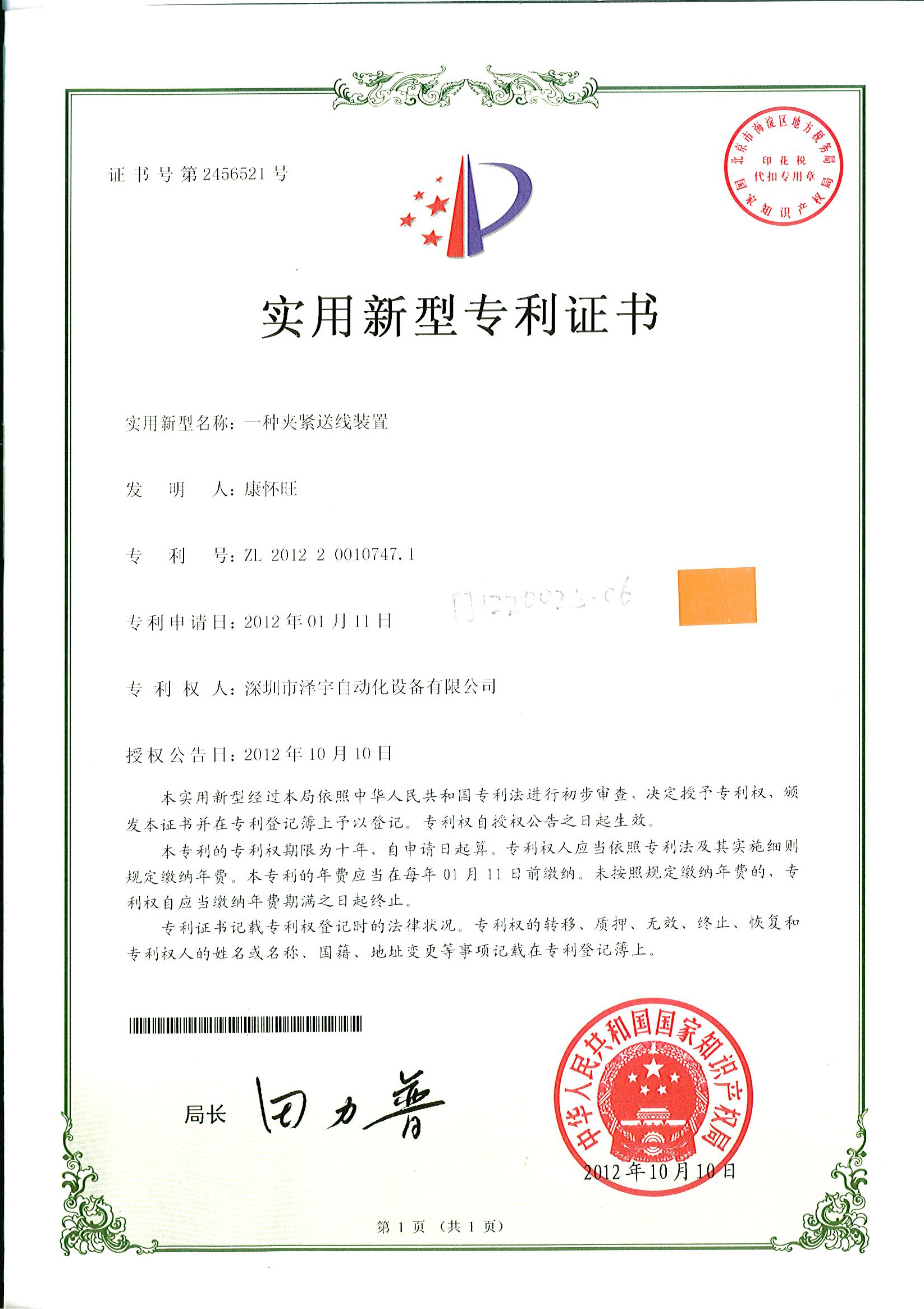
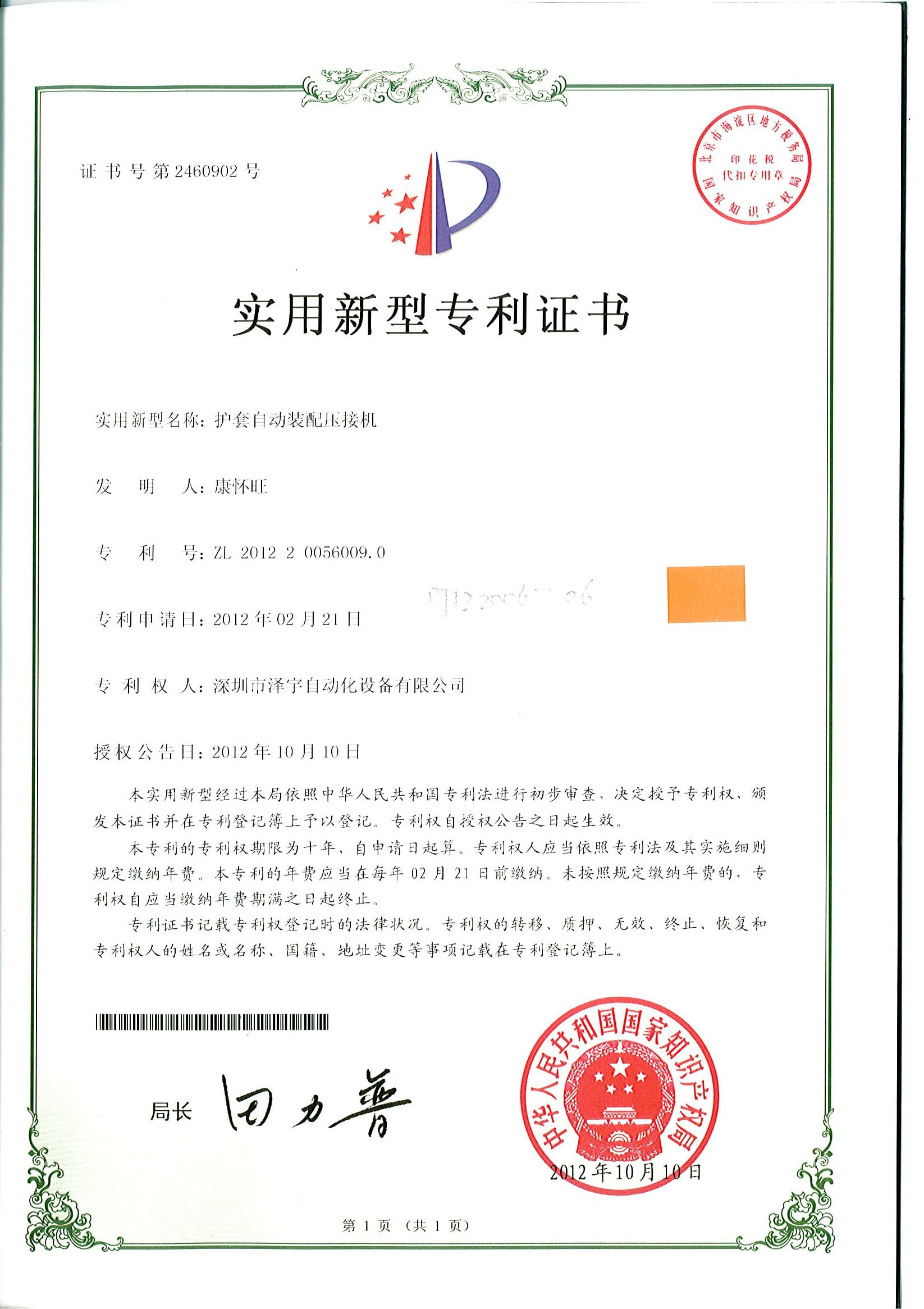
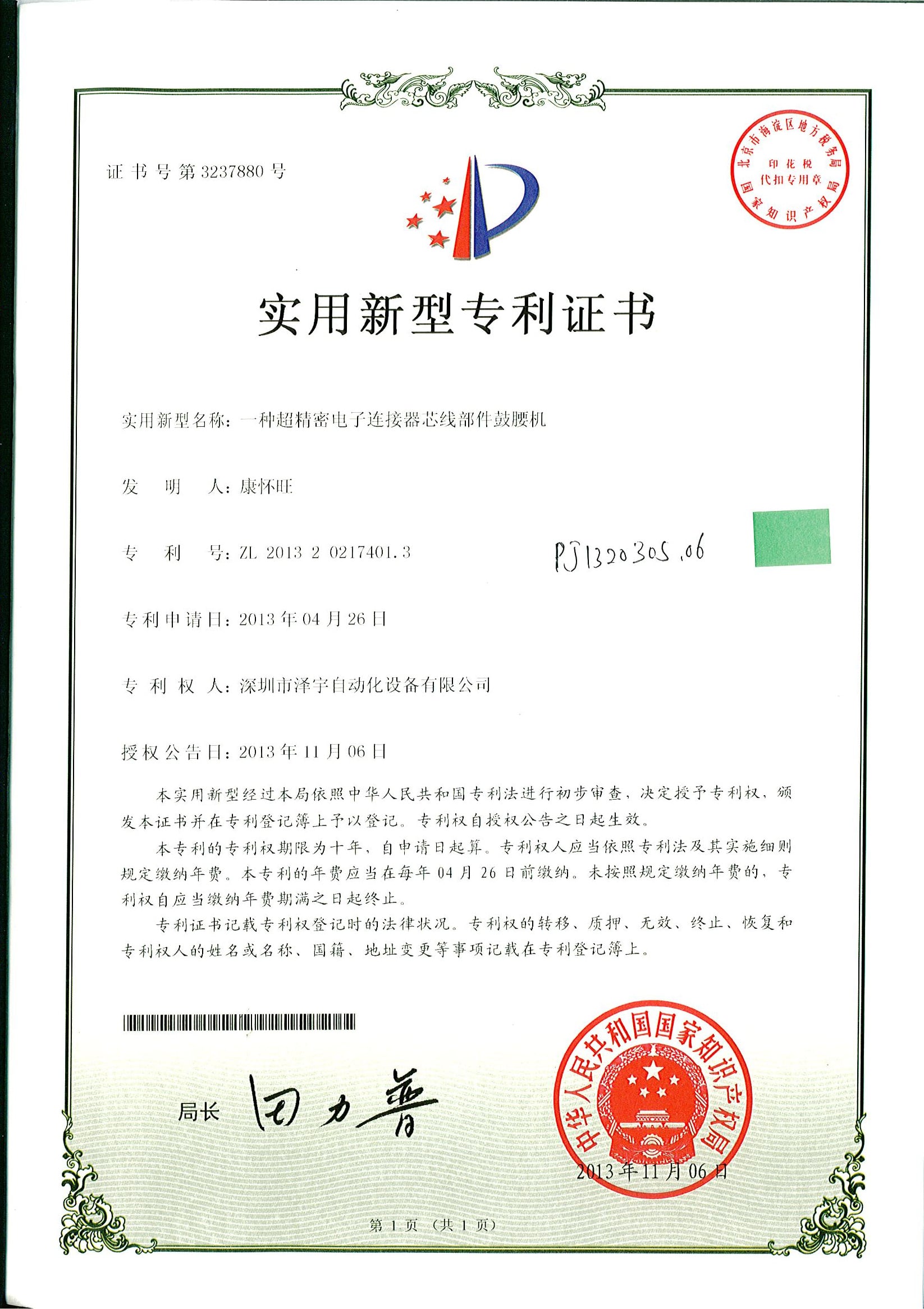
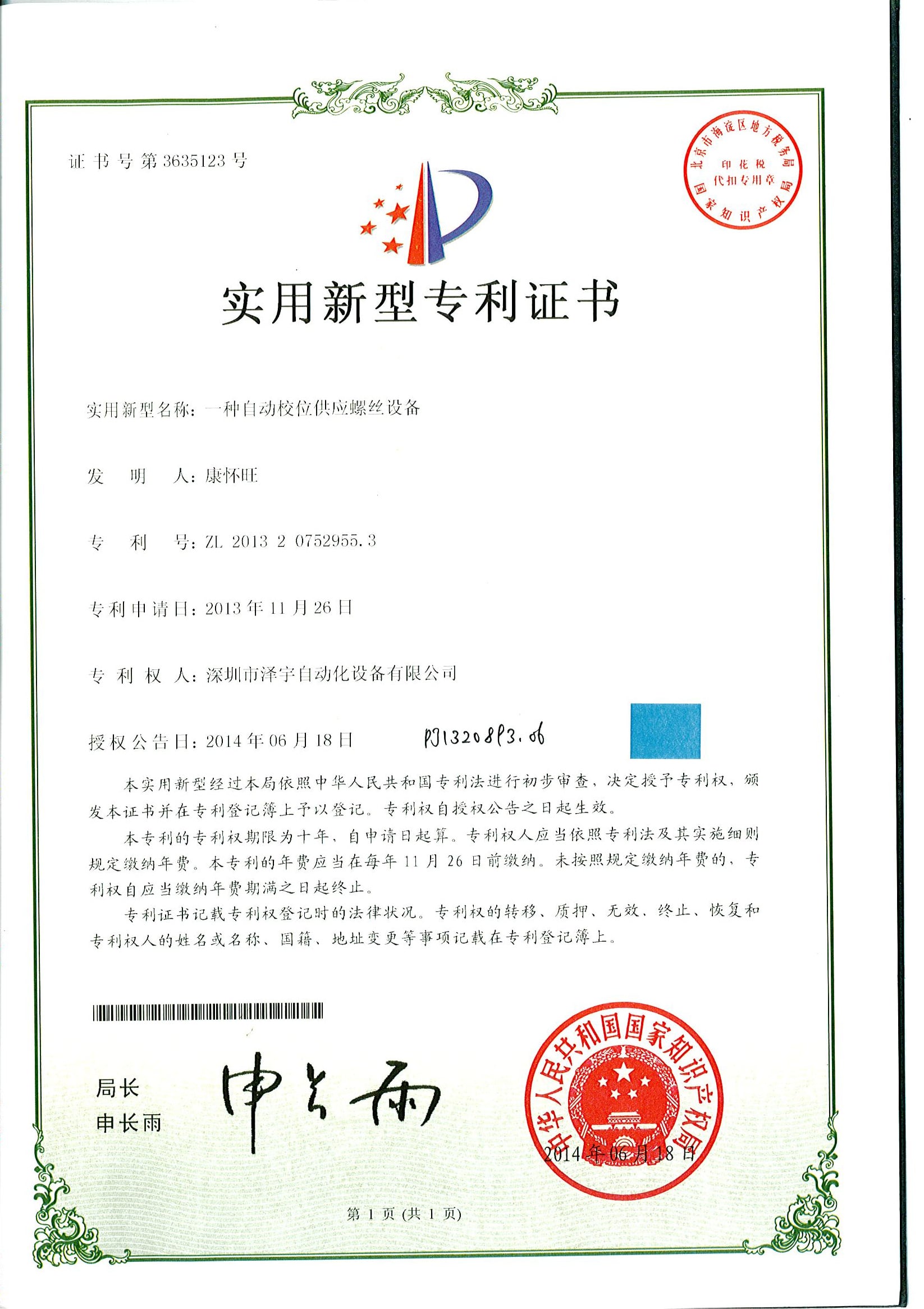
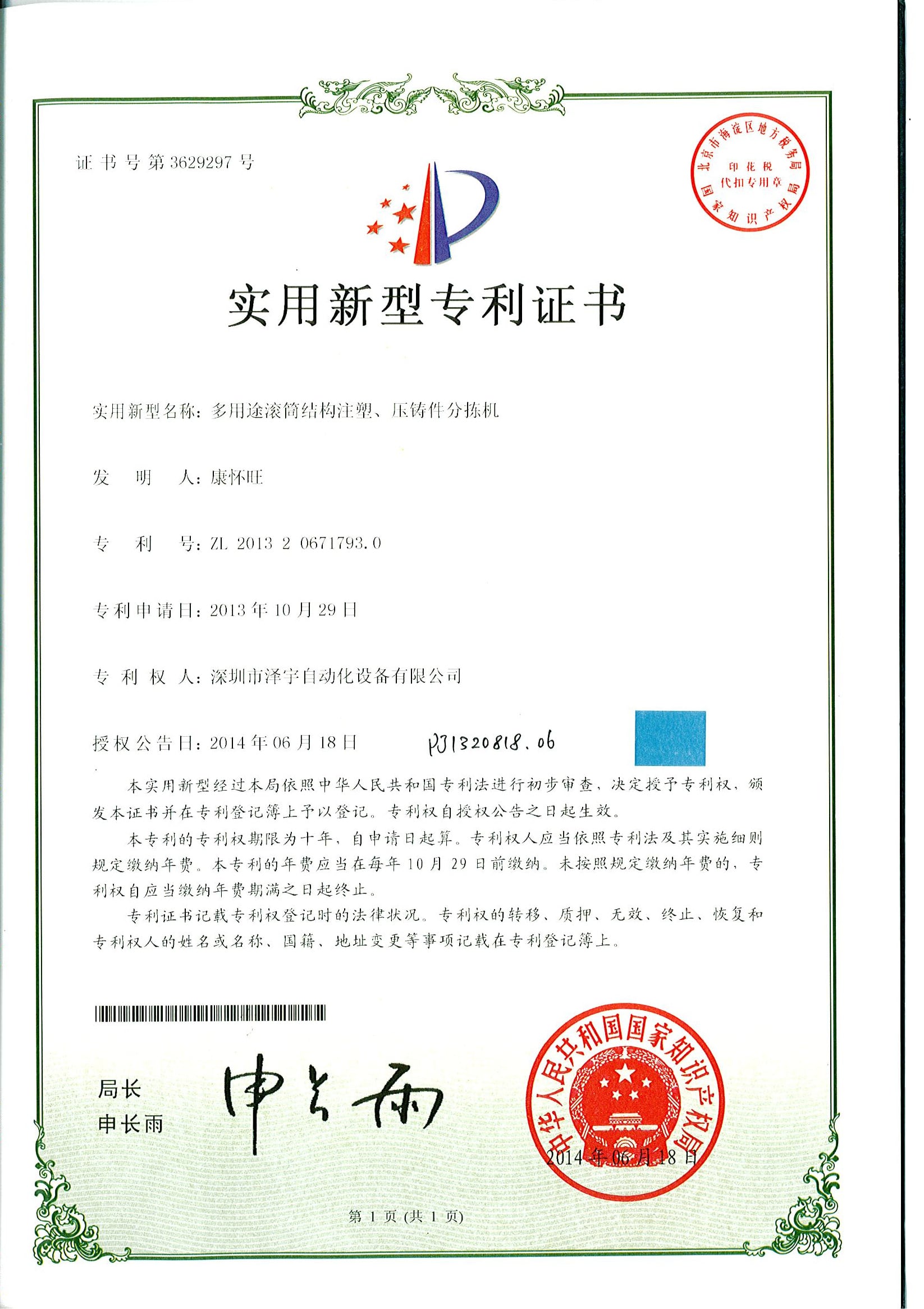
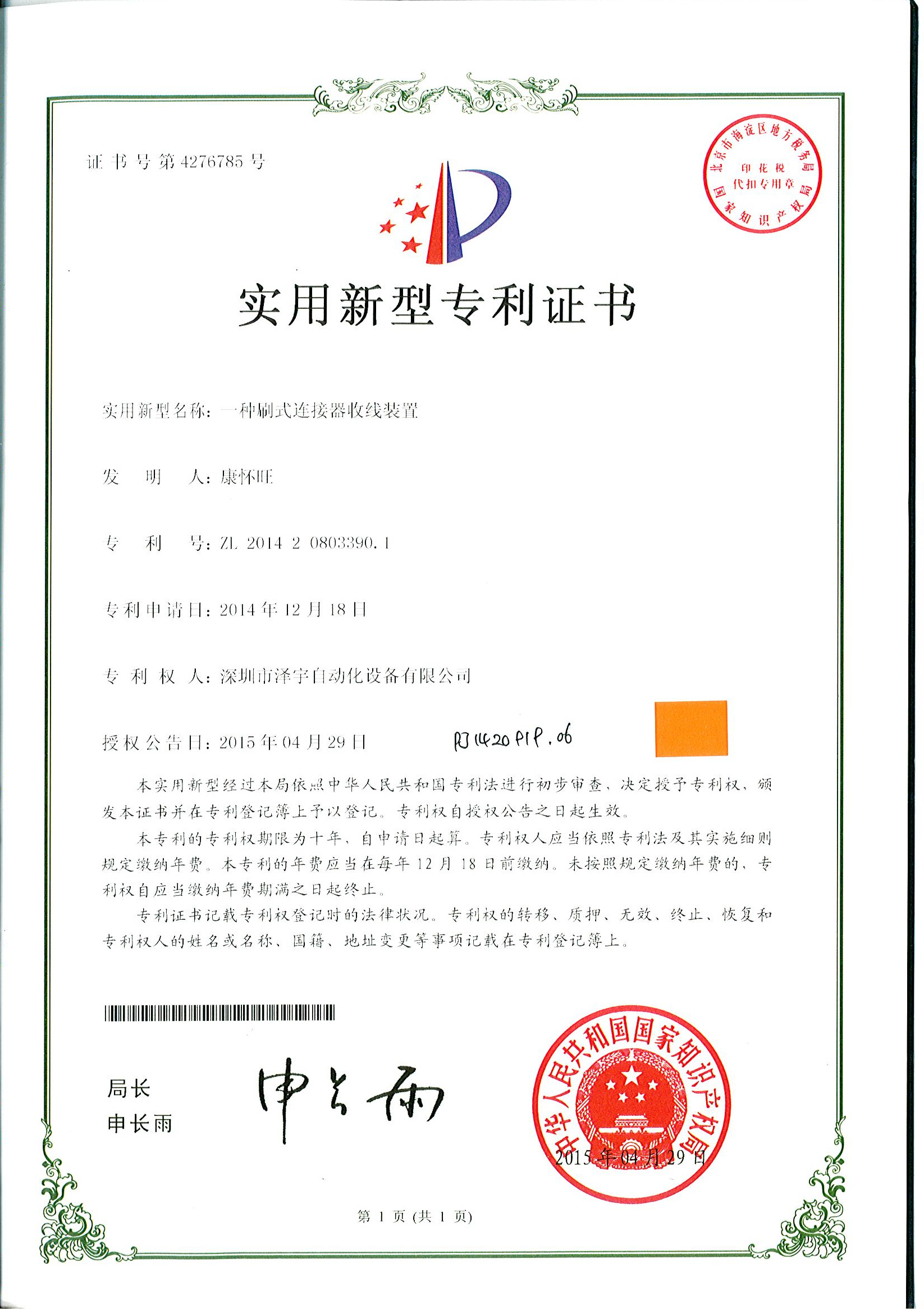
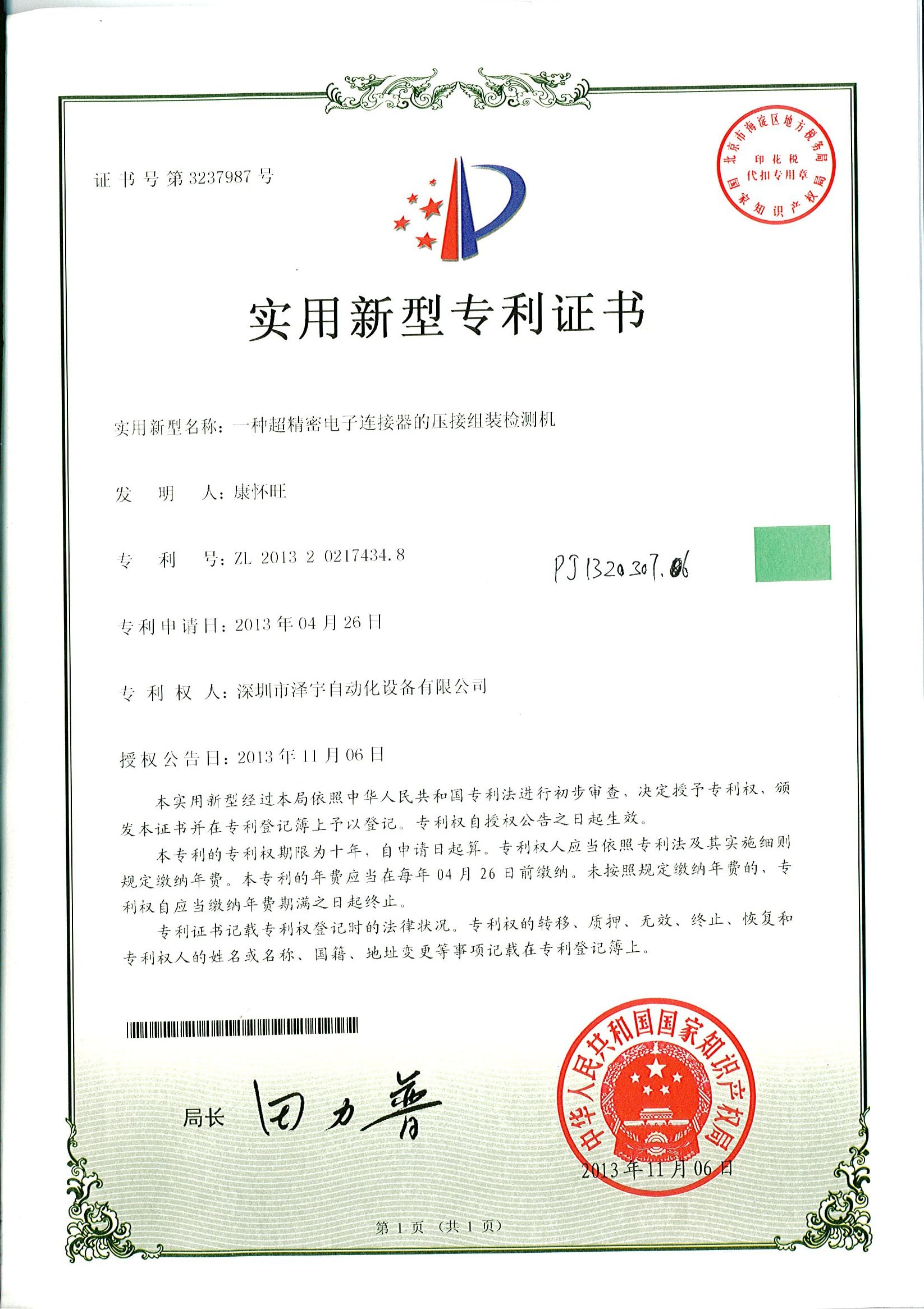
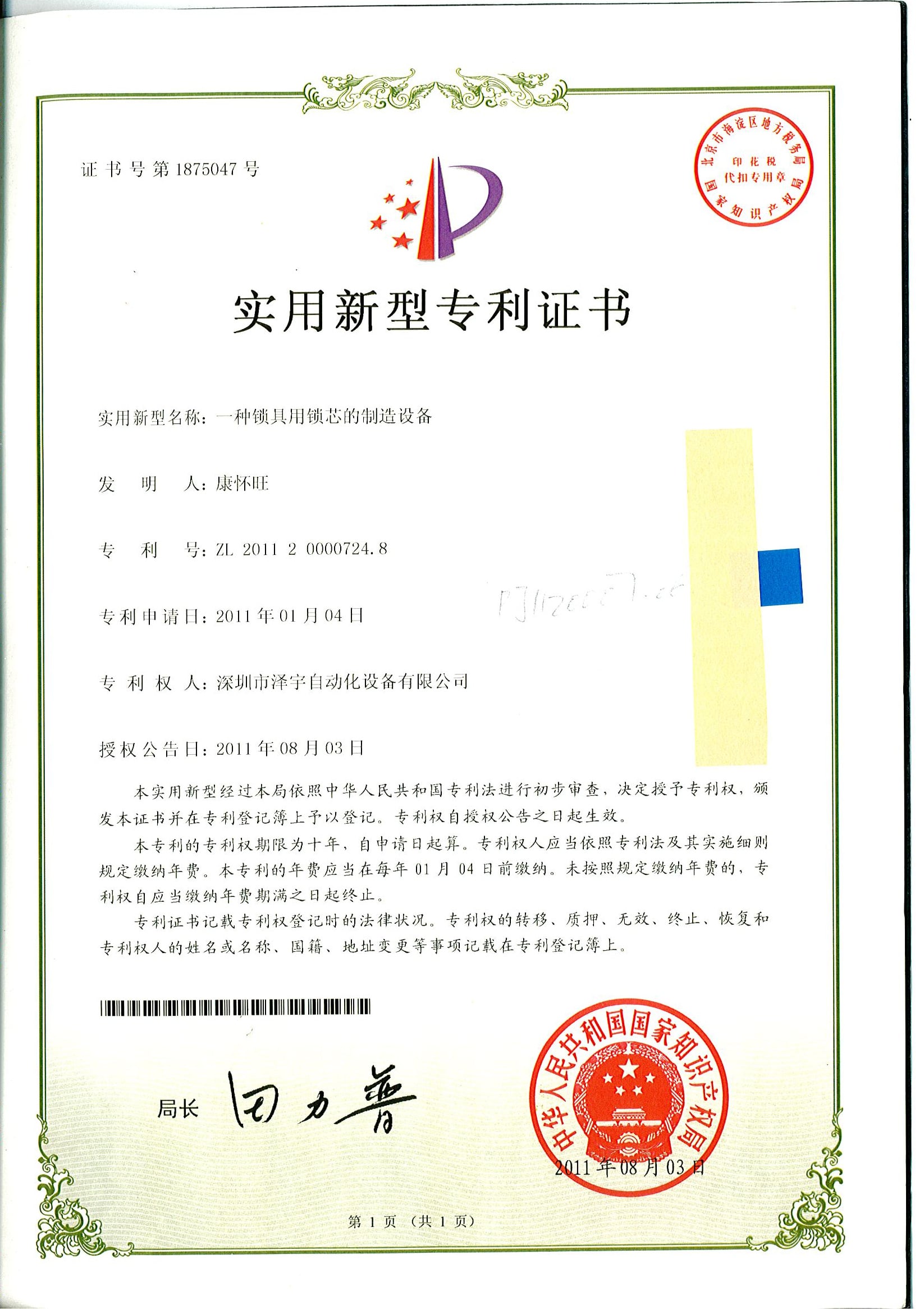
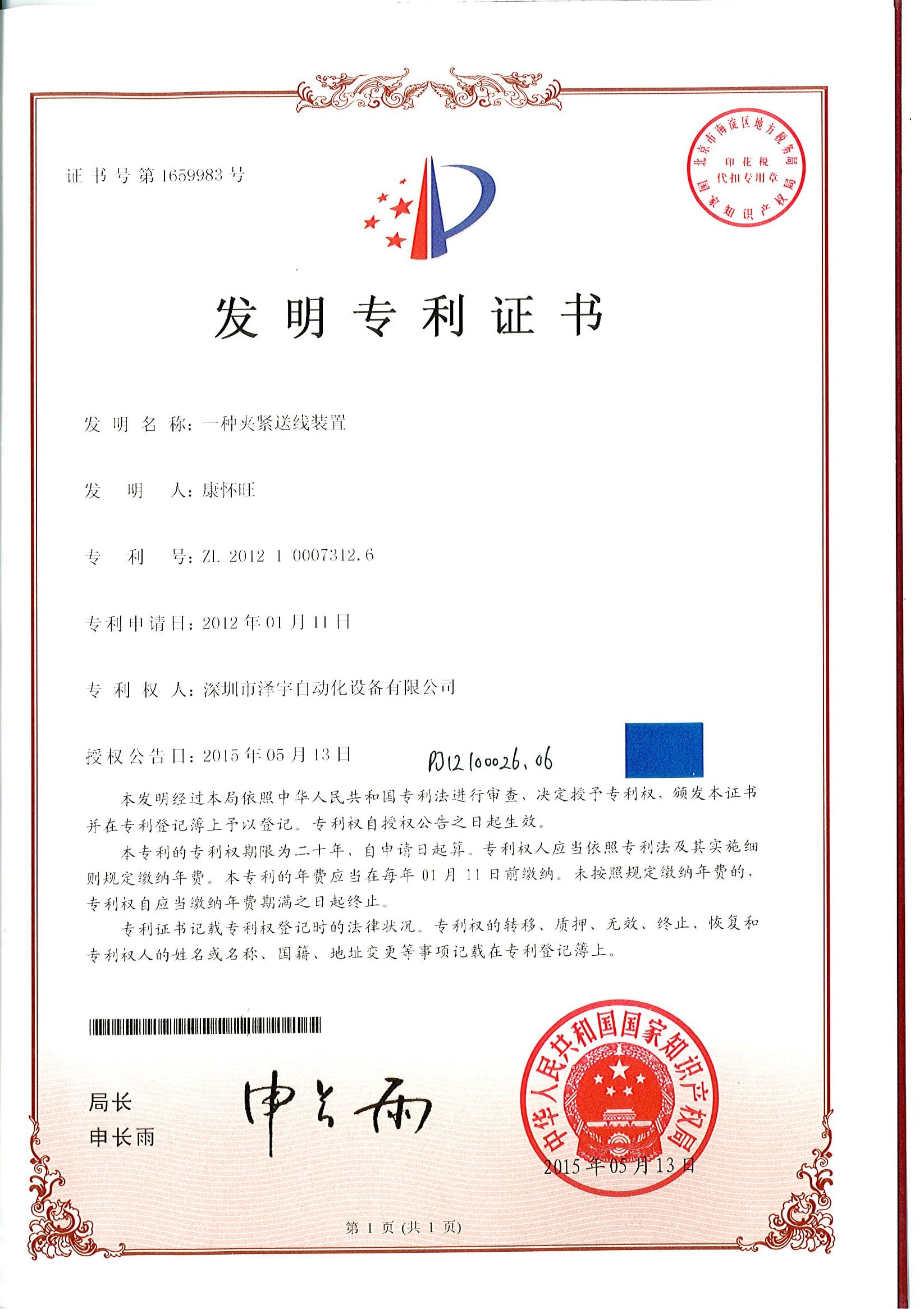
The fastest way an overseas supplier loses a deal is failing to produce a certificate when an auditor asks. ZEUEE operates under a documented quality system and holds the qualifications below — verifiable, not decorative (ISO 9001:2015).
ISO 9001:2015
Quality management system
High-Tech
National Enterprise (PRC)
SRDI
“Little Giant” qualification
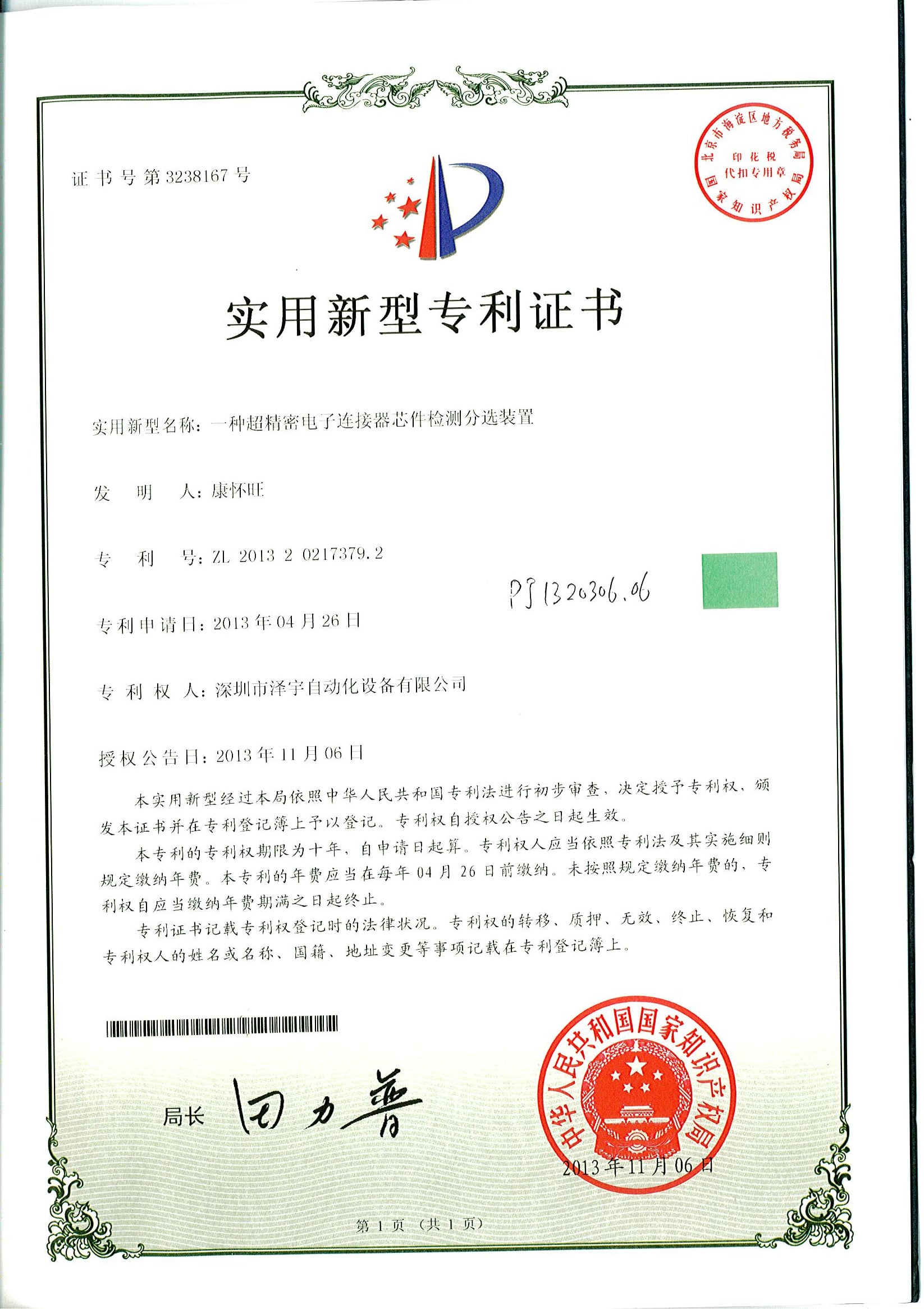
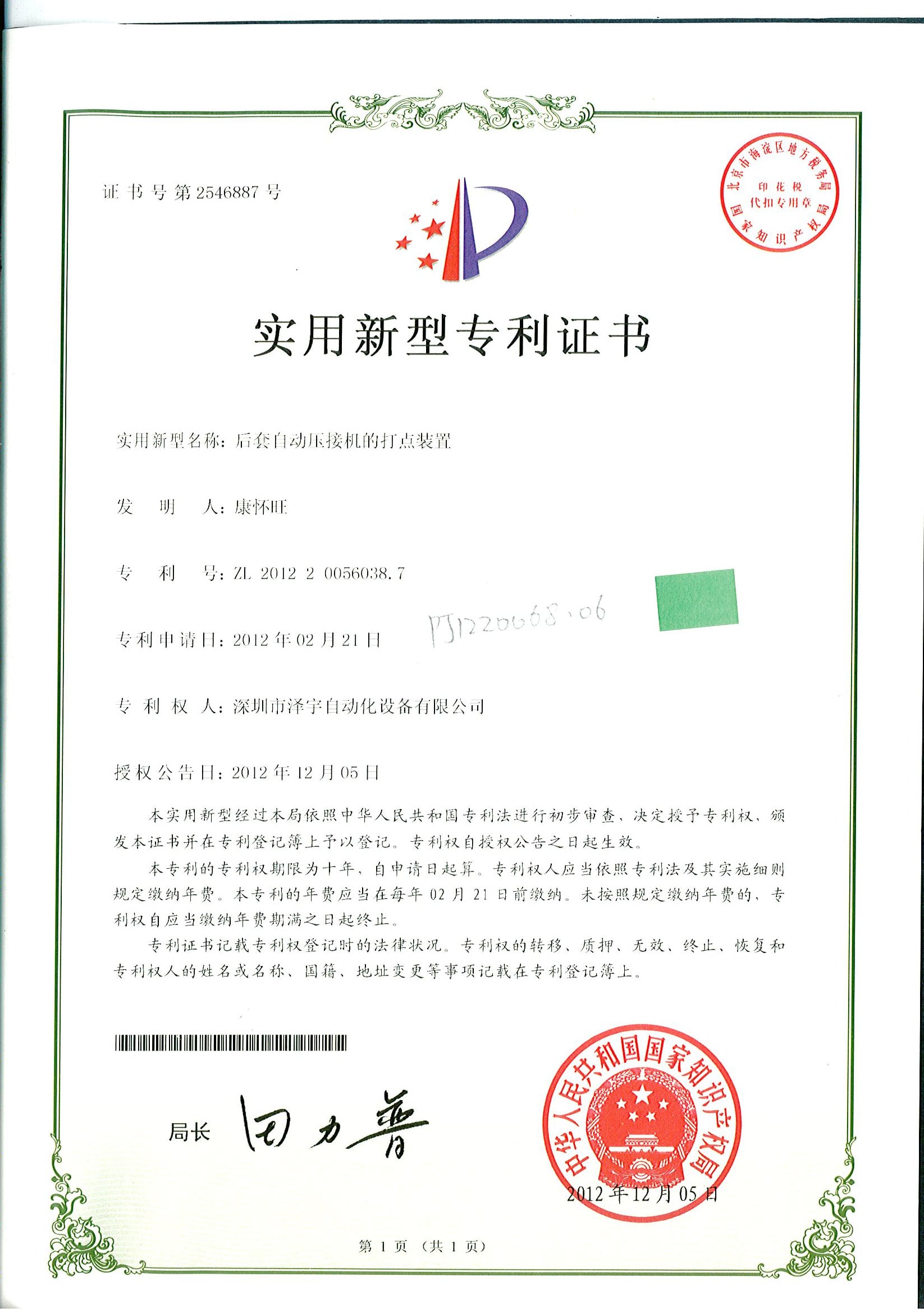
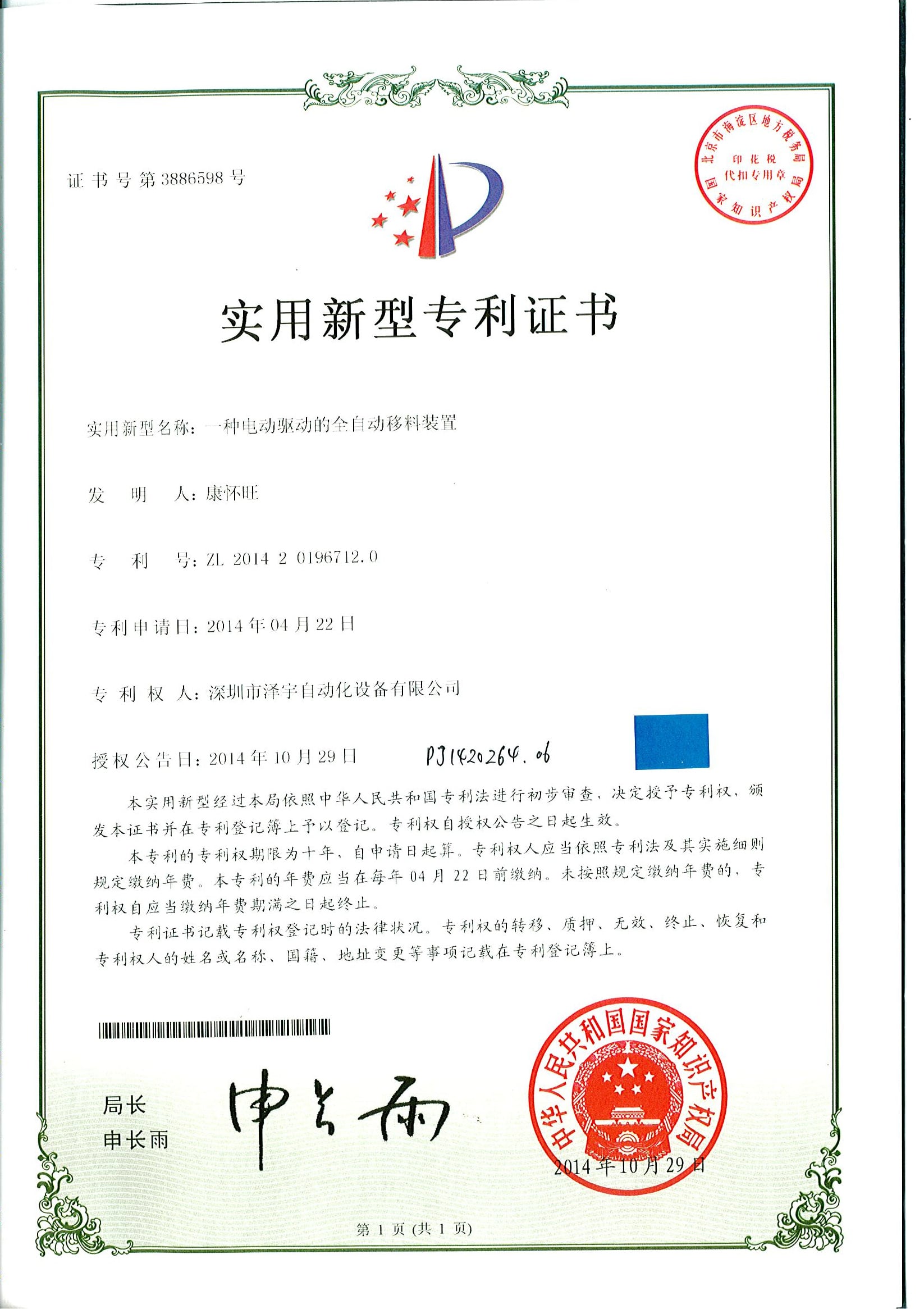
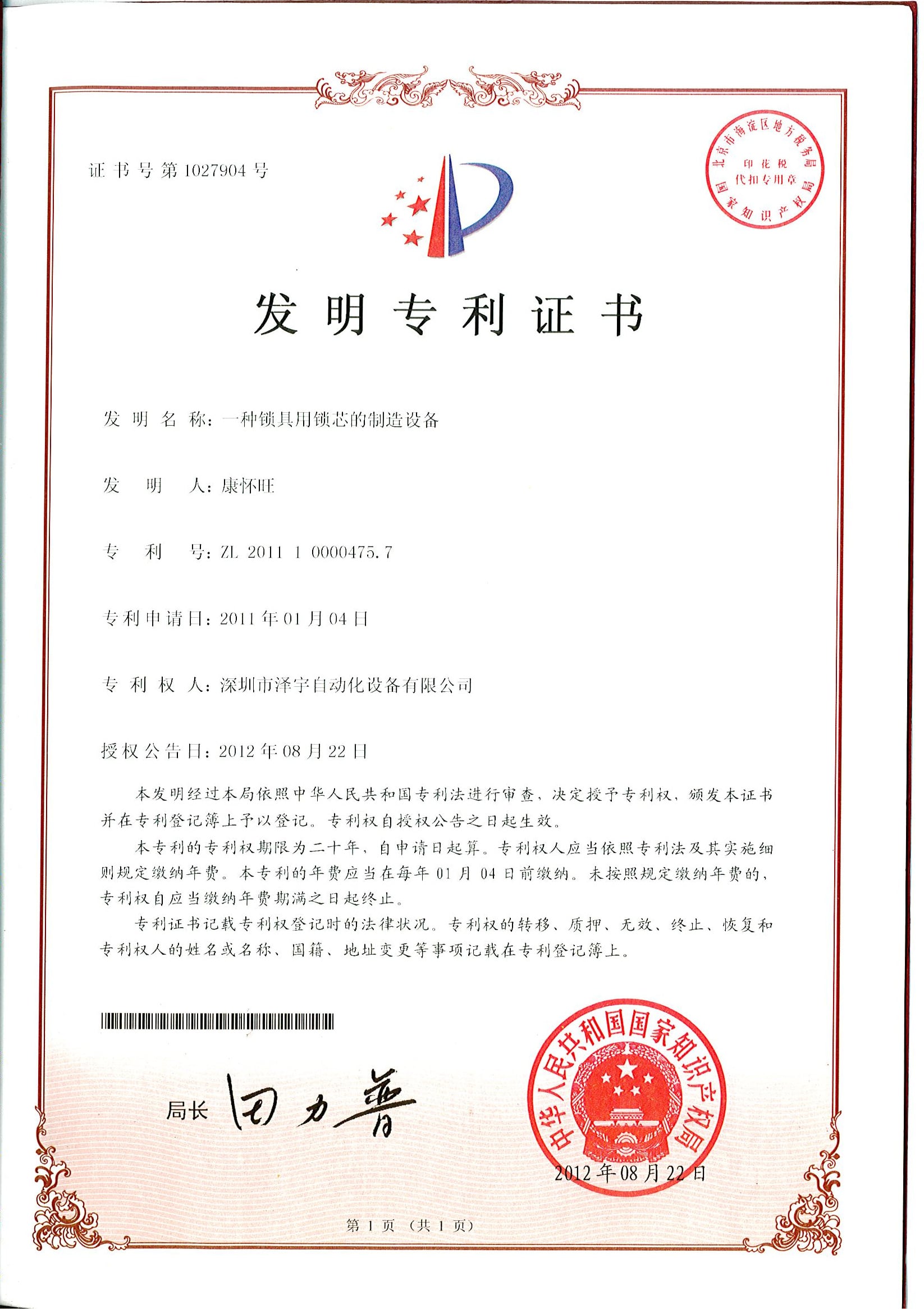
150+ Patents
32 invention + 68 utility
Patent Demo
Demonstration enterprise
Beyond our own certification, our equipment is built to support your compliance: AS9100-grade traceability for aerospace lines, ISO 13485-compatible validation for medical cells, and IEC 61300-3-35 inspection criteria for fiber, with in-line quality control on every line. ZEUEE does not sell a certificate; it sells machines that survive your customer’s audit.
×
![ZEUEE Extended Document Preview]()
Engineering Assessment & Resource Tools
Automation ROI & Payback Estimator
A first-pass estimate for an assembly automation line. Real value also includes quality, throughput, and lights-out shifts — this tool captures only the labor-side floor.
Access Estimator
Industry Capability Finder
Pick your industry and the part you assemble — see the ZEUEE machine family and the governing standard for your sector.
Find Capabilities
RFQ Readiness Checklist
Loose scoping is what turns a fixed quote into a change-order spiral. Tick what you can answer before you send an RFQ — it sharpens your quote and your lead time.
View Checklist
Six core industries: aerospace & defense, automotive, electronics & 3C, medical devices, fiber optics & telecom, plus general hardware. Common thread, precision connector and component assembly with in-line inspection.
Custom is our default, ZEUEE engineers the line around your part, takt target, and inspection method, from a single station to a turnkey factory cell. Standard machine families exist as starting points, not constraints.
Ask for the standard, not the slogan. For aerospace we build to MIL-DTL-38999/26482 and AS9100-grade traceability; for medical, ISO 13485-compatible validation referencing ISO 14644 cleanroom classes; for fiber, IEC 61300-3-35 end-face inspection at 200–400×. A generalist that can name the governing standard for your sector, cite the matching machine family, and show a named client in it has the depth; one that answers with adjectives does not. Each industry page lists the specific machines and standards we run.
Lead time depends on station count and compliance level; we confirm it at the station-definition stage and prove the line with a factory acceptance test before it ships. Support, remote diagnostics, spares, training, is scoped into the project, since we already serve 30+ countries.
Both, a single station often grows into a full line as volumes rise.
Engineering depth. Controls architecture, safety design, inspection coverage, and support structure can swing real cost 2–3× even when two machines look alike on paper. Lowest upfront number, highest total cost of ownership.
WHY WE WRITE THIS
About ZEUEE Engineering Insights
ZEUEE shares technical guides based on real automation project experience. Since 2005, we have designed and manufactured non-standard automation equipment for connector assembly, wire harness production, robotic lines, vision inspection, and smart factory upgrades.
Founded in 2005
20,000 m² production base
120+ specialists
150+ R&D patents
ISO9001:2015 certified
![Automated Screwdriving: Torque & Cycle Time [Guide]](https://zeueeauto.com/wp-content/uploads/2026/10/automated-screwdriving-featured-150x150.png)


