Get in touch with Zeyu lntelligent Industrial Company
Smart Factory Upgrade Solutions: Custom Factory Automation & Turnkey Unmanned-Factory Systems
ZEUEE builds smart factory upgrade solutions that replace manual, labor-bound production lines with custom factory automation, engineered for one workstation today and a fully unmanned, data-connected line tomorrow. Twenty years and more than 10,000 delivered projects sit behind every line we ship.
Request a Custom Automation Quote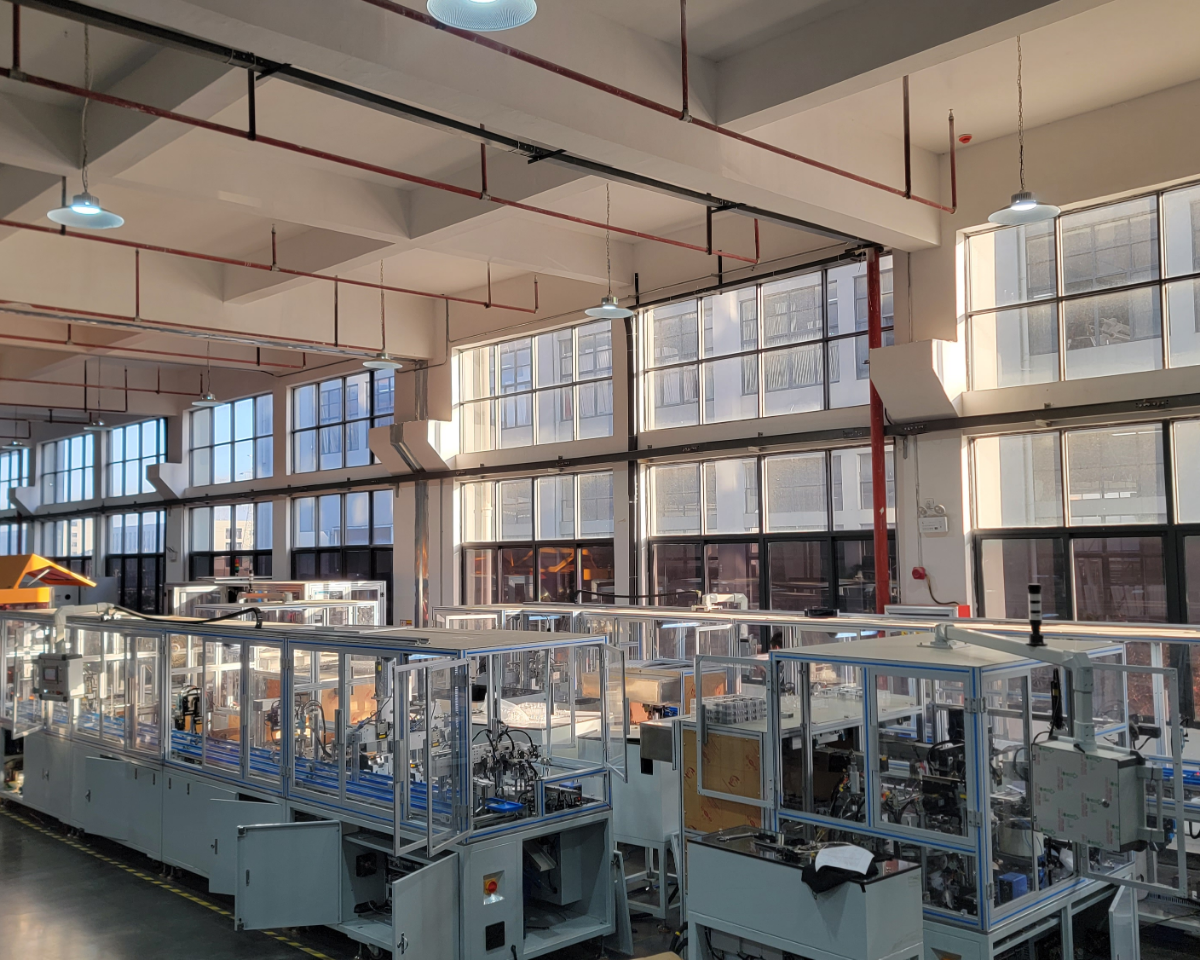
What a ZEUEE Smart-Factory Upgrade Delivers
Proven Track Record
10,000+
delivered automation projects
150+
R&D patents (32 invention, 68 utility)
ISO 9001:2015
certified quality system
30+
countries served
System Specifications
Scope
standalone machines, automated cells, full assembly lines, and turnkey unmanned-factory integrationCore capabilities
custom automation machinery, robotic assembly, machine-vision inspection, material handling, PLC and motion controlEngineering basis
robot cells designed to ISO 10218-2; PLC logic in IEC 61131-3; risk assessment per ISO 12100Industries
3C electronics, auto parts, aerospace electronics, medical devices, new energy, door/window hardwareRepeatability
robotic cells we configure typically hold ±0.02–0.05 mm, depending on payload and reachOutcome focus
direct-labor reduction, defect-rate control, and 24/7 shift coverage with full traceabilityFor: Operations · Engineering · Procurement
Rising Labor Costs and Inconsistent Output? Replace Manual Lines with a Data-Connected Smart-Factory Upgrade
Most plants don’t call ZEUEE because they want robots. They call because a manual line keep missing the same numbers: output that swings shift to shift, scrap that climbs after the first hour, and roles nobody can fill. In the United States alone, manufacturers expect 2.1 million jobs to go unfilled by 2030, at a projected cost near $1 trillion in that year, based on a survey of more than 800 manufacturing leaders by Deloitte and The Manufacturing Institute. That labor gap is the structural reason a smart-factory upgrade has stopped being optional for many industrial buyers.
Smart factories connect machines, people, and production data so the line can run and report on itself. The U.S. National Institute of Standards and Technology (NIST) frames it as the convergence of operating technology and information technology working together in real time, robotics and flexible automation on the floor, sensor data and monitoring above it. Ask any engineer for the three components of a smart factory and you land on the same trio:
- connected equipment
- captured data
- and a control layer that acts on it.
Modern factory automation systems push that data into industrial IoT dashboards, where sensor streams drive predictive maintenance, cut energy consumption per unit, and lift labor productivity.
Here’s the honest version, and it’s also a common assumption worth correcting: automation does not always require high volume, and full autonomy isn’t always the goal. Low-volume, high-mix work can still justify a custom line when a single process step is the bottleneck. A better starting point is rarely “automate everything” — it’s “automate the step that’s bleeding labor and consistency.” To make that judgment concrete for EU buyers and US buyers alike, ZEUEE structures every engagement around a Smart-Factory Readiness Scorecard that scores a line on labor intensity, defect cost, changeover frequency, and data visibility before a single fixture is designed.
System Diagnosis
Not sure where your line sits? Get a free Smart-Factory Readiness Score — a specific, engineering-led read on your highest-payback step.
Get Your Free Score
For: Engineering (primary) · Procurement (RFQ fit)
The ZEUEE Smart-Factory Solution Stack: From Standalone Machines to Whole-Factory Unmanned Integration
Buyers rarely jump from a manual bench to a dark factory in one step, and they shouldn’t. To stage the work, ZEUEE engineers the upgrade as a 5-Layer Smart-Factory Upgrade Stackeach layer is a working production asset on its own, and each one set up the next. At every layer the trade-off is explicit: more automation removes more labor but adds integration and capital, so the line you build should match the production profile you actually run.
5-Layer Smart-Factory Upgrade Stack — what each layer automates and where it fits
| Layer | What gets automated | Typical direct-labor impact | Data & visibility | Best-fit production profile |
|---|---|---|---|---|
| 1.Standalone automated machine | One high-labor step (insert, fasten, dispense, test) | −15% to −30% on that step | Machine-level counters | Single bottleneck, mixed line |
| 2.Robotic cell | A cluster of steps with a robot + vision | −30% to −50% on the cell | Cell OEE, reject logging | Repeating sub-assembly |
| 3.Connected assembly line | End-to-end build with material handling | −50% to −70% on the line | Line dashboard, traceability | Stable, medium-to-high volume |
| 4.Data / MES layer | Scheduling, quality, and machine data unified | Indirect: fewer audits, faster ramp | Plant-wide, real-time | Multi-line plant, audit pressure |
| 5.Unmanned (lights-out) line | Continuous run with exception-only staffing | −70%+ where the process is stable | Closed-loop, remote alarms | Low-variability, high-volume only |
Architecture & Engineering Basis
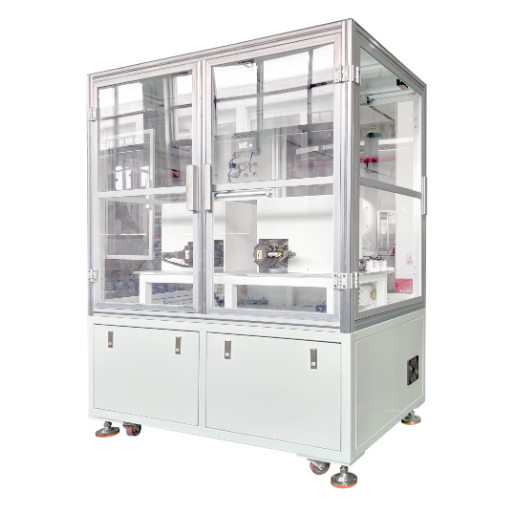
Each layer pulls from the same toolbox: custom automation machinery, robotic assembly, machine-vision inspection, material handling, and PLC and motion control programmed in IEC 61131-3 languages. Unlike catalog automation equipment manufacturers, ZEUEE delivers these factory automation solutions as one turnkey automation solution, matched to your manufacturing processes rather than a fixed product line. ZEUEE designs robot cells to the integration safety requirements of ISO 10218-2:2025, and the same machine-vision and automated-assembly patterns now appear in current patent filings from Samsung Display and Ford (US20250022120A1, US20260097722A1) — evidence that the architecture is where serious manufacturers are investing, not a niche idea.
Implementation Limits & Caveats
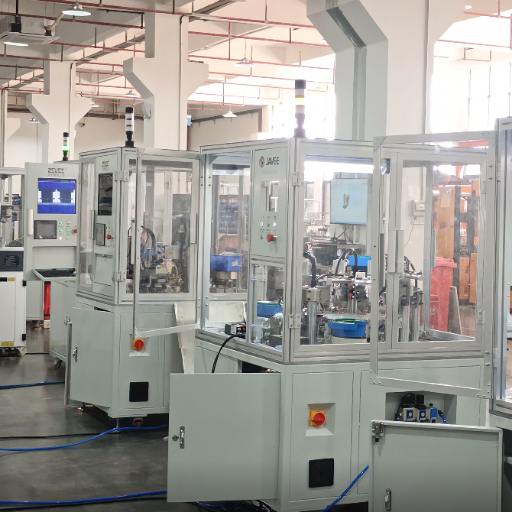
One caveat on the top layer, because the catalog photos oversell it. We won’t claim that every plant should aim for lights-out. Industry practitioners are blunt about this: removing the last 30% of human operators is the expensive part, and pushing a line unattended too early can cost more than the labor it replaces. In discrete manufacturing, humans still perform an estimated 72% of tasks. So ZEUEE builds toward unmanned operation only where variability is genuinely low, and keeps a modular path for everything else. A handling station rated for parts from a few grams up to roughly 50 ton and a cell holding ±0.05 mm under a 40 °C ambient are real engineering targets; “fully autonomous, any product” usually isn’t.
For: Engineering + Operations · Procurement (cost)
Custom vs Standard Automation: When a Non-Standard Build Actually Pays Off
Custom vs Standard
One of the sharpest questions a buyer can ask is also the one most vendors dodge: when should I choose custom automation machinery instead of standard equipment? The honest version is that standard, off-the-shelf cells win when the part is consistent and the volume is high, they’re cheaper, faster to deploy, and lower risk. Custom wins on a narrower but real set of conditions: a non-standard process, precision beyond a stock robot, unusual geometry, tight floor space, or deep integration with existing equipment and MES. ZEUEE engineers a custom line only when one of those conditions is doing real work; otherwise the trade-off isn’t worth it, and we’ll say so.
The Hidden 75% Cost
A deeper problem is cost, and it’s where buyers get hurt. Purchase price is only about 15% to 25% of an automation system’s lifetime cost; the remaining 75%-plus is integration, spares, training, downtime, and rework. That’s the structural reason the cheapest bid is rarely the best value, a counter-intuitive truth that the cheapest proposal can quietly become the most expensive project once delays and redesigns land. To make that visible, ZEUEE quantifies that risk up front with the Manual-Line vs Unmanned-Line Cost-of-Ownership Snapshot below, so the comparison happens before the purchase order, not after.
Manual-Line vs Unmanned-Line Cost-of-Ownership Snapshot (qualified, industry-referenced ranges)
| Cost / performance driver | Manual line | Semi-automated cell | ZEUEE smart-factory line |
|---|---|---|---|
| Output consistency (shift to shift) | ±15% to ±25% variation | ±5% to ±10% | under ±3% |
| Direct labor on the step | baseline | −30% to −50% | −60% to −80% |
| Defect / scrap rate | operator-dependent | reduced | error-proofed at source |
| Inspection coverage | sample, ~60% to 80% catch | inline vision, 97% to 99%+ | 100% inline, logged |
| Inspector accuracy over a shift | drops 25% to 40% after hour 1 | stable | stable, 24/7 |
| Shift coverage | 1 to 2 staffed shifts | 2 to 3 shifts | continuous, exception-only |
| Traceability per unit | manual / none | partial | full digital record |
| Changeover effort | high, manual setup | recipe-assisted | recipe-driven, fast |
| Spare-parts carrying cost | low | moderate | planned at design, +15% to 25% on parts |
| Floor footprint per unit output | baseline | tighter | tightest (vertical + buffered) |
Read the table as a decision aid for industrial buyers, not a sales sheet, the numbers are industry-referenced ranges, verified against robot-performance test methods such as ISO 9283 rather than invented. What sets us apart is that ZEUEE shows you the 75% you cannot see on a quote, then engineers around it. EU buyers and US buyers who run this snapshot during a customer audit consistently re-rank their options on total delivered cost, not unit price.
See it for your part:
Request a custom Cost-of-Ownership estimate
For: Operations (primary) · Engineering (validation)
Proven on the Floor: Automation Outcomes Across 9 Industries
Automation doesn’t transfer cleanly from one industry to the next, which is exactly why a track record in your industry outranks a low price. A cell tuned for automotive fastening will fail a medical-device cleanroom; a toy line can’t meet aerospace traceability. ZEUEE has delivered into all of these, and the patterns below come from real production families, not a template. The 9-Industry Automation Fit Index maps where the labor is, what we automate, and what outcome each industry actually buy.
9-Industry Automation Fit Index — by industry, bottleneck, ZEUEE approach, and outcome
| No. | Industry | Typical manual bottleneck | ZEUEE automation approach | Primary equipment type | Outcome focus |
|---|---|---|---|---|---|
| 1 | Door & window hardware | Repetitive fastening, finishing | Robotic assembly cells | Custom assembly machinery | Labor −60%, consistent torque |
| 2 | 3C electronics | High-speed small-part placement | Vision-guided robotic cells | Machine-vision + handling | Defect detection 97%+ |
| 3 | Aerospace electronics | Traceable, low-tolerance build | Logged automated assembly | Servo assembly + inspection | Full per-unit traceability |
| 4 | Precision electronics / electrical | Fine-pitch handling, test | Automated test + handling | Test cells + conveyors | ±0.02 mm placement |
| 5 | Auto parts | Heavy, high-volume sub-assembly | Connected assembly line | Robotic + material handling | 24/7 throughput |
| 6 | Medical devices | Cleanroom, zero-defect QA | Inline 100% vision inspection | Vision inspection cells | 100% inspection coverage |
| 7 | Warehousing & logistics | Manual pick / move | AGV + conveyor automation | Material-handling systems | Order accuracy to 99.9% |
| 8 | Toys | High-mix, fast changeover | Recipe-driven flexible cells | Modular assembly machinery | Fast changeover, low scrap |
| 9 | New energy | Battery / module handling | Precision handling + test | Custom handling + vision | Safe, repeatable handling |
The trust questions behind this table are the ones offshore buyers always raise, and they’re fair. One good production run is no guarantee the next one matches, so serious buyers want a quality rep and factory photos before the final call. ZEUEE answers it the way our long-term customers, AVIC, TE, Sumitomo, Foxconn, LEGO, and SONY among them, expect: documented factory acceptance testing before shipment, English documentation, and per-unit records. The same automated inspection and material-handling methods are now patented by leaders such as Boeing and Samsung (US20260002894A1, US20240375269A1); ZEUEE engineers to the same standard of evidence for industrial buyers in the EU and US.
Engineering, Patents & Quality Systems Behind Every ZEUEE Line
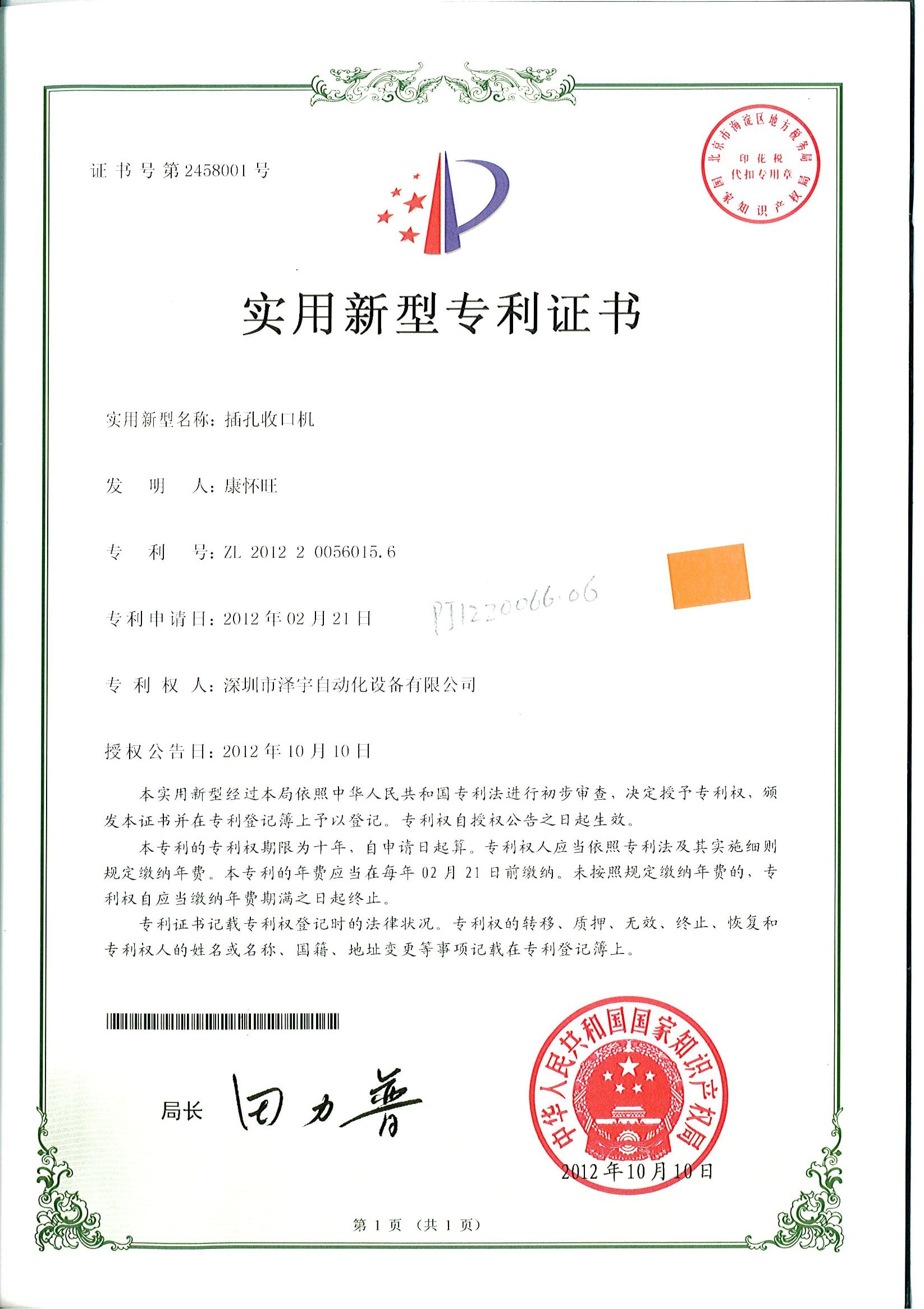
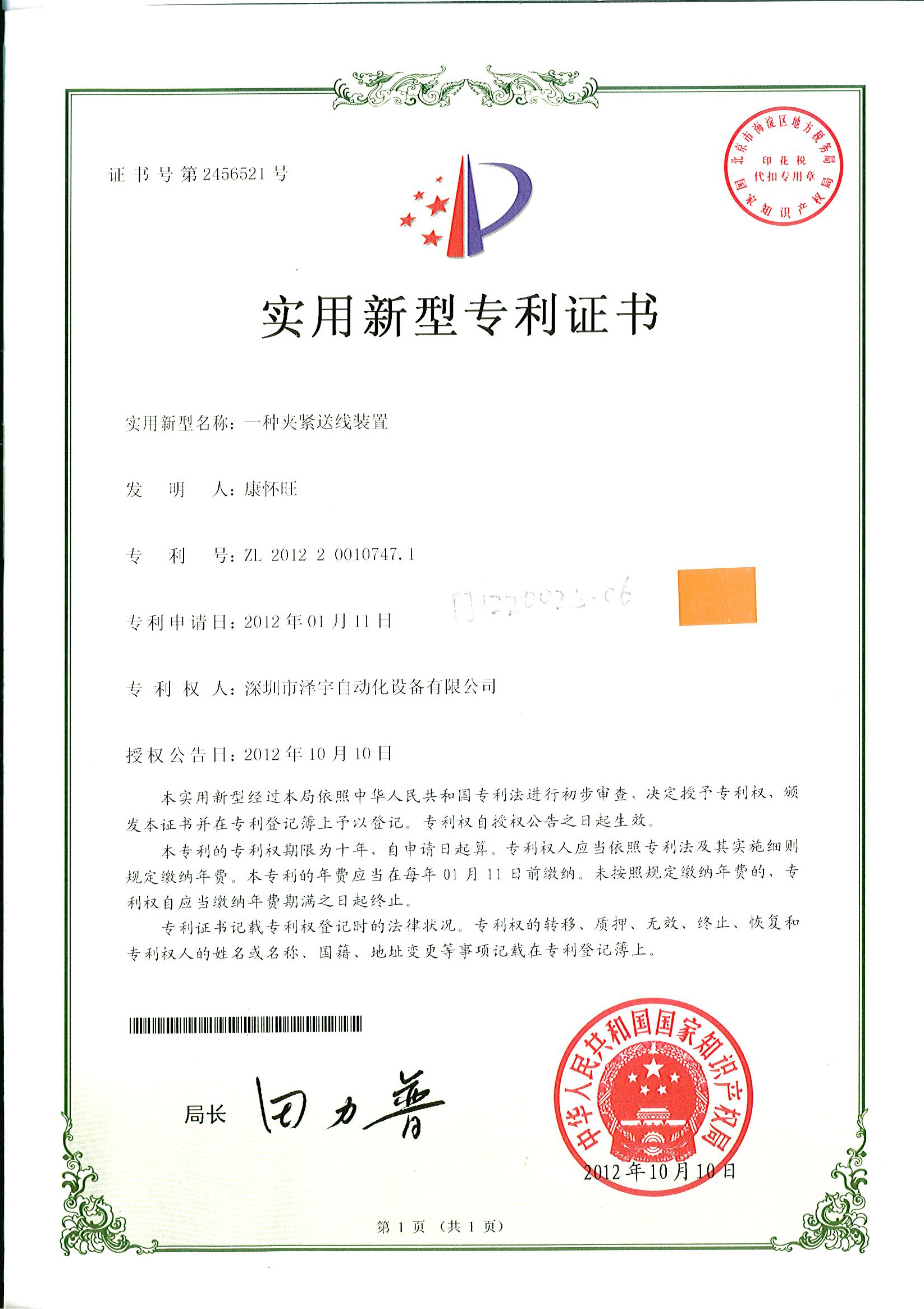
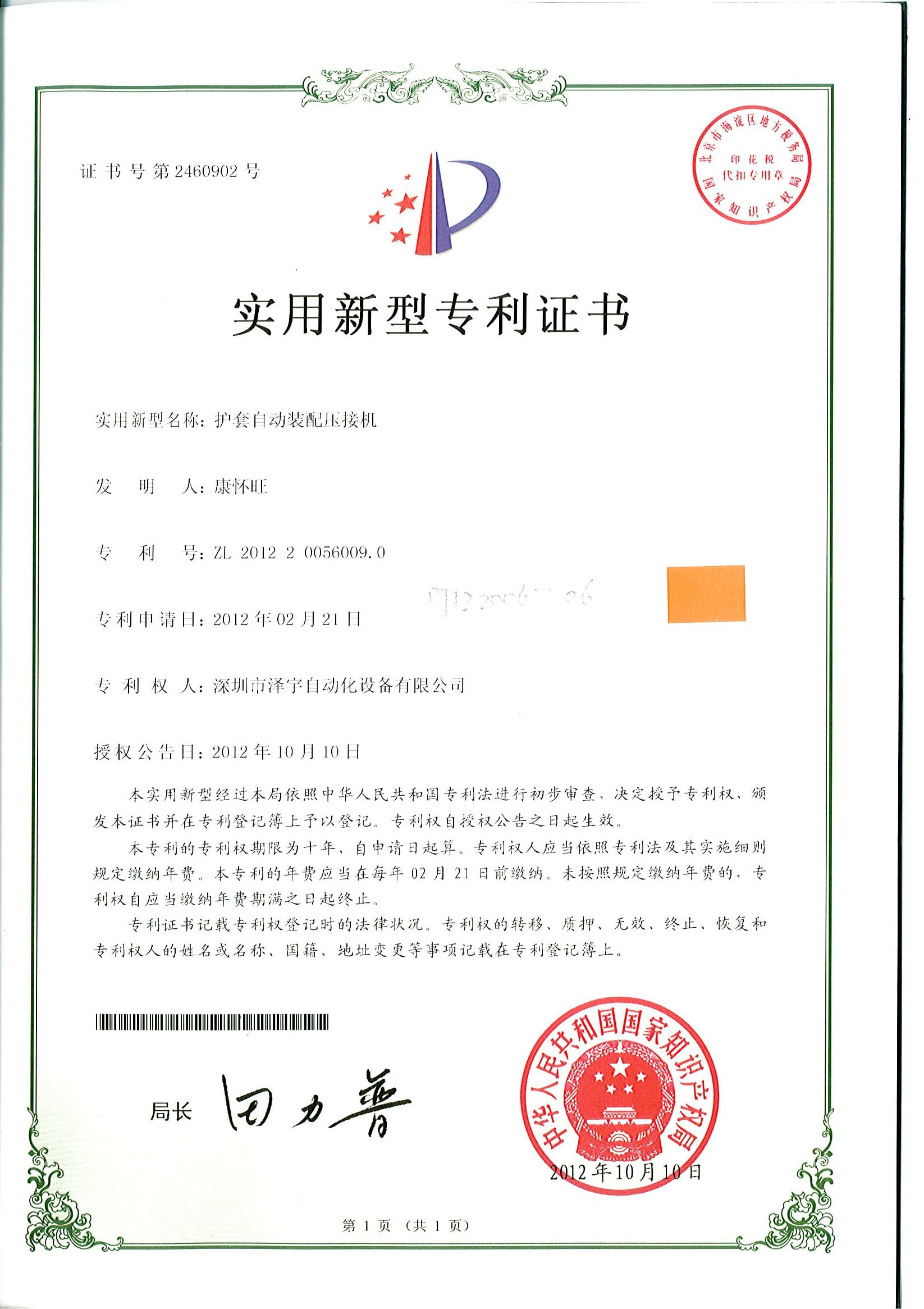
Procurement teams have learned to distrust unnamed credentials, and with reason. Over 30% of first-time buyers of overseas equipment report missing technical documentation, certifications, or test reports, the quiet failure that turns a cheap quote into a stalled project. Buyers get burned for a structural reason: “ISO certified” on a brochure is unverifiable, while a named, dated certificate is not. So ZEUEE names them.
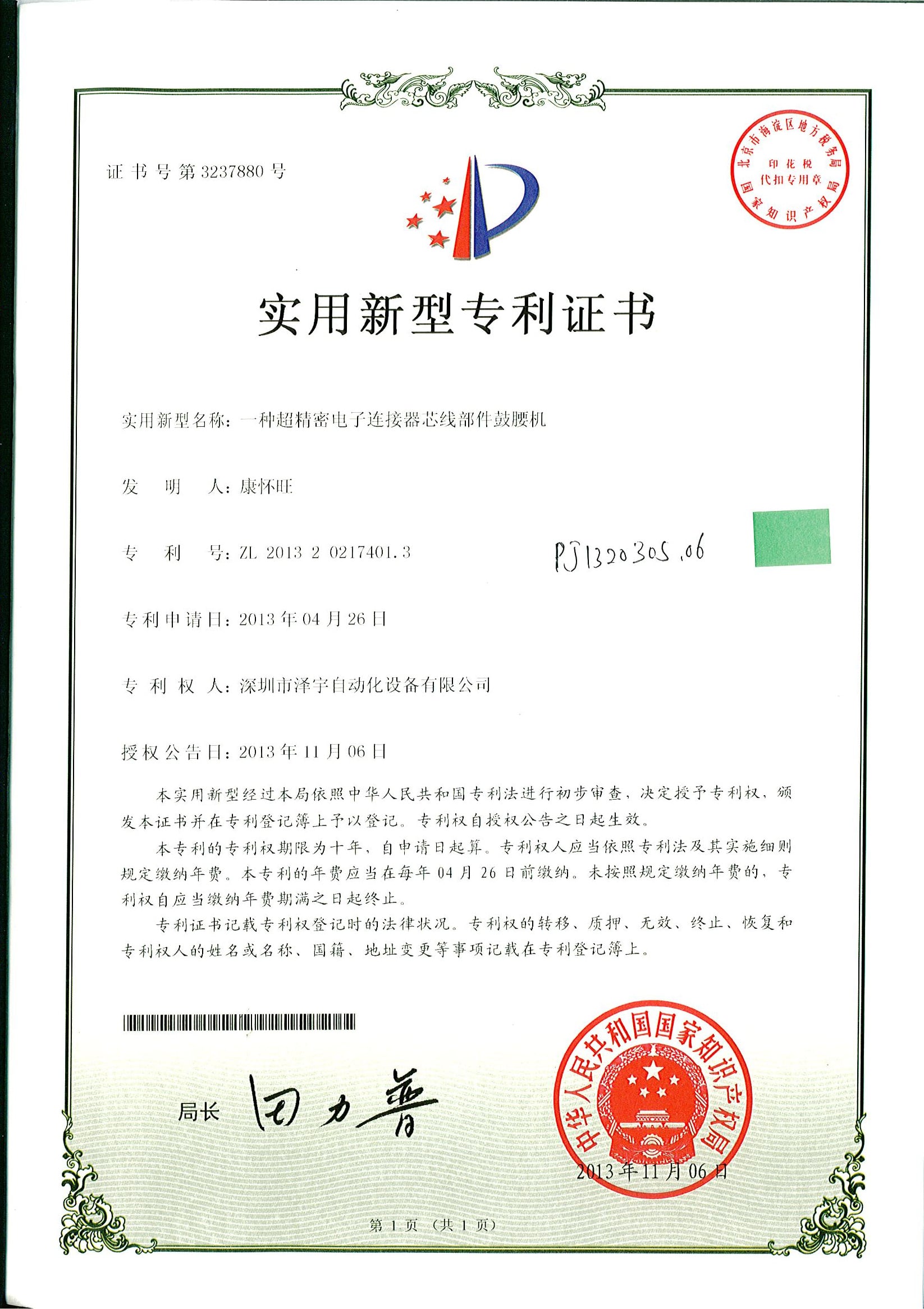
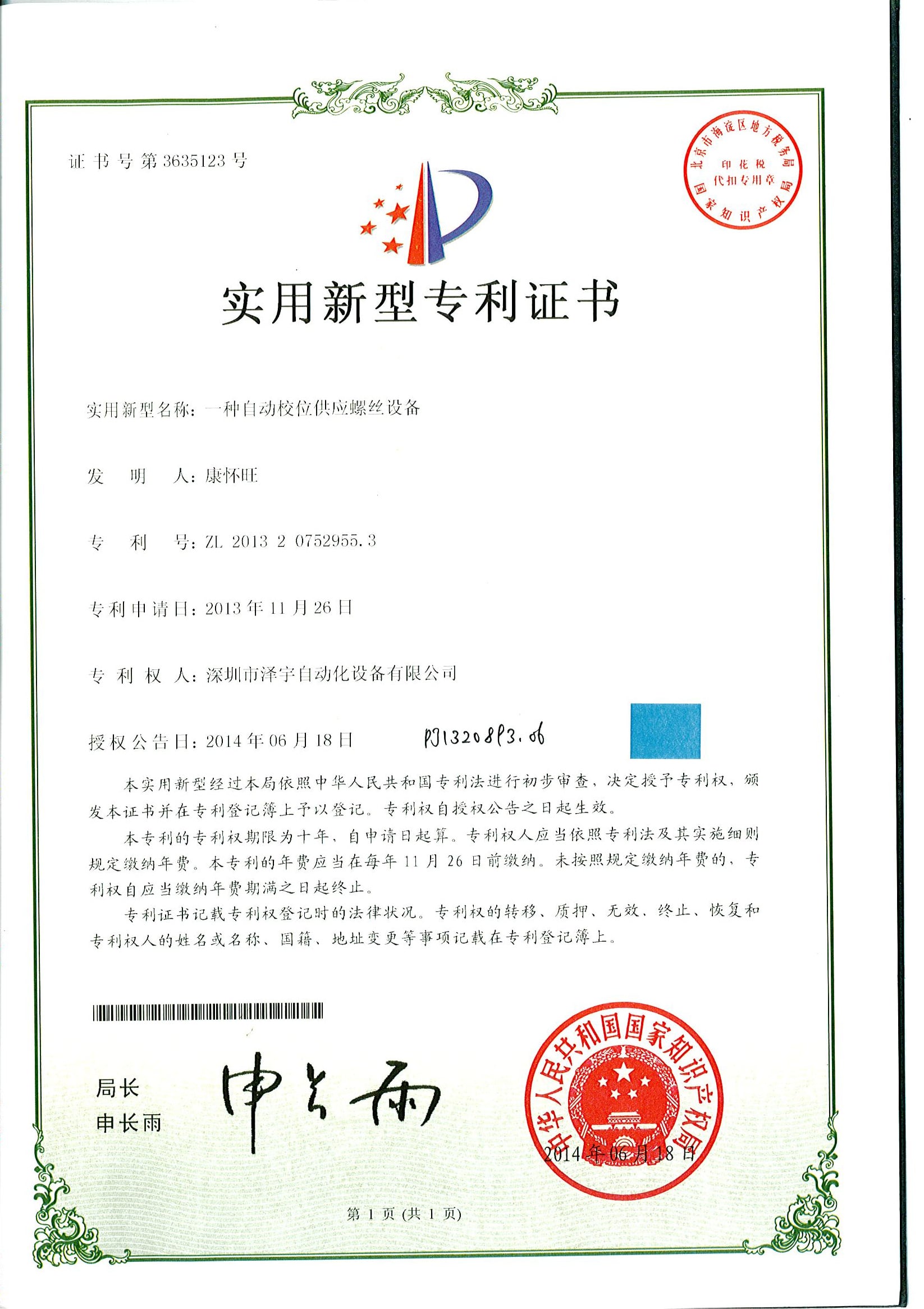
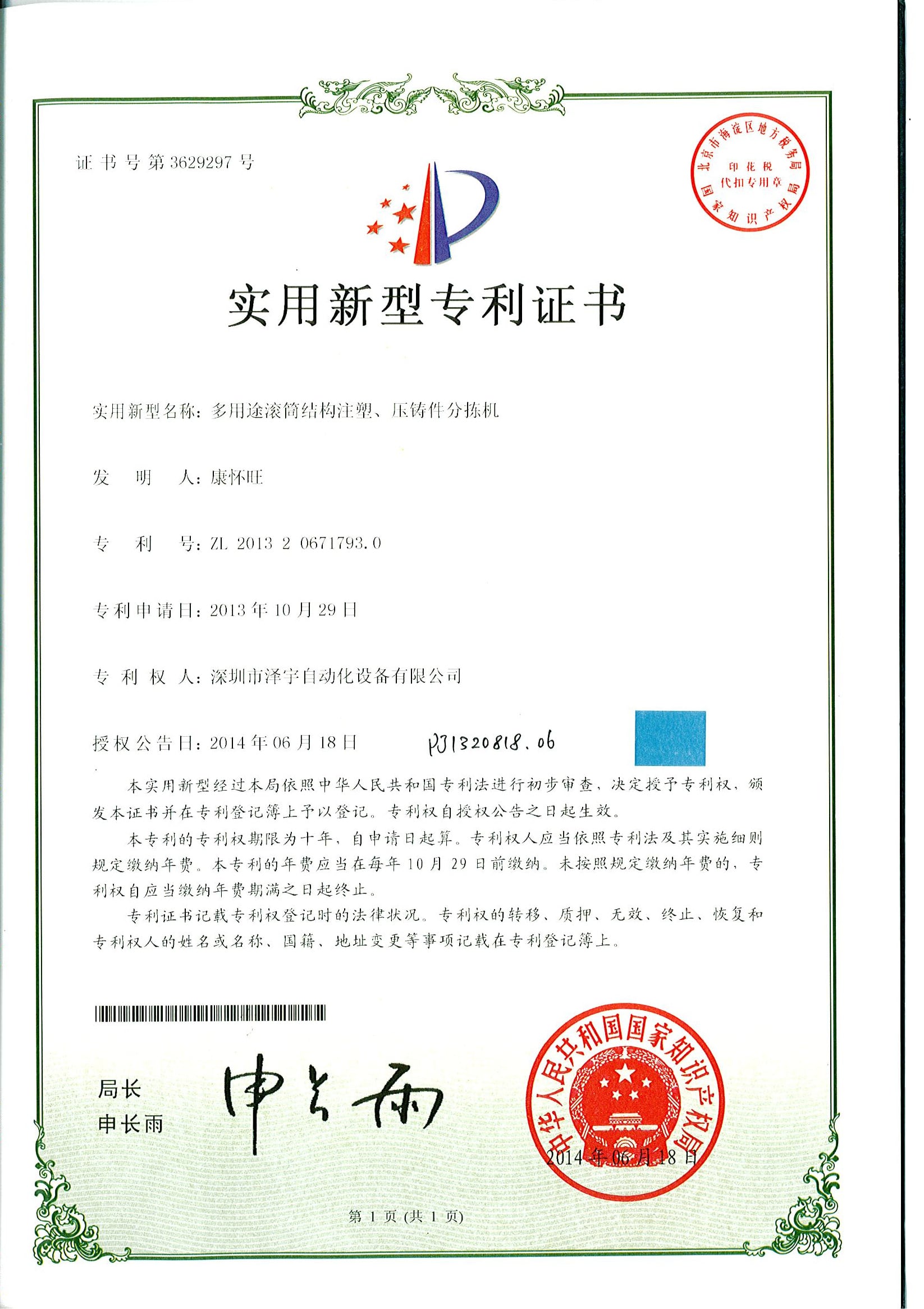
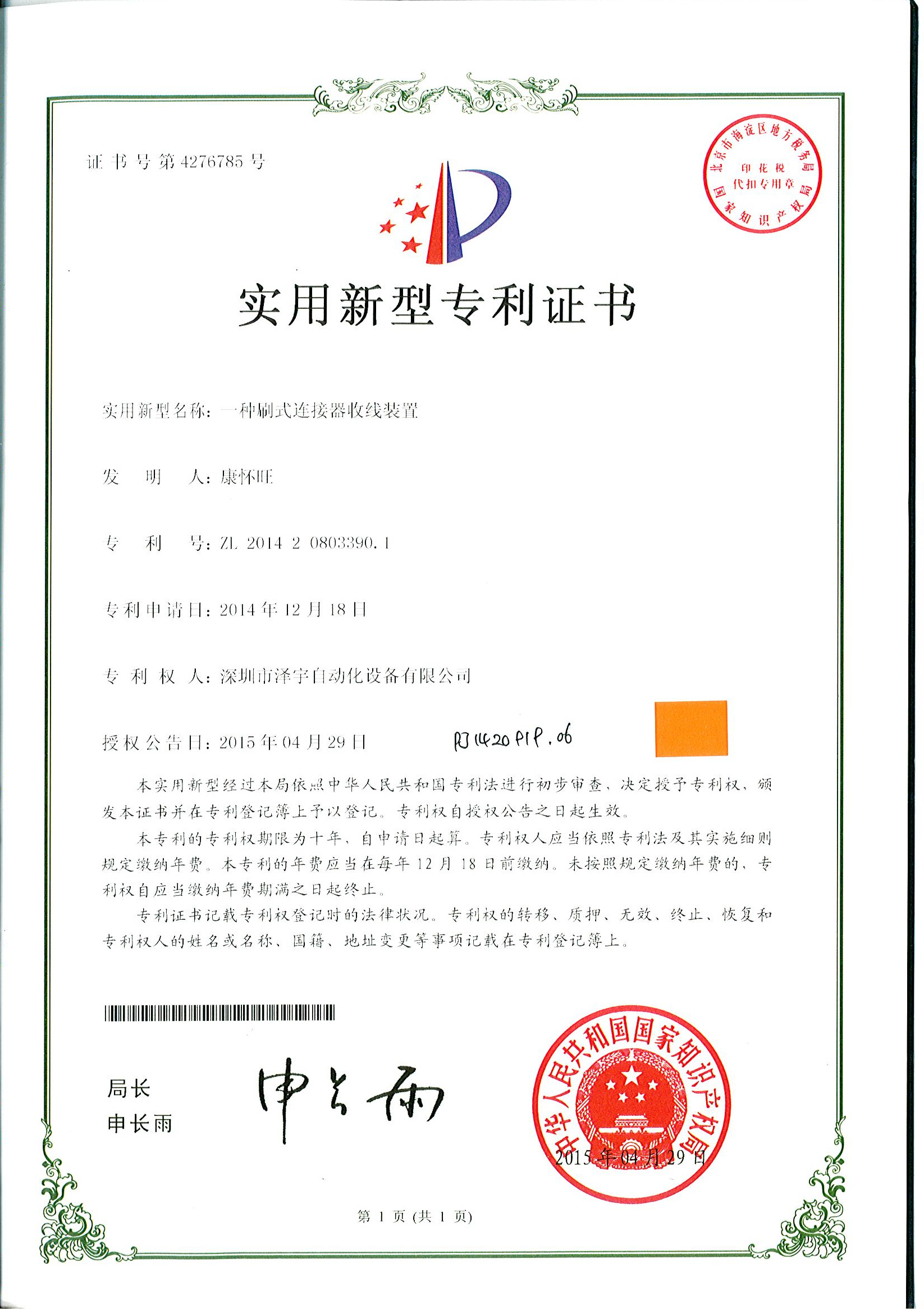
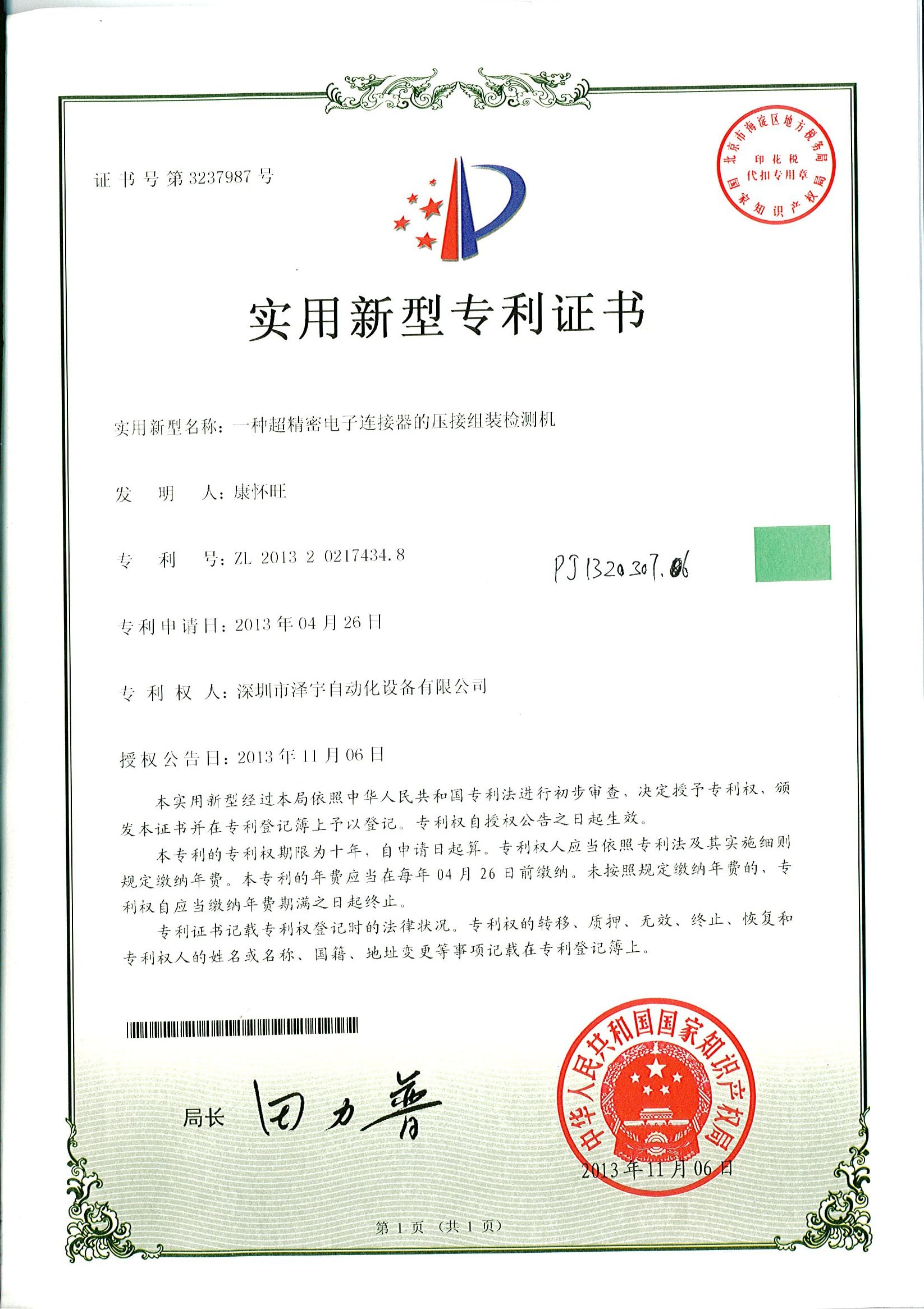
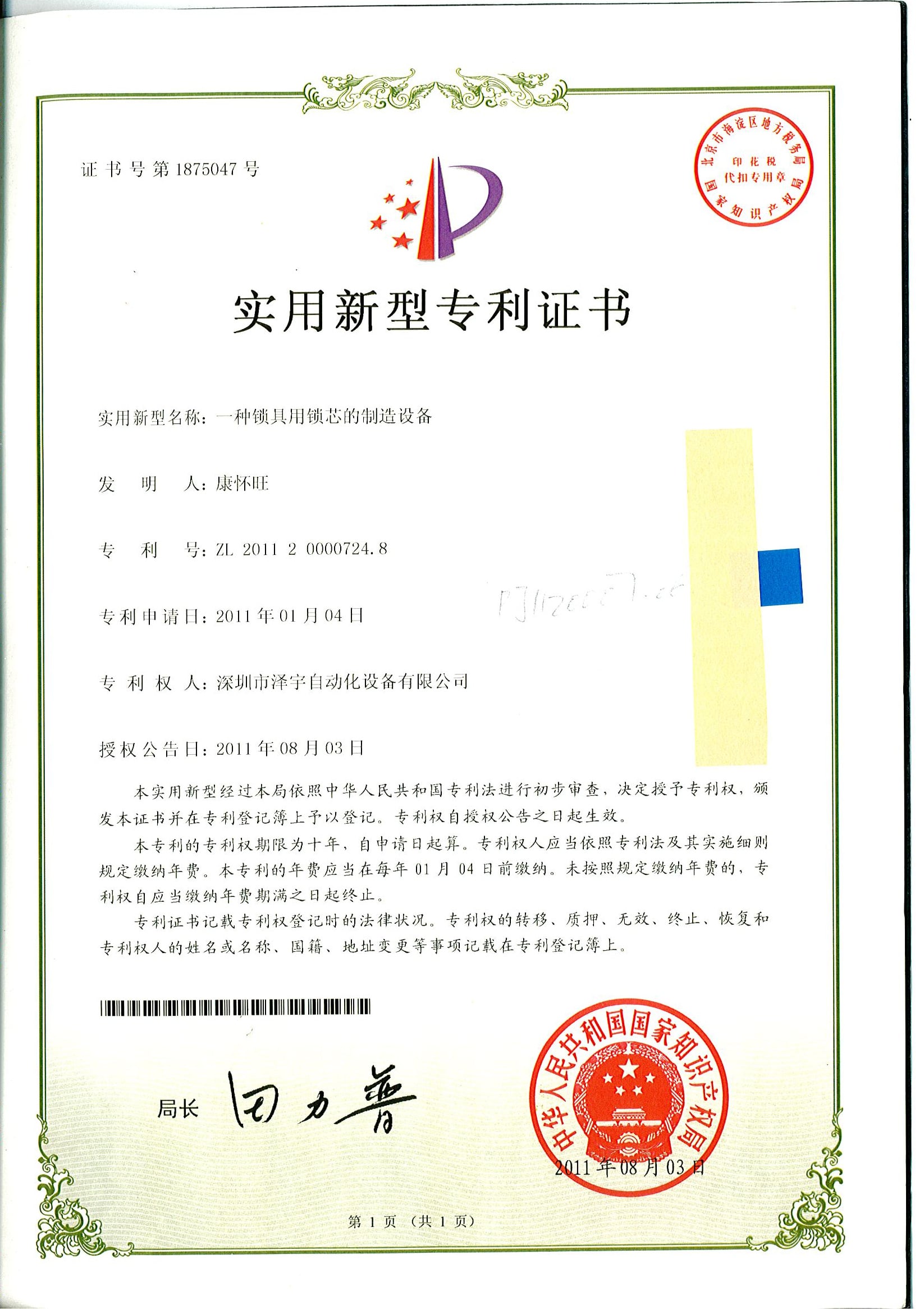
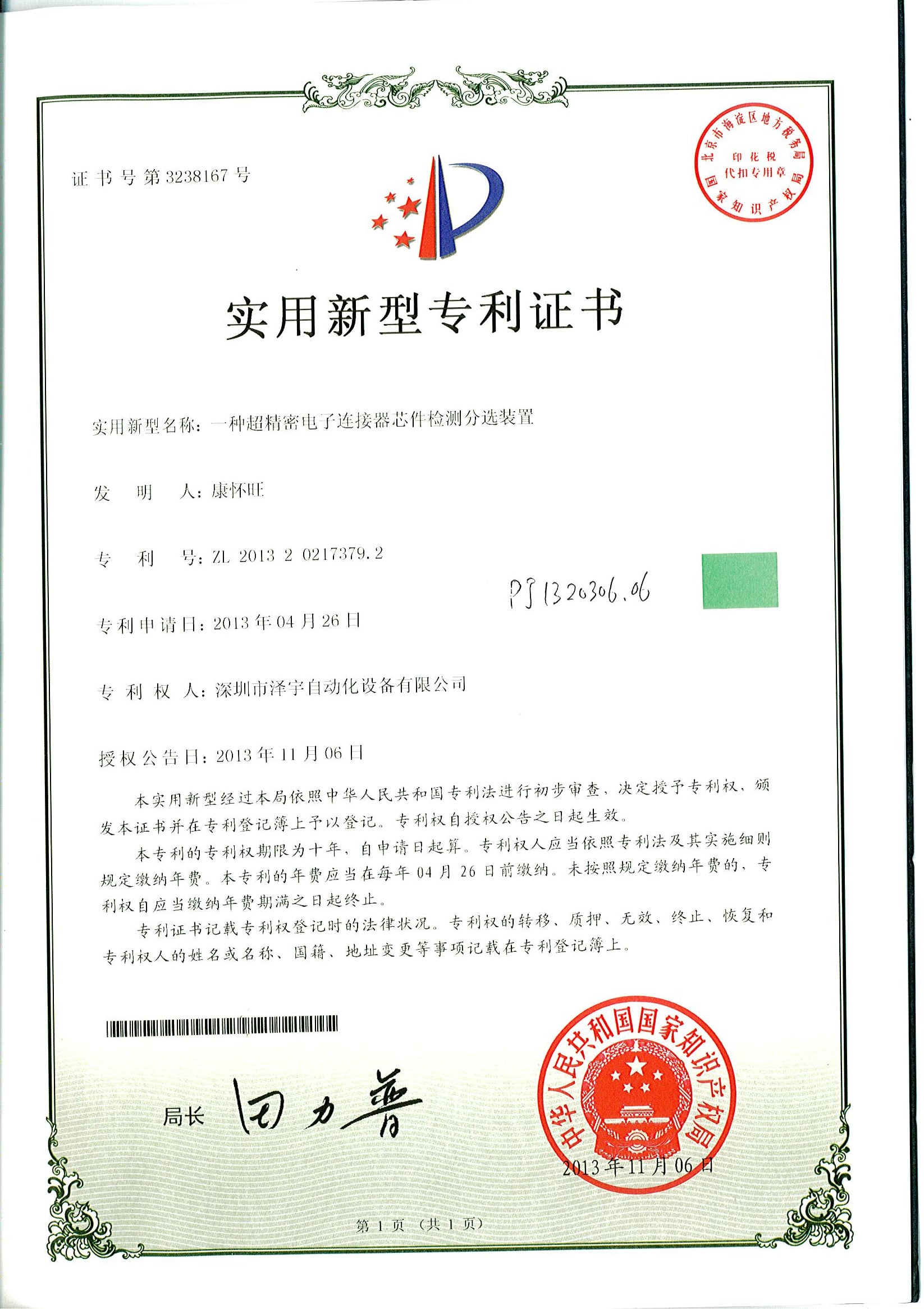
01/10
Credentials only matter if they map to how the machine is built. ZEUEE engineers robot cells to ISO 10218-2 integration-safety requirements, verifies robot pose accuracy and repeatability using ISO 9283 test methods, programs programmable logic controllers (PLCs) in IEC 61131-3, and runs design risk assessments following ISO 12100.
As a single systems integrator, ZEUEE has delivered to manufacturing companies across more than 30 countries. We will not claim a test-method standard guarantees a production tolerance, that is the kind of over-attribution expert reviewers catch. What we will say is that the method is documented, the certificate is real, and the patents are owned, not borrowed from a partner. Twenty years and 10,000+ projects across 30 countries are the experience behind that claim.
“We design the line to be audited. Every ZEUEE cell ships with the certificate numbers, the ISO 10218-2 risk file, and a factory-acceptance video, because a US or EU customer audit should never be the first time documentation gets requested.”
For: Procurement (primary) · Operations (budget)
Procurement Guide: Lead Time, Integration, Commissioning & How to Scope Your Upgrade
The single biggest schedule risk on an automation project isn’t the build, it’s integration, and it’s the most expensive delay because it gets underestimated and pushed to the end. Component lead times don’t help: linear slides commonly run 20 to 26 weeks and robots 14 to 20 weeks, and an integrator carrying no inventory passes that slip straight to you. Honestly, lead time depends on scope, so ZEUEE scopes it with you rather than quoting a fictional week count. Several factors move your timeline and budget, listed below.
Offshore is where buyers feel most exposed, and the worry is specific: Chinese-built machines are seen as a poor fit where you need near-zero downtime and immediate local service. Instead, ZEUEE treats that as the real objection to solve, not a price argument, designed-in spares, remote diagnostics, English commissioning documentation, and a named support contact are part of the scope, not an upsell. Risk assessment follows ISO 12100, and acceptance is documented at every gate. For a precise quote, the variables above replace any single number on a brochure.
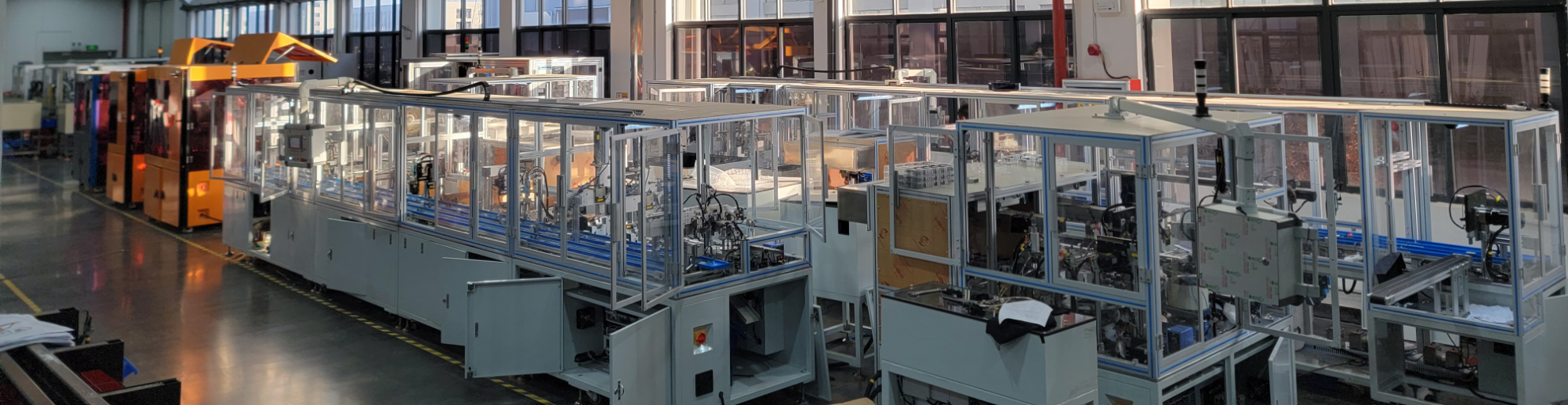
What drives your lead time and total cost
- Connecting to existing equipment, PLCs, and MES, the integration depthis the highest-risk line item, so ZEUEE designs the retrofit interface first, not last.
- A proven manual process automates faster than one still changing weekly, which makes process maturity a real schedule driver.
- Robots, vision, and motion parts carry their own lead times, so component availability sets the floor; we plan spares at design, since spare-parts carrying cost adds roughly 15% to 25%.
- Factory acceptance testing (FAT) before shipment, then site acceptance, defines the acceptance scope with documented sign-off.
- A single point of contact plus English documentation is the support model, so when the integrator leave, your team can still run and maintain the line.
Ready to scope it properly? Book a 20-minute line-walkthrough call with a ZEUEE engineer for a specific lead-time and integration estimate.
Book a call
Planning & Evaluation
Smart Factory Engineering & Decision Tools
FAQ, Smart Factory & Custom Automation Questions
When should I choose custom automation machinery instead of standard equipment?
Choose custom when a non-standard process, precision beyond a stock robot, unusual geometry, or deep integration with existing equipment forces it, and the volume or quality stakes justify the premium. For consistent, high-volume parts, standard cells are cheaper and faster, and ZEUEE will recommend them. That trade-off is real, so we score it with you before quoting.
Can your automation systems integrate with our existing equipment and PLCs?
Yes. Integration with existing equipment is the highest-risk part of any project, so ZEUEE engineers the retrofit and PLC interface first. Control logic is written in IEC 61131-3 languages, which keeps it maintainable by your own team.
Can you retrofit or upgrade existing automation, or does it have to be a new line?
Both. Upgrades often automate one high-labor step first, then add layers, lower risk than replacing the whole line.
How much labor can a smart-factory upgrade actually save?
On the automated step, direct labor typically falls 30% to 80% depending on the layer, with the larger figures on stable, higher-volume lines. The honest version: the real return also includes downtime avoidance and quality cost, not labor alone, so ZEUEE quantifies total cost of ownership rather than a single headline percentage. Two plants running the same robot can see very different payback, because labor rate, scrap cost, and uptime all differ, which is exactly why we model your numbers instead of quoting a slogan, and why the readiness score is the first step rather than a price.
Are fully unmanned (dark) factories real, and can ZEUEE build one?
They’re real where variability is low, proven cases such as FANUC run unmanned for extended stretches. But lights-out isn’t always the right target; the last stretch of full autonomy is expensive. ZEUEE builds toward unmanned operation only where the process support it, and keeps a staffed-modular design everywhere else.
What are the 4 types of automation, and which does ZEUEE supply?
The 4 types of automation are fixed (hard), programmable, flexible, and integrated. Day to day, ZEUEE works mainly in programmable and flexible automation, custom and reconfigurable cells, which is why our lines suit high-mix as well as high-volume production. An example of factory automation we deliver often is a vision-guided robotic assembly cell with inline 100% inspection.
Why buy from ZEUEE rather than a domestic integrator?
Because the evidence is named, not implied: ISO 9001:2015, 150+ owned patents, 10,000+ delivered projects, and long-term customers including AVIC, TE, Sumitomo, Foxconn, LEGO, and SONY. It pairs that with documented FAT, English support, and designed-in spares to close the offshore-service gap that worries most industrial buyers.
WHY WE WRITE THIS
About ZEUEE Engineering Insights
ZEUEE shares technical guides based on real automation project experience. Since 2005, we have designed and manufactured non-standard automation equipment for connector assembly, wire harness production, robotic lines, vision inspection, and smart factory upgrades.
Founded in 2005
20,000 m² production base
120+ specialists
150+ R&D patents
ISO9001:2015 certified
![Automated Screwdriving: Torque & Cycle Time [Guide]](https://zeueeauto.com/wp-content/uploads/2026/10/automated-screwdriving-featured-150x150.png)