Get in touch with Zeyu lntelligent Industrial Company
ULTRASONIC
ISO 9001:2015 certified
Toy Ultrasonic Welding Machine
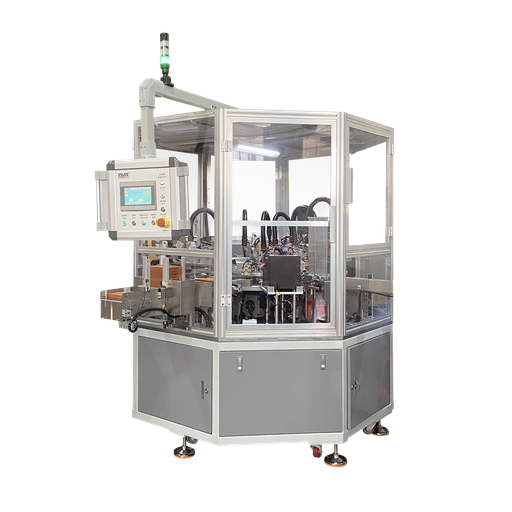
ZEUEE Ultrasonic Welding Machine, Automated Assembly Systems for Toys & Plastic Parts
Ready to implement rotary-table ultrasonic weld machines that combine molded toy and plastic parts at line speed – in many cases with the even weld strength required fordrop tests and toy safety audits.
20 / 35 / 40 kHz frequency options
2–6 s typical weld cycle
4–12 rotary index stations
ABS·PP·PE·PC weldable thermoplastics
An ultrasonic welder combines thermoplastic parts in seconds, by simply applying compressed ultrasonic energy, instead of using glue, screw or solvent, and provides a clean plastic welding process without any consumables. For toy and plastic manufacturers manufacturing thousand of units per shift, the essential question isn’t how ultrasonic welding takes place, but whether every weld will hold. Our automated ultrasonic plastic welding equipment makes “every weld” the rule, not the exception.
Request a Quote →SYSTEM LAYOUT // 01
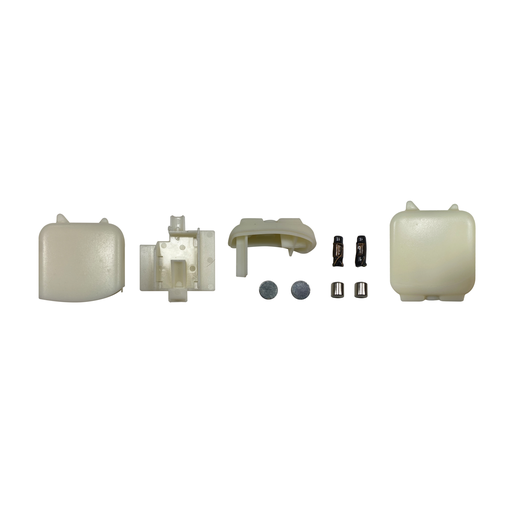
FRONT VIEW // 02
20 Years
MANUFACTURING (SINCE 2005)
150+
PATENTS
Global Trusted
AUTOMATION SUPPLIED TO LEGO · SONY · FOXCONN
Vision QC
IN-LINE INSPECTION
EN71 / F963
TOY-SAFETY READY
Why Manual Toy & Plastic Assembly Can’t Scale, and How Ultrasonic Welding Solves It
Most manufacturers who assemble or weld plastic toys by hand confront the same dilemma:
Headcount scales the labor, but it does not scale the weld strength. Worse, a quality miss tends to surface late — a molded ABS case passes the line visually, then fractures during a drop test or becomes detached at a retailer compliance check. If, on the other hand, the plastic toys of this quality fail when the weld parts that can separate into a child toy come loose, then costs for the manufacturer will be recall, but not for retouching.
At the root, it comes down to process control.
A weld is only as reliable as the energy delivered to the joint, and there’s no way an operator with a handheld device can hold consistent pressure, dwell time, and amplitude across 3,000 identical parts. Ultrasonic welding has the physics in its favor – a transducer takes 20-40 kHz electrical power and turns it into high-frequency mechanical vibration, the horn (the sonotrode) couples that energy into the joint, and vibration at a molded “energy director” creates a melted joint in 2 to 6 seconds. On injection-molded thermoplastic materials it produces strong, even hermetic seals, and the weld quality holds whether the wall thickness is thick or thin. When you scale to thousands of parts, the hard part becomes applying that process consistently to meet your production requirements, which is exactly where automation turns a good weld into a good product.
Our answer to this is a closed process —
Parts are presented at a fixed position to an ultrasonic stack on a rotary index table. Each welding cycle is servo-controlled and holds the same process parameters every time, and in-line vision inspects the finished weld before the part departs the machine. An operator only loads and unloads; the machine owns the weld. That’s the distinction between buying a welding system and buying a pair of assembly arms.
ZEUEE Ultrasonic Welding Machines, Models & Configuration
Every ZEUEE ultrasonic welding machine shares the same core – generator, transducer, booster and horn – assembled to suit your part shape, material, and application volume. These ultrasonic welding systems scale from a single benchtop plastic welder to a custom rotary ultrasonic cell, and every weld runs under closed-loop process control so the welding results stay repeatable from the start of a project to the finish. Listed below are the 3 most frequent systems we apply to our toy and 3C applications. For each system line, the practical data points that most frequently make an engineer or a buyer’s decision(cycle time, foot print, indicative MOQ’s etc.):
Unlike off-the-shelf, beginner-level ultrasonic plastic welders that are sold simply as an individual tool, ZEUEE provides your ultrasonic welding tool in the form of a production line – setting your specific power levels, amplitude, and dwell to the requirements of your material at the time of commission, and then having that same recipe repeated without attention once you’re ready to go. That’s where our 20 years of industrial automation and manufacturing process experience come to play to turn a machine into a plant.
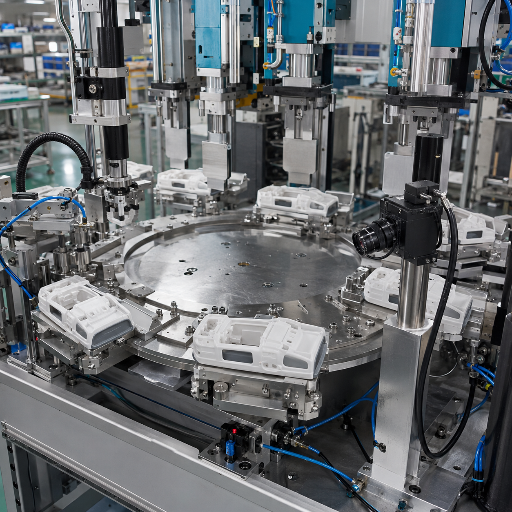
Rotary Indexing System
- 4–12 station rotary dial table
- 20 / 35 kHz ultrasonic stack
- Pick-and-place + parts-presence sensing
- In-line vision inspection
- MOQ: 1 system · lead time on request
Best for: high-volume identical toy housings
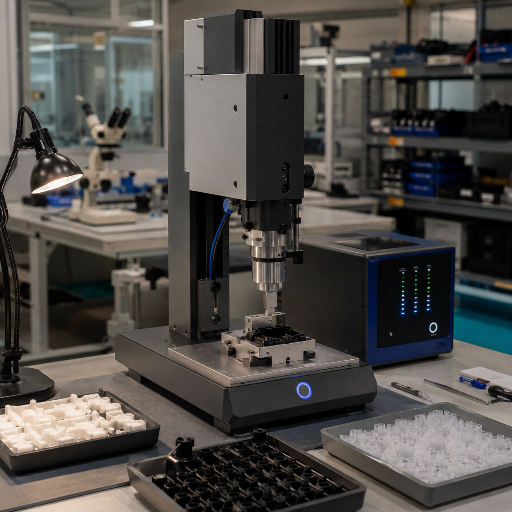
Servo Bench / Single-Station
- Servo-driven weld actuator (force + distance control)
- 20 / 35 / 40 kHz options
- Recipe storage for multiple SKUs
- Data logging of every weld
- MOQ: 1 unit · upgradeable to automation
Best for: precision parts, NPI, mixed runs

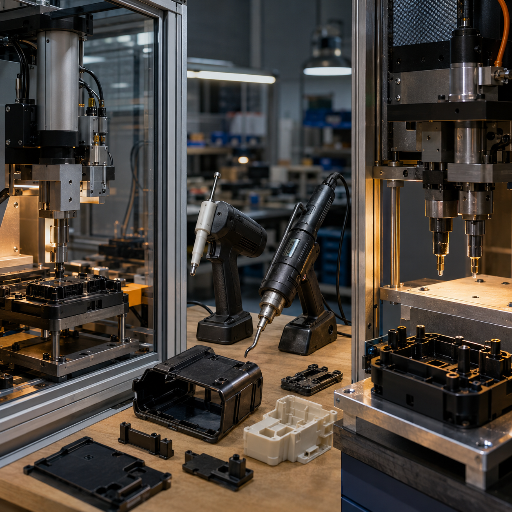
Custom Automated Cell
- Multi-axis robot loading + ultrasonic welding
- Vision QC + automatic eject of rejects
- Safety guarding, light curtains, HMI touchscreen
- Line / MES data integration
- MOQ: project-based · fully tailored
Best for: turnkey unmanned production
| Frequency | Best for | Typical toy/plastic parts |
|---|---|---|
| 20 kHz | Large, rigid, thick-wall parts; high energy | Ride-on bodies, large housings, thick ABS |
| 35 kHz | General-purpose, balanced energy + precision | Standard toy housings, battery covers |
| 40 kHz | Small, delicate, thin-wall, near-field welds | Miniatures, electronic toy modules, fine detail |
| Your situation | Daily volume | SKU variety | Recommended platform |
|---|---|---|---|
| One high-runner toy housing | High (>5,000) | Low (1–2) | Rotary Indexing System |
| Multiple models, frequent changeover | Medium | High (5+) | Servo Bench / Single-Station |
| Unmanned line, full integration | Very high | Low–Medium | Custom Automated Cell |
| New product introduction / testing | Low | Variable | Servo Bench (upgrade later) |
On toy housings we always start from the energy director, not the machine. Get the joint geometry and the 20-versus-35 kHz call right, and a rotary system will repeat that weld tens of thousands of times. Get it wrong, and no amount of power setting saves the drop test.
Automated Ultrasonic Welding vs Handheld Welders vs Heat Staking
Buyers comparing plastic joining technologies usually weigh three routes: a cheap handheld ultrasonic welder, a thermal welding process like heat staking or adhesive bonding, or a fully automated ultrasonic system. Among the welding technologies available for thermoplastics, ultrasonic is the fastest and cleanest – and unlike metal welding it leaves no spatter, fumes, or consumables. The trade-off isn’t “good vs bad” – it’s repeatability and cost-per-part at volume. The numbers below frame the decision in the terms that matter on a production floor.
| Factor | Handheld Ultrasonic |
Heat Staking / Adhesive |
ZEUEE Automated Ultrasonic |
|---|---|---|---|
| Weld cycle | operator-paced | 10–40 s (cure/cool) | 2–6 s, fixed |
| Parameter consistency | varies per operator | moderate | servo-locked every cycle |
| Consumables | none | glue / inserts | none |
| In-line QC | none | manual | vision inspection |
| Labor per 1k parts | high | high | load/unload only |
| Indicative price tier | $900–$6,000 | varies | automated system tier |
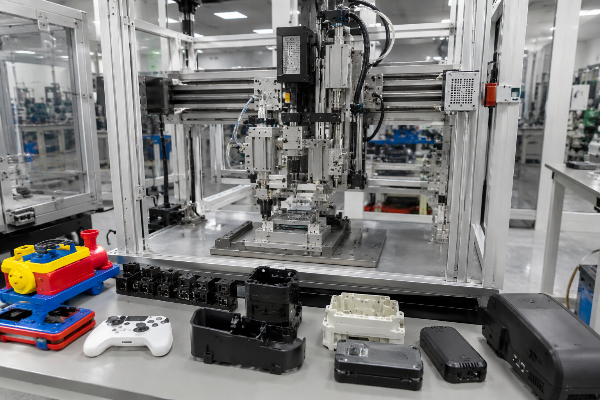
Customer Results, Throughput & Labor Savings
3 shifts → 1 loader
Typical labor profile when a manual weld cell is replaced by a ZEUEE rotary system — the machine owns the weld, the operator handles load/unload.
Representative of comparable automated-assembly deployments; actual results depend on part, volume, and baseline. Request an application-specific estimate.
01
The reason manufacturers move from handheld welders to automated ultrasonic systems is rarely the weld itself – it’s the math around it. When a rotary system run a fixed 2-6 second cycle while one operator loads parts, the cost driver shifts from labor hours to machine uptime. In comparable automation deployments, the savings come from three places at once: fewer operators per shift, higher consistent throughput, and a sharp drop in rework and scrap because every weld is verified before the part leave the cell.
02
ZEUEE has supplied industrial automation equipment to manufacturers including LEGO, SONY, Foxconn, and Corning across more than 30 countries. Beyond toys, that same ultrasonic welding equipment serves diverse industries — the automotive industry, electrical components, and 3C electronics all rely on these automation systems for repeatable quality welds. Those programs share one requirement with every toy maker who calls us: the weld has to be invisible to the end customer and bulletproof to the compliance lab. That’s the outcome our automated solutions are engineered to repeat.
Certifications & Compliance
For a toy or 3C buyer, supplier credibility isn’t a logo – it’s whether the equipment and the welds it produce will survive an audit. ZEUEE’s quality system and the weld process itself both map to the standards your products are tested against.
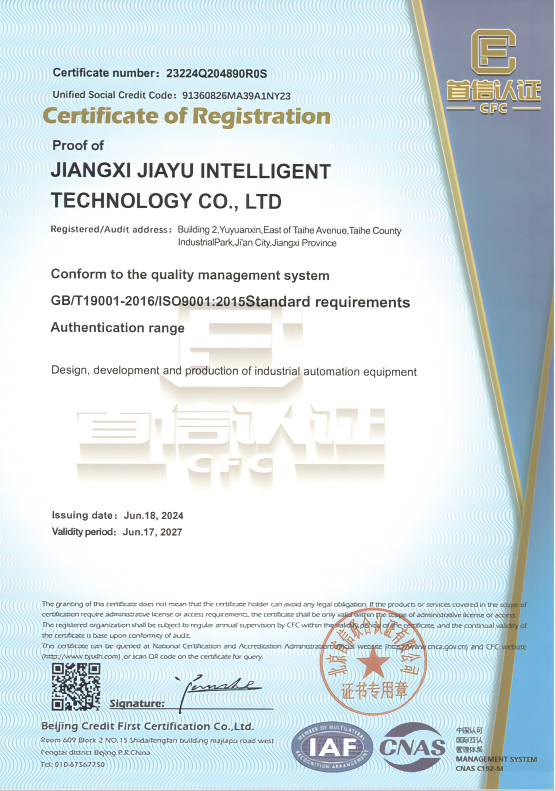
ISO 9001:2015
Quality management system
EN71 / ASTM F963
Toy-safety ready welds
CE
Machine safety conformity
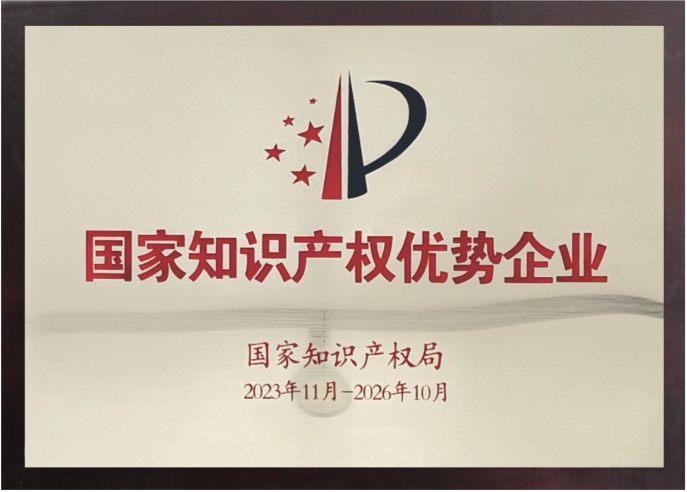
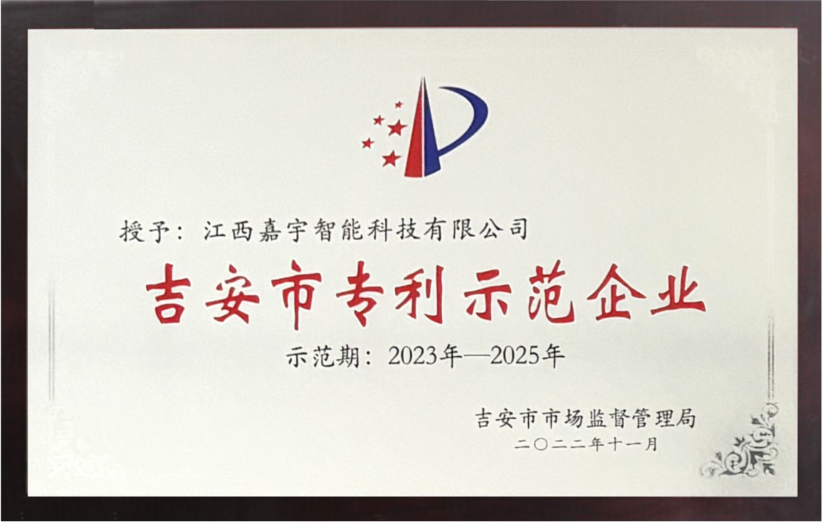
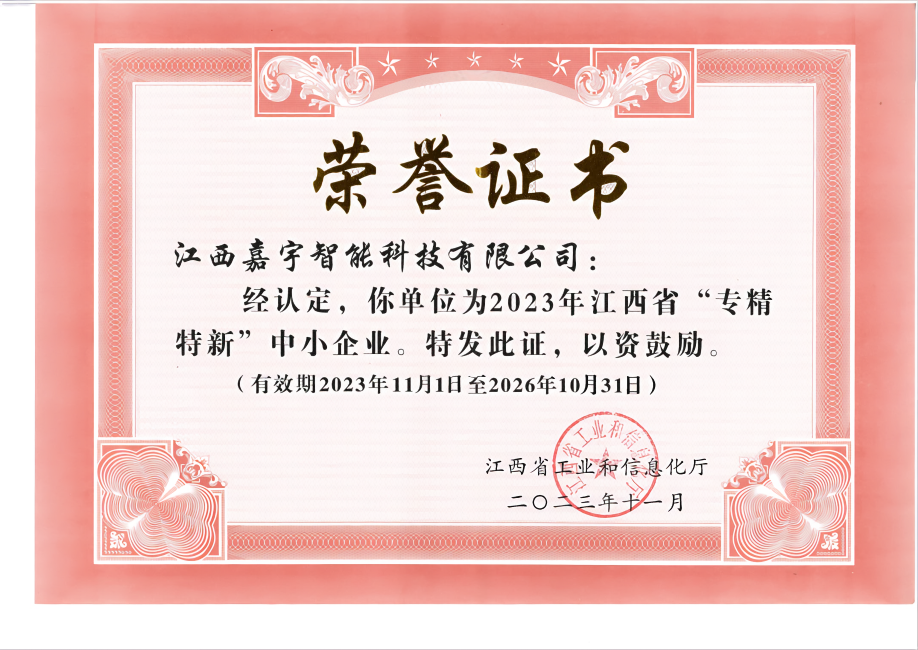
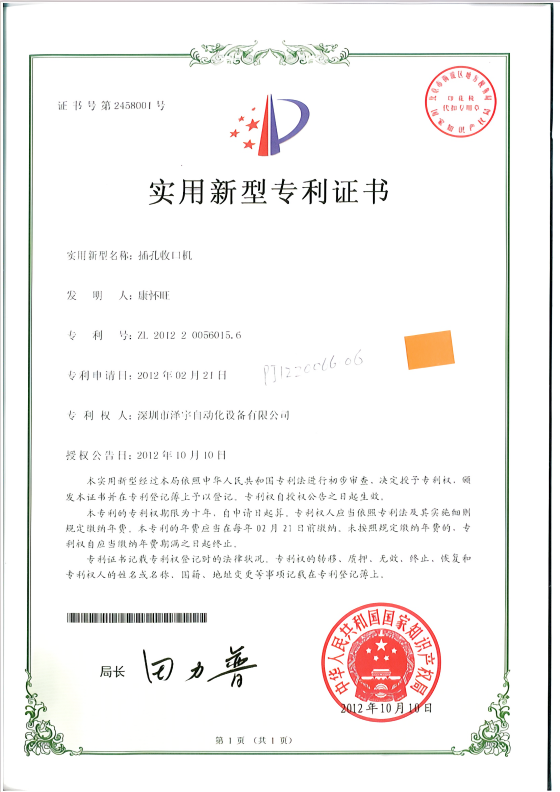
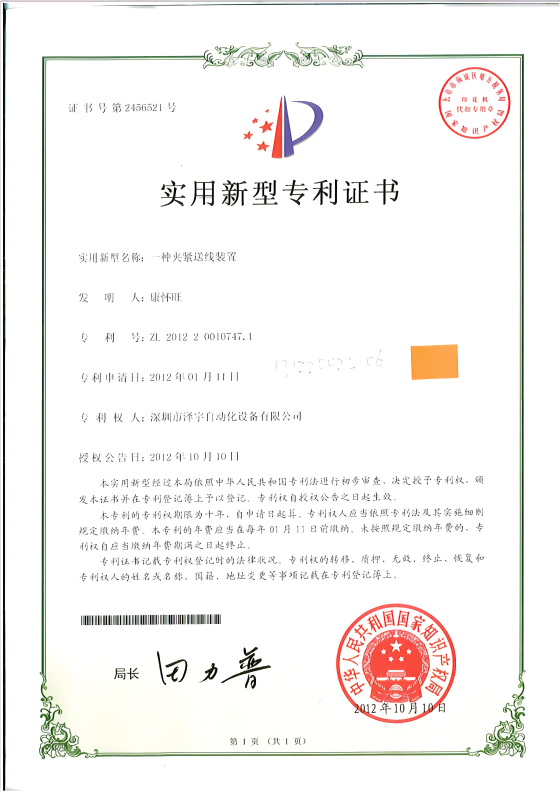
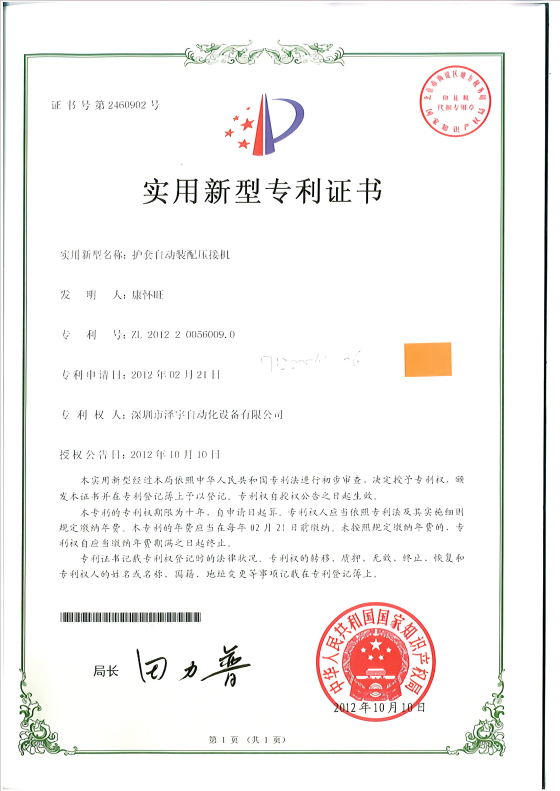
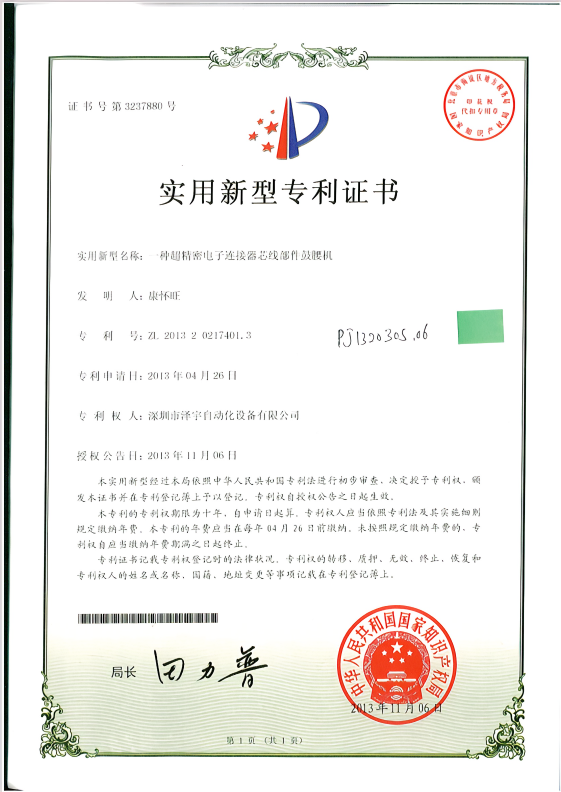
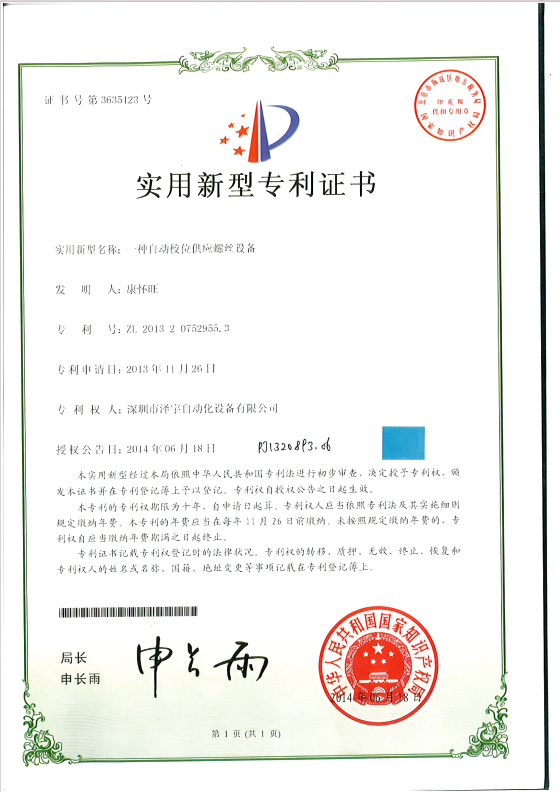
150+ Patents
32 invention · 68+ utility model
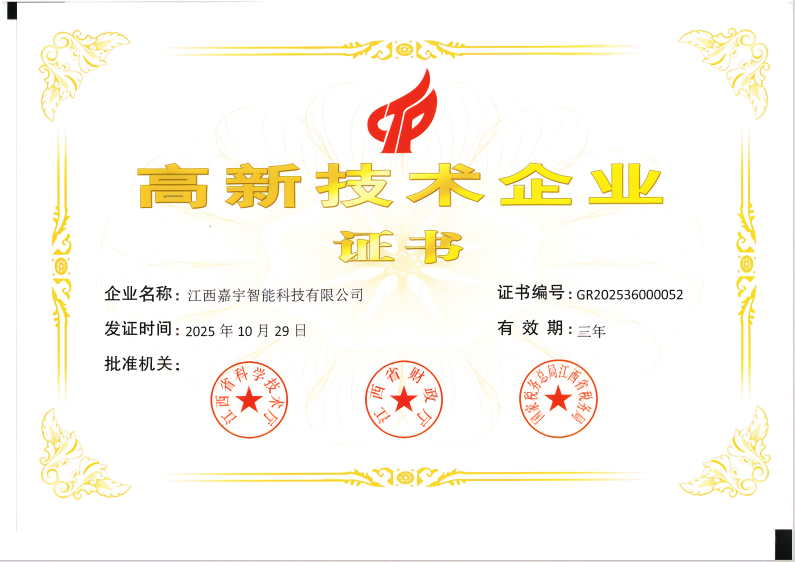
National High-Tech
Enterprise qualification
VISION INSPECTION [ACTIVE]
Why the toy-safety standards matter to a welding machine:
Procurement Guide, Pricing, Lead Time, Customization & After-Sales
If you’re a procurement pro then you already know the trap with buying welding equipment – cheapest means costliest when all is said and done. The bargain price $900 handheld unit looks swell until you factor in the number of operators, scrap rate, and failed shipments at volume. Instead of splashing a single, misleading price here’s the actual framework that makes automated ultrasonic welding machines cost, so you can write up an accurate quote:
What Drives The Price Of Your System
Number of index stations & automation level
– 4-station rotary is cheaper than a 12-station unmanned cell with robotics.
Ultrasonic power & frequency count
– single 20kHz vs multi-frequency (20/35/40kHz) stacks.
Vision & data integration
– in-line inspection, reject eject, and MES/line data add capability and expense.
Tooling & custom fixtures
– horns and fixtures are part-specific and designed to fit your exact geometry.
Safety & compliance package
– guarding, light curtains, and CE documentation.
Lead time, MOQ & after-sales
– lead time and order quantities vary between standard units and custom cells (minimum is typically 1 system); ZEUEE provides over-seas buyers with installation guidance, replacement parts, and remote support; because machine is upgradeable, any investment made today in a servo press can be integrated into an automated system down the road to protect assets. Contact our sales for lead time and part-specific pricing for your application and volume.
Ultrasonic Welding Optimization Tools
Ultrasonic Welding Frequency Selector
Find the right frequency for your toy or plastic part. Higher frequency = gentler energy for small/thin parts; lower = more energy for large/rigid parts.
Thermoplastic Weldability Checker
Check whether two plastics can be ultrasonically welded. Based on published compatibility data — identical materials weld best; dissimilar pairs need close melt temperatures.
Throughput & Labor-Savings Estimator
Estimate the output of an automated rotary ultrasonic system versus manual welding for your toy or plastic part.
Advanced Toy Ultrasonic Welding Solutions
Frequently Asked Questions
Can ultrasonic welding be automated for high-volume toy production?
Yes- that’s exactly what a rotary index ultrasonic assembly system is designed for. The table deliver the part to a fixed location each time; the servo stack welds with consistent parameters in every cycle; then, machine vision inspects the result. Most industrial automated cells use a combination of rotary indexes, ultrasonic welders, and machine vision to create unmanned assembly lines and we build our machines to the same spec for toys and 3C components.
Why did my molded ABS injection parts fail drop tests and how do you stop it?
Drop tests are typically failed by inconsistent welding energy, or poor joint design rather than the raw material. ABS can be welded to itself well, but the success depend on designing in the correct energy director (a rib), and servo-control over amplitude, pressure, and dwell time so that each weld receives a uniform amount of energy. If the process isn’t consistent enough, on-line vision inspection can catch failures before products ship.
What plastics and toy materials can be ultrasonically welded?
Most thermoplastic can be joined successfully through ultrasonic welding, including popular toy plastics such as ABS, PP, PE, PC and PMMA. While it’s possible to weld some dissimilar thermoplastics, best practice is to use the same type, with a maximum temperature difference of around 6°C (40°F) and compatible melt-point properties; the exception is PTFE, which doesn’t respond well to ultrasonic joining.
How strong is an ultrasonic weld and is it safe for toy products?
Under the right circumstances (matched material, joint design, and process parameters) an ultrasonic weld can be as strong as the surrounding material and provide a sealed, leak-tight connection. The repeatable weld consistency offered by ultrasonic welding is ideal for products needing to pass standards such as EN71 and ASTM F963 small-parts tests, making automated joining an ideal solution for toys.
What’s the difference between pneumatic and servo driven ultrasonic welding machines?
Automated ultrasonic welder prices and MOQ.
What does an automated ultrasonic welding machine cost and what’s the MOQ?
Handheld machines cost about $900 but that’s in another class of tool. An automated rotary or custom system depends on the station count, automation level, integrated data/vision, and the tooling required. Typically the MOQ is 1 system. Price varies greatly depending on part and volumes, so we’ll provide a detailed quote for your project instead of a fixed list.
Ready To Make Every Weld Pass The Drop Test?
We ask for a part drawing and your target volumes, then we recommend a frequency, platform and tooling concept and then we quote it.
Request a QuoteWHY WE WRITE THIS
About ZEUEE Engineering Insights
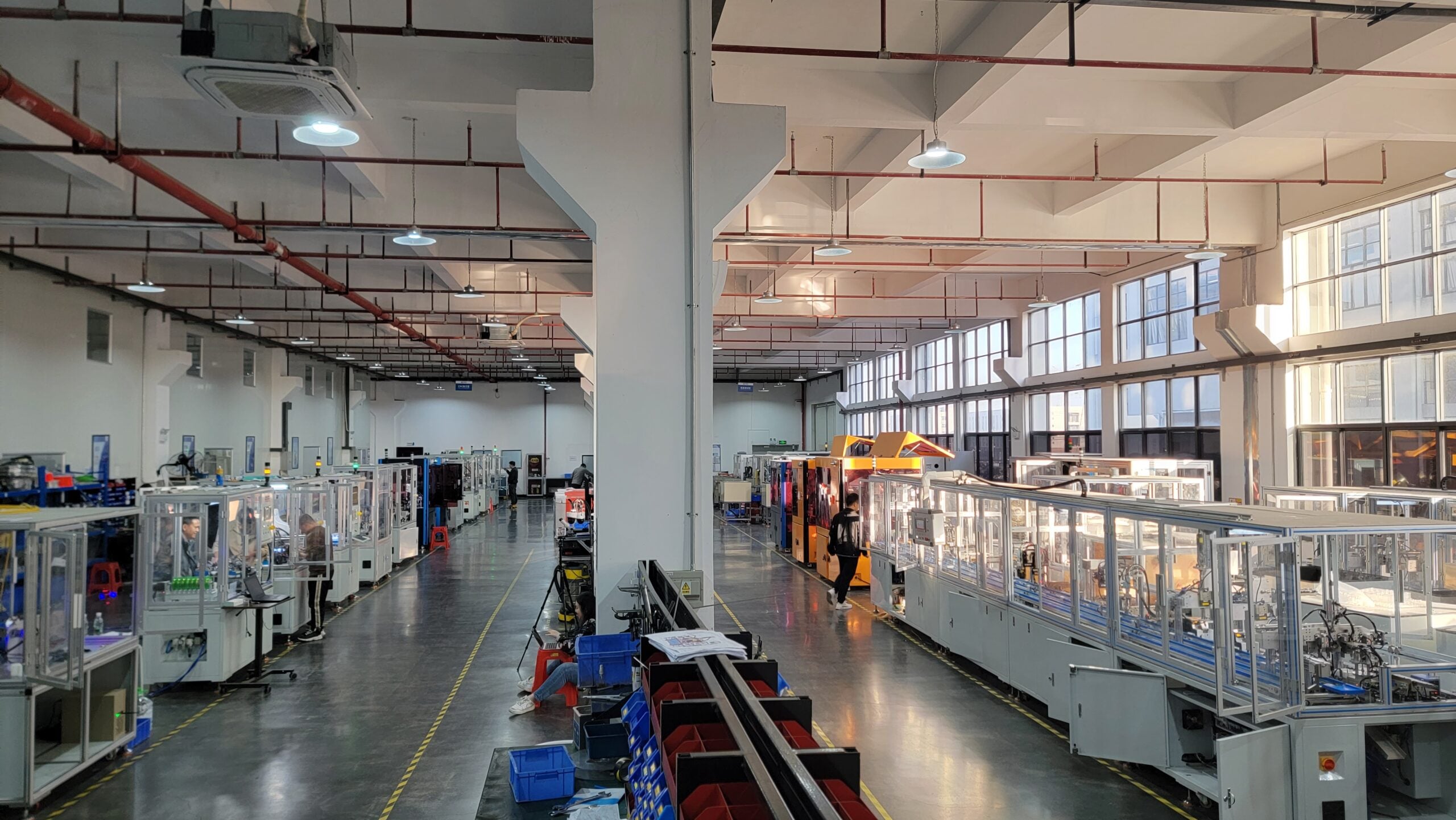
ZEUEE shares technical guides based on real automation project experience. Since 2005, we have designed and manufactured non-standard automation equipment for connector assembly, wire harness production, robotic lines, vision inspection, and smart factory upgrades.
Founded in 2005
20,000 m² production base
120+ specialists
150+ R&D patents
ISO9001:2015 certified
![Automated Screwdriving: Torque & Cycle Time [Guide]](https://zeueeauto.com/wp-content/uploads/2026/10/automated-screwdriving-featured-150x150.png)