Get in touch with Zeyu lntelligent Industrial Company
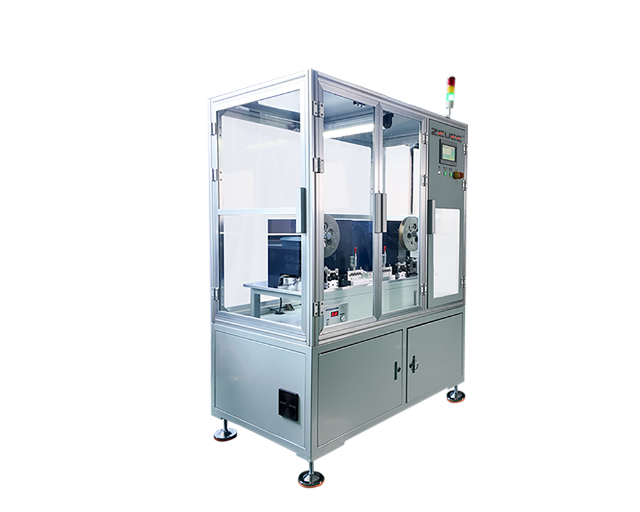
Optical Connector Assembly Line, Automated Fiber Optic Connector Production
A configurable fiber optic connector assembly machine line from ZEUEE that carries bare fiber through strip, cleave, epoxy dispense, cure, polish, and IL/RL test, built for assembly houses that need consistent end-face geometry across LC, SC, FC, and MPO without growing the operator headcount.
Request a Line Quote
Automated Assembly Solutions: Performance, Process and Compliance
10
Stations: strip → cleave → epoxy → cure → polish → inspect → IL/RL test
7–25 mm
End-face radius of curvature held to Telcordia GR-326
<0.05 mm
Apex offset (<50 µm) per GR-326 / IEC 61755
LC·SC·FC·MPO
Connector coverage, UPC and APC end-faces
+25%
Typical yield lift vs 60–70% manual (industry data)
ISO 9001:2015
ZEUEE certified · 30+ countries · 10,000+ builds
An optical connector assembly line replaces the rows of hand-operated micrometers that still dominate this trade. More than 75% of fiber optic components are assembled manually today, and that approach is hitting a wall: operator-to-operator variability, manual yields stuck at 60–70%, and lead times stretching out while hyperscale-driven demand for MPO assemblies climbs. ZEUEE builds the production line that closes that gap, and is honest about where automation pays and where it doesn’t.
Why Manual Fiber Connectorization Hits a Ceiling, and Where a Line Pays Off
The Core Challenge
Here’s the honest version of the automation question, because it’s the one assembly houses actually wrestle with. A fiber optic connector is the terminated, polished, and tested end of an optical cable, the part where a 9-micron core has to meet another 9-micron core with almost no gap. Getting that contact right by hand is slow, and the numbers show it: manual connectorization runs at 60–70% first-pass yield, and the result swings with whichever operator is on shift . It’s a problem automatic connectorization and inspection systems have chased for decades, as far back as US6466310.
Capacity & Demand
Demand is what turns that nuisance into a real constraint. A single GPU server with eight accelerators pulls roughly 128 MPO patch cords, and data-center fiber demand grew about 76% year over year through 2025 . Assembly capacity hasn’t kept pace, so lead times drift toward a year. You can’t hire your way out of that when skilled polishing operators are scarce to begin with.
The Automation Threshold
An optical connector assembly line answers the volume and the consistency problem at once: each station apply the same pressure, dwell time, and inspection threshold on every cycle. But the trade-off is real, and we won’t claim otherwise, rigid, full automation only earns its keep on mature processes running above 100,000 units per year . Most assembly houses run high-mix, lower-volume work. That’s exactly why ZEUEE designs the line as reconfigurable stations rather than one fixed machine, so it bends to your connector mix instead of forcing your mix to fit the machine.
Industry Scenario
Take a contract assembly house that built its reputation on hand-polished SC connectors. When two senior polishing operators retire in the same quarter, first-pass yield slides, there’s no written process to hand the new hires, and the backlog grows while they climb the learning curve. That’s the quiet pain behind the yield number, skill walks out the door, and the line walks out with it. Whether you run a regional assembly shop or supply an industrial buyer scaling for a hyperscale program, that exposure is the same.
Inside the Line, 10 Stations from Bare Fiber to Tested Connector
Audience: Engineering (primary) · Procurement (RFQ match)The industry’s own engineers describe automating fiber assembly as harder than rigid-part assembly, because flexible optical fiber resists handling and there’s no single standardized assembly process across connector families . ZEUEE addresses that the way you would expect from a non-standard automation builder: each process owns its own station, and stations are added, removed, or retooled to match the job. Knowing how to put together fiber optic cable by hand is one thing; doing it at volume with repeatable end-face geometry is another, and the gap between the two is where a line earns its keep. The walkthrough below is what a full single-mode build looks like; a fast-connector or pigtail job uses a shorter subset.
ZEUEE 10-Station Connectorization Flow
-
#Station FunctionGoverning parameterInline QC
-
1
Cable feed & cut
Dispense and length-cut from spoolLength tolerance (mm)Length gauge -
2
Jacket & buffer strip
Remove jacket, strand, and coatingStrip length, fiber integrityVision check -
3
Clean
Remove dirt, oil, and particulateCleanliness (NASA-STD-8739.5)Optical cleanliness scan -
4
Cleave
Square the bare fiber endCleave angleAngle vision -
5
Epoxy dispense
Meter and inject adhesive into ferruleVolume, mix ratioDispense weight -
6
Insert & cure
Seat fiber in ferrule, thermal cureCure temperature (°C), timeCure profile log -
7
Crimp / assemble
Attach body, boot, and strain reliefCrimp forceForce trace -
8
Polish
Multi-step film polish to PC/UPC/APCPressure, dwell, film gritEnd-face vision -
9
Interferometric inspect
Measure end-face geometryRadius 7–25 mm, apex <0.05 mm3D interferometer -
10
IL / RL test
Insertion and return-loss measurementIL / RL pass thresholdsOptical test & sort
From cable spool to a connector that passes interferometry and an optical test, the full chain, the parameter that governs each step, and the inline check that catches a defect before it reaches the next station.
Decision Matrix, Which Line Configuration Fits Your Work
-
Your work profileVolume / yearConnector mixRecommended buildPolish
-
High-mix prototype / MIL-aero
< 20,000LC · SC · FC · STSemi-automated, manual load1–2 -
Mid-volume patch cord
20,000–100,000LC · SC duplexModular line, shared inspect2–4 -
High-volume single family
> 100,000LC simplex or MPOFull line, inline IL/RL4–6 -
Data-center MPO program
> 100,000MPO / MT 12–24 coreMPO-dedicated line4–8
Thermal cure of the ferrule epoxy typically holds 85–120 °C for 30–60 min, and only then does polishing begin. Stations 8 through 10 are where most quality disputes are won or lost, and they’re also where a machine clears manual work by the widest margin. A polishing fixture holds 12 to 24 single-fiber connectors, some run as high as 72, and applies identical pressure and dwell on every one, which is why automated polishing is now treated as a necessity rather than a luxury for any assembly house chasing tight specs . The approach mirrors process documented in USPTO filings such as US8824849B2 (pallet-based epoxy cure, cut, and polish) and the 2024 Senko polishing-fixture patent US20240033879A1.
Because the same chassis carries simplex LC work one week and 24-core MPO the next, the line answers the flexibility problem that the trade press keeps naming as the blocker to wider automation. That matters more than peak speed for most fiber optic cable assembly manufacturers, whose order book is a moving target rather than one steady part number.
Automated vs Manual, Yield, Insertion Loss, and Throughput
Audience: Engineering + Management · Procurement (cost)
Performance Consistency
Trust in a connector line come down to whether it holds end-face geometry and optical performance shift after shift. This is where buyers reasonably ask whether a Chinese automation builder can match the consistency they expect from a premium polisher brand. The fair answer is to compare on measured parameters, not adjectives, so here’s the contrast in the numbers that decide a connector’s pass or fail.
Production Scenario
Picture a telecom assembly house running SC/APC patch cords for an FTTx build. On manual benches, the third-shift operator’s apex offset drifts past the 50-micron window, return loss fails at the customer’s incoming inspection, and a full reel of finished cords gets quarantined days after it shipped. On the line, station nine flags that same drift at the ferrule, one scrapped part instead of a quarantined batch. That’s the difference consistency make to a fiber optic cable assembly manufacturer living on thin margins. From small/medium assembly houses to an EU buyer’s approved-vendor list, the line is what lets a ZEUEE customer hold that spec without a customer audit turning into a recall.
-
ParameterManual / benchtopZEUEE automated lineWhy it matters
-
First-pass yield
60–70%Targets the +25% industry-reported liftRework is the hidden cost driver -
End-face radius of curvature
Operator-dependent7–25 mm (GR-326 window)Controls physical contact force -
Apex offset
Varies by hand pressure< 0.05 mm (<50 µm)Keeps the core in contact -
Polishing consistency
1 connector / cycle, variable12–72 / fixture, identical pressureRepeatability across a batch -
Throughput
Hours per batchUp to ~10× (Corning-class line)Meets MPO demand spikes -
Operator dependence
High — skill-boundProcess-bound, loggedSurvives staff turnover
The figures above are industry-reported benchmarks, not a single ZEUEE measurement, Corning’s automated assembly cut connector build time from hours to minutes for roughly a ten-fold throughput gain, and a shift from older manual processes lifted manufacturing yield by about 25% . Your realized numbers depend on connector family and incoming fiber, which is why every line ship with an acceptance run against your own parts before sign-off. Automated connectorization with inline end-face inspection is well documented in the patent record (see US6733184).
“We do not sell speed alone. On a 24-core MPO job, the win is that station nine flags an out-of-window apex offset before the connector ever reaches the optical test, so you scrap one ferrule, not a finished assembly. That is where the yield number actually moves.”
Connector Types and End-Face Geometry the Line Handles
Audience: Engineering · Procurement
End-Face Geometry
Asking how to assemble fiber optic connectors across families is really asking whether one line can carry your whole catalog. End-face geometry is governed by the same three Telcordia GR-326 parameters regardless of connector body, radius of curvature, apex offset, and fiber height, measured per IEC 61300-3-16/17/23 . What changes between families is the ferrule diameter, the fixturing, and whether the end-face is flat APC or domed UPC.
Catalog Growth Pain
The pain show up the moment your catalog grows. A MIL-aero shop that polishes SMA large-core ferrules today, LC duplex tomorrow, and a 24-core MPO run next quarter faces a hard choice: buy a separate machine per family, or push the overflow back to manual benches where the 60–70% yield problem lives. One shop we scoped was quoting eight-week lead times on MPO work simply because its single polishing cell stayed tied up on legacy ST orders. A line that retools between families instead of demanding one machine each is the difference between taking that order and turning it away. ZEUEE engineers tool each connector family to the same end-face spec, and that’s the differentiator an industrial buyer cares about when a single customer audit has to cover LC, SC, and MPO on one purchase order.
Connector-Type Coverage Grid
Every connector family the line tools for, the ferrule class it carries, the end-face polish it targets, and where it shows up in real assembly programs.
-
Connector typeFerrule classEnd-face polishFiber countTypical program
-
LC
1.25 mm ceramicUPC / APCSimplex / duplexData-center patch cords -
SC
2.5 mm ceramicUPC / APCSimplex / duplexFTTx, telecom -
FC
2.5 mm ceramicUPC / APCSimplexTest & measurement -
ST
2.5 mm ceramicPC / UPCSimplexLegacy / industrial -
MPO / MT
MT rectangularFlat / APC multi-fiber12 / 24 core800G / hyperscale backbone -
MU
1.25 mm ceramicUPC / APCSimplexHigh-density telecom -
E2000
2.5 mm ceramicAPCSimplexMetro / CATV -
SMA / large-core
Metal / mil-specFlat / PCSimplexMIL-aero, sensing -
Pigtail / fast-connector
MixedPre-polished / fieldSimplexCustom fiber optic cable assemblies
NASA-STD-8739.5A sets the workmanship bar for the inspection that follows polishing, end-face criteria, ferrule condition, and cleanliness, and the line’s vision and interferometry stations are built to that kind of acceptance gate. When a pre terminated fiber assembly order mixes connector families on one cable, the same line tools between families without a full changeover, the practical meaning of the flexible manufacturing process the industry keep asking for.
Floor Outcomes, Labor, First-Pass Yield, And Payback
What’s a fiber optic cable assembly worth once you factor in the rework you never see on the quote? That’s the question a line has to answer for a plant manager, and the honest tool for it’s total cost per good connector, not the sticker price of the machine.
60–80%
Labor cost reduction reported with automation
+25%
Yield lift vs 60–70% manual baseline
~10×
Throughput gain (Corning-class line)
$23–29
Reported cost per part, semi-automated, by shift count
Figures are industry averages from Assembly Magazine reporting, not a ZEUEE-measured guarantee. A semi-automated manual-load operation has been reported at $29 per part on one shift, $24 on two, and $23 on three, the more your line runs, the lower the per-connector cost falls.
First-Pass Yield Ledger
Where the money actually move: every point of first-pass yield you recover is a connector you don’t re-polish, re-test, or scrap.
Per 1,000 Connectors
Manual @ 65%
Automated @ 90%
Recovered
Good on first pass
650
900
+250
Rework / scrap
350
100
−250
Rework labor share
High
Low
60–80% less
Manual-To-Automated Payback Horizon
Payback is governed by volume, not wishful thinking. Below a real annual threshold, a semi-automated line is the smarter buy than a full line, and we’ll tell you which side of it you sit on.
The payback horizon turns on the 100,000-unit-per-year line that the industry data draws . Above it, a full inline line recovers its cost through labor and yield quickly. Below it, the modular semi-automated build protects the same end-face quality without the capital you wouldn’t amortize. Telling a buyer they need the smaller line is how trust gets built in this category.
Audience: Procurement (Primary) · Engineering (Applicability)
Standards and Compliance the Line Is Built Against
For procurement, the standards a line is engineered against are the difference between a claim and a commitment. A defense-program supplier that can’t show GR-326 end-face data and NASA-STD-8739.5 inspection records doesn’t just lose an argument, it loses the contract, often after months of qualification. Building the line against named standards is what keeps that conversation short when a customer audit shows up on the floor, which is exactly what an industrial buyer in defense or datacom needs to see before a purchase order move. ZEUEE designs the connectorization and inspection stations to recognized fiber-optic acceptance standards rather than an internal rulebook.
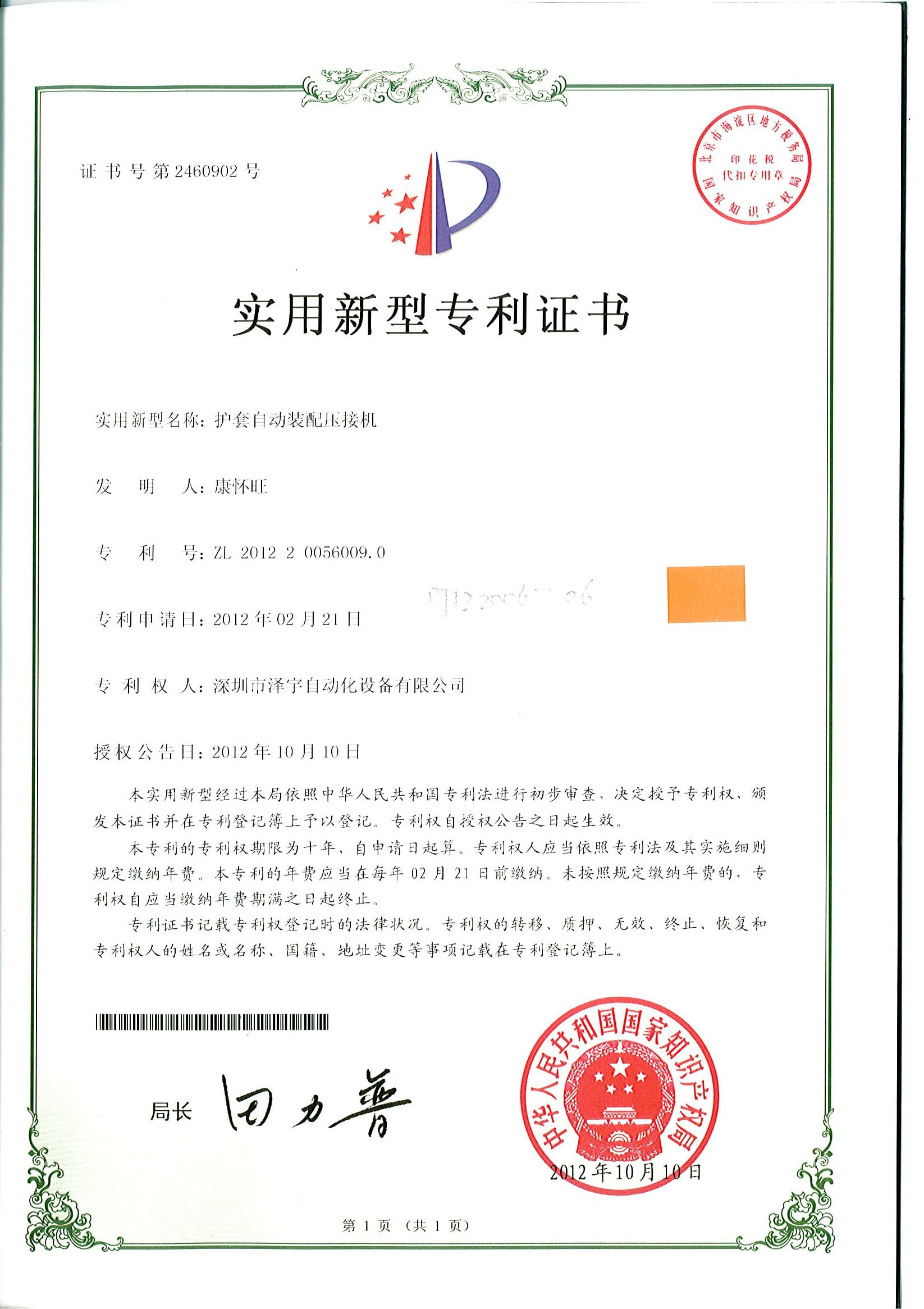
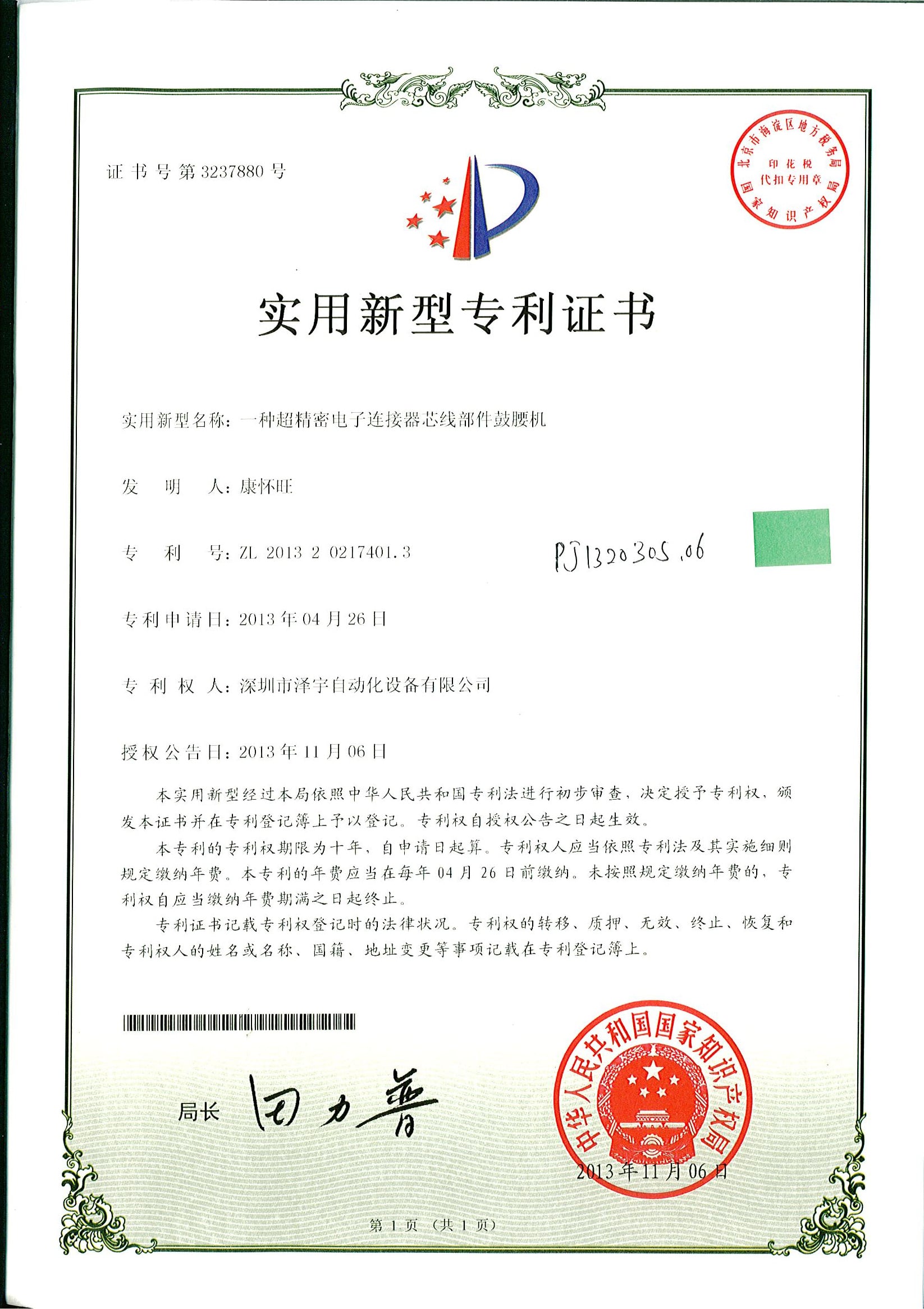
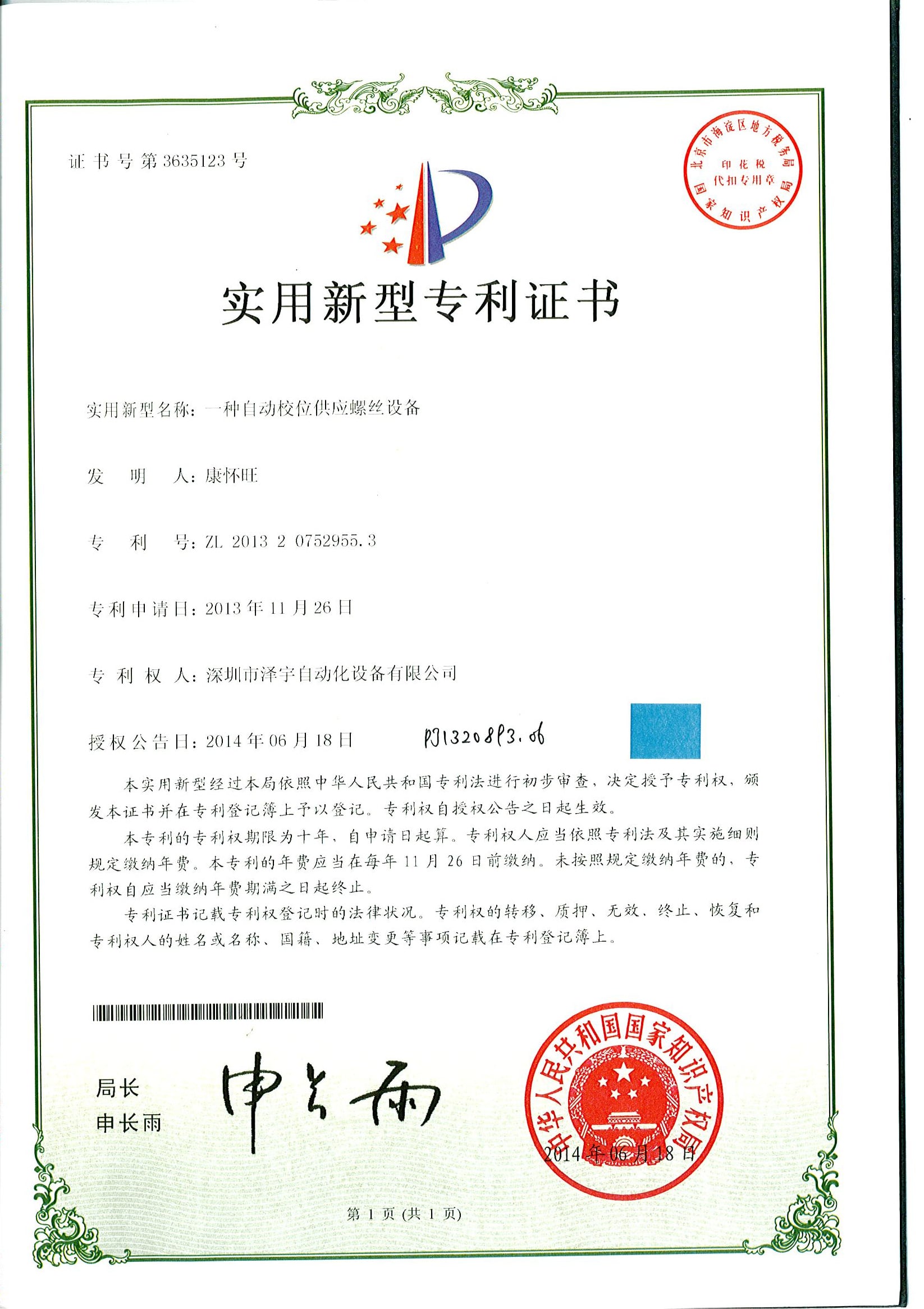
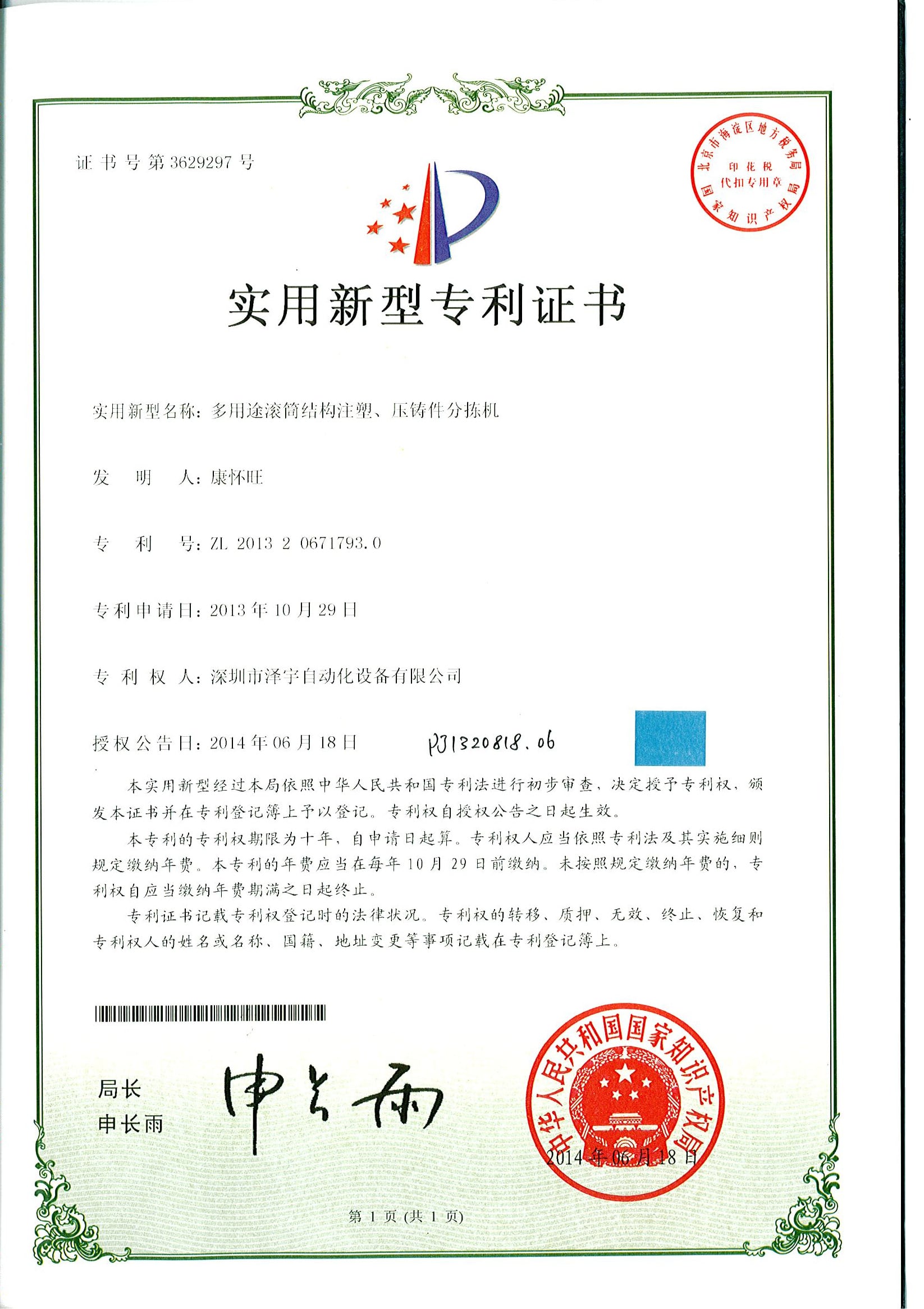
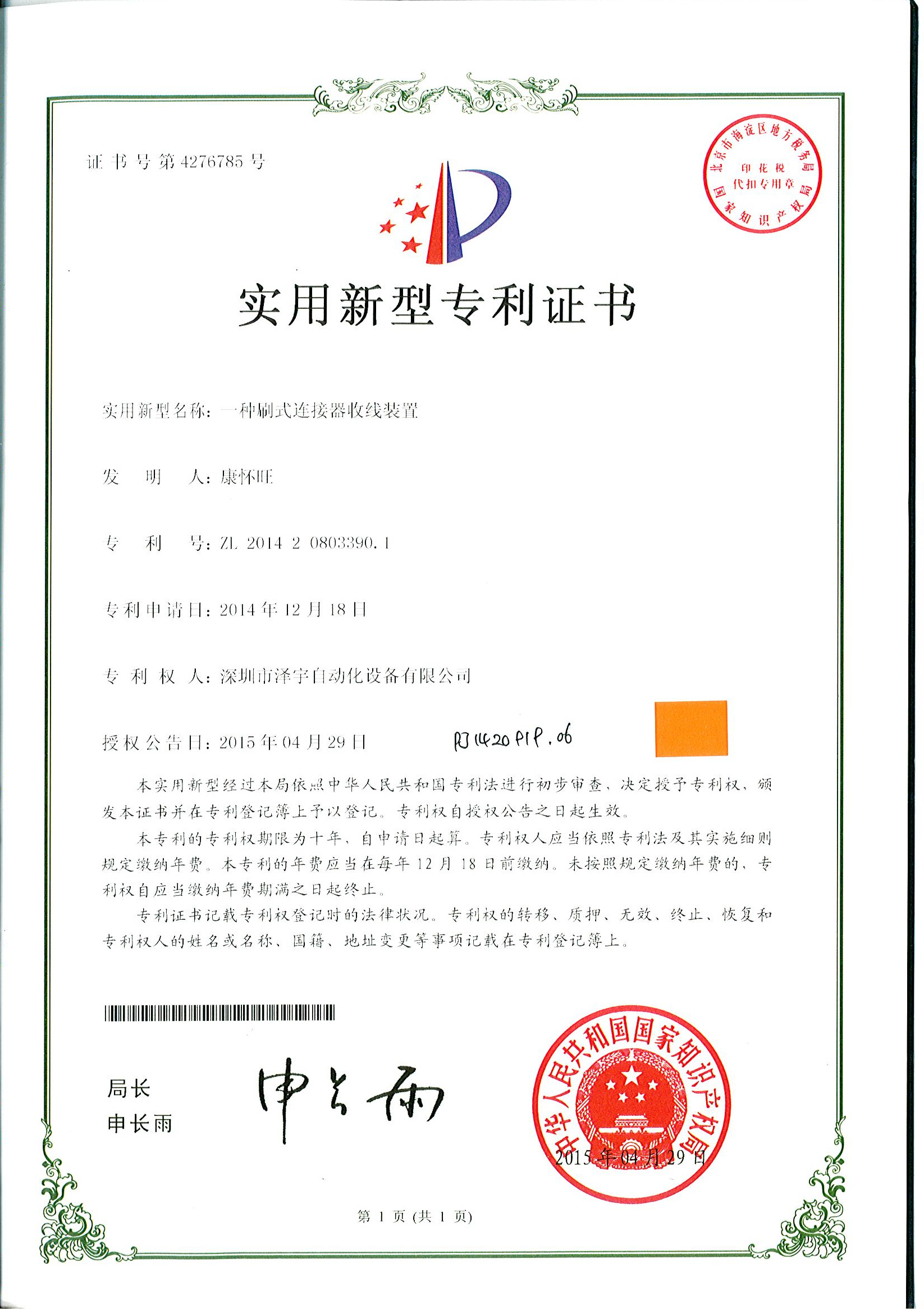
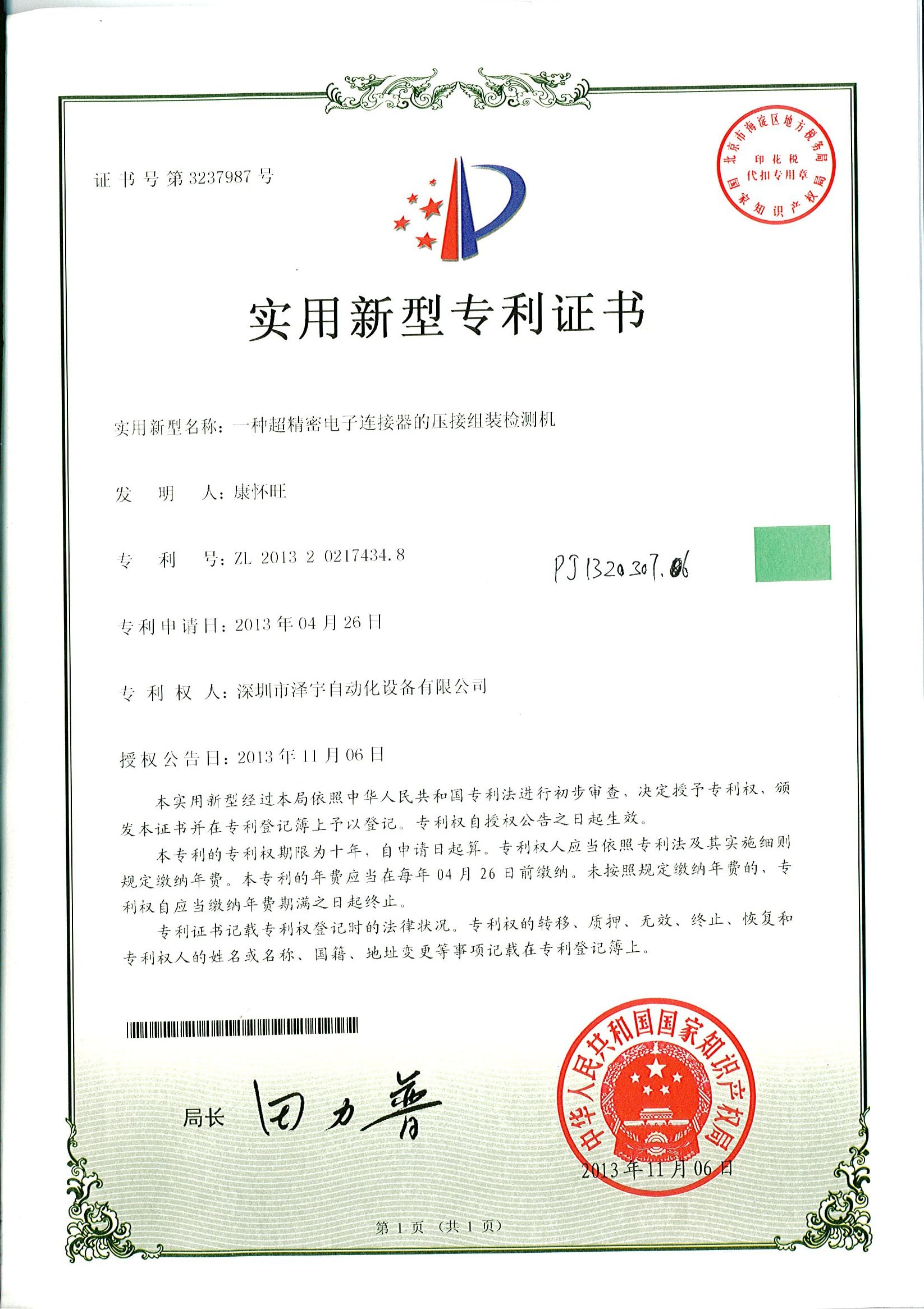
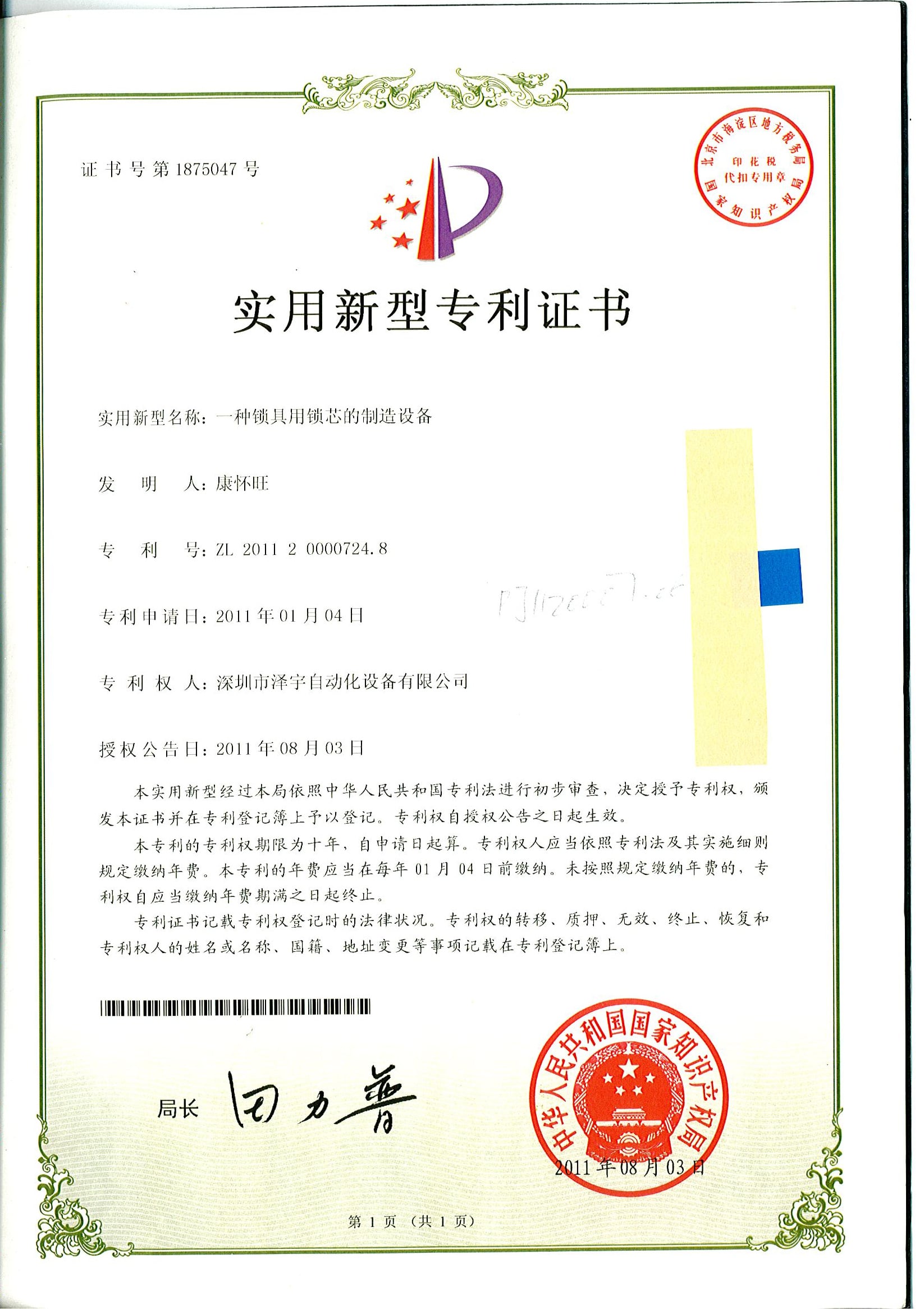
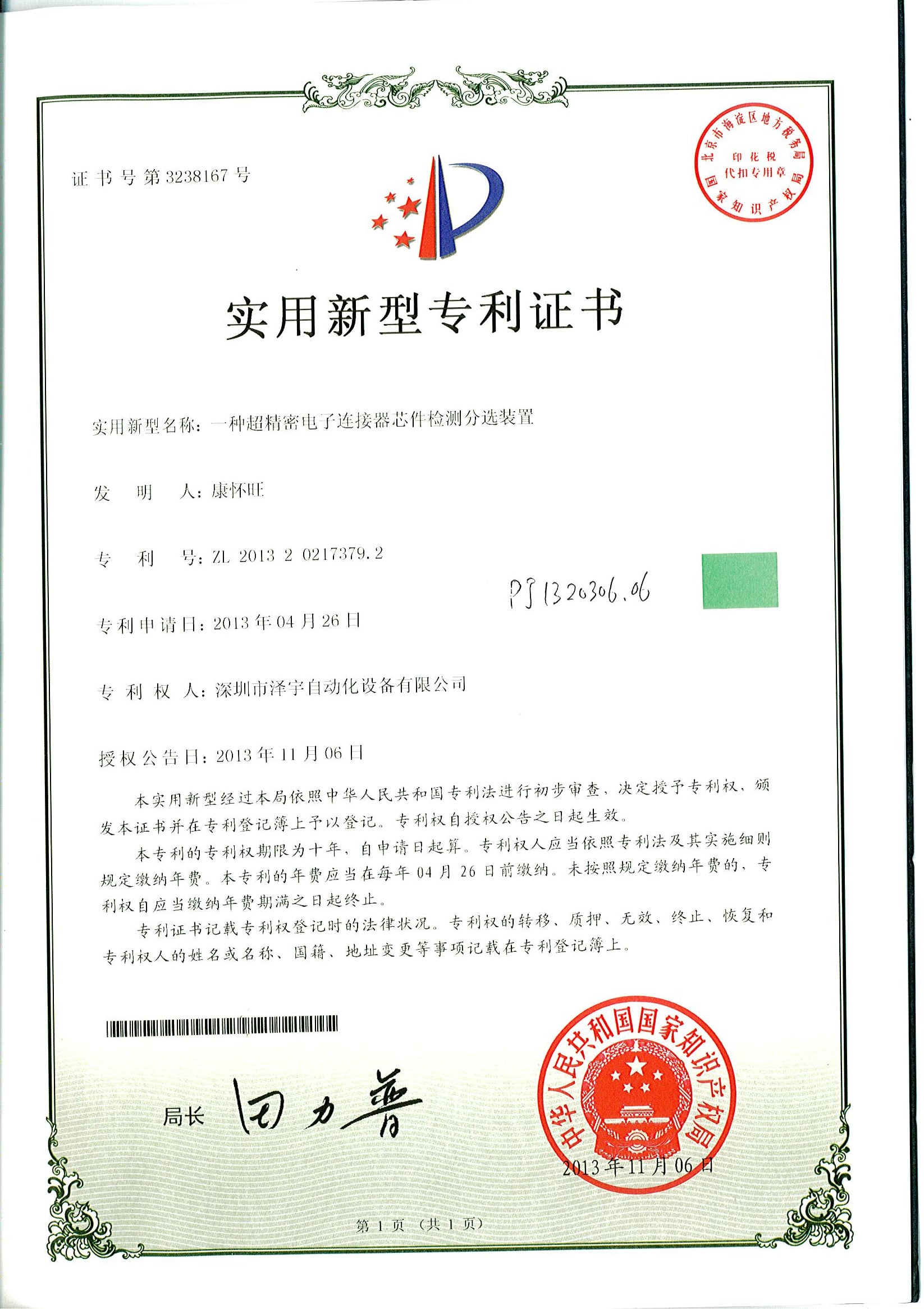
01/10
Telcordia GR-326
Single-mode connector end-face geometry: radius 7–25 mm, apex offset <50 µm, fiber height.
IEC 61300-3-16/17/23
End-face geometry measurement methods; IEC 61755-3 physical-contact grades.
NASA-STD-8739.5A
Fiber-optic termination workmanship: polishing, end-face inspection, cleanliness.
ISO 9001:2015
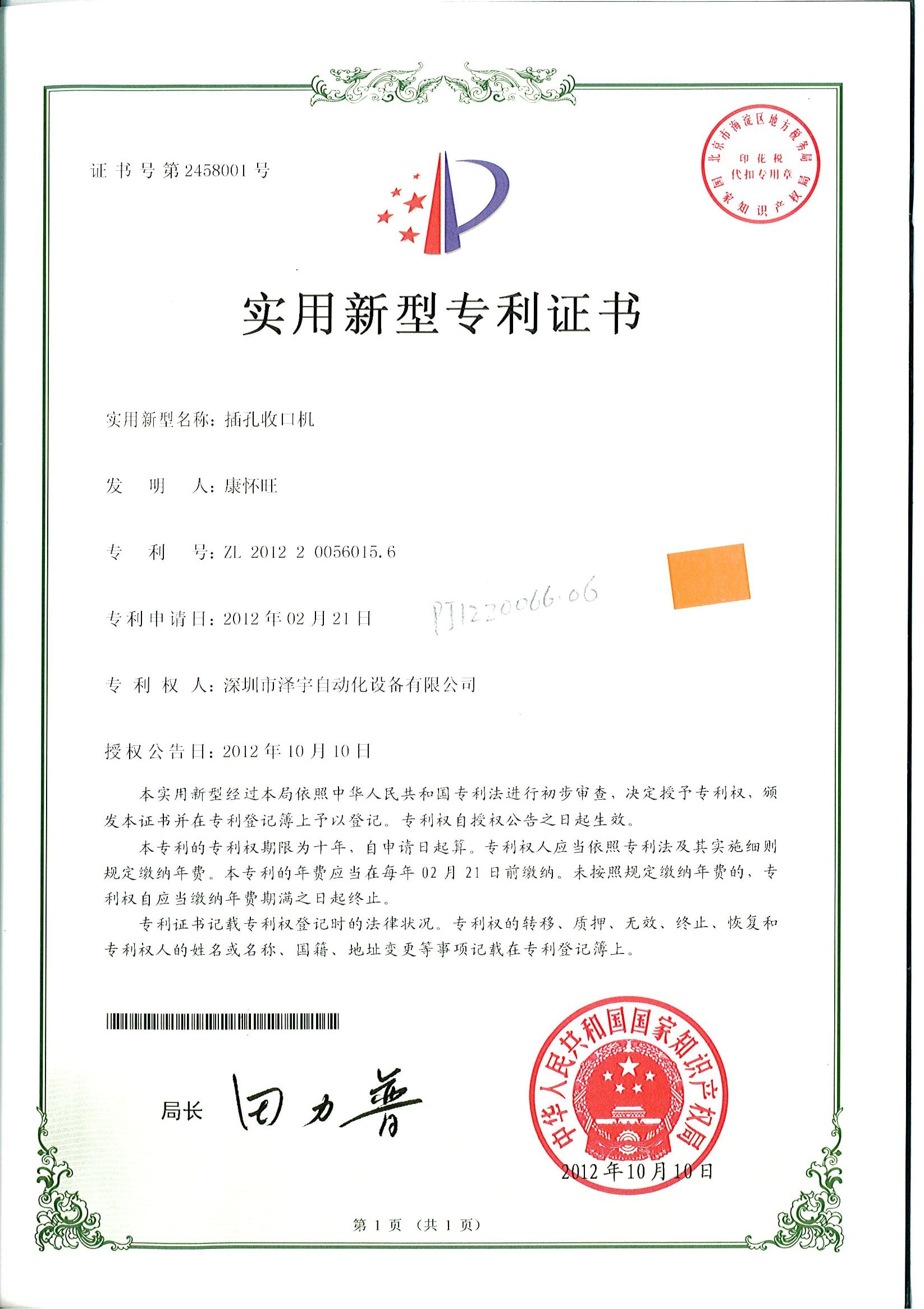
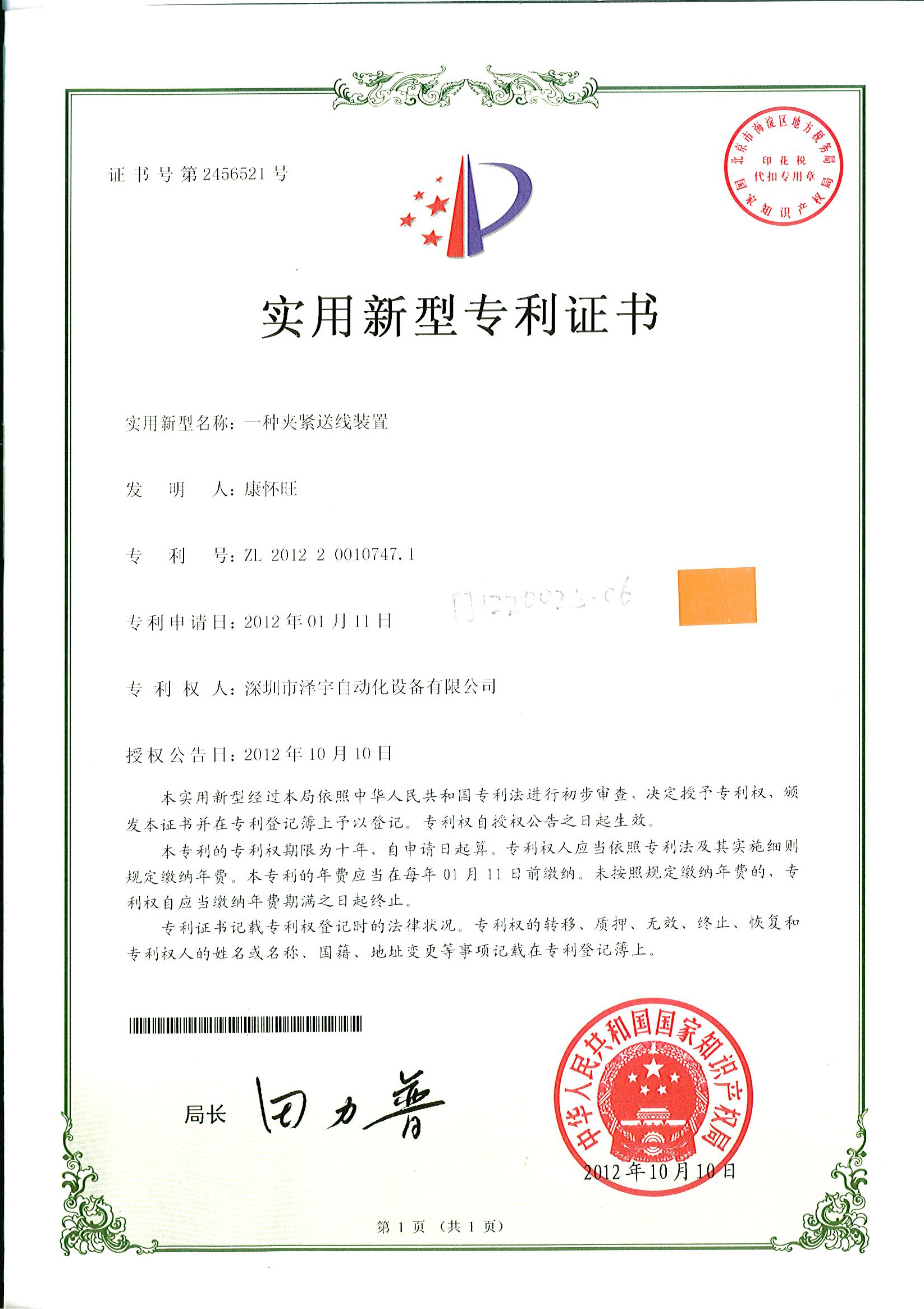
ZEUEE quality management system; National High-Tech and Sp-Inn (SRDI) Enterprise status.
These references are the same ones cited across the trade, SENKO and Promet Optics both anchor end-face acceptance to GR-326 and the IEC 61300 measurement series, and the IEEE literature ties end-face geometry directly to connector performance, and ISO 9001:2015 governs the quality system behind it (iso.org). Aligning a line to them means a connector that passes here passes at your customer’s incoming inspection too.
Procurement, Pricing Factors, Lead Time, Installation, and Training
Quotation and Pricing Strategy
A connector line is a configured capital purchase, not a catalog SKU, so a single list price would mislead more than it informs. What drives your quotation is a short set of factors, and being clear about them up front is part of how a fiber optic cable assembly manufacturer plans a build year.
Lead Time and Commitment
Buyers get burned when a vendor quotes a tidy price and a tidy week-count, then the install slips and the line sit uncommissioned while orders stack up behind it. One data-center program that booked an MPO line for a Q3 ramp can't afford a Q4 commissioning surprise. ZEUEE quotes the build, the install window, and the acceptance run as one commitment so the schedule risk is visible before you sign, not after.
What drives the quotation
01
Station count and process scope
a 3-station polish-and-test cell costs far less than a full 10-station line.
02
How many connector families sit in scope
single-family LC tooling is simpler than a line that also carries MPO/MT.
03
Inspection depth
changes the build, adding inline 3D interferometry and IL/RL sort raises both capability and cost.
04
Your throughput target
sizes the line, since fixture capacity and station parallelism scale with annual volume.
05
Integration
tie-in to existing dispense, cure, or MES systems.
Lead times across the fiber supply chain have stretched as hyperscale buildouts absorb capacity, so the practical advice is to lock a build slot early rather than chase a quoted week-count that the whole industry is struggling to hold . Flexible connector designs that make automation easier are themselves an active patent field (US11899250), and the line tools to them. Every ZEUEE line includes installation, an acceptance run against your parts, and operator training, with wear-part support afterward.
Contact ZEUEE for a detailed quotation based on your connector mix and volumeOptical Connector Line Performance and Deployment Modules
FAQ, Optical Connector Assembly Line
Why is automating fiber optic connector assembly so difficult?
Flexible fiber is harder to handle than a rigid part, and there's no single standardized assembly recipe that holds across every connector family, so the tooling that work for an LC ferrule doesn't simply transfer to a 24-core MT. That fragmentation is exactly why most assembly work is still done by hand, and why the trade press keep calling for automation-ready, reconfigurable equipment rather than one fixed machine . ZEUEE's station-based design answers that by treating each process as a module you retool, not a line you replace.
Will one line handle our different connector configurations?
Yes, one chassis tools between LC, SC, FC, ST, and MPO by swapping fixtures and polish recipes.
How do you reduce expense while increasing connector quality?
By recovering first-pass yield. Moving from a 60–70% manual baseline toward the reported +25% automated lift means fewer connectors get re-polished, re-tested, or scrapped, and rework labor falls 60–80% .
Do we have enough volume to justify a full line?
Full inline automation typically pays off above 100,000 connectors per year. Below that, a modular semi-automated build holds the same end-face geometry without the capital you wouldn't amortize, we'll tell you which fits.
What end-face quality can the line hold?
Radius of curvature within the 7–25 mm GR-326 window and apex offset under 0.05 mm (50 µm), verified by inline interferometry before optical test. Realized numbers are confirmed on an acceptance run against your own connectors.
Can the line keep up with MPO demand for hyperscale data centers?
Yes. An MPO-dedicated configuration targets 12- and 24-core MT ferrules at volume, and because the same chassis also runs your LC and SC work between MPO batches, the line stays busy rather than idling between programs. Given how far fiber lead times have stretched across the supply chain, booking a build slot early is the realistic move.
WHY WE WRITE THIS
About ZEUEE Engineering Insights
ZEUEE shares technical guides based on real automation project experience. Since 2005, we have designed and manufactured non-standard automation equipment for connector assembly, wire harness production, robotic lines, vision inspection, and smart factory upgrades.
Founded in 2005
20,000 m² production base
120+ specialists
150+ R&D patents
ISO9001:2015 certified
![Automated Screwdriving: Torque & Cycle Time [Guide]](https://zeueeauto.com/wp-content/uploads/2026/10/automated-screwdriving-featured-150x150.png)