Get in touch with Zeyu lntelligent Industrial Company

Robot Integration
Automated Robotic Assembly Systems & Robot Integration
ZEUEE designs, builds and integrates the line that fit your part, brand-agnostic robotic assembly cells when your mix is wide, and dedicated servo assembly machines when your volume and tolerances are tight. Twenty years, 10,000+ delivered projects, 30+ countries.
±0.02–0.08 mm
Integrated-cell repeatability (per ISO 9283)
10–13 pcs/min
Spirakam servo press-fit line
5
Robot brands integrated
150+
R&D patents
30+
Countries delivered
ISO 9001
+ CE, National High-Tech
Why Manual & Off-the-Shelf Assembly Hits a Ceiling, and How Robotic Assembly Breaks It
Automated robotic assembly replaces the part of your line where a human hand is the bottleneck, the repetitive insert, press, fasten, dispense and inspect steps on the assembly line that decide both your throughput and your scrap rate. The pressure to automate is structural, not optional: U.S. factories run at 295 robots per 10,000 manufacturing employees, tenth in the world, while South Korea sits at 1,012 and China has climbed to 470 . Global robot density doubled inside seven years.
Labor math makes the ceiling concrete.
Deloitte and The Manufacturing Institute project that as many as 1.9 million U.S. manufacturing jobs could go unfilled by 2033 . You can’t hire your way to a stable assembly process when the people aren’t there to hire, a demographic shortfall that MIT economists tie directly to faster automation adoption.
Manual assembly also drifts.
A human operator works to roughly ±0.5–1.0 mm of hand placement and a defect rate commonly reported around 1–3% , and that variation grows across a shift as fatigue sets in. A robotic assembly cell or a dedicated servo machine holds the same position to hundredths of a millimeter, cycle after cycle, on the third shift as on the first. That’s the gap ZEUEE engineers close, sometimes with an integrated robot assembly cell, sometimes with a purpose-built machine like our Spirakam servo press-fit line.
One honest caveat before any quote: automation doesn’t fix a bad incoming part.
Trade engineers put hard numbers on it, on a five-part product running 50 units per minute, just 500 defective parts per million will idle the line about 20% of the time; push that line to 500 units per minute and downtime climbs above 70% . On the first call, ZEUEE engineers say the same thing: tighten incoming quality to under 1,000 ppm, or the fastest machine on earth will sit jammed.
ZEUEE Automated Assembly Solutions: Robot Cells & Dedicated Assembly Machines
There’s a buyer myth worth killing early: that a flexible robot cell is always the right answer. It isn’t. A robot running sequential motions can’t out-run a parallel-station dial machine, because the physics won’t allow it. Independent build data puts the robotic-cell sweet spot at roughly 10,000–500,000 units per year; above about 500,000 units you’ve to duplicate cells rather than speed one up, and a wrong-class purchase is an expensive risk that can carry a 40% cost overrun within two years. Honestly, industrial buyers in the EU and US need both options on the table. That’s exactly why ZEUEE engineers build in two directions instead of selling one hammer for every nail, and route every RFQ through the model below.
AUTO / CLICK TO FLIP
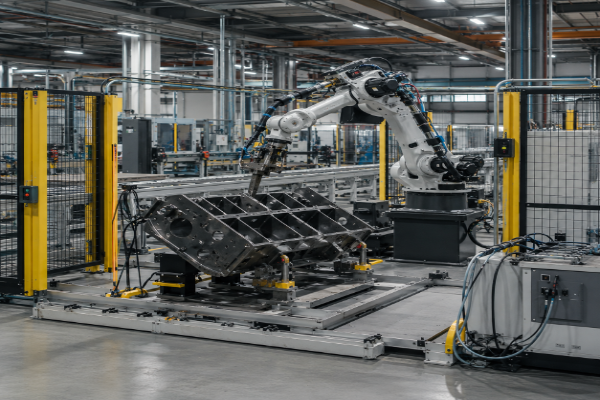
Robot-Integrated Assembly Cells
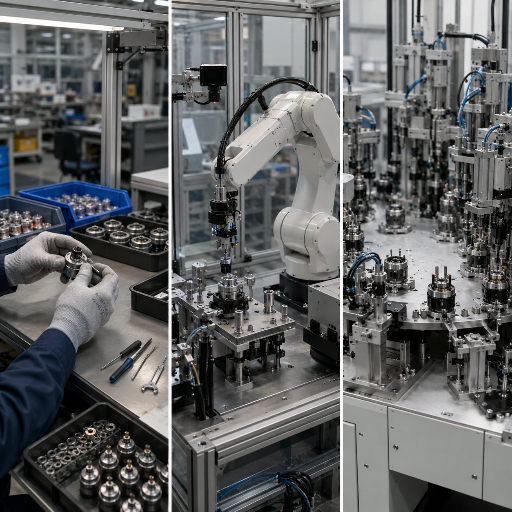
When your product mix is wide, parts arrive unfixtured, or you need to redeploy the line next year, we integrate a brand robot, 6-axis articulated, SCARA, delta or collaborative, with grippers, vision and conveyors into a working cell. Typical cycle 10–30 s per assembly; software changeover instead of new tooling. That build-once, redeploy-many logic is captured in granted methods such as US 12,005,588 B2.
AUTO / CLICK TO FLIP
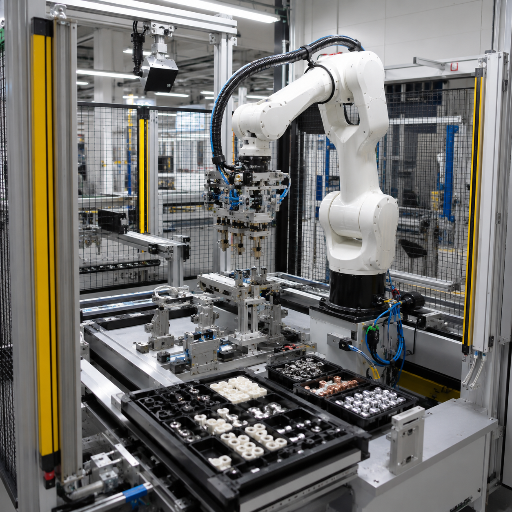
Dedicated Servo Assembly Machines
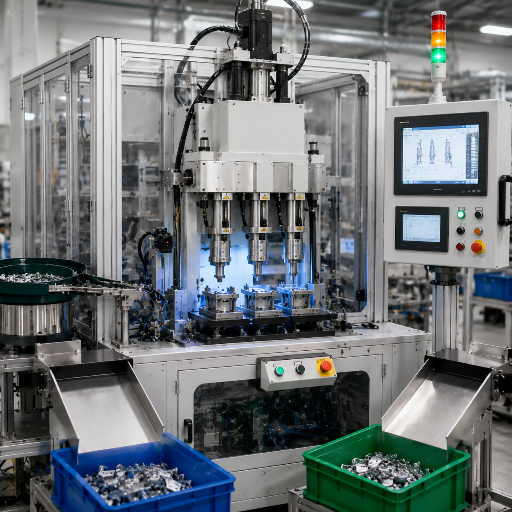
When volume and tolerances dominate, a purpose-built automated assembly system wins on cost-per-part. Our Spirakam C40-ZY02-01 servo press-fit machine assembles zinc-alloy mating parts at 10–13 pcs/min, presses three parts per cycle, then verifies each press dimension with a displacement sensor and sorts good from bad automatically.
ZEUEE Cell-or-Machine Routing Model
Buyers tell us the hardest part of an RFQ is knowing which class of machine they’re even buying, two systems that look identical from the outside can differ 2–3× in price. This routing table is the same logic our application engineers use on the first scoping call.
| Annual volume | Product mix | Part precision | Changeover need | ZEUEE recommendation | Typical cycle |
|---|---|---|---|---|---|
| < 10,000 | High / variable | Moderate | Frequent | Collaborative-robot cell | 15–45 s |
| 10k–100k | High | ±0.05 mm | Frequent | 6-axis robot cell | 10–30 s |
| 100k–500k | Medium | ±0.03 mm | Occasional | Robot cell or hybrid line | 10–20 s |
| 500k–2M | Low / stable | ±0.02 mm, press-fit | Rare | Dedicated servo machine (Spirakam class) | 3–8 s/index |
| > 2M | Single product | Tight | None | Multi-station dedicated line | < 5 s |
| Any | Parts > 35 kg | — | — | Fenced 6-axis industrial cell | by payload |
| Any | Fenceless beside operators | Moderate | — | Cobot cell (≤ 250 mm/s) | 15–45 s |
| High | Metal press-fit (zinc / brass) | ±0.02 mm | Rare | Servo press-fit machine | 3–8 s |
| High | Feed + inspect + sort | Dimensional QC | Rare | Dedicated machine, vibratory feed + displacement QC | 4–8 s |
| Any | Existing line upgrade | — | — | Brand-agnostic robot integration / retrofit | line-dependent |
Robotic Assembly vs. Manual vs. Fixed Automation, A Data Comparison
Buyers rarely face a simple “robot or not.” The real question is which architecture earns its capital on your volume and tolerance. Manual placement is inconsistent, and the cost of choosing the wrong architecture is an expensive, multi-year risk. Below are specific numbers, not High/Medium/Low, because a procurement manager can’t sign off on adjectives, and because ZEUEE engineers size the architecture to the rate before quoting it.
| Dimension | Manual assembly | Robotic cell | Dedicated servo machine |
|---|---|---|---|
| Cycle time | ~20 s/unit | 10–30 s/assembly | 4.6–6 s/cycle (10–13 pcs/min) |
| Placement repeatability | ±0.5–1.0 mm (hand) | ±0.02–0.08 mm | Displacement-sensor verified |
| Consistency across a shift | Drifts with fatigue | Holds 24/7 | Holds 24/7 + 100% auto sort |
| Direct labor / station | 1–3 operators | ~1 operator / multi-cell | Near-unattended |
| Changeover | Instant | Software (hours) | Mechanical tooling |
| Best annual volume | < 10,000 | 10k–500k | 100k–2M+ |
| Documented payback | — | ~2.6–3 yr (peer-reviewed) | Volume-driven |
What “Consistency” Buys
A peer-reviewed deployment on an automotive component line shows what “consistency” buys: converting a manual station to a robotic cell cut the defect rate from 2.30% to 0.30% and reduced manning from three operators to one, while cycle time improved about 15%. The defect drop, not the speed, is usually where the money is.
Defect Rate
0.30%
Manning
1 Operator
Cycle Time
15% Improved
Engineering note, the cobot speed trap
Buyers often assume a collaborative robot is the fast, cheap default. Run the safety standard. Under ISO/TS 15066 power-and-force-limiting, an un-fenced cobot is held near 250 mm/s, against roughly 2,000 mm/s for a properly guarded industrial arm. A line moving ~10 units/min in caged mode can fall to 1–1.5 units/min fenceless. Cobots are the right tool for low-volume, operator-adjacent work, not for hitting a high-rate target.
Proven on the Floor: The Spirakam Servo Press-Fit Line
The Spirakam C40-ZY02-01 is a working ZEUEE machine, not a render. It assembles a male and a female zinc-alloy part by servo press-fit, and it shows how we build consistency into the mechanism rather than bolting inspection on at the end.
The Servo Press-Fit Quality Loop
Quality on this machine is a closed loop, not a final-station gamble. Parts feed from vibration bowls into a magazine that hold over three hours of stock, so the line doesn’t stop to be fed. Three parts at a time are grabbed by a handling mechanism and seated in the fixture.
Its press is a servo electric cylinder, not a blunt pneumatic ram, so a set stroke and force repeat the same join on every cycle. Once pressed, each part is measured by a displacement sensor, and the machine sorts good from bad automatically before it ever reaches a human.
Feed → grip three → servo-press → measure → sort: each loop is self-checking, which is why dimensional escapes are caught at the station instead of at the customer.
Verified Specifications
Throughput 10–13 pcs/min · three parts pressed per cycle · servo press-fit with settable stroke and force · displacement-sensor dimensional check with automatic good/bad sorting · 3-hour magazine buffer · footprint 1400 × 900 × 1850 mm · 2 kW · 0.4–0.6 MPa air / 220 V AC.
That 10–13 pcs/min (about a 4.6–6 second cycle) places it squarely in the dedicated-machine band, where a rotary or linear servo platform out-produces a robot cell on a stable, high-volume part.
“We size the servo press, not just the robot. On the Spirakam line the displacement sensor is the point, a pneumatic press can seat a part out of spec and never know it, so we close the loop in the mechanism.”— ZEUEE Engineering Team
Manual-to-Robotic Cost-Recovery Math
Project arithmetic is simple to write and easy to get wrong: labor displaced multiplied by shift count, set against the all-in system cost. ZEUEE engineers run that math against your real shift model before quoting, because a single-shift line and a two-shift line on the same machine pay back years apart.
On the payback question, we stay honest about what’s ours to claim and what’s industry context. Your number depends on your shift count and part, two-shift operation is usually what turns the math positive. We won’t claim a payback that isn’t yours.
$65k-85k
Yearly Direct-Labor Savings
2.57
Years Simple Payback
70%
Per-Unit Labor Cost Drop
Request ROI Assessment
Source: Manufacturing Extension Partnership (MANTEC)
& Independent Cost-Benefit Studies
Robotics Integration Expertise
How ZEUEE Integrates Robots Into Your Line, Brand-Agnostic Design, Build & Deploy
Most assembly automation projects don’t fail on the robot, they fail on the integration. The recurring pattern is “islands of automation” where a cell waits on a starved conveyor, copy-pasted cell designs that ignore real part variability, and vision cameras bolted on at the end that throw false rejects . The buyer line we hear most: “we invested in automation, but our OEE hasn’t really moved.” We integrate to move OEE, and we aren’t married to one robot badge.
Robot-Brand Integration Board
We select the robot to the task and the standard, then build the feeding, fixturing, vision and control around it, fitting the cell into your existing assembly line and production workflow. We integrate the major platforms rather than locking you into ours.
| Robot / station type | Typical assembly task | Where it fits | Brands we integrate |
|---|---|---|---|
| 6-axis articulated | Pick-place, fastening, dispensing, welding | Wide reach, heavier parts | FANUC · Yaskawa · KUKA · ABB |
| SCARA | High-speed insertion, screwdriving | Fast small-part assembly | SCARA-class arms |
| Delta / parallel | Ultra-fast pick-and-place, sorting | Light, very high rate | ABB · FANUC |
| Collaborative (cobot) | Operator-adjacent assist, low volume | Fenceless, flexible | Universal Robots |
| Cartesian / gantry | Large-area dispensing, palletizing | Big work envelope | Custom-built |
| Servo press-fit station | Press-fit, riveting, seating | Dedicated high-volume | ZEUEE-built (Spirakam) |
| Vibratory bowl + linear feeder | Part feeding and orientation | Front of any line | ZEUEE-built |
| Vision / CCD station | In-line inspection, pose correction | Quality + guidance | ZEUEE + machine vision |
| Displacement-sensor + sorter | Dimensional verify, good/bad sort | Closed-loop QC | ZEUEE-built (Spirakam) |
| Conveyor / indexer | Material handling between stations | Line backbone | ZEUEE-built |
The reason brand-agnostic matter is buyer lock-in, proprietary fleet software and data trapped in one vendor’s format is a top regret after a multi-year commitment. Vision-guided assembly is now mature enough to absorb part-position variation rather than demanding rigid fixturing: USPTO-granted methods compute a part’s full 3D pose and feed the offset to the robot so it corrects on the fly (for example US 10,776,949 B2 and the automotive-grade control of US 9,586,320 B2) . We design for the parts you actually run, not the idealized ones.
Integration Standard
Engineering Credentials & Quality Standards
“The robot is certified” and “the cell we install is certified” are two different promises, and the gap between them is where procurement risk hides.
ISO 10218-1 covers the robot’s own safe design, the robot maker’s job. ISO 10218-2 covers the integrated application and the cell as built, and that is ZEUEE’s responsibility as the integrator. The structural reason this matters: a buyer who specifies only “a certified robot” can still be handed a non-compliant cell. Both parts were revised in 2025, and in the U.S. ANSI/RIA R15.06-2012 was superseded by ANSI/A3 R15.06-2025 in November 2025, specifying a vendor against the withdrawn 2012 standard is a compliance risk, not a detail.
Robot repeatability is not a marketing word; it is a measurement governed by ISO 9283, which defines how pose accuracy and repeatability are tested. ZEUEE has run its quality system to ISO 9001:2015 for 20 years.
±0.02–0.08mm
Cycle-to-cycle repeatability maintained by ZEUEE engineers in integrated cells.
ZEUEE’s customer list, demanding industrial buyers in the EU and US, sits behind those numbers, which is the structural reason ZEUEE certifies the cell, not just the robot.
AVIC
TE
Sumitomo
Corning USA
LEGO
SONY
Foxconn
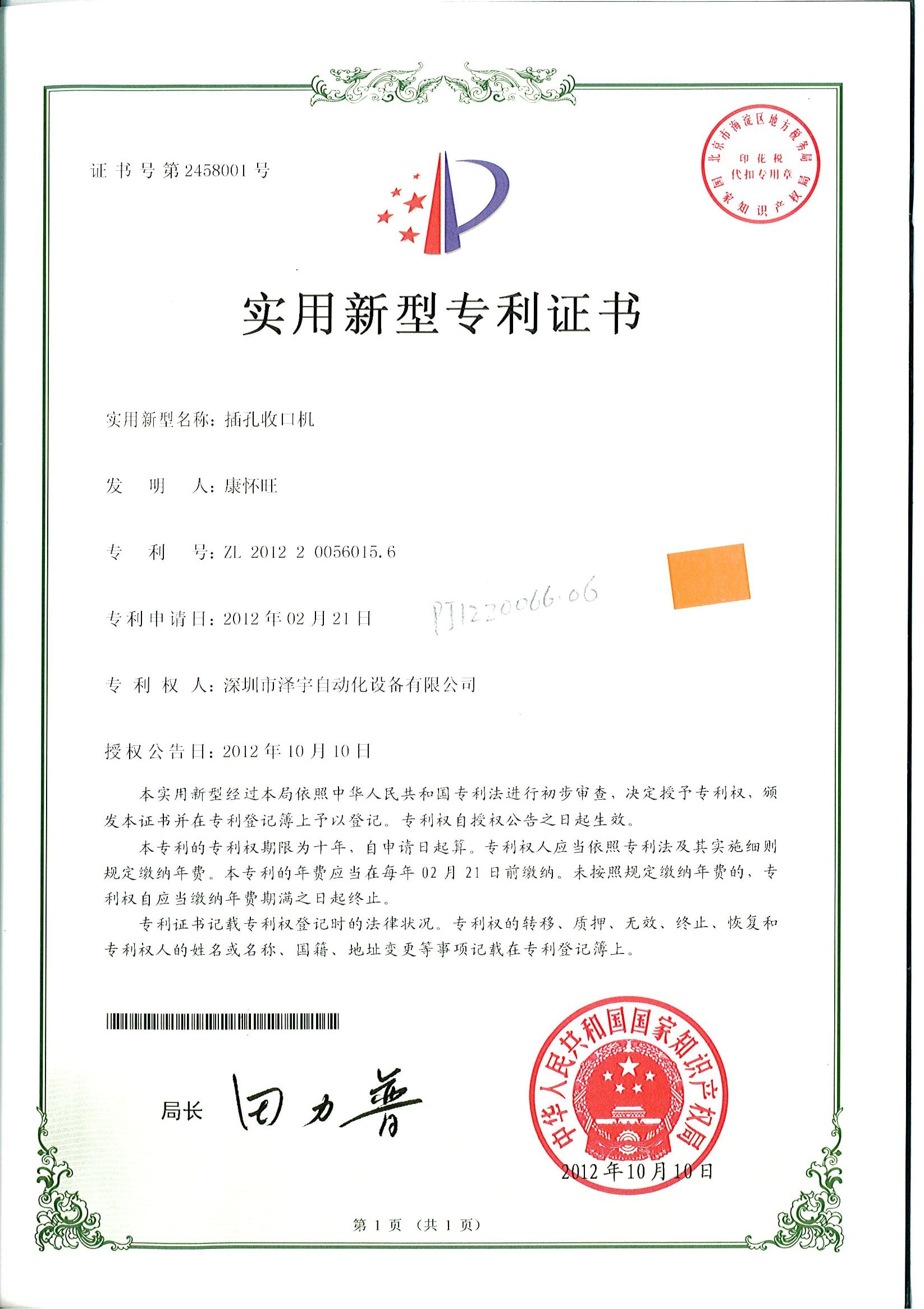
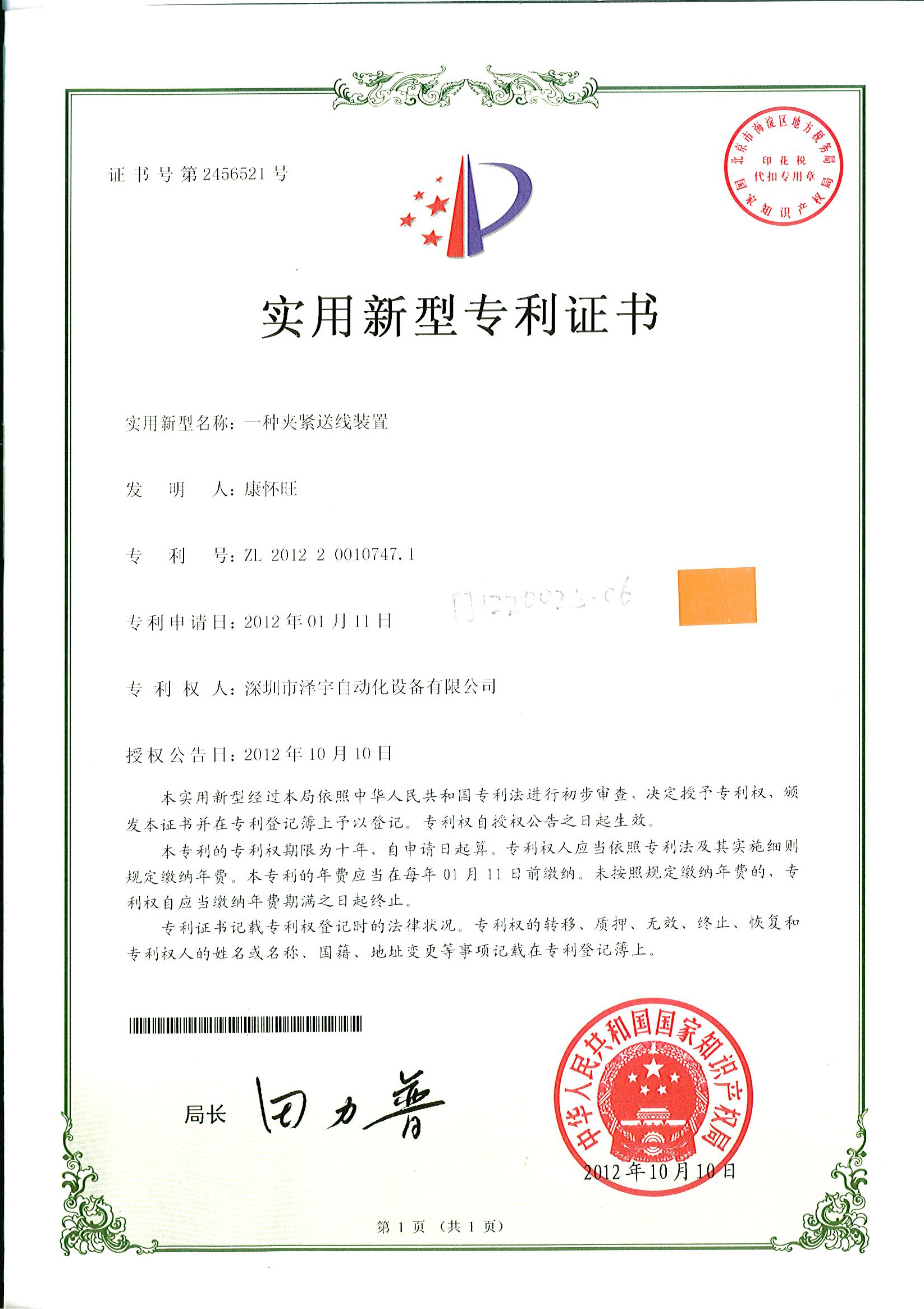
Official Docs
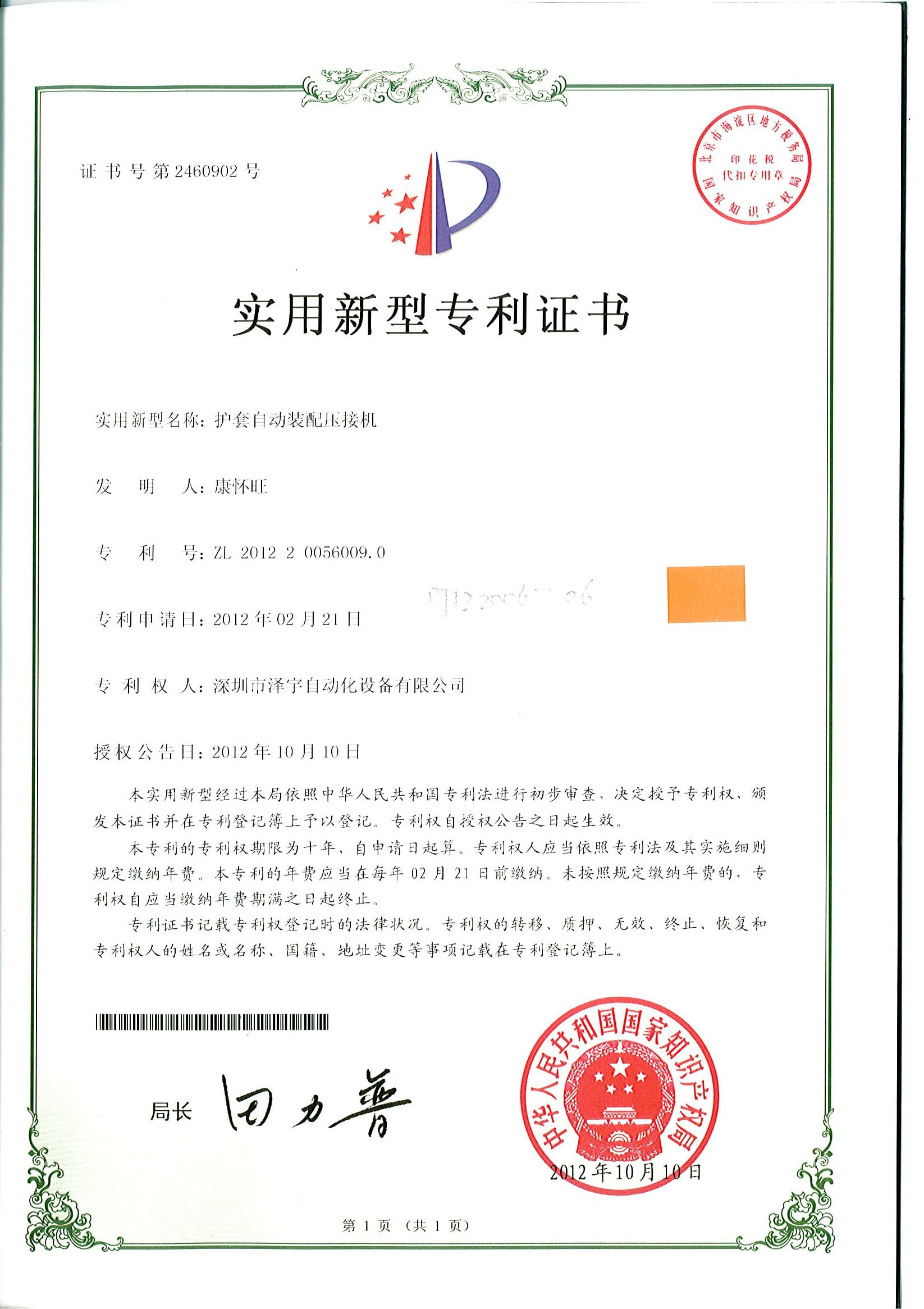
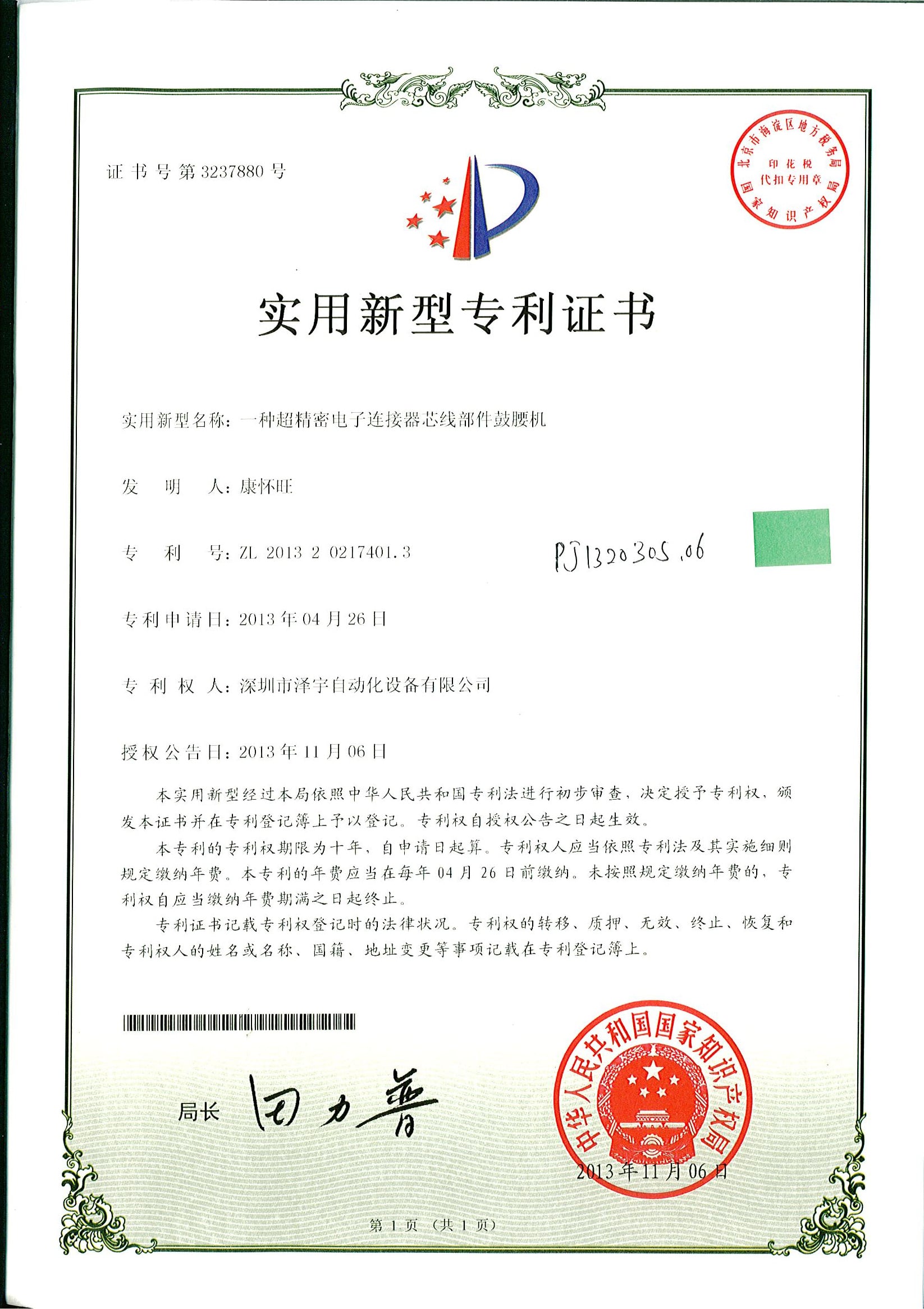
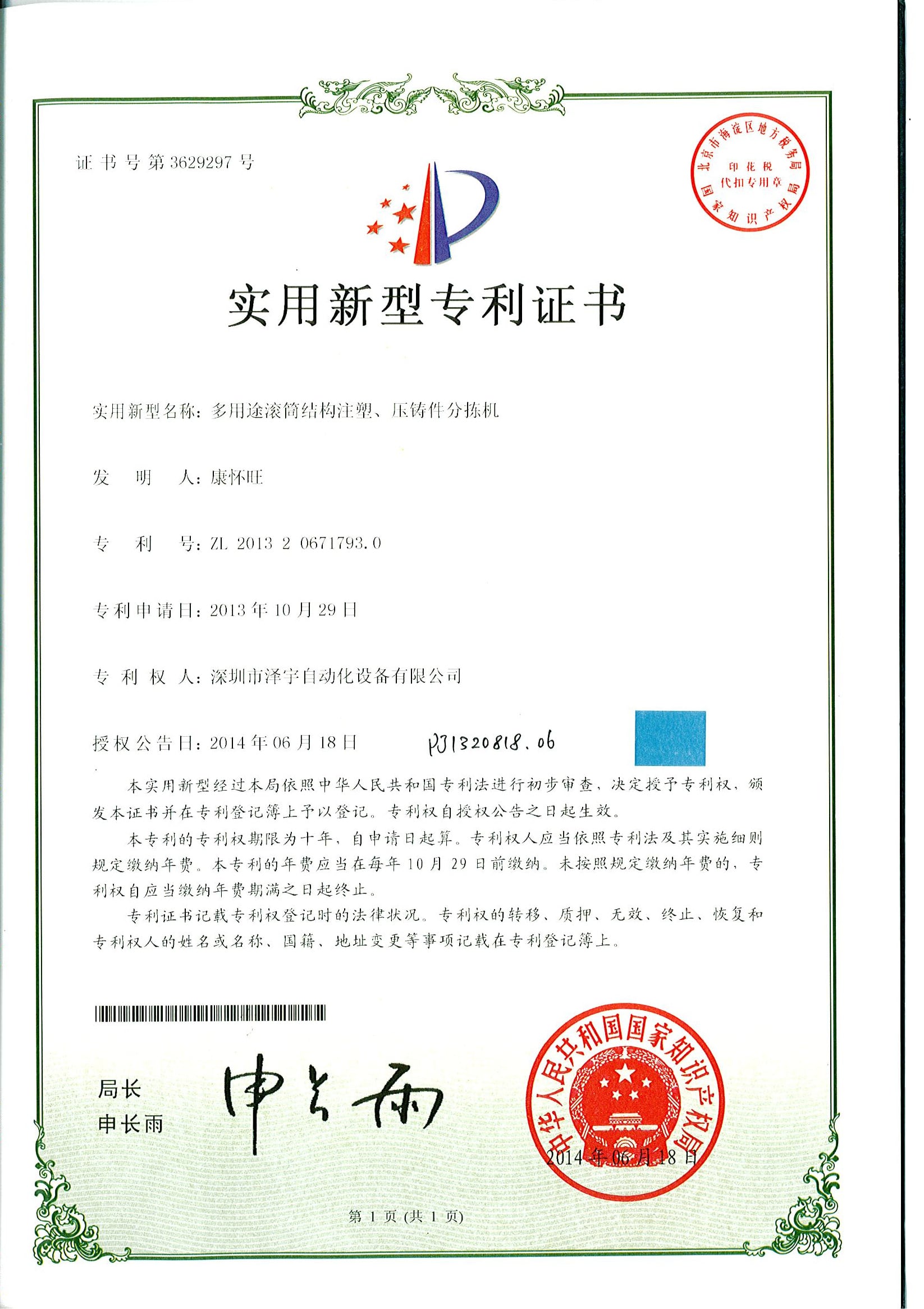
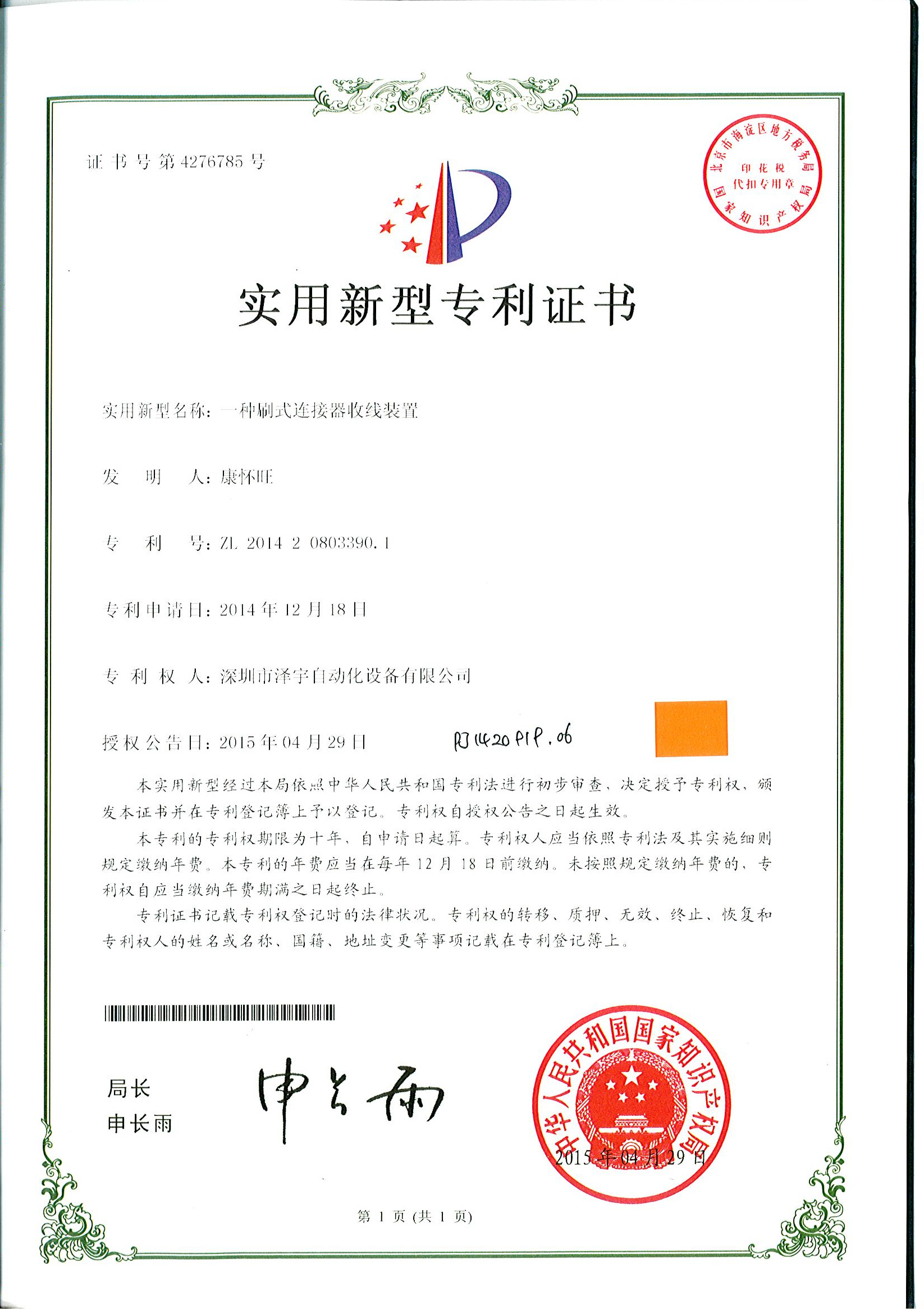
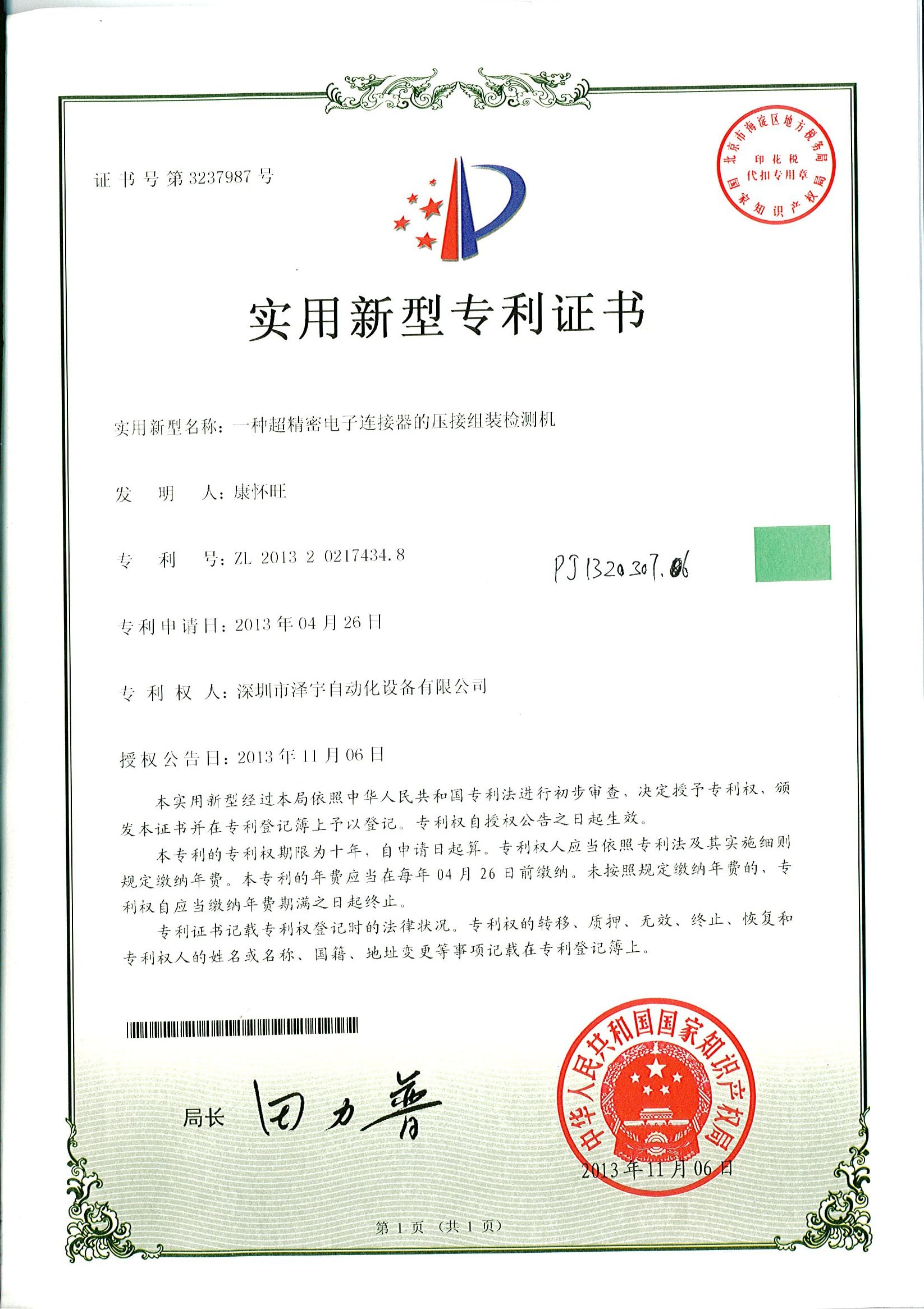
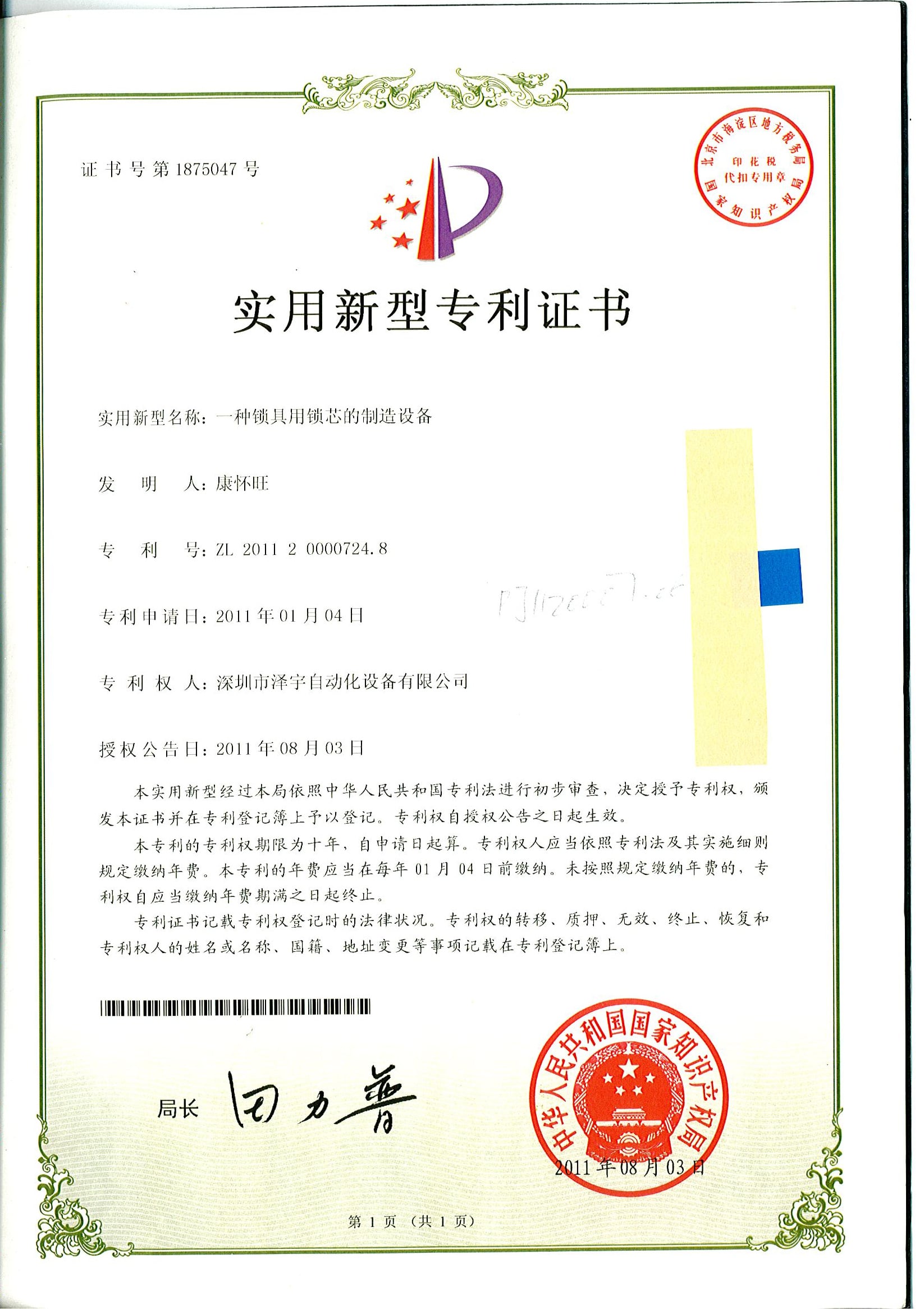
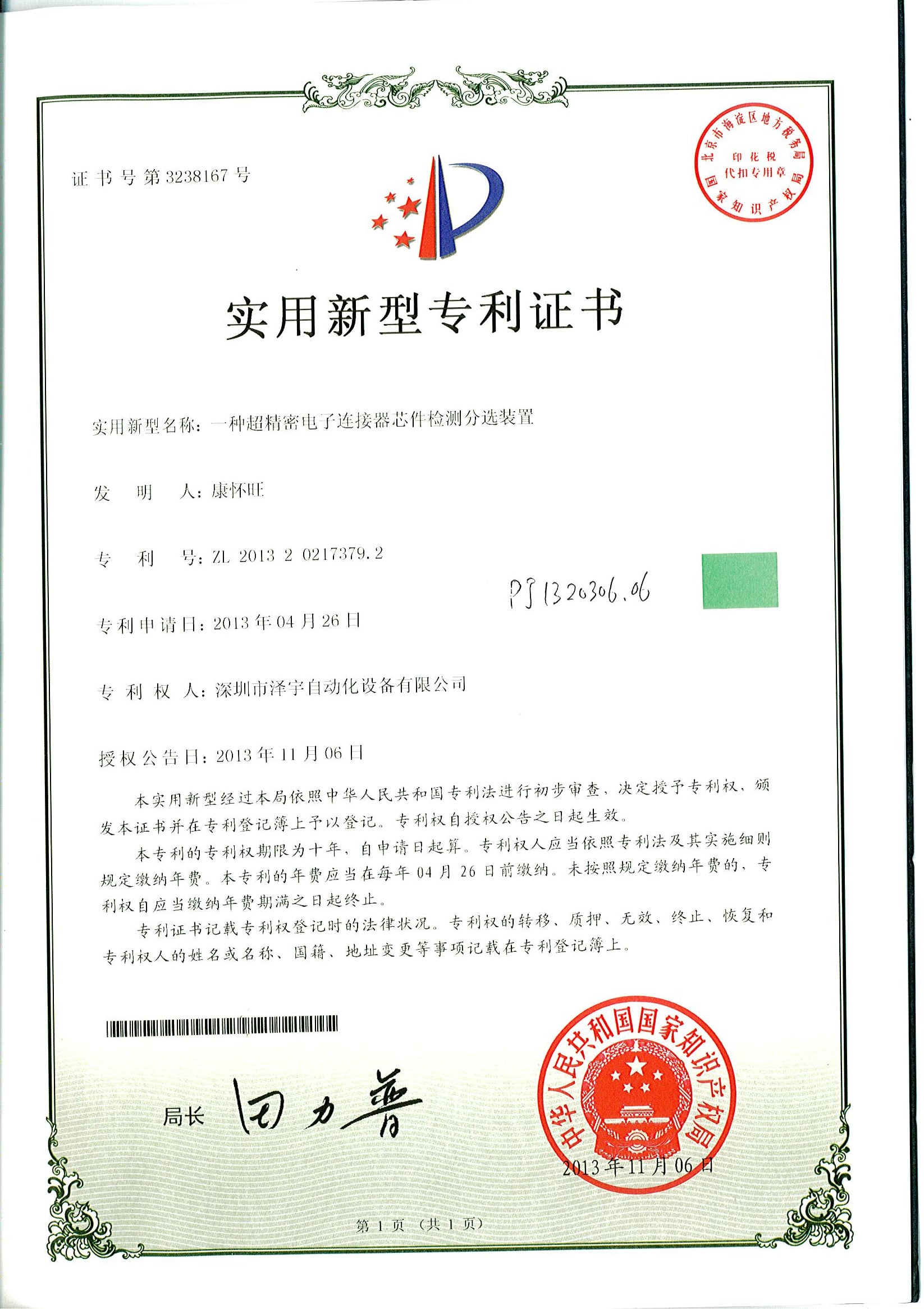
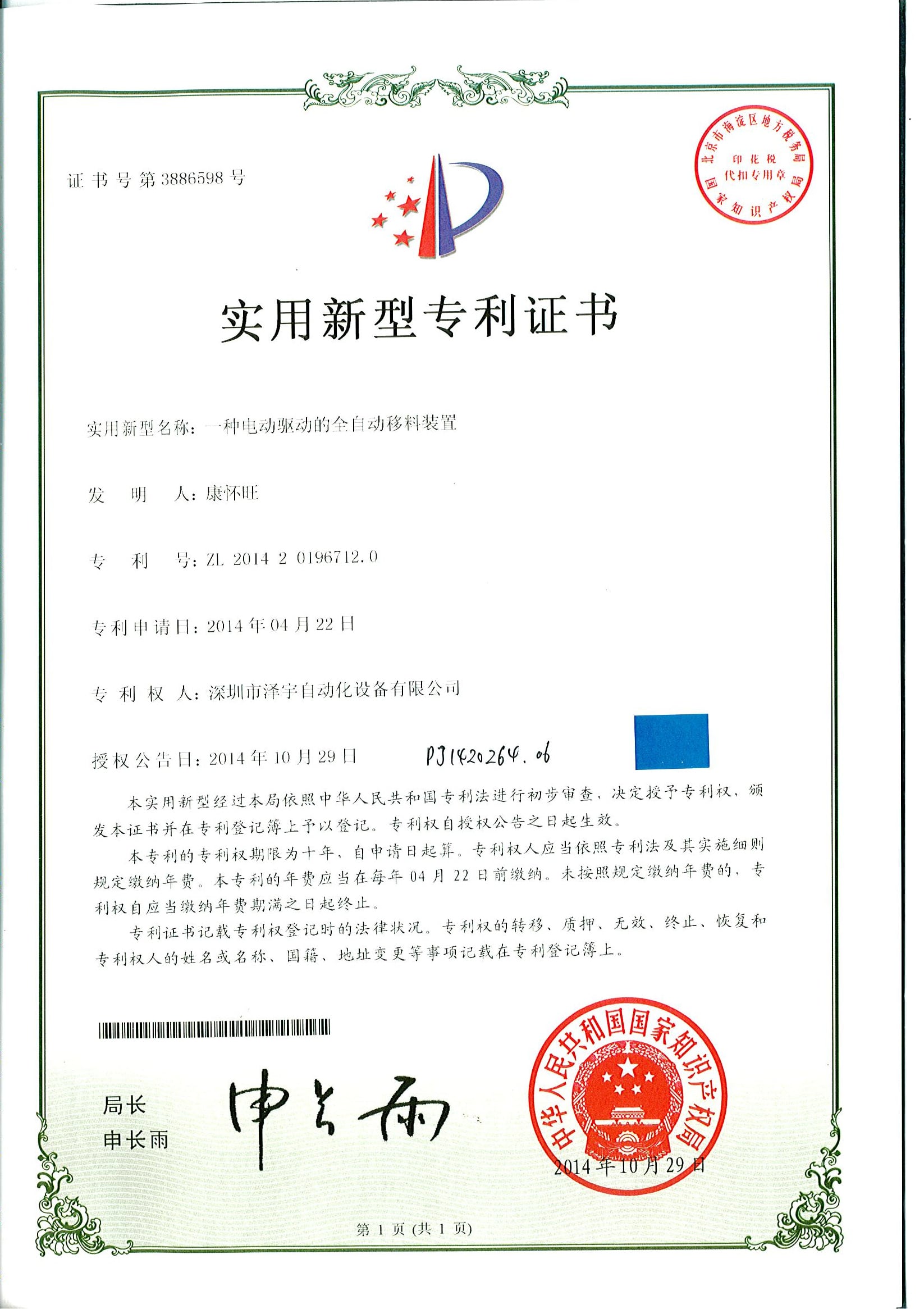
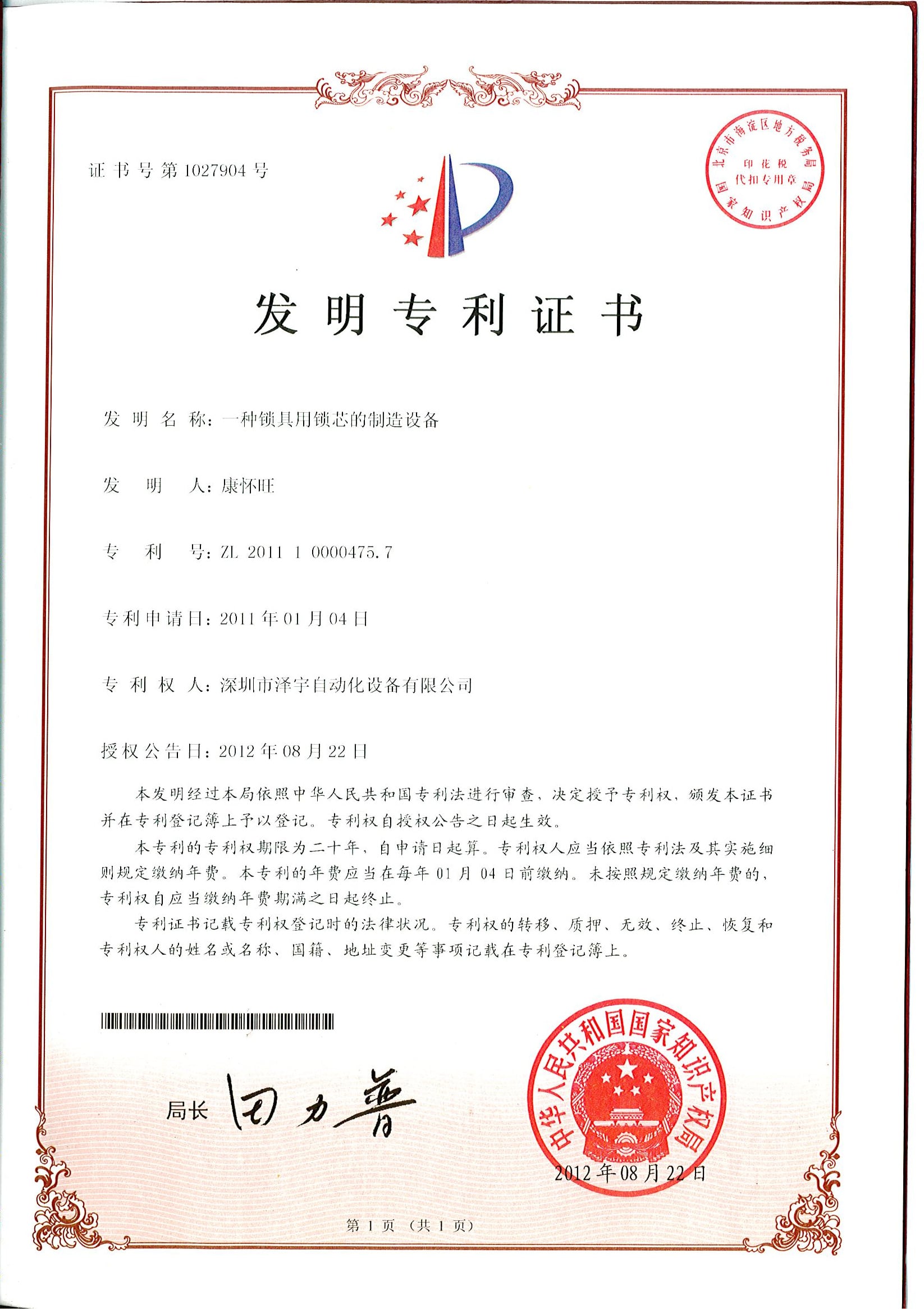
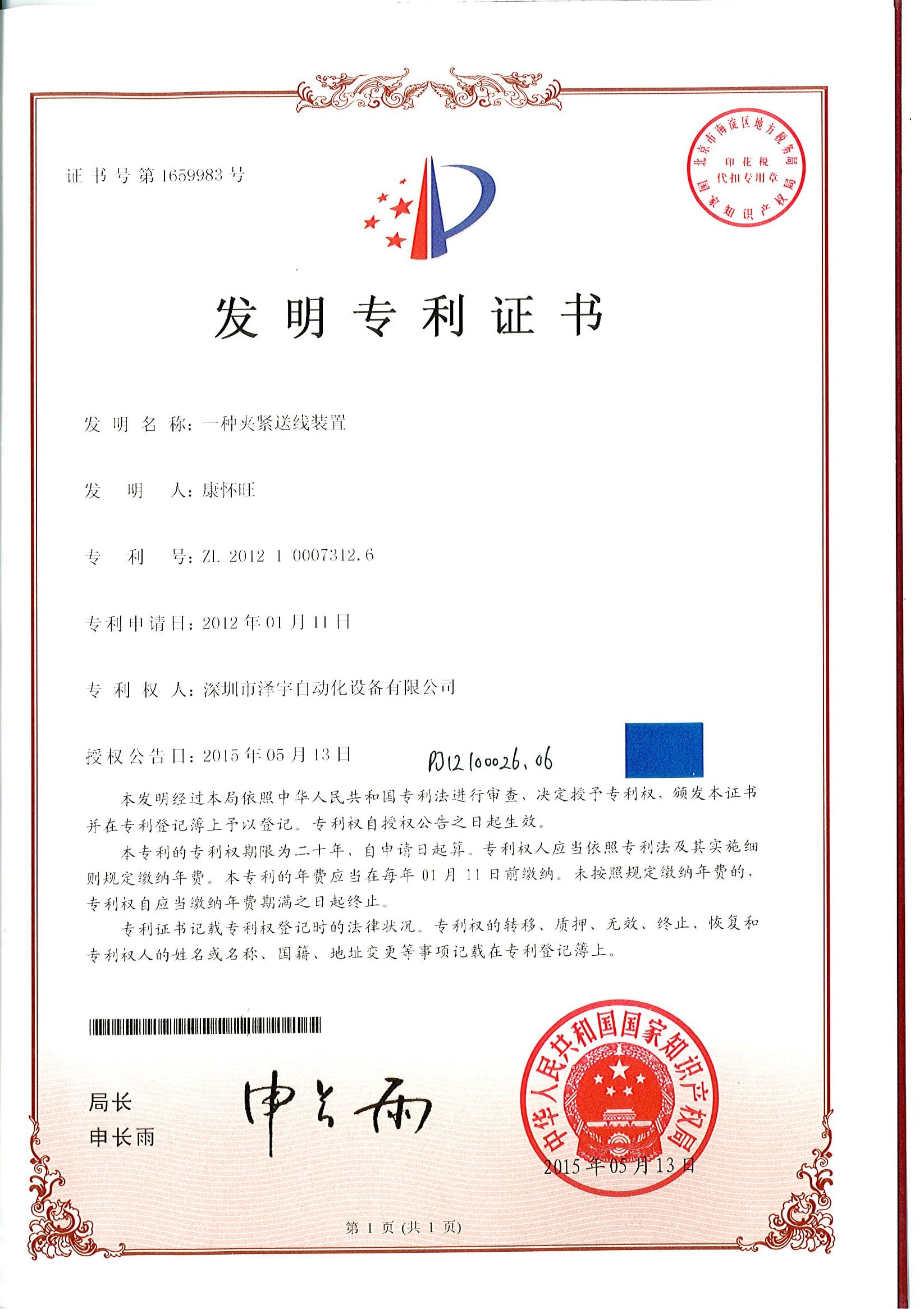


1 / 14
ISO 9001:2015
Quality management system
CE Marking
EU conformity
National High-Tech
Enterprise qualification
SRDI Enterprise
Specialized & New-Tech SME
150+ Patents
32+ invention / 68+ utility
ISO 9283
Robot performance basis
×
01
Insist on a Factory Acceptance Test on your own parts
Before a machine ships, a proper FAT runs your actual product, a recognized protocol require at least 50 consecutive parts on each station plus a four-hour dry cycle to prove cables and hoses endure. Ask for it, and ask for the run-off on video if you can’t attend. A vendor who hesitates to demonstrate cycle time on your parts is showing you the risk early. ZEUEE runs FAT before every shipment and repeats it as a site acceptance test after install.
02
How a ZEUEE project runs
ZEUEE scopes each project to measurable targets, your cycle-rate, your defect-acceptance rate, your product mix and your shift model, then moves through design, build, FAT, installation and support, with the integrated cell built to meet ISO 10218-2. As the China-based builder this objection is often aimed at, we are direct about it: overseas sourcing adds freight weeks and customs, and the cost advantage evaporates if support is slow. So we commit lead time in writing, run remote diagnostics, and stage spares.
03
Pricing follows the engineering
A semi-automated station, a custom assembly machine, a robot cell and a multi-station line are different price classes, from compact automated assembly equipment to a full custom automation line, for different volume and flexibility needs; the right number come from your part and rate, not a list.
Robot Integration Engineering Tools & Analytics
Cell-or-Machine Selector
Match your part to a robot cell, a dedicated servo machine, or a hybrid line — the routing logic ZEUEE engineers use on the first call.
Explore ToolManual-to-Robotic Cost-Recovery Estimator
The arithmetic that decides the project: labor displaced × shifts, set against the all-in system cost — not the robot’s sticker price.
Calculate ROIThroughput & Annual Capacity Calculator
Translate a cycle time into real annual output by shift count and uptime — and see which architecture band you land in.
Assess CapacityFAQ, Automated Robotic Assembly & Robot Integration
Make them prove it on your part, not their reference’s. A relational builder design and builds in-house and will run a Factory Acceptance Test on your actual product, at least 50 consecutive parts per station, before shipment. A transactional one sell you hardware and disappears after the sale. Ask for a reach study, a cycle-time demonstration on your geometry, and a written support response time. The cheapest proposal frequently becomes the most expensive over the life of the machine.
It comes down to volume, mix and tolerance. Robot cells win on flexibility and mid volume (roughly 10,000–500,000 units a year); dedicated servo machines like our Spirakam line win on cost-per-part once volume is high and the part is stable. Our Cell-or-Machine Routing Model above maps your numbers to the right class.
Yes. We integrate FANUC, Yaskawa, KUKA, ABB and Universal Robots, and we build our own feeding, fixturing, vision and dedicated servo stations around them. We pick the robot to suit the task and the standard rather than locking you into one platform.
Often, yes, brand-agnostic integration is built for this. We assess the existing control, feeding and fixturing, then add the robot, vision or servo station that removes the bottleneck. Where documentation of the original integration is missing, we re-document it, because undocumented integration is what causes finger-pointing later.
Application-dependent. Independent peer-reviewed analysis of an automated assembly process found payback near 2.6–3 years with about a 70% per-unit labor reduction, and two-shift operation is usually what makes the math work. We model your specific payback against your volume rather than quoting a marketing number.
Integrated cells hold ±0.02–0.08 mm cycle-to-cycle repeatability under ISO 9283, versus roughly ±0.5–1.0 mm for hand placement. On a dedicated servo machine the consistency mechanism is direct: a displacement sensor measures every pressed part and sorts it automatically.
No, and assuming so is a costly mistake. Under ISO/TS 15066 an un-fenced cobot is held near 250 mm/s against about 2,000 mm/s for a guarded industrial arm, and cobots run looser repeatability and lower payloads. They are excellent for fenceless, operator-adjacent, low-volume work and the wrong tool for a high-rate target.
ISO 10218-1 (the robot) and ISO 10218-2 (the integrated cell and application), with ISO/TS 15066 for collaborative operation. In the United States, ANSI/A3 R15.06-2025 is the current adoption, it replaced the 2012 edition in November 2025.
Why We Build This Page
The specifications for the Spirakam C40-ZY02-01 on this page come from ZEUEE’s own machine documentation; the market, standards and ROI figures are attributed to their sources and qualified where they are industry ranges rather than measured ZEUEE results. We would rather model your real payback than publish a number we cannot stand behind. Where a claim could not be verified to a primary source — a universal defect-reduction percentage, for example — we left it out.
WHY WE WRITE THIS
About ZEUEE Engineering Insights
ZEUEE shares technical guides based on real automation project experience. Since 2005, we have designed and manufactured non-standard automation equipment for connector assembly, wire harness production, robotic lines, vision inspection, and smart factory upgrades.
Founded in 2005
20,000 m² production base
120+ specialists
150+ R&D patents
ISO9001:2015 certified
![Automated Screwdriving: Torque & Cycle Time [Guide]](https://zeueeauto.com/wp-content/uploads/2026/10/automated-screwdriving-featured-150x150.png)