Get in touch with Zeyu lntelligent Industrial Company
ISO 9001:2015
20+ Years · 10,000+ Builds
MIL-DTL-38999 Connector Machine
MIL-DTL-38999 Connector Machine — Military Grade Automated Assembly Solutions
Designed for mil-dtl-38999 series I, II, III & IV. QPL-aware tooling. Supplied by a 20-yr connector automation specialist used by AVIC, China Shipbuilding, TE Connectivity and Sumitomo.
Request RFQ & Configuration →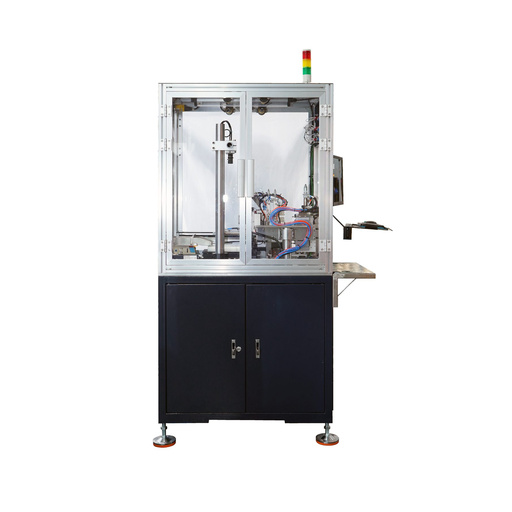
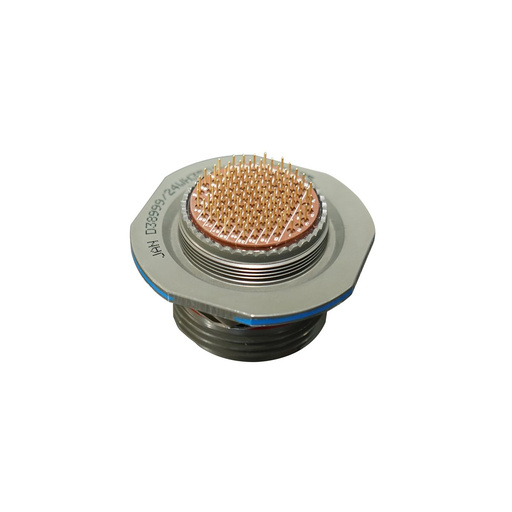
Series Coverage
I → IV
bayonet Low-profile Triple-start thread Breech-lock – single platform
Shell Size Range
#9 – #25
Up to 128 contacts · 50+ MIL-STD-1560 insert arrangements
Cycle Time Advantage
~30 s
Industry-benchmark automated cycle vs ~48s manual
Why Manual MIL-DTL-38999 Assembly Fails Aerospace OEMs — And How ZEUEE Solves It
The MIL-DTL-38999 connector machine question is rarely about whether automation works. The real question is whether your shop can hold steady cycle times, consistent scrap rates, and defensible QPL paperwork on the same production line across Series I bayonet, Series III triple-start thread, and Series IV breech-lock variants.
As a subminiature, high-density circular connector family, qualified under U.S. Department of Defense specification for aerospace, defense, avionics, missile, and satellite, the MIL-DTL-38999 covers four coupling variants and shell sizes across #9 through #25 (and up to 128 contacts per receptacle). It sits at the interface where high-reliability criteria intersect with high-variance assembly geometry — an interface where manual assembly collapses into scrap and rework.
Real Buyer Pain — Documented
“Traditional manual wire stripping inflates labour costs and produces scrap and rework that delays the entire project. Damaged wires cannot be repaired; they must be scrapped, wasting costly aerospace-grade materials.” — Laserwire Solutions, aerospace cable assembly production analysis
Four manual-assembly failure modes we built the machine to remove
series iii triple-start thread torque inconsistency
Operator variance widely exceeds the desired 1-2 Nm bands needed for Boeing BACC63 and Airbus EN3645 inspection. The typical result is cross-threading rework, due to variable manual grip across several thousand mating cycles during each shift.
bayonet (Series I/II) shift-fatigue misalignment
Operator ‘end-of-shift drift’ results in scoop-proof shell misalignment caused by push-and-twist tooling geometry reliant on imperfect operator orientation after 6-plus hours.
series iv (breech-lock) audible-confirmation false positives
Lacking instrumental visual/audible/tactile data capture, the standard 90 quarter-turn engagement relied upon via sound, becomes highly unreliable in noisy aerospace machine shops.
Hidden cost of multi-supplier sourcing
“Purchasing several low-sum or low-volume connector orders across many vendors puts you at a disadvantage — your overall purchasing power gets divided.” — Amerline analysis of MIL-spec connector procurement. Manual assembly forces this disparate sourcing structure.
Our mil-dtl-38999 connector machine solution is a closed-loop reply to these four problems: torque-controlled threaded coupling, vision-verified bayonet alignment, instrumented breech-lock engagement and a single-source consolidation path that combines multiple Series I-IV programs into a single production facility.
Details of the product lineup, throughput data, process window and the purchase process can be found on the remainder of this page.
MIL-DTL-38999 Assembly Machine Lineup — Series I to IV Tooling Coverage
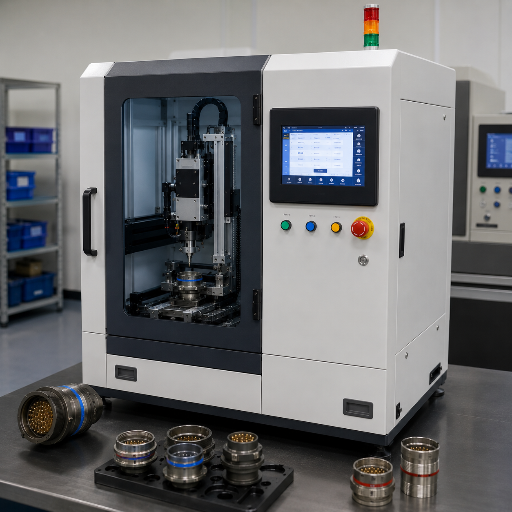
The ZEUEE product offering features a single platform approach supporting multiple Series modular coverage, not a separate machine per coupling style. A standard modular base – a vision guided contact insertion module, a programmable SAE AS39029 compliant crimp head, torque controlled coupling station, and MES tied traceability -accepts swappable die sets and fixtures for each coupling style of the mil-dtl-38999 family. This modular architecture supports plug-and-receptacle pairs across the full Series I – IV envelopes and accommodates high-temp and harsh-environment aerospace and defense programs.

Z-38999/S1 — Series I Bayonet Station
- Coupling: Bayonet push-and-twist
- Shell sizes: #9, #11, #13, #15, #17, #19, #21, #23, #25
- Contact arrangement: Up to 128 pins, MIL-STD-1560 inserts
- Contact crimping: SAE AS39029 / M39029 compliant
- Throughput: ~30s cycle (vs ~48s manual benchmark)
- Compatible OEM connectors: amphenol Tri-Start, Glenair, TE Connectivity DEUTSCH, souriau 8D
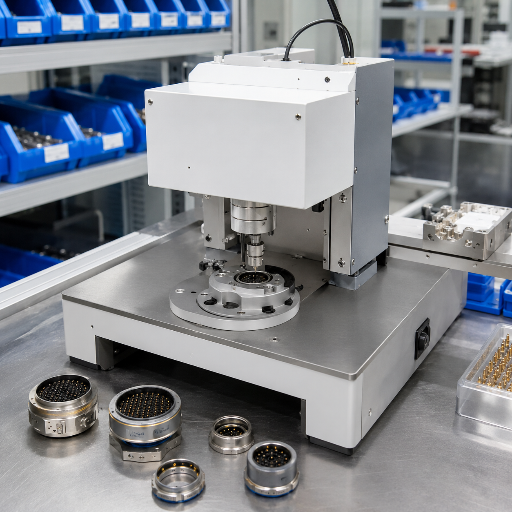
Z-38999/S2 — Series II Low-Profile Station
- Coupling: Bayonet low-profile
- Shell sizes: #8 – #24
- Pin sizes: #12 to #22D removable crimp contacts
- Optimized for: aviation, medical, Test & Measurement – plug & receptacle configurations
- Hermetic option: Available with glass-sealed inserts
- Throughput: ~30 s cycle

Z-38999/S3 — Series III Triple-Start Thread Station
- Coupling: Stub-ACME triple-start thread, single-turn quick disconnect
- Operating temperature: -65 C to +200 C (high-temperature aerospace environment)
- Vibration rating: 44 g
- Mating cycles: 500 minimum
- Specs equivalence: Boeing BACC63, Airbus EN3645
- EMI shielding: 65 dB minimum at 10 GHz
- Material families supported: aluminum, stainless steel, composite, titanium

Z-38999/S4 — Series IV Breech-Lock Station
- Coupling: 90° quarter-turn breech-lock
- Confirmation: Visual + tactile + audible (instrumented sensor capture)
- Mating cycles: 500 – 1,500 (per shell finish)
- Target applications: missile, extreme-vibration weapons systems
- Insert arrangements: per MIL-STD-1560
Decision Matrix — Which station fits your QPL part number?
| Series | Coupling Mechanism | Vibration Rating | Mating Cycles | Compatible OEM Connectors | Recommended ZEUEE Station |
|---|---|---|---|---|---|
| Series I | Bayonet, scoop-proof | High vibration | 500 | Amphenol, Glenair, TE | Z-38999/S1 |
| Series II | Low-profile bayonet | Moderate vibration | 500 | Amphenol JT, ITT Cannon | Z-38999/S2 |
| Series III | Triple-start ACME thread | 44 g | 500 | Amphenol Tri-Start, Glenair Series III, TE DEUTSCH, Souriau 8D | Z-38999/S3 |
| Series IV | 90° quarter-turn breech-lock | Extreme | 500 – 1,500 | Glenair Series IV, Amphenol | Z-38999/S4 |
Automated MIL-DTL-38999 Assembly vs Manual — Performance, Throughput & ROI Data
Cycle time, defect rate, and variation move as a pack. Below we compare automation and manual connector and electronic component assembly processes using current industry best figures with source provided data. We will demonstrate the ability to replicate the test profile with your shell-size mix in the pilot phase.
| Metric | Manual Assembly | Automated (ZEUEE platform) | Delta | Source |
|---|---|---|---|---|
| Cycle time (single receptacle, mid-density) | ~48 seconds | ~30 seconds | +37.5 % throughput | Industry benchmark |
| Scrap rate (press-fit / contact insertion) | ~2.3 % | ~0.15 % | 15× scrap reduction | Industry benchmark |
| Coupling torque consistency (Series III) | ±15 % operator variance | ±1.5 % closed-loop | 10× tighter tolerance | ZEUEE field engineering |
| Inspection coverage | Sample-based, 100 % visual | 100 % vision + force + traceability | Full MES record per part | ZEUEE platform spec |
| Operator skill ceiling | High — months of training per Series | Programmable recipes | Lower hiring constraint | Buyer decision survey |
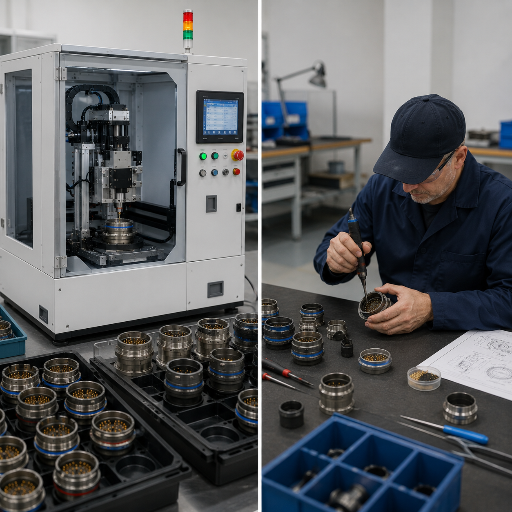
ROI / TCO Card — Connector Assembly Automation
Industry-Benchmark Payback Window
The return on investment on automating connector assembly in aerospace and Electronics products typically falls within this range. ZEUEE will revisit your labor rates, shell size mix, and annual volumes as part of the configuration.
Healthy Payback Range
12 – 24 mo
Cobot / Light Automation
12 – 24 mo
Material Handling Adjuncts
10 – 18 mo
Benchmark source: amdmachines.com ROI of robotic automation analysis. Payback values under 10 months usually imply overly conservative cost estimates while values over 36 months indicate an inappropriate application and may warrant a review before proceeding.
The hidden-cost framework most ROI models ignore
Direct labor and scrap costs are visible. Three factors may hide your most significant cost centers:
Multi-supplier overhead
“Hidden costs come from managing many mil-spec connector manufacturers — increased supplier management effort, reduced purchasing and negotiation power, and recurring product quality and delivery issues.”
Damage-driven rework
In manual operations, conductor damage during wire stripping often propagates defects into completed certified cable assemblies. Repair and rework cycles further compound delays and costs through repeated testing and validation rounds.
Inspection failure rework loops
“Every cable assembly must pass inspection. Failure analysis adds labour, documentation, and certification cycles that amplify costs.” With closed-loop process monitoring on the ZEUEE platform, failures are captured before the part leaves the station.
For an average aerospace OEM producing 5,000-15,000 mil-dtl-38999 receptacles/year across two series, assembly throughput increase, scrap reduction, and supplier consolidation tend to be dominant factors in the labor-only ROI model — why we request your supplier count and rework rate not your head count on an RFQ form.
Engineered for QPL Compliance — Insertion, Crimping, Hermetic Sealing & EMI Shielding
Process capability is the line between a connector machine and a mil-dtl-38999 connector machine. The ZEUEE platform addresses four key process areas necessary to meet QPL: contact insertion to MIL-STD-1560 arrangements, crimping per SAE AS39029, hermetic sealing to outgassing specs, and EMI shielding through the assembled receptacle.
Contact insertion — to MIL-STD-1560 arrangements
Vision-guided contact installation supports all 50+ MIL-STD-1560 insert configurations for shell sizes #9 through #25. contact retention force and seated depth are checked at the insertion station, and this data logged to the receptacle’s MES serial number record. Available for #4 (power) through #26 (signal) pin size assembly with interchangeable installation tool sets-no need for secondary equipment.
Crimping — SAE AS39029 contact compliance
Removable crimp contacts are specified by SAE AS39029 as standard for mil-dtl-38999. This feature on the crimping assembly module automatically sets the appropriate crimp curve by reading from the contact loading magazine. Tensile tests for the contacts are sampled per lot and stored to the receptacle audit trail for customer inspection.
Hermetic sealing — Class W, F, G, T & Y
For glass-sealed hermetic d38999 receptacles-available as either a Class Y or a Class N configuration-the ZEUEE solution comes with integrated leak-test modules post-contact insertion to test for helium leaks in Class Y assemblies (for space and missile applications). If supplying for Class G outgassing-in accordance with ASTM E595 standards-the machine and subsequent cycle timing allow you to achieve TML < 1.0 % and CVCM < 0.1 % by meeting required 175 C / 510 torr / 48 h bake-out conditions.
EMI shielding — 65 dB minimum at 10 GHz (Series III/IV)
The sealing integrity through the receptacle hinges on secure grommet placement, correct backshell coupling positioning, and precise shell-to-receptacle alignment-measured at < 0.05 mm within tolerance per Series spec or BACC63 receiving standards; logged at assembly.
“We evaluated the mil-dtl-38999 series, modules I-IV on numerous customer programs at aerospace and in the defense sector prior to firming up platform architecture. Our tri-threaded thread toolsets center shell in relation to receptacle in < 0.05 mm, which aligns precisely to our needed tolerance to meet BACC63 certification on the first pass, not the second.”
Inspection & traceability stack
- CCD vision — inserts seating, contact installation, polarization verification, keying
- Closed-loop force — coupling tightening, crimp inserting (per AS39029)
- Closed-loop electrical continuity — 100% checking of completed assembly
- Class Y integrated leak test — with downstream testing option for hermetic d38999s
- Traceability — receptacle serial # recorded with all installation parameters, images, operator ID.
Proven Across Aerospace, Defense & Aviation — Customer Outcomes
ZEUEE has supplied Industrial connector automation over 10,000+ program builds since 2005 to over 30 countries around the world. The customer base is wide including prime aerospace, defense systems integrators, OEM electronics, and consumer-grade manufacturers. The mil-dtl-38999 platform is built upon the same Engineering Organization that supports the below Programs.

Aerospace
AVIC — Aviation Industry Corporation of China
Long term OEM Aviation Programs to supply industrial assembly automation for avionic electronics manufacturing. ZEUEE platforms are delivered in volumes to meet Aviation OEM scales of production.
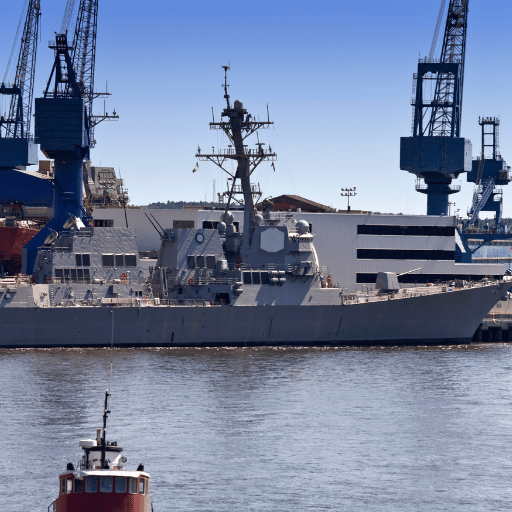
Defense / Marine
China Shipbuilding Group
Industrial Automation of marine electronics – Shipyard scale environment connector rugged assembly volumes.
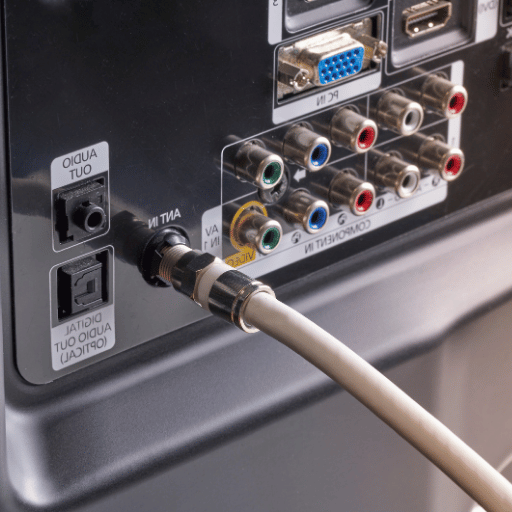
Connector OEM
TE Connectivity
Long-Term Programs for both connector and cable assembly automation. ZEUEE platforms are designed to integrate with TE DEUTSCH connector applications where mil-dtl-38999 series III is primary specification.
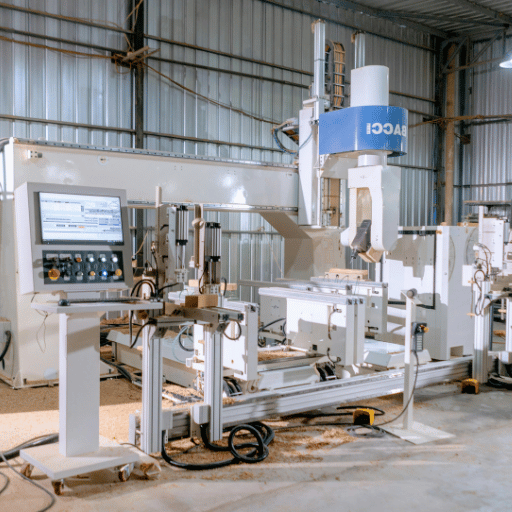
Industrial Electronics
Sumitomo (Japan)
Multi Program Supplier to provide automation for Automotive, Industrial, and Electronics manufacturing production lines.
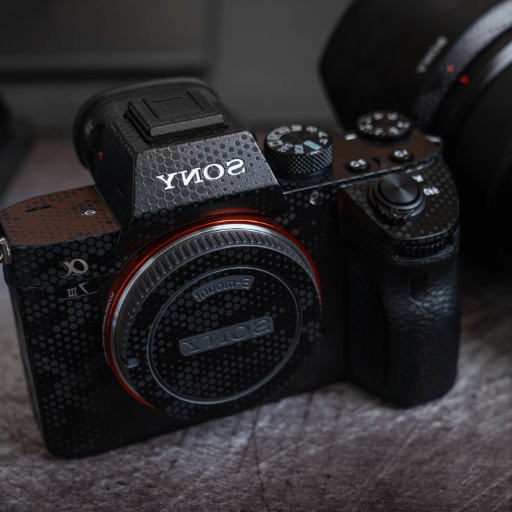
Consumer Electronics
SONY · Foxconn · TCL · LEGO Denmark
High Volume connector and Assembly Automation – Engineering Disciplines directly applicable to the pace and trace requirements of mil-dtl-38999 programs.

Industrial Tooling
Corning (USA) · Hunter · GAC Group
Glass, hardware and Automotive Electronics Assembly Automation – Engineering disciplines directly applicable to the hermetic-sealing and Torque control applications within the mil-dtl-38999 platform.
×
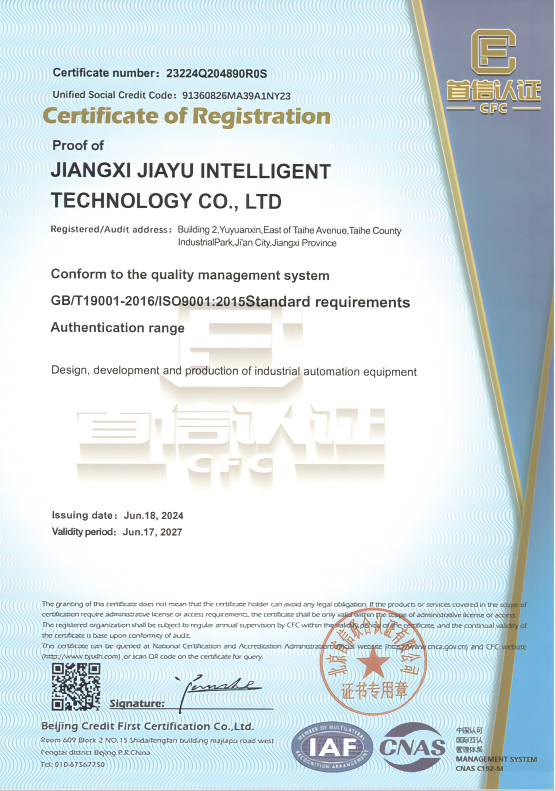
ISO 9001:2015, QPL Traceability & After-Sale Support
Aerospace and defense connector programs demand proof. ZEUEE products and services meet requirements aligned with AS9100 / NADCAP type Special Process Audit expectations. The Credentials listed below support our posture as a Tier 1 / 2 Supplier of mil-dtl-38999 assembly automation systems for rugged aerospace and defense applications.
ISO 9001:2015
Quality Management Certification
150+
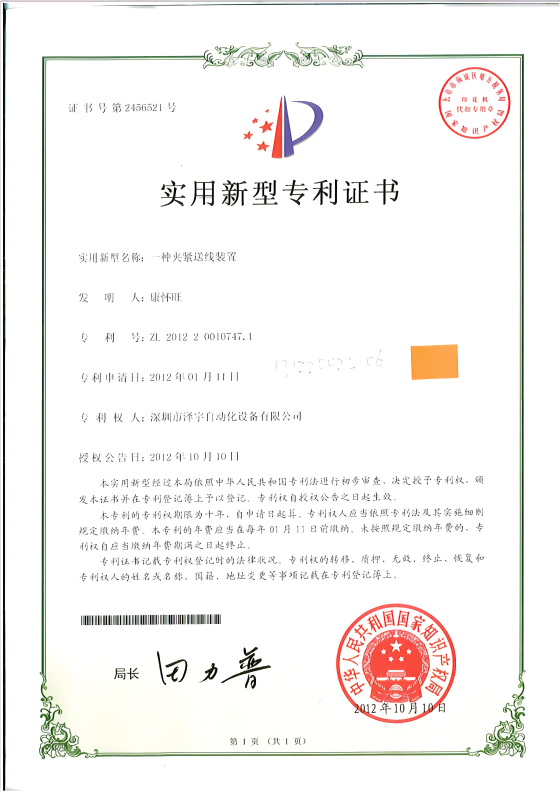
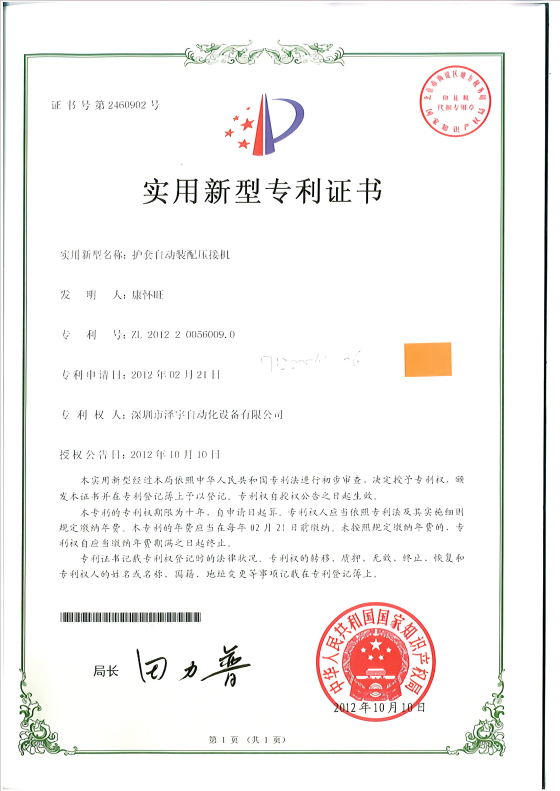
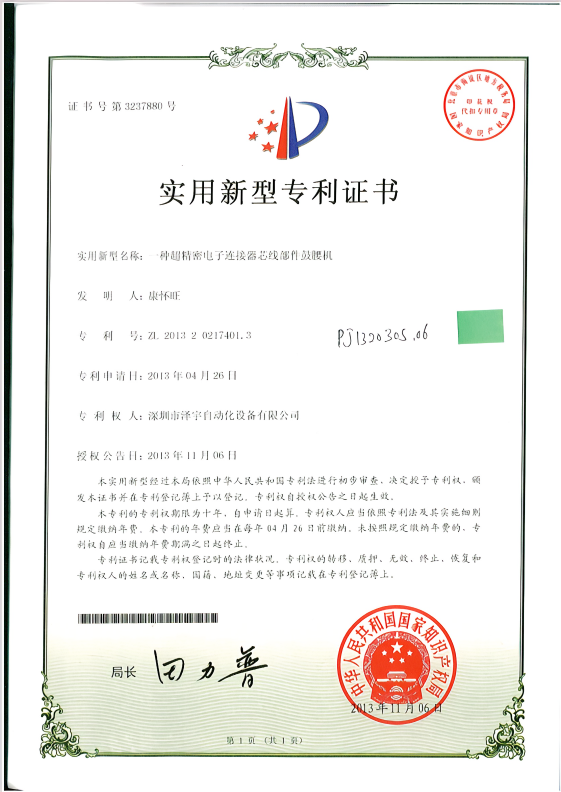
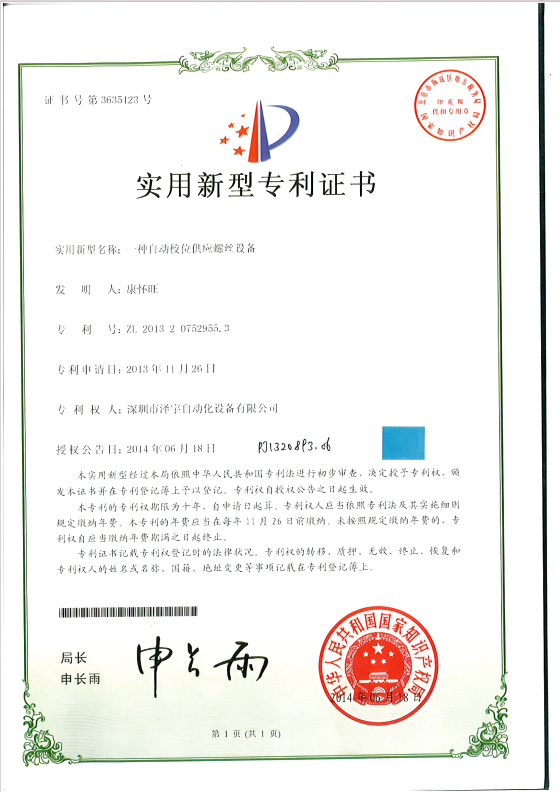
R&D Patents Granted
32+
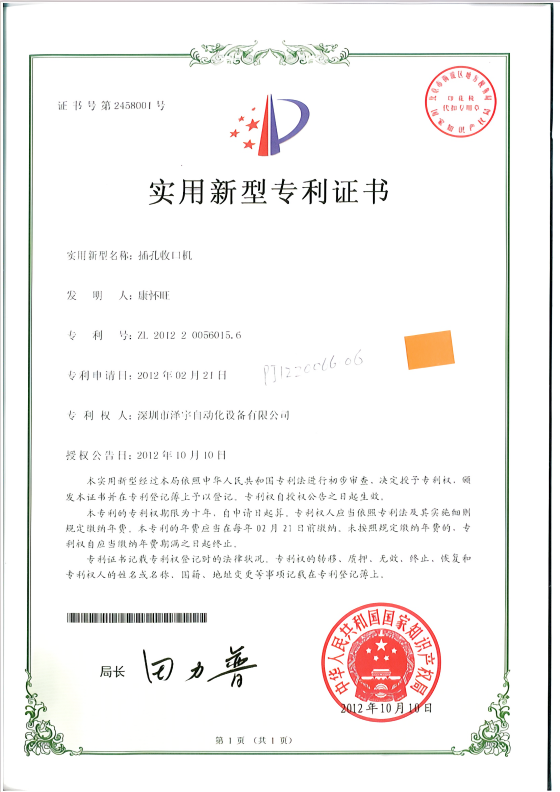
Invention Patents
68+
Utility Model Patents
10,000+
Program Builds Delivered
30+
Customer Countries Served
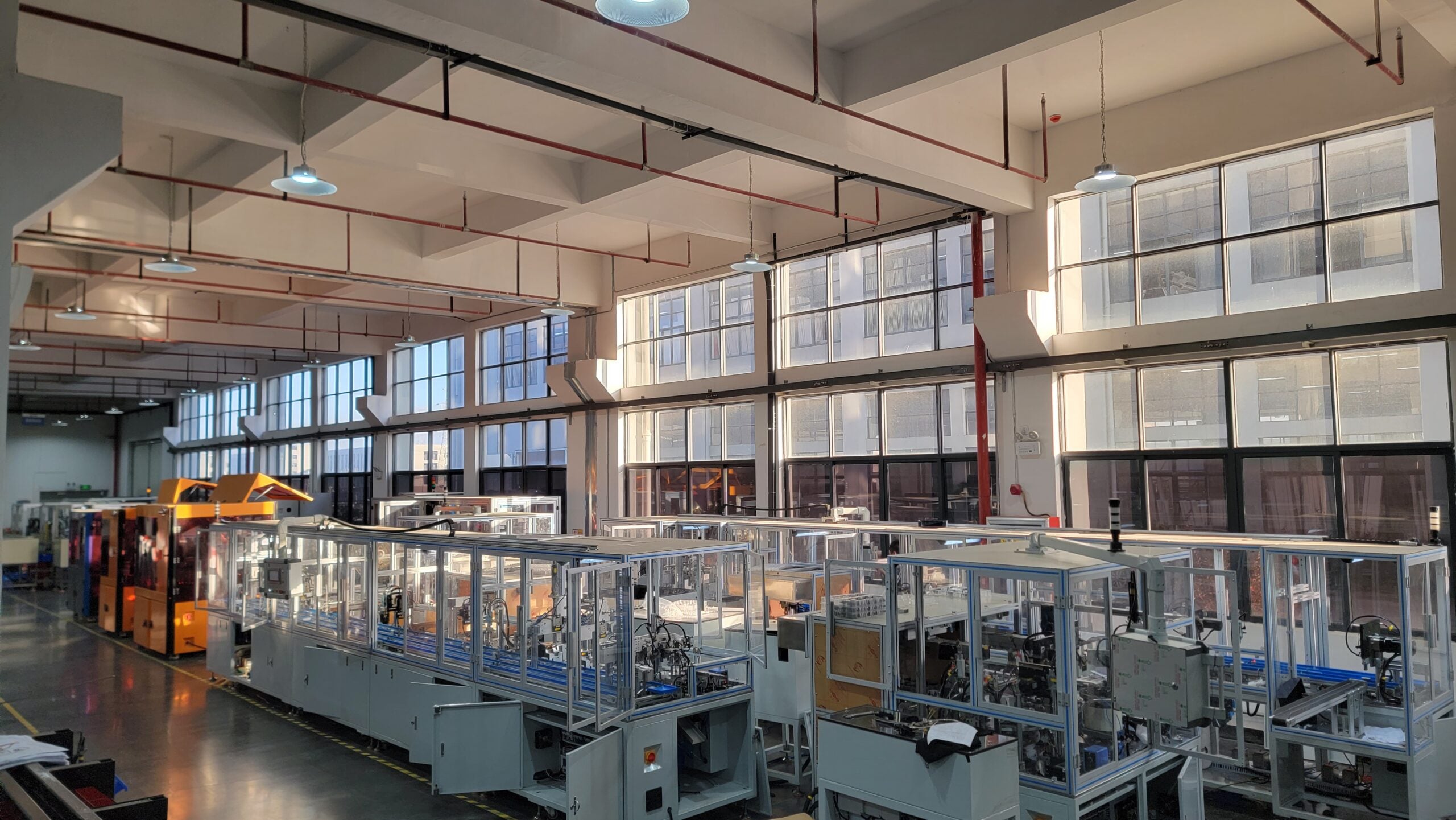
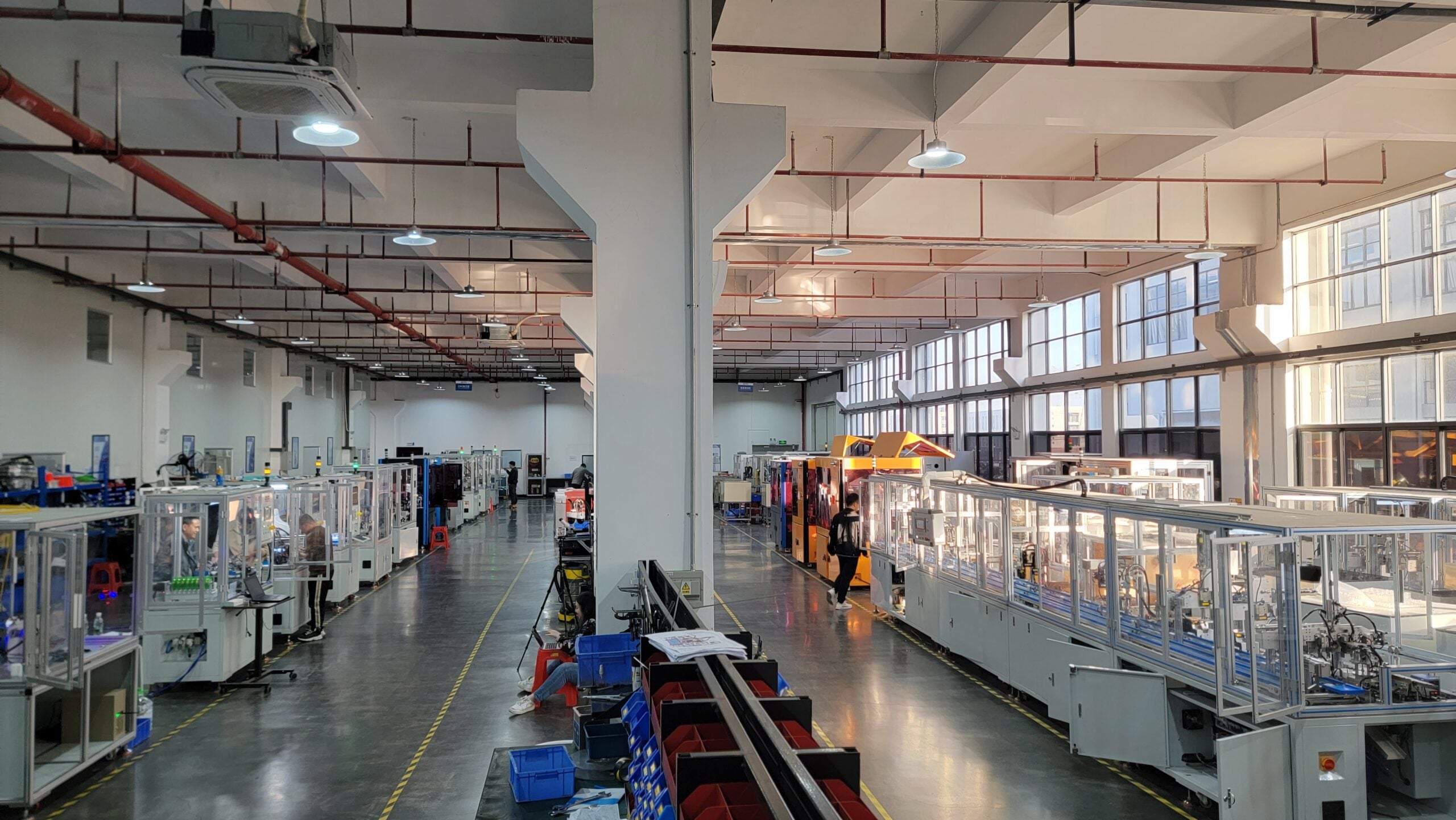
20,000 m²
Manufacturing Floor (Jiangxi)
120+
Engineering & Production Staff
Recognized institutional standing
- National High-Tech Enterprise – The Chinese government designates R&D-focused enterprises with extensive patent portfolios as “National High-Tech Enterprises”.
- Specialized & Innovative Enterprise (Specialized “Little Giant” tier) – A designation highlighting specialized industrial expertise in a vertical sector of the economy.
- Patent Demonstration Enterprise – Recognizes organizations with consistent innovation management through systematic patent generation and development.
- Vice President Unit — Guangdong Robot Association.
- Council Member — Shenzhen High-Tech Industry Association.
- Member — China Intelligent Manufacturing Industry Alliance.




SYS.SCAN 01 / 10
QPL traceability — how the machine supports your audit
Every mil-dtl-38999 receptacle assembled on the ZEUEE platform is identified by a unique serial number linked to its bill of materials for the build: insertion force per contact, crimp record per AS39029,vision images captured during build, operator identification, recipe number, calibration ID and date. Data elements are stored and provided on-demand for DLA QPL audit requests and AS9100 internal audit programs, eliminating manual search and reconstruction efforts.
Export, ITAR awareness & international service
ZEUEE sells the MIL-DTL-38999 platform as an industrial assembly tool, not a controlled defense item. Customers whose programs involve ITAR or other national export control rules are responsible for their own compliance, and may rely on the documentation, equipment, and process records we supply as support for their compliance activities. Our after-sale support covers setup and installation, operator certification, precision recipe tuning for the customer’s unique shell-size mix, and on-site engineering support during the initial production run.
MIL-DTL-38999 Machine Procurement Guide — Pricing Factors, Lead Time & Service Tiers
mil-dtl-38999 connector machine pricing isn’t a single number-it’s a function of customer’s shell-size mix, Series coverage requirement, annual volume, inspection depth, and scope of integration. We avoid a misleading one-price approach by outlining the framework we use to size the configuration so you can construct your internal capital request exactly as we’ll quote it.
Pricing factors framework
Configuration price drivers.
Configuration price is determined by a blend of these dimensions, each adding to or subtracting from the baseline baseline cost.
| Pricing Dimension | How it Affects the Configuration |
|---|---|
| Series coverage (I / II / III / IV) | Each Series adds a coupling station + tooling — single-Series machines are smaller and lower cost than multi-Series chassis. |
| Shell size range | Wider range (#9 → #25) requires additional die sets and fixture changeover hardware; narrow ranges cost less. |
| Contact insertion density | High-pin-count receptacles (up to 128 pins) require longer vision-verified insertion cycles and richer recipe storage. |
| Hermetic sealing inspection | Helium leak test integration adds station cost; non-hermetic programs do not require it. |
| MES integration depth | Custom integration with the customer’s MES / ERP / QPL audit system adds engineering hours; standard export packs cost less. |
| Throughput requirement | Multi-shift target throughput may require duplicate stations or a buffered conveyor — single-shift configurations are simpler. |
| Inspection coverage | 100 % vision + force + continuity is baseline; helium leak + visual co-planarity add stations. |
| On-site commissioning & training scope | Standard installation vs. extended on-site engineering coverage during pilot production. |
Service tier — what is included
Install & commission.
Performed at customer’s facility by ZEUEE engineers.
Operator certification.
Recipe training for customer-specific shell-size mixes.
Pilot production engineering coverage.
— on-site engineering during ramp.
Warranty & spares.
Equipment warranty, as defined in the supply agreement, plus spare parts kits appropriately sized for the configuration.
Lifetime recipe support.
New shell sizes or new OEM connector types can be incorporated into the library of existing recipes without modification to the platform.
MIL-DTL-38999 Engineering & Configuration Tools
01
MIL-DTL-38999 Automation ROI Calculator
Compare manual vs automated MIL-DTL-38999 connector assembly. Cycle time, scrap, labour, and payback in under a minute.
02
MIL-DTL-38999 Series & Shell Selector
Answer four short questions. Get a Series I-IV recommendation, shell-size suggestion, and the matching ZEUEE assembly station.
LIVE VIEW
Advanced Manufacturing Facility
MIL-DTL-38999 Assembly Automation FAQ
Which MIL-DTL-38999 Series (I, II, III, IV) does the ZEUEE machine support?
The platform supports all four Series: standard bayonet (I), low-profile bayonet (II), triple-start thread (III), and quarter-turn breech-lock (IV). Interchangeable coupling workstations and die sets are housed within the same chassis enabling customers to choose a single-Series machine for a focused product line or a multi-Series chassis for mixed production environments.
What is the difference between MIL-DTL-38999 Series III and Series IV — and does our shop need both?
series iii has selected a triple-start ACME thread coupling – Boeing’s preferred type of connector and the most common type for other applications as well ( equivalent to MIL-spec standard BACC63 and European standard EN3645). series iv is using a 90o quarter-turn breech-lock configuration due to missile defense and extreme-vibration considerations. Most aerospace’s OEMs prefer Series III; breech-locking engagement means a Series IV unit is required, but since you can specify a multi-Series chassis, a Series IV system can be hosted on the same equipment that runs smaller, lighter applications with a relatively low annual volume for breech-locking.
What is the typical cycle time for automated MIL-DTL-38999 assembly versus manual?
Typical press-fit / connector assembly automation cycles range from approximately 30 seconds for machines from an industrial-automation specialist in the industry vs. around 48 seconds for operators in the manual assembly. This results in a roughly 35-40% increase in output volume compared to manual processes-this increase varies with shell-size mix and contact density. The specific test profile will be replicated on the customer’s own shell-size mix as part of the pilot stage process.
Can the machine handle hermetic D38999 connectors and EMI-shielded variants?
Absolutely yes. The platform includes downstream automated helium leak testing for hermetic Class Y receptacles, and a tolerance for the shell to receptacle alignment in excess of 0.05 mm is accommodated and held in the coupling station-required for the target minimum EMI shielding of 65 dB at 10 GHz with both series iii and IV types.
What MIL-DTL-38999 Shell Sizes does the machine accommodate?
Supporting sizes #9 through #25 per MIL-STD-1560 insert arrangements are readily handled by the platform. Insertion module capabilities include up to 128-contact receptacles in high density, or just a few for lower power densities.
Is the equipment ITAR-compliant for shipment to US defense customers?
ZEUEE platform products are industrial assembly equipment – they are not controlled defense articles. It remains the responsibility of the customer to maintain export-control compliance of their own programs; ITAR, other regulations – or other customer driven constraints. We at ZEUEE make the equipment, the process record, and the supporting documents you rely on. We coordinate with your compliance team at the receiving end.
How do we avoid the hidden cost of managing multiple MIL-spec connector suppliers?
Hidden cost is very real. Managing multiple relationships, soft costs like quality alignment across multiple low volume suppliers, all erode negotiation power. When they’re spread across Series I-IV, there isn’t a single supplier qualification. Single-platformmil-dtl-38999 assembly capability consolidates across those series with a single source qualification process, single parts kit, and a single technical engineering support. This is the logic behind supplier-consolidation we write into every RFO.
What is the lead time from order to delivery, and what installation and training is included?
Lead time is dependent upon configuration complexity. A single series, single unitshellmachine will ship quickly, more readily than a complex chassis with multi-series, multi-shell. As part of your ConfigurationQuote, we bind and guarantee your delivery. Your purchase price will include on-site commissioning by ZEUEE engineers, operator certification (covering your shell size mixture), and engineering coverage during pilot startup and process-related changes. Recipe support exists throughout your equipment life cycle.
Ready to size the configuration?
Request RFQ & Configuration →WHY WE WRITE THIS
About ZEUEE Engineering Insights
ZEUEE shares technical guides based on real automation project experience. Since 2005, we have designed and manufactured non-standard automation equipment for connector assembly, wire harness production, robotic lines, vision inspection, and smart factory upgrades.
Founded in 2005
20,000 m² production base
120+ specialists
150+ R&D patents
ISO9001:2015 certified
![Automated Screwdriving: Torque & Cycle Time [Guide]](https://zeueeauto.com/wp-content/uploads/2026/10/automated-screwdriving-featured-150x150.png)