Get in touch with Zeyu lntelligent Industrial Company
CCD Inspection Automation Machine: Vision Inspection Systems for Multi-Industry Quality Control
ZEUEE’s CCD inspection automation machine puts a vision inspection system on your line that catches the defects manual and sampling checks let through, at China-OEM cost, with sourced specs and a quote in 24 hours.
Request a Quote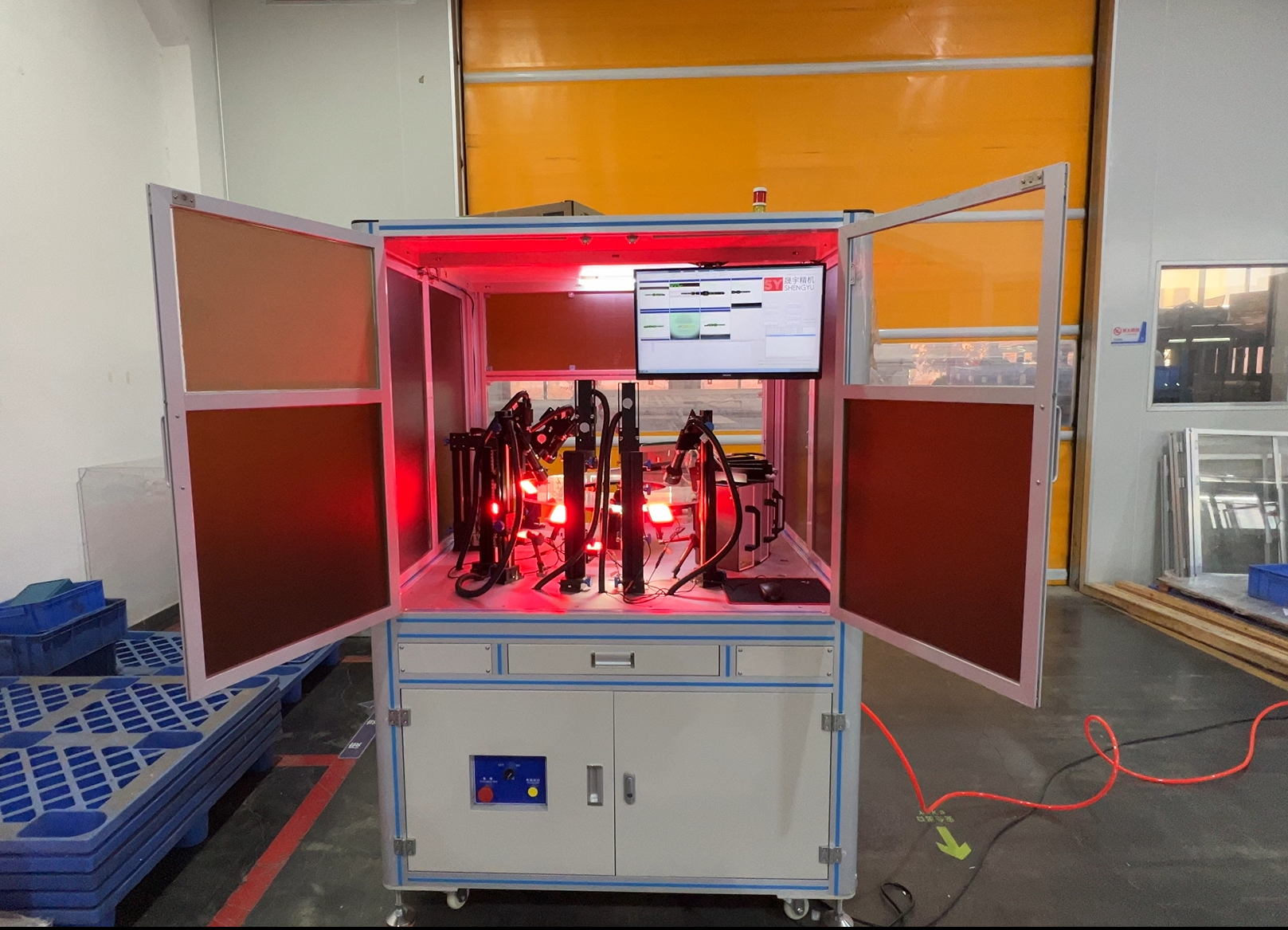
Specifications & Capabilities
2–24 MP
CCD/CMOS camera resolution range, configured per part
~0.1 mm
Typical minimum detectable defect at a 60 mm field of view
100%
In-line inspection, not sampling
7
Industries served, one platform
ISO 9001:2015
Certified, 150+ patents, 20 years
30+
Countries delivered, 10,000+ projects
Buyers: All, Pain → Solution
Why Sampling and Manual QC Keep Leaking Defects
Problem & Root Cause Analysis
Here’s the number most quality teams don’t want on a slide: trained human inspectors catch roughly 80–85% of defects, not 100%. A U.S. Department of Energy study at Sandia National Laboratories put 82 inspectors in front of 140 precision-manufactured parts, and they correctly rejected only 85% of the defective items, while wrongly scrapping 35% of the good ones (See, 2015, Sandia National Laboratories). A separate Sandia review of 212 studies found detection rates of 68% in aircraft inspection, 52% in routine bridge inspection, and 67% for surface defects on piston rings. So the gap is real, it’s measured, and it’s been measured for decades.
What’s going on isn’t lazy inspectors, it’s how human attention works. Signal-detection research shows that pushing a person to catch more defects only makes them flag more good parts as bad, you trade misses for false alarms, and you can’t escape the curve by trying harder. Worse, people get less reliable as defects get rarer: when the defect rate drops from 16% toward 0.25%, inspectors miss more defects and raise more false alarms, both getting worse together. That’s the cruel irony for a mature, low-defect line that “seems fine” on manual checks, it’s exactly the condition where the human eye is least dependable.
The Automated Solution
Automated CCD inspection attacks that gap directly.
It runs 100% in-line inspection instead of pulling a sample every hour, it acquires and analyzes an image in < 20 milliseconds, and it applies the same decision to part number one and part number one million. The honest version of the pitch isn’t “machines are perfect.” It’s that a vision system removes fatigue, drift, and shift-to-shift disagreement from the decision, the three things no amount of operator training can fix. That consistency is the point, and it’s where the cost case start. Many buyers searching for machine vision quality control arrive at this exact realization after a single escaped defect reaches a customer.
Buyers: Engineering (primary) · Quality
What a ZEUEE CCD Vision System Inspects: Defect Classes and Detection Capability
Buyers don’t purchase megapixels; they purchase a list of defects that stop reaching the customer. A ZEUEE CCD vision inspection machine handles the full span of optical quality checks, surface flaws, dimensional tolerance, presence/absence, code and character reading, color, and assembly verification. Machine vision inspection runs every unit through the same inspection process, right on the production line, so nothing ships on a tired second look. Our CCD Defect-Capture Capability Index below maps each defect class to the imaging method that detects it, the typical smallest size that method resolves, and the industries where it matters most. Linear-CCD inspection has resolved defects down to 0.2 mm across a 4.8 m web in published systems (patent CN100535647C).
Dark-field lighting makes a sub-pixel scratch scatter light against a dark background.
| Defect Class | Imaging / Lighting Method | Typical Min. Detectable Size | Primary Industries |
|---|---|---|---|
| Surface scratch / crack / burr | Dark-field (10–15° low-angle) light | Sub-pixel by contrast; ~0.05–0.1 mm typical | Hardware, auto parts, 3C |
| Dimensional / tolerance | Telecentric lens + backlight | ~0.01–0.05 mm (sub-pixel edge) | Auto parts, connectors, medical |
| Presence / absence of feature | Backlight silhouette | Feature-scale (hole, pin, gap) | Assembly, 3C, new energy |
| Missing / misaligned component | Coaxial + area-scan camera | Component-scale | 3C electronics, auto parts |
| OCR / code reading (DataMatrix, barcode) | High-resolution area-scan + diffuse light | Character / cell-module scale | Traceability across all |
| Color / shade verification | Color camera + dome light | Shade-class | Hardware finishes, toys, packaging |
| Foreign material / contamination | Dark-field + AI classification | ~0.1 mm and up | Medical, new energy, food-contact |
| Solder / weld joint quality | Multi-angle + 3D profiling | Joint-scale, Class 3 criteria | 3C electronics, auto electronics |
| Edge defect (chip, notch, split) | Backlight + sub-pixel edge tools | ~0.05 mm | Hardware, connectors, optics |
The Geometry of Lighting
One thing experienced engineers know that spec sheets bury: lighting decides more than the camera.
“a 50-megapixel sensor won’t help if the lighting can’t produce enough contrast between a scratch and the material finish.”
Lighting drives an estimated 70% of inspection success, which is why a scratch far thinner than a single pixel can still be caught, dark-field light makes it scatter and glow against a dark background, so detection depends on contrast, not on resolving the flaw’s full shape. That’s also the honest limit to flag up front: parts with chamfers or radiused corners are genuinely harder, because overhead light skips off the curve. Our engineers design the lighting geometry around your part first, then pick the camera, not the other way around.
Quality vs. Yield Trade-off
The trade-off worth naming is the false-reject one. No useful inspection system rejects only bad parts; tightening sensitivity to catch every flaw also scraps more good product.
A vision supplier who promises “100% detection, zero false rejects” is selling a curve that doesn’t exist. We tune to your acceptable quality level and report both numbers, because the cost of over-rejection is often larger than the cost of the escapes, the Sandia data showed inspectors scrapping 35% of good parts to reach 85% detection.
Buyers: Engineering (primary) · Procurement (RFQ match)
ZEUEE Vision Inspection System Models and Configurations
Every CCD inspection automation machine ZEUEE builds is a non-standard system configured to one application, so the right way to read specs is by configuration class, not by a fixed model number. We design each system around four layers, we call it the ZEUEE 4-Layer Vision Stack: (1) the camera (area-scan or line-scan image sensor), (2) the lighting (dark-field, backlight, coaxial, or dome), (3) the optics (standard or telecentric lens), and (4) the inspection algorithm (rule-based, deep learning, or a hybrid of both). Change the part and you re-balance the four layers; the camera alone never decides the result.
ZEUEE’s 4-Layer Vision Stack: camera, lighting, optics, and inspection algorithm.
| Configuration Class | Camera Resolution | Typical Accuracy / Repeatability | Throughput | Best-Fit Work |
|---|---|---|---|---|
| Entry inline check | 2–5 MP area-scan | ±0.05–0.1 mm | up to ~60 parts/min | Presence/absence, simple gauging |
| Standard multi-feature | 5–12 MP area-scan | ±0.02–0.05 mm | up to ~120 parts/min | Most 3C, hardware, auto-part QC |
| High-precision metrology | 12–24 MP + telecentric | ±0.005–0.02 mm | part-paced | Connectors, medical, optics |
| Continuous web / line-scan | line-scan (2k–16k px) | defect to ~0.2 mm on wide web | 0–30 m/min continuous | Film, foil, battery electrode, glass |
Resolution Physics & ISO Standards
These ranges are grounded in the physics, not in marketing. Minimum detectable defect size follows a simple formula: field of view divided by sensor pixels, times the pixels a defect must span to be seen. A 1200-pixel sensor across a 60 mm field, needing two pixels per defect, resolves a 0.1 mm flaw (60 × 2 ÷ 1200).
CCD or CMOS? What “CCD inspection” really means in 2026
Straight talk, because your engineers will ask: “CCD inspection” is the established industry name for camera-based optical inspection, and it’s the term buyers search, but we won’t claim a CCD sensor is technically superior, because it isn’t anymore. Sony stopped making CCD sensors around 2015, and camera makers now flag CCD as “not recommended for new designs.”
Modern global-shutter CMOS sensors measurably beat legacy CCD on quantum efficiency (~77% vs ~50%), read noise (~2.5 e− vs 8–10 e−), dynamic range, and speed at once. ZEUEE systems therefore use current global-shutter CMOS front-ends, for example, Sony Pregius-class sensors such as the 5.0 MP IMX264 (71.69 dB dynamic range) up to the 24.55 MP IMX925 at 394 fps, under the familiar “CCD inspection” label. Global shutter matters on a high-speed line: a rolling shutter exposes rows in sequence, so as the part’s position shifts between rows a round hole images as an ellipse and a good part fail. You keep the category name; you get the better physics.
The industry rule of thumb is that a defect must cover three to five pixels to be classified reliably, and resolving power itself is measured under ISO 12233:2024, not by megapixel count alone. So narrowing the field or raising resolution both shrink the smallest catchable defect, but a higher-megapixel sensor also lowers frame rate and per-pixel light sensitivity, which is why “more pixels” is not automatically better.
Buyers: Engineering + Management · Procurement (cost)
CCD Vision Inspection vs Manual vs Premium-Brand Vision: A Data-Driven Comparison
Decisions get easier with real numbers instead of adjectives, so here’s the head-to-head on the metrics that actually move a quality decision. Manual figures come from the Sandia/See peer-reviewed data; automated figures are industry-reported ranges; the validation thresholds are from the AIAG Measurement Systems Analysis manual that auto and medical buyers already audit against.
| Metric | Manual / Visual Inspection | ZEUEE CCD Vision (in-line) | Why It Matters |
|---|---|---|---|
| Defect detection rate | ~80–85% (peer-reviewed) | industry-reported 97–99%+ | Escapes reach the customer |
| False reject of good parts | up to ~35% (Sandia study) | tuned to AQL, target <2% | Over-rejection scraps good product |
| Coverage | sampling or fatigued 100% | true 100% in-line | Sampling misses the rare defect |
| Cycle / decision time | seconds, drifts with fatigue | <20 ms image-to-decision | No added line cycle time |
| Consistency across shifts | ~60% inter-inspector agreement | identical decision every shift | Repeatability is the real win |
| Gage R&R (attribute effectiveness) | often below 90% threshold | validated >90%, miss <2% | AIAG MSA acceptance gate |
| Moving-part geometry | n/a | global shutter, no distortion | Round holes stay round |
Algorithm Architecture: Rule-Based vs Deep Learning
A point premium-brand sales decks skip: rule-based and deep-learning inspection each win different jobs, and pretending one tool does everything is how buyers get burned. Rule-based vision needs few samples and runs fast and exactly, the right choice for gauging, measuring, and well-defined repeatable checks. Deep learning earns its keep on variable, hard-to-define surfaces, but it needs hundreds to thousands of labeled images per defect class and can misjudge if the training data is thin or biased. ZEUEE builds hybrid systems that use rule-based tools where they’re faster and add a deep-learning classifier only where variation demands it, the same direction the 2024–2025 patent record is moving.
Comparing us against a quote you already hold?
Get a side-by-side comparison for your application →
Buyers: All, self-identify your application
Vision Inspection by Industry: The 7-Industry Fit Profiler
A rig tuned for connector inspection can go blind on a battery-electrode burr: the defect types, the lighting, and the tolerances all shift with the industry, and a generic system set up for one sector quietly leaks defects in another, the same trap that strands an estimated 77% of vision projects at pilot scale. That mismatch is why ZEUEE configures all four layers per sector instead of reselling one fixed box. The fastest way to scope a system is to start from your industry’s defects. This 7-Industry Vision Inspection Fit Profiler maps each industry to what it usually inspects and the configuration we’d start from, useful whether you searched for industrial machine vision systems, vision systems for quality inspection, or automated optical inspection.
| Industry | Typical Inspected Features | Starting Configuration |
|---|---|---|
| 3C electronics | solder joints, component placement, connector pins, codes | Standard multi-feature + dark-field/coaxial |
| Door & window hardware | surface scratches, finish/color, dimensional, burrs | Standard + dark-field + color camera |
| Auto parts | dimensional tolerance, machined-surface flaws, assembly | High-precision metrology + telecentric |
| Aerospace / precision electronics | Class 3 acceptance, micro-features, traceability codes | High-precision + OCR/DataMatrix |
| Medical devices | particulate, edge defects, fill/seal, sub-mm tolerance | High-precision + dark-field + AI |
| Toys / consumer goods | color, print quality, assembly completeness, safety | Standard + dome + color verification |
| New energy / battery | electrode surface, cell-can defects, weld quality | Line-scan or high-precision + dark-field |
| Warehousing / logistics | barcode/label verification, package integrity | Entry inline + high-res OCR |
| Packaging & print | print registration, color uniformity, web defects | Continuous line-scan |
Regulatory Standards & Platform Architecture
For regulated work the bar is explicit, and a credible supplier should name it. Electronics buyers benchmark against IPC-A-610, where Class 3 (automotive, aerospace, medical) carries the strictest joint and alignment criteria, a defect tolerated in Class 1 is still a defect in Class 3. Pharmaceutical lines work to FDA guidance requiring 100% visual inspection of injectable product, and the documented reason automated vision matters there is sobering: USP data shows even qualified human inspectors detect a 100 µm particle only 40–60% of the time, and don’t reliably catch defects until ~150–200 µm. If your defect is smaller than what the eye reliably resolves, “more inspectors” is not the fix.
That regulatory and defect spread is the structural reason one configurable platform beats a single-application rig: a battery line needs dark-field surface capture down to ~0.1 mm, a medical line needs sub-100µm particulate detection, and an auto-parts line needs telecentric metrology at ±0.01 mm. ZEUEE engineers each from the same four-layer stack, with 150+ patents and 20 years of non-standard builds behind the configuration, rather than forcing your part onto fixed hardware a competitor happens to stock. That’s the difference between a supplier who sell you a box and one who sizes a system to your defect.
Buyers: Management (primary) · Engineering (technical validation)
Proven Results:
Proven Results:
Yield, Throughput, & Escape-Rate Gains
Three levers carry the business case for a CCD inspection automation machine: fewer escapes reaching customers, fewer good parts scrapped, and labor redeployed off a repetitive task machines do better. Industry-reported deployments put automated inspection payback in the 12–18 month range, with multi-shift facilities commonly reaching it in 8–12 months and high-scrap or high-recall operations sooner. You won’t see a precise ROI percentage for your plant here, because honest ROI needs your scrap rate and labor cost, numbers we’d rather calculate with you than guess.
~35%
of good parts get wrongly scrapped by manual inspection chasing 85% detection — the hidden cost an in-line vision system recovers.
Source: See (2015), Human Factors 57(8), Sandia National Laboratories. ZEUEE-specific ROI calculated per application; figures shown are industry-reported envelopes.
“We size the lighting and optics to the customer’s worst defect first, then prove detectability on their real parts before anyone signs off. A spec sheet that quotes a single accuracy number without a false-reject rate is telling you half the story, so we report both, and we tune to the line’s actual quality level.”
Certifications and Engineering Credibility
A new supplier earns trust with documents, not adjectives. ZEUEE has built industrial automation since 2005, holds more than 150 R&D patents (32+ invention, 68+ utility-model), and runs an ISO 9001:2015-certified operation across a 20,000 m² base with 120+ staff, delivering to more than 30 countries with 10,000+ projects on record. Long-term customers include AVIC, China Shipbuilding, GAC Group, Corning, TE, Sumitomo, LEGO, TCL, SONY, and Foxconn.
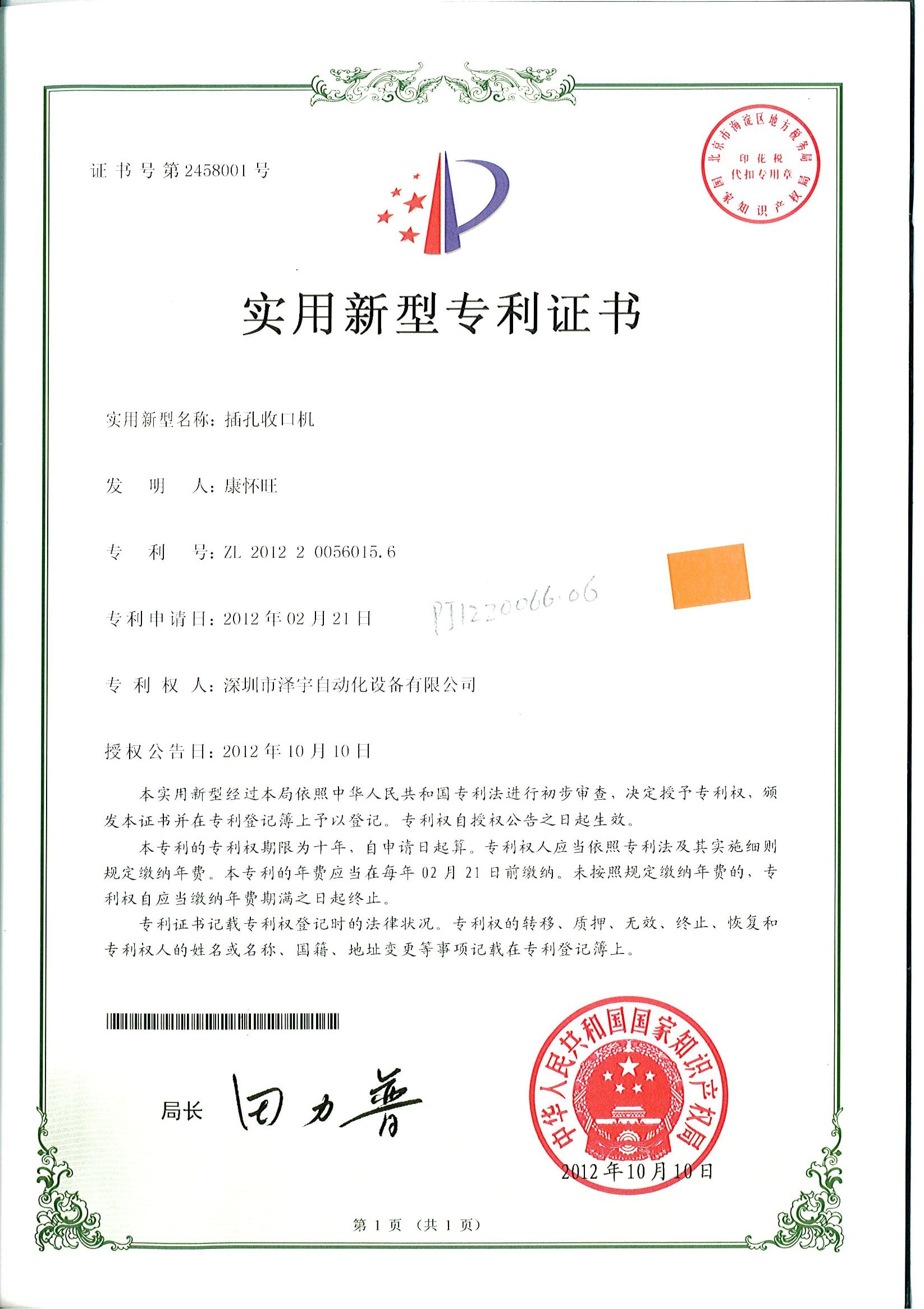
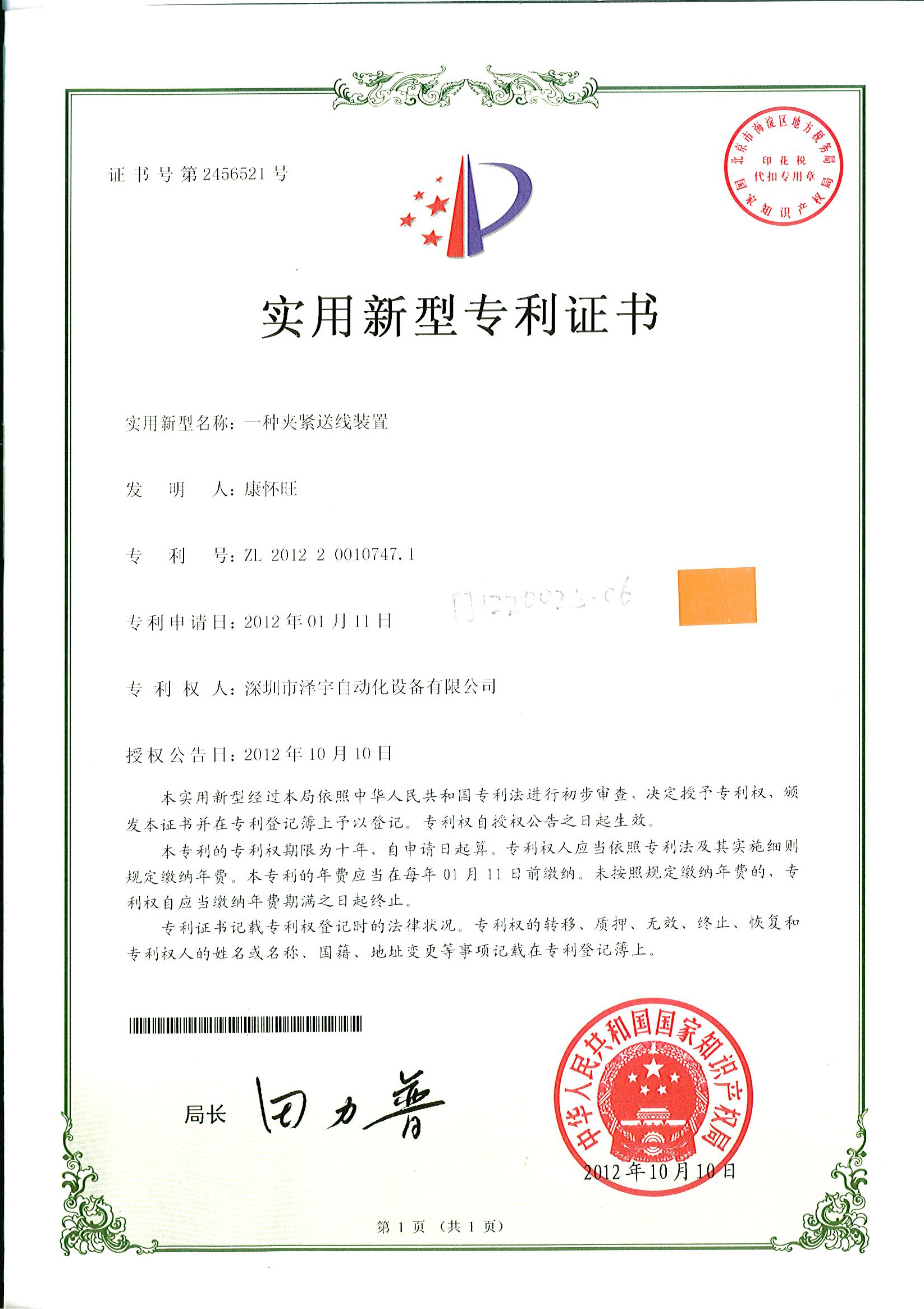
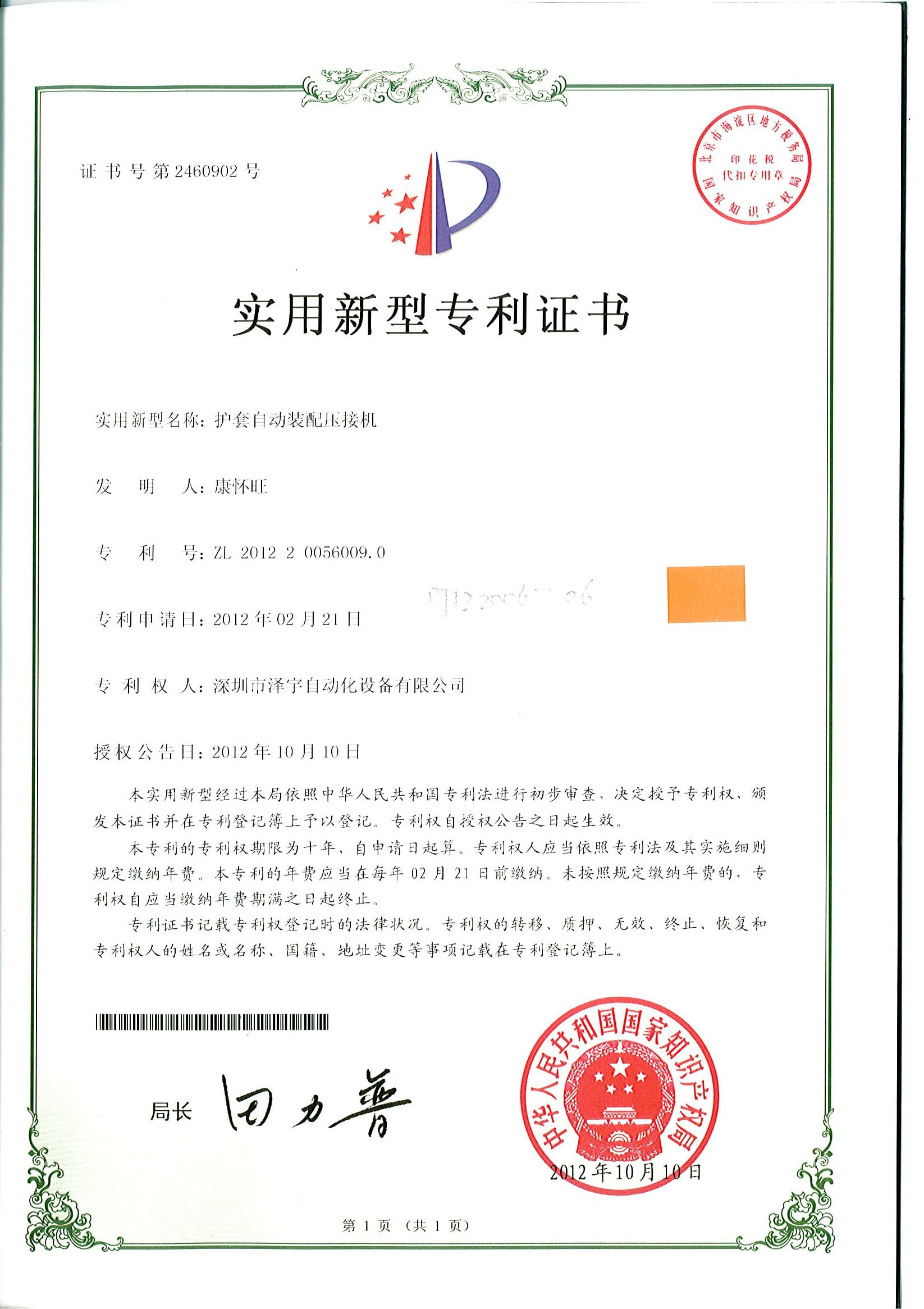
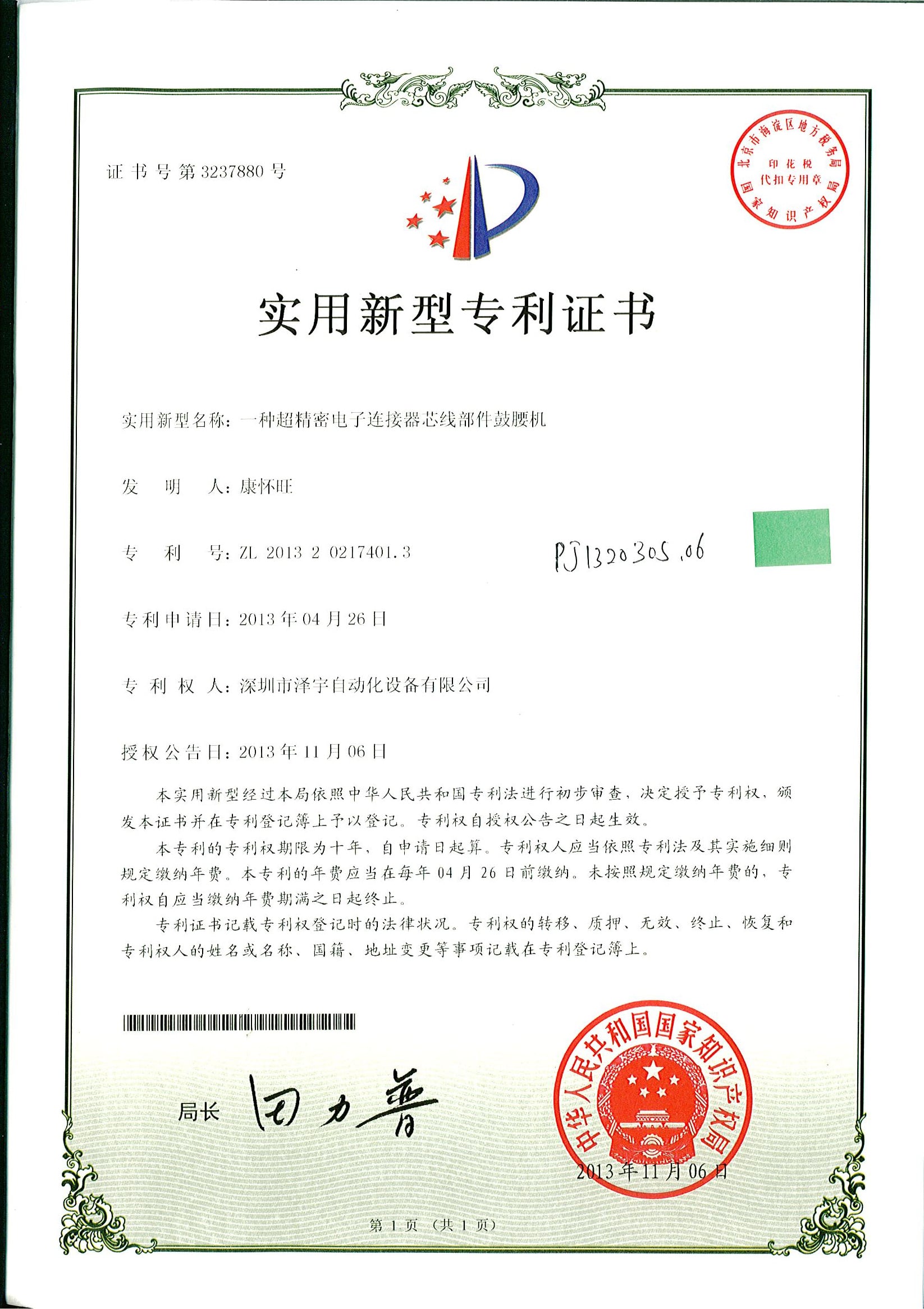
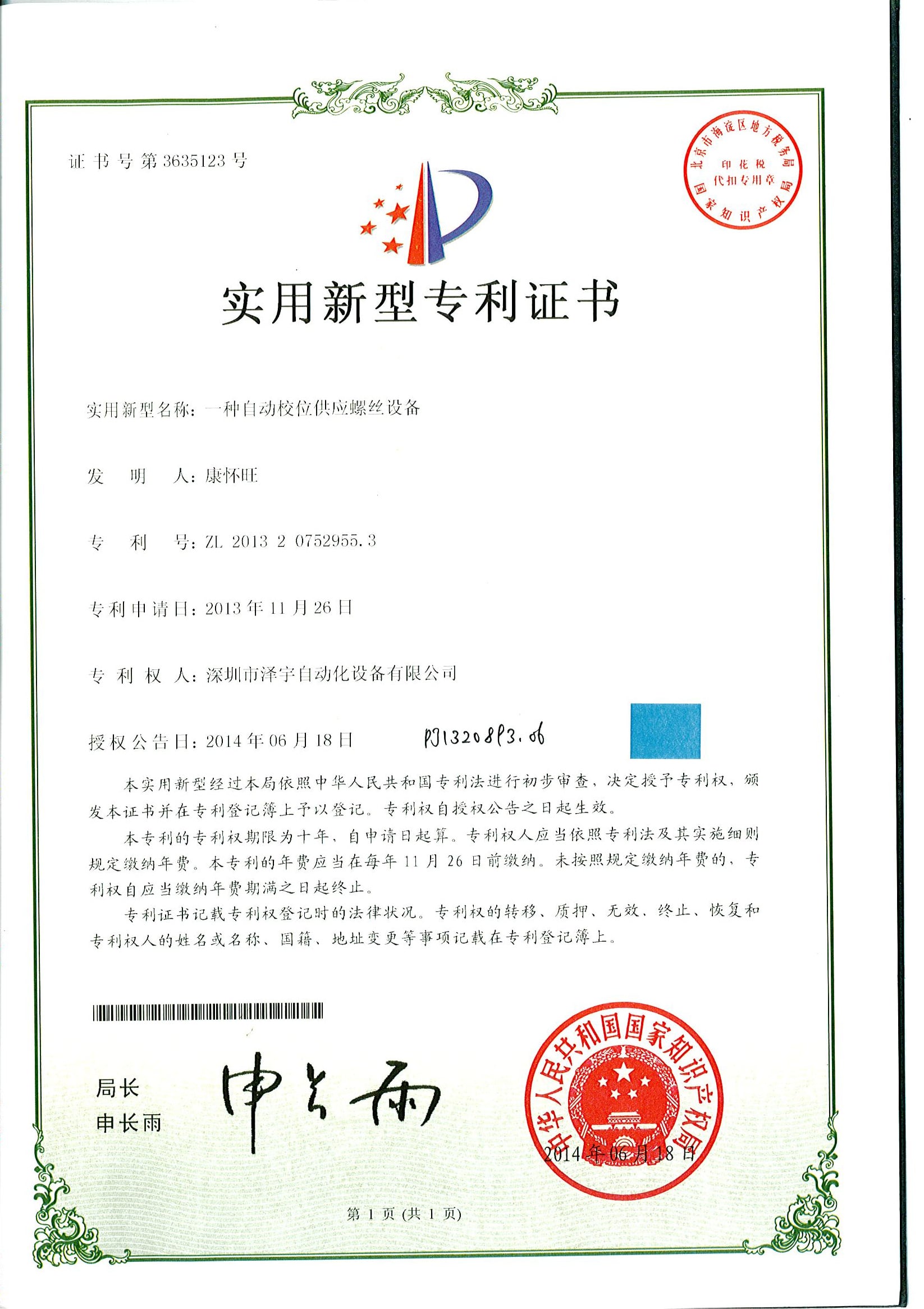
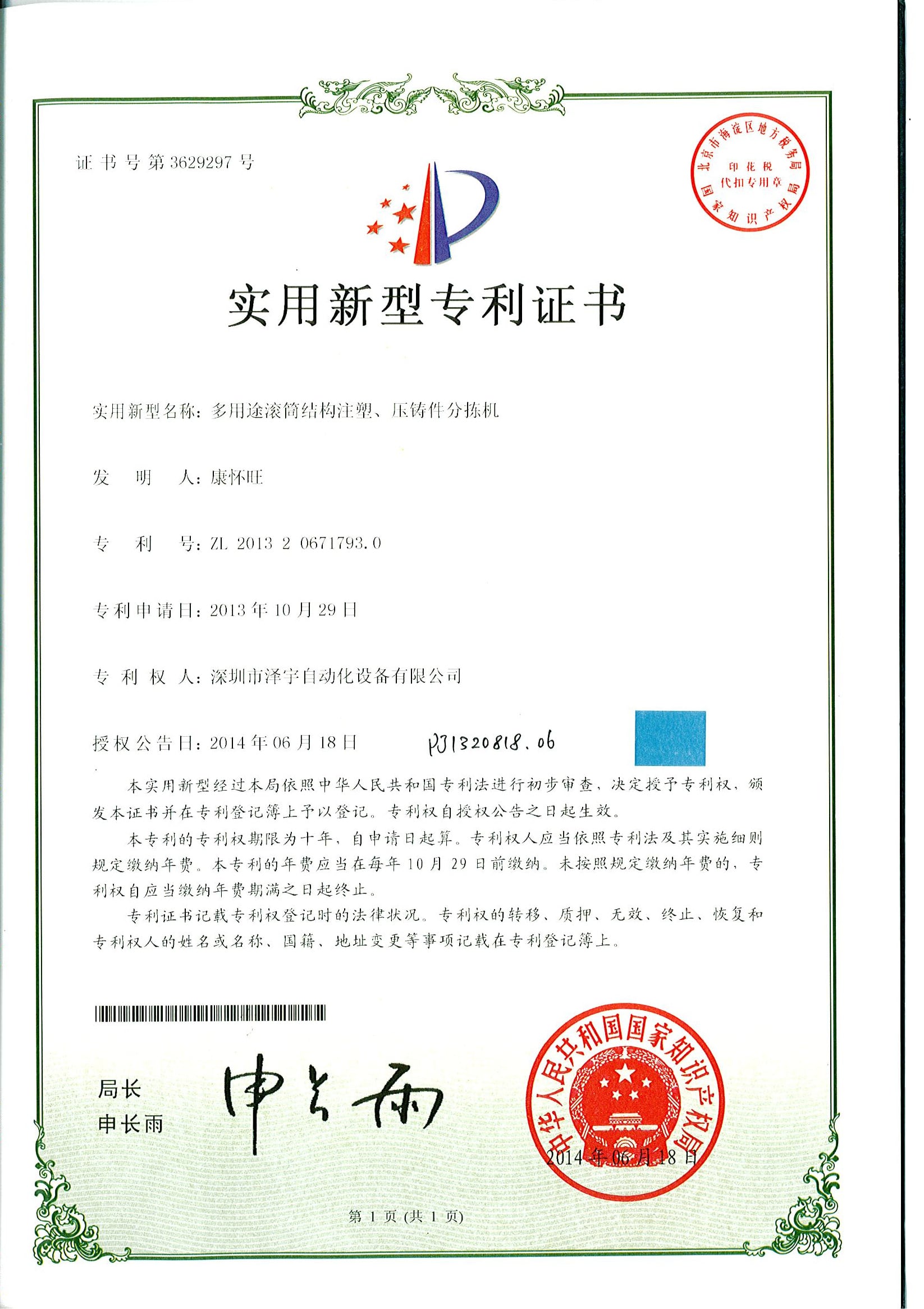
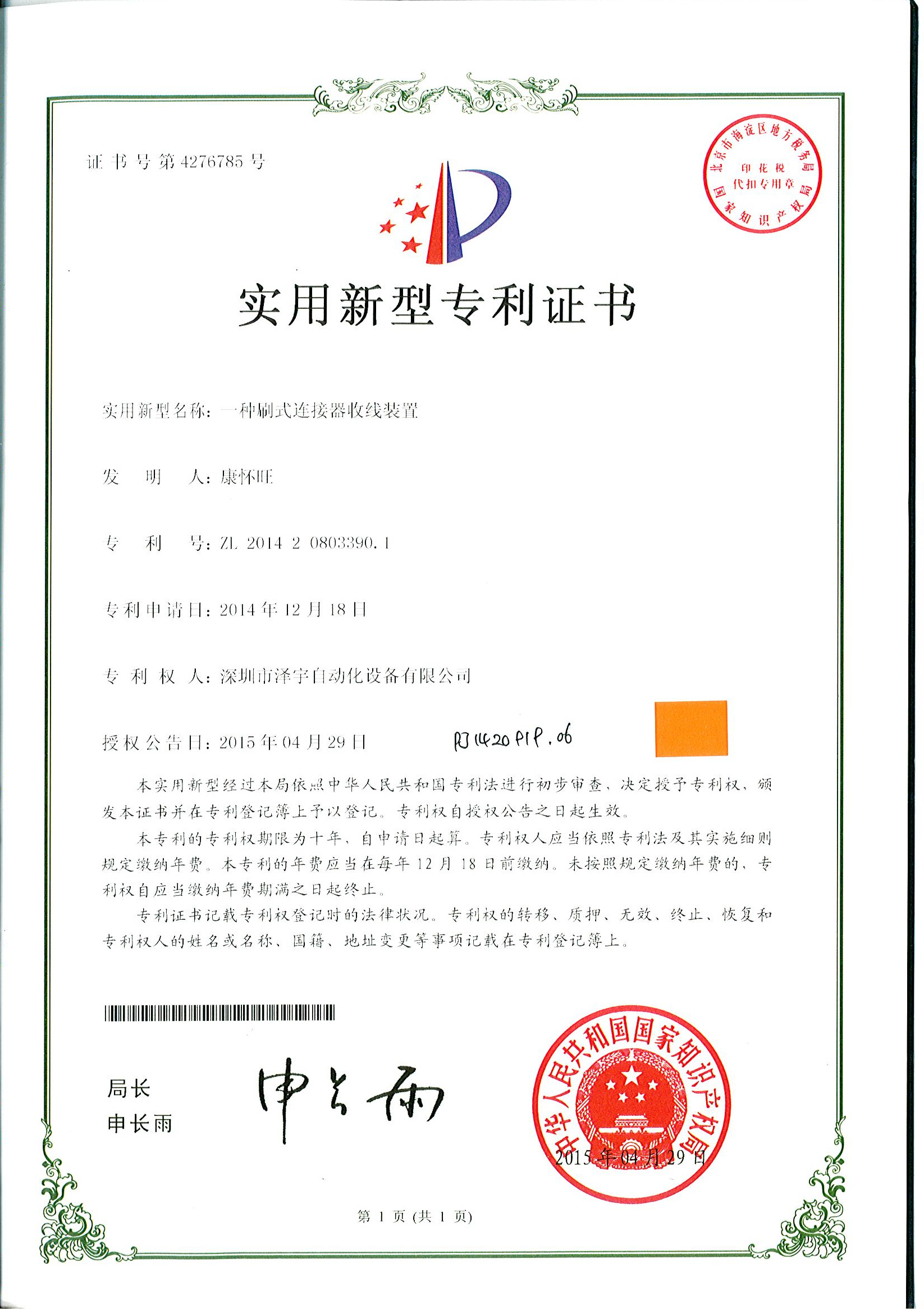
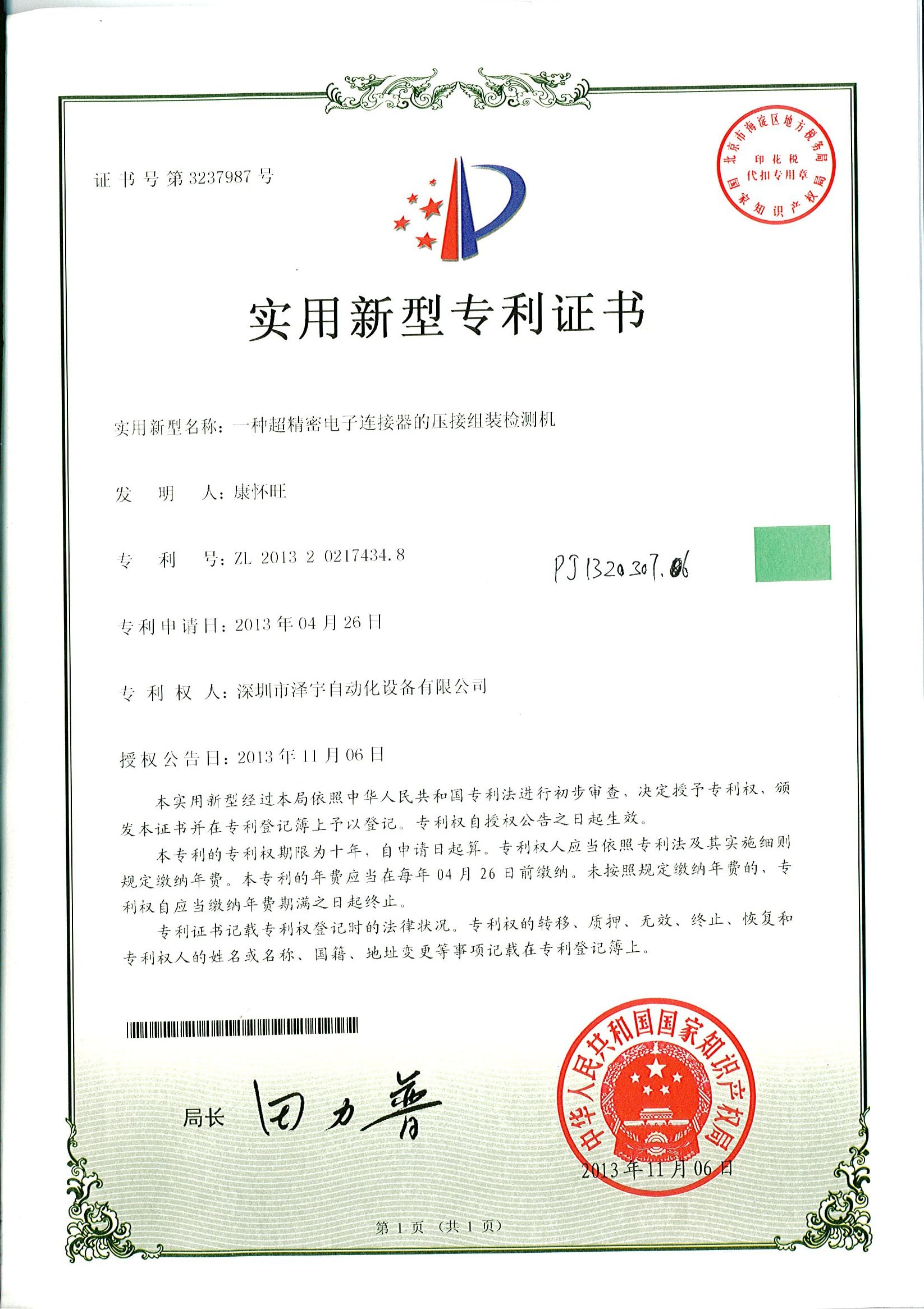
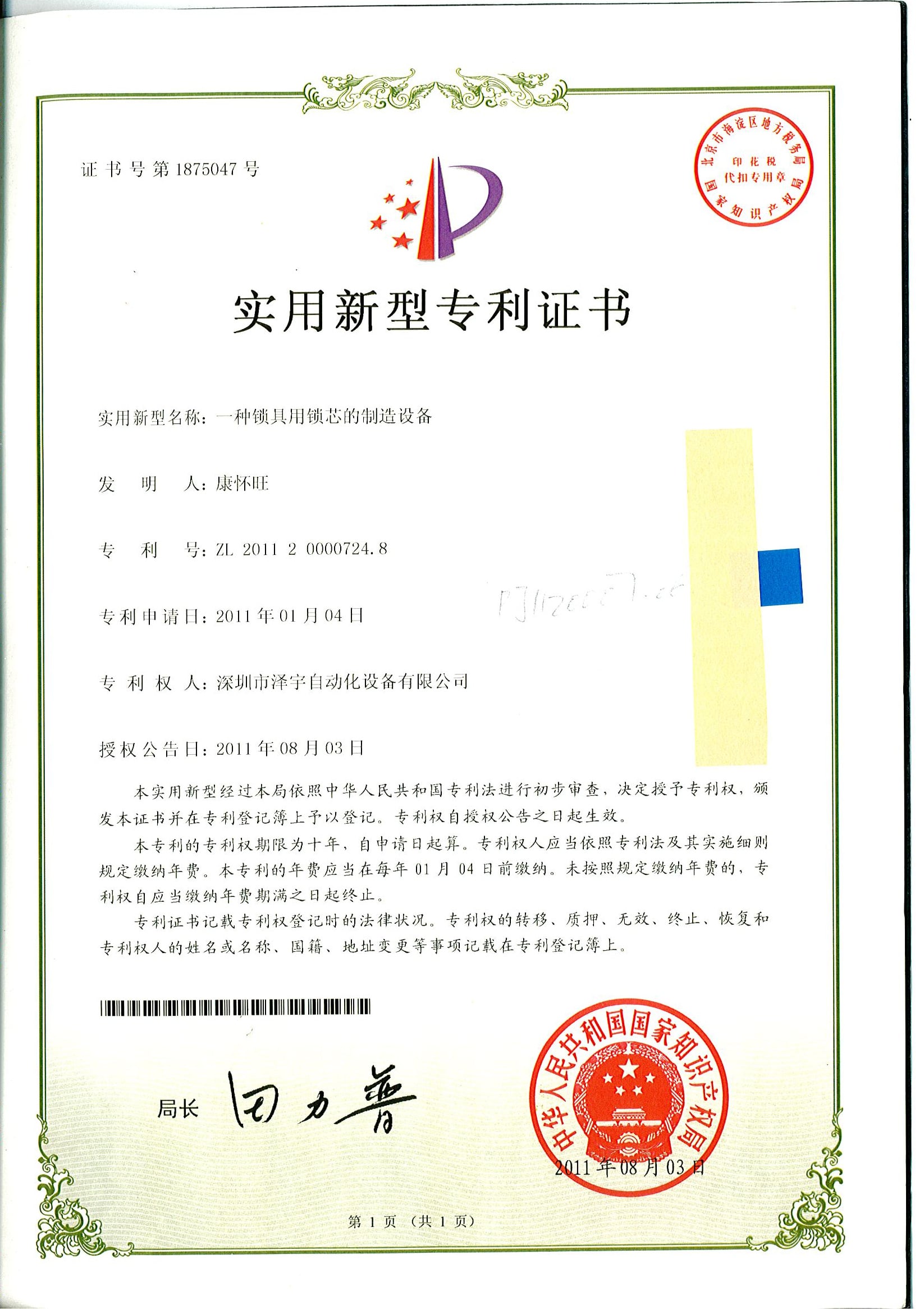
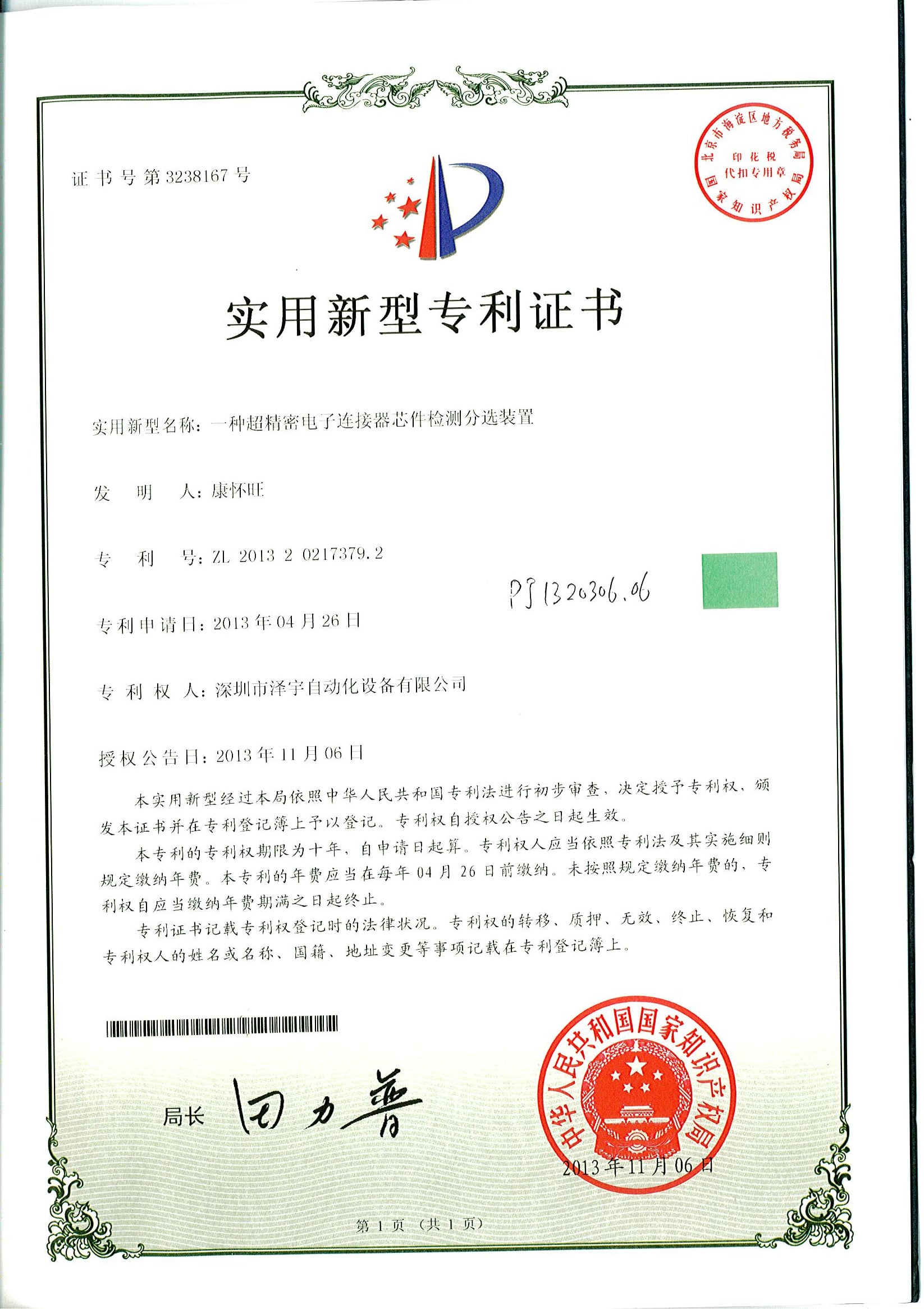
01/10
ISO 9001:2015
Quality management certified
CE
Conformity marked
150+ Patents
32+ invention / 68+ utility
National High-Tech
Enterprise qualification
20 Years
Since 2005, 30+ countries
Audit Validation & Standards
On the inspection side, credible vision specs trace to published standards rather than vendor claims. Sensor performance is measured under EMVA 1288 (also published as ISO 24942), and camera resolution under ISO 12233:2024both vendor-neutral, so you can compare cameras on quantum efficiency, dynamic range, and resolving power instead of trusting a brochure. Embedding inspection as a documented release gate is itself an ISO 9001:2015 Clause 8.6 requirement: product shouldn’t ship until planned verification is complete and recorded. A ZEUEE system produces that record automatically.
Need the paperwork for your audit?
Request full compliance & calibration docs →
Buyers: Procurement (primary) · Management (budget approval)
Procurement Guide: Pricing Factors, Lead Time, and Custom Engineering
The most common complaint about vision-system buying is that nobody will tell you what it costs, premium brands don't publish list prices, and proposals often hide the costs that decide whether the project pay back. We'd rather be straight about what drives the number than quote a fake one. A CCD vision inspection machine is priced on a handful of factors, and you can roughly self-estimate before you ever talk to us:
The cost most buyers underestimate
Across the industry, integration, calibration, and training are billed separately and commonly add 10–25% on top of hardware, and on incumbent systems the engineering to deploy a multi-station line can run from tens to over a hundred thousand dollars, sometimes more than the cameras.
"the hidden cost of machine vision isn't getting systems to work; it's everything required to keep them working."
ZEUEE quotes the integrated system, handling, lighting, optics, software, FAT/SAT, and support, not just the camera, so the line item you approve is the line you'll actually run.
The Concrete Build Path
Our build path is deliberately concrete so there are no surprises: you send a sample part, we run a feasibility and defect study, we design the custom fixture and lighting, we validate at a factory acceptance test (FAT) and again on-site (SAT) — the documented release gate ISO 9001:2015 expects, then we install and train.
For a transparent OEM the trade-off is honest: you get China-OEM pricing and turnkey non-standard engineering, and in exchange you're working with a focused specialist rather than a household brand name, which is exactly why the certifications, patents, and named customers above carry the weight they do. Lead time and pricing depend on the configuration, so the fastest path is a 24-hour quote against your part.
FAQ
Common questions from engineering and procurement teams regarding ZEUEE vision systems and configuration.
How much does a vision inspection system cost?
It depends on defect count, accuracy, throughput, and integration scope, so a single sticker price would mislead you. Entry-level in-line checks sit far below multi-camera metrology lines, and integration, calibration, and training commonly add 10–25% on top of the hardware, on a complex line the integration can cost more than the cameras. Premium brands won't publish a price at all. We'd rather show you the factors that drive the number, then quote the integrated system against your actual part within 24 hours, no eight-field form before you can even see a figure.
What does a visual inspection detect?
Surface scratches, cracks and burrs; dimensional tolerance; presence or absence of features; missing or misaligned components; OCR and barcode/DataMatrix codes; color and shade; foreign material; and solder or weld joint quality, the full set in the Capability Index above, configured to your specific defects.
Is it really a "CCD" machine, or CMOS?
"CCD inspection" is the industry category term, and we use it because that's what buyers search for. Technically, ZEUEE systems run modern global-shutter CMOS sensors, which have outperformed CCD on noise, dynamic range, and speed since CCD was phased out around 2015. You get the better sensor under the familiar name.
Rule-based or AI / deep learning?
Both, matched to the job. We use fast, exact rule-based tools for gauging and well-defined checks, and add a deep-learning classifier only for variable surfaces that rules can't pin down. One engineer on a practitioner forum summed up the failure mode of rigid systems: "rules break when the line changes." A hybrid avoid that.
Will it integrate with my existing line and PLC?
Yes, built around your conveyor, PLC, and handling, with accept/reject I/O and MES data export. Scope is fixed in the feasibility study first.
Why should I trust a supplier I haven't heard of?
Fair question, surveys show most buyers don't fully trust supplier-supplied information. So we lead with verifiable signals: ISO 9001:2015, 150+ patents, 20 years of operation, 30+ countries served, and named customers including TE, Sumitomo, SONY, and Foxconn. And before you buy, we prove detection on your own parts.
What about false rejects?
No honest system rejects only bad parts, a few false rejects are the price of catching every real defect. We tune to your acceptable quality level and report both the detection rate and the false-reject rate, because over-rejection (scrapping good product) is often the larger hidden cost.
WHY WE WRITE THIS
About ZEUEE Engineering Insights
ZEUEE shares technical guides based on real automation project experience. Since 2005, we have designed and manufactured non-standard automation equipment for connector assembly, wire harness production, robotic lines, vision inspection, and smart factory upgrades.
Founded in 2005
20,000 m² production base
120+ specialists
150+ R&D patents
ISO9001:2015 certified
![Automated Screwdriving: Torque & Cycle Time [Guide]](https://zeueeauto.com/wp-content/uploads/2026/10/automated-screwdriving-featured-150x150.png)