Get in touch with Zeyu lntelligent Industrial Company
Equipment Overview
Color Ring Coating Machine for Connector Pin & Socket Contacts
Automated BIN Color-Band Marking
Add durable, non-repeating, colour identifier bands to pin and socket contacts – how mil-aero and precision connector shops identify contacts to a Basic Identification Number (BIN) on the actual device, instead of hand painting.
Request a Quote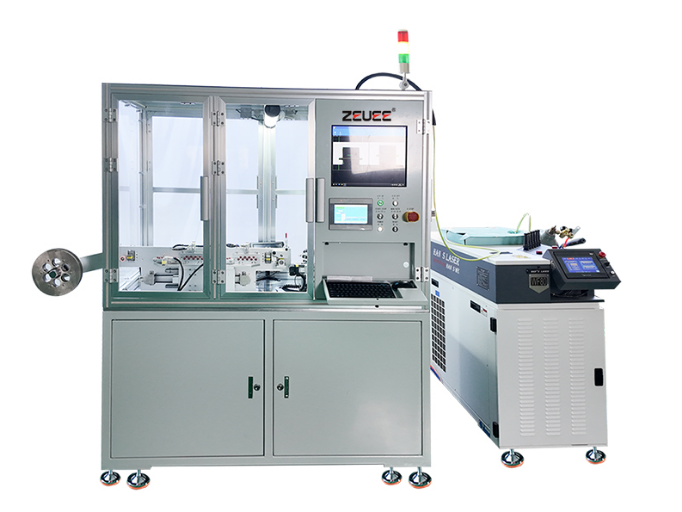
Pin & Socket
Contact types coated
Up to 3
Color bands per cycle
UV-cured
Ink coating, abrasion-resistant
CCD-verified
Vision band-position check
ISO 9001 · CE · CQC
Certified manufacturer
Configurable
Throughput & contact range
SYSTEM EVALUATION
The Manual Contact Color-Coding Bottleneck — and How Automated Ring Coating Solves It
[PHASE-01] Background Process
Use a Color Ring Coating Machine to apply color coded identification rings to contact pins and socket contacts – small, gold-plated parts with sharp pointed tips that terminate a wire and snap into the body of an electrical connector. This is contact-level marking: the color identification is printed on the body of the pin or socket contact and is used during connector assembly to tell the machine, which contacts belongs to which cavity in a connector.
[PHASE-02] The Failure Mode
That is important because there’s a failure mode that anyone in a connector shop has seen. The identity is put into mil-aero contacts with three color bands printed into a Basic Identification Number (BIN)-the same scheme used in the resistors on your hobby shop printed-circuit board back when you learned about them in school. When this coding is hand-painted, you have two interacting issues, the shades vary from painter to painter, lot to lot, and applied color fades when it gets hot or exposed to light. Colors shift from one run to another and fade when they get warm, and color-sensitive build and test can identify the wrong pin in an incorrect connector hole. These mistakes are seldom found until the continuity testing and when one has failed during field operation-by then they are becoming costly.
[PHASE-03] Automated Advantage
And that’s precisely where this machine can help. Rather than a human hand brushing, dipping or painting bands individually and praying for consistency, the machine rotates each contact, performs an automated dip/spray cycle of the band set with a single pass of its applicator and UV curing, and then performs a CCD vision inspection to make sure bands were laid down where they belong before the contact continues indexing. Unlike manual processes, the automated application yields a level of predictability that can’t be achieved reliably, especially at rate: Bands will appear in the same location, the same shade, from contact to contact – ideal for a quality inspector verifying against the chart. And since relying on color alone is a documented reliability risk, ISO 9001:2015-certified ZEUEE focuses on CCD vision as the critical part of its cell design; bands must confirm the correct BIN in the image before a part moves on to the next cycle. Learn about the machine, automated coating versus its alternatives, what BIN the machine can represent, and procurement process in the sections that follow:
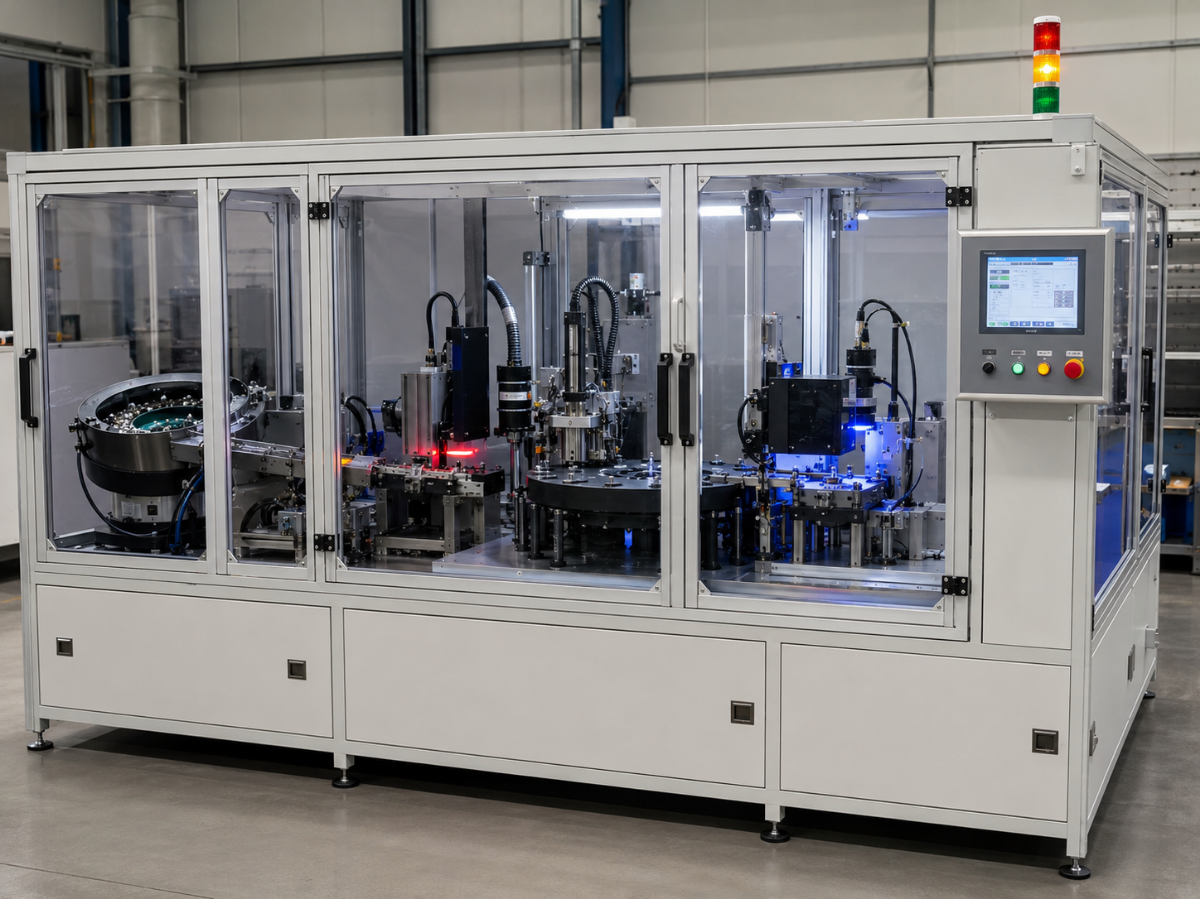
 REF / FIG-01
ZEUEE Color Ring Coating Machine — Models, Specs & Configuration
Built as a self-enclosed automation cell, ZEUEE's platform is a complete contact-identification unit, consisting of the contact feeding and positioning device, the coating station which precisely applies color bands to the products, a UV station where the ink is cured, and finally the inspection with a CCD camera. This assembly is encased in safety and controlled via a touch screen HMI, with a tricolor light for operational status. Applications differ hugely for this equipment and therefore specifications may be different for different applications. Automated color-coding is itself long-established prior art (USPTO US6311229).
What the platform does
- It coats pin and socket contacts of the cylindrical, gold-plated type used in circular and rectangular connectors.
- Up to three color bands go on in a single process pass - enough to render a full three-digit BIN code without re-indexing.
- Pigmented coating is fixed by a UV curing module for abrasion and solvent resistance, instead of air-dried hand paint.
- A CCD vision station confirms band presence and position, so a mis-coated contact is rejected at the machine rather than at final test.
- Recipe-driven HMI control stores presets per part number, and tooling and feeding modules change over for different contact families.
Contact-to-Coating Configuration Ladder
Use this to frame a conversation about the right build for your program - it maps what you are marking to how the cell is configured:
| Your contacts | Bands needed | Typical configuration | Best fit |
|---|---|---|---|
| Single-size, high-volume line | 2–3 fixed | Dedicated feed + fixed color set + CCD check | Highest, steady throughput |
| Mixed M39029 family | 3 (full BIN) | Recipe-driven color change + part-number presets | Frequent part changeover |
| Mixed sizes / dev + production | 1–3 variable | Adjustable tooling + manual-assisted color change | Low/mixed volume, prototyping |
| Integration into existing line | varies | Cell tied to upstream feeding / downstream insertion | Inline contact production |
An engineer evaluating the platform should send a representative contact and its target BIN; ZEUEE returns the feed tooling, band layout, and cycle approach as part of the spec sheet. This is also where customize requests - special contact geometries, extra bands, or tie-in to an existing connector assembly line - are scoped.
Evaluate Configuration SpecsAutomated Ring Coating vs Manual Hand-Marking vs Laser/Inkjet — Performance Comparison
Buyers usually weigh three ways to put identity on a contact: paint the bands by hand, mark with a laser or inkjet system, or coat with a dedicated automated ring machine. They are not interchangeable. Hand-marking is the source of the consistency problem described above; a laser wire marking machine or an inkjet cable marking machine is excellent at printing alphanumeric codes on wire insulation and terminal blocks, but each is built for marking lengths of wire - not for laying a clean colored band around the body of a discrete contact. The structural reason ZEUEE engineers a dedicated, CE-marked coating head is coverage: leading wire-marking platforms address wire and cable identification, not individual pin and socket color-coding. Below, concrete attributes replace vague High/Medium/Low ratings:
| Attribute | Automated Ring Coating | Manual Hand-Marking | Laser / Inkjet Wire Marker |
|---|---|---|---|
| What it marks | The contact body (pin/socket) | The contact body | Wire / cable insulation, tubing |
| Color bands per pass | Up to 3 in one cycle | 1 band at a time | N/A (alphanumeric, not color bands) |
| Band consistency | CCD-verified, recipe-fixed | Operator- and lot-dependent | High for text, not color bands |
| Durability | UV-cured, abrasion-resistant | Air-dried, fade/wear risk | Permanent on insulation |
| Verification | In-line vision reject | Visual, post-hoc | Varies by system |
| Throughput class | Continuous automated index | Piece-by-piece | High (linear wire feed) |
Built for Compliance — The Contact BIN Color Code Your Machine Reproduces
Getting a band wrong is a reliability risk, not a cosmetics defect - it's why ZEUEE engineers CE-certified CCD inspection right into the cell. Coating bands onto a contact is done for only one reason: to reproduce the connector color code, the Basic Identification Number, both an inspector and a linked automated checker will read. It closely resembles the color code for wire connectors you already use, and it's how an inspector will check the BIN against a mil spec pin and socket contact chart for the M39029 and related families. For the M39029 contact families (the backbone of MIL-DTL-38999, -83723, -26482 etc.), the last three digits of the part number appear as color bands, using the standard resistor color code, in order from wire-barrel end to mating end. A coating machine that does not precisely put the bands in place is, in short, a mistake machine.
Contact BIN Color-Code Reference Chart
| Digit | Color | Digit | Color |
|---|---|---|---|
| 0 | Black | 5 | Green |
| 1 | Brown | 6 | Blue |
| 2 | Red | 7 | Violet |
| 3 | Orange | 8 | Gray |
| 4 | Yellow | 9 | White |
"We consider the CCD check to be the deliverable, not the coating head. Anybody can apply ink to a part — the question an aerospace buyer asks is whether the BIN reads consistently across the whole lot. So we reject a bad contact at the station, before it is ever pulled for insertion."
Where It Pays Off — Application Industries & Results
The machine is cost-effective anyplace that contacts are produced in enough volume that manual application of bands becomes a quality liability, primarily aerospace and defense electrical connector and contact makers who are subject to AS9100 and M39029 part traceability requirements; auto and EV manufacturers who use huge volumes of connectors, with recalls and warranty risks tied to errors; or telecom, industrial and high-precision electronics makers who rely on color codes to raise the efficiency of their own assembly.
Imagine the touch-down team adding a mixed lot of M39029 socket contacts to a 38999 program. Once they receive the plain contacts from plating, each must have a BIN on it before they’re packed up by part number. Typically done with a manual effort, a worker checks the color of a mixed band with an index book, dabs on the correct band using an applicator, then separates and lays the contacts aside to dry - a slow operation where the application of the wrong colored band or a smudged application won’t become apparent until after the connector’s built and a fails to go through continuity tests. Introduced into the product stream, the coating equipment indexes these same contacts, applies the correct band pattern, cures it, then discards any contact for which the contact-measuring CCD camera fails to verify a satisfactory application. This makes an operator’s ‘guess-and-check’ a verified, controlled step to keep pace with the contact assembly process.
ZEUEE manufactures this equipment as part of an overall contact and connector automation line, and its experience is factory-based, not machine-based; Since founded in 2005, 20,000 ㎡ of production base, more than 150 R&D patents, ISO 9001:2015 certification, it supplies smart automation equipment to customers in over 30 countries. These long-term programs include such names as AVIC, China Shipbuilding, Corning, TE, Sumitomo, LEGO, SONY, and Foxconn, all of whom have audited supply chains where contact identification matters — the measurement-and-quality discipline that bodies like NIST formalize for manufacturing.
The Manual-to-Automated Color-Coding Payback Threshold
The honest answer to whether this pays off is a threshold, not a headline ROI. Below a certain contact volume, hand-marking is cheaper to run; above it, the recurring labor and the rising cost of misidentification tip the math toward an automatic coating solution. Two forces set that trade-off — the labor a marking step consumes every shift, and how expensive a wrong band becomes once it is downstream.
A second, larger return does not show up on a labor line at all: the cost of a misidentified contact found late. In production, a defect caught after assembly is far more expensive to fix than one caught at the marking or test station, and connector and wiring faults are a recurring driver of field recalls. Verified, consistent bands move that catch point upstream — the core of the identification solution — which is the real return, even if it is harder to put a single figure on. ZEUEE will not claim a headline ROI it cannot defend; we size it honestly with you instead.
Certifications & Compliance
A buyer onboarding a new equipment supplier into an aerospace or automotive program starts with the supplier’s certification stack - which is also the first real procurement risk. If a supplier’s certification stack isn’t strong, vendor onboarding can stall for weeks, delaying the launch of equipment for the program. ZEUEE makes their equipment under an audited quality system, and the machine carries the telltale stamps of purchasing and quality personnel:
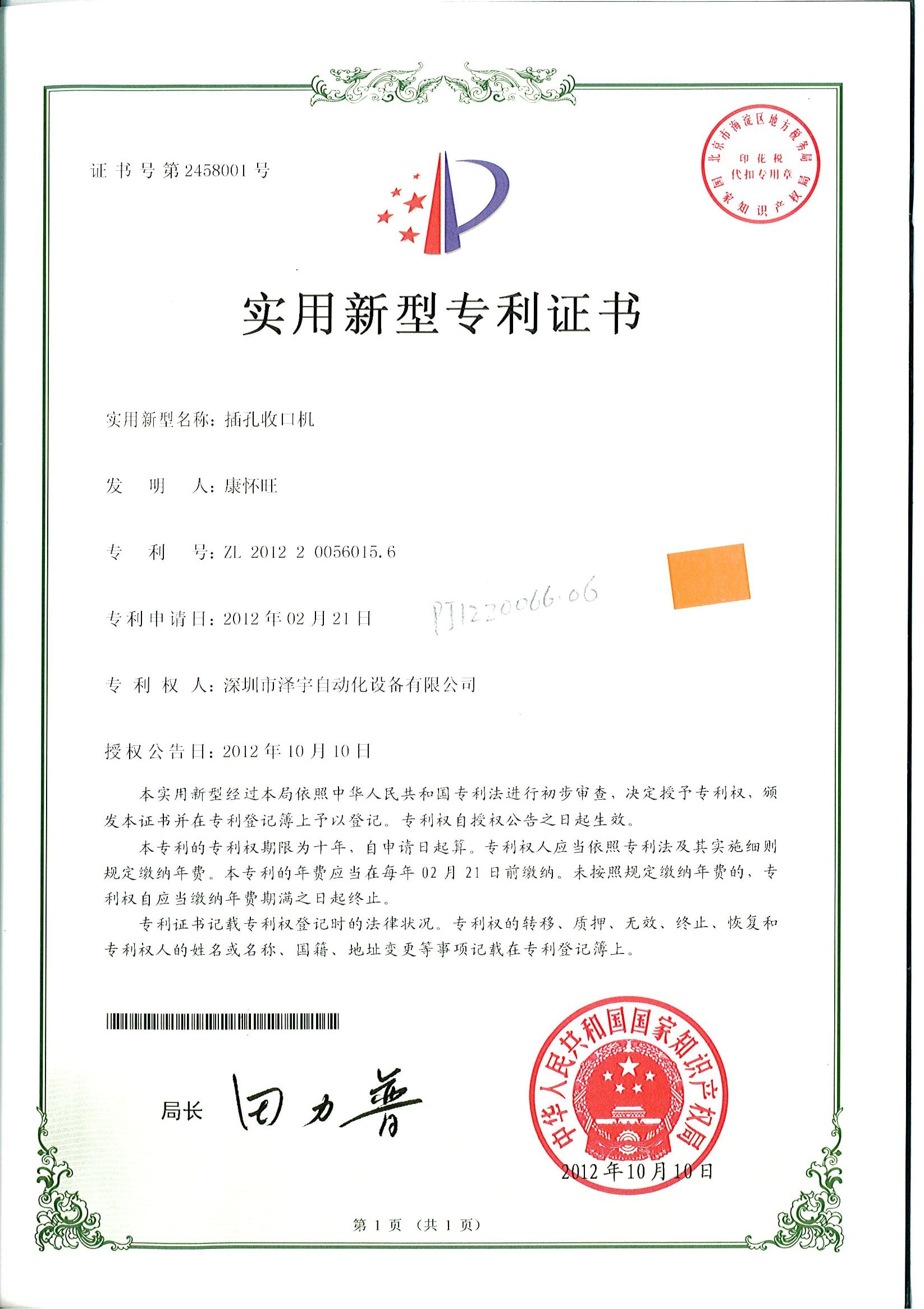
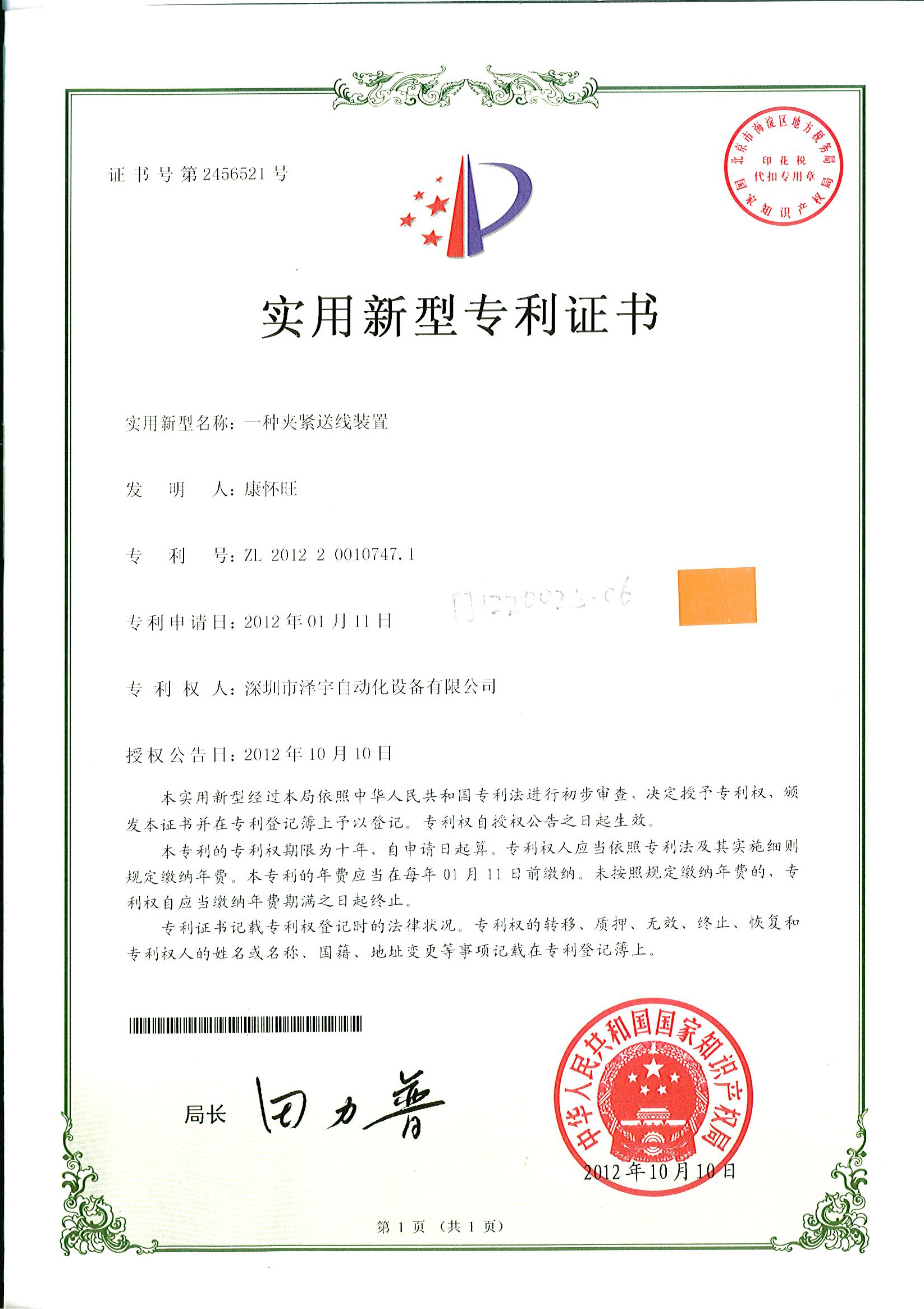
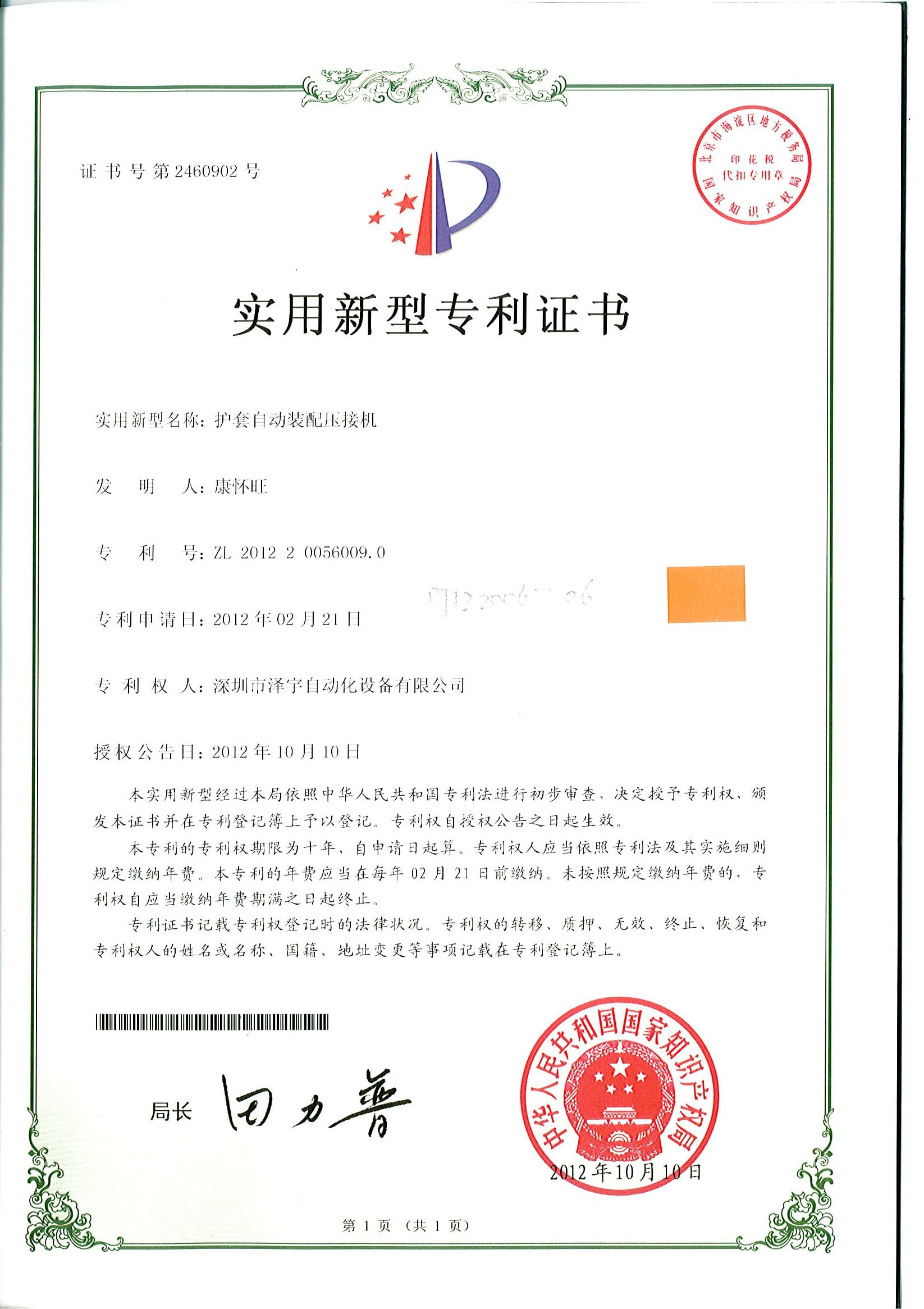
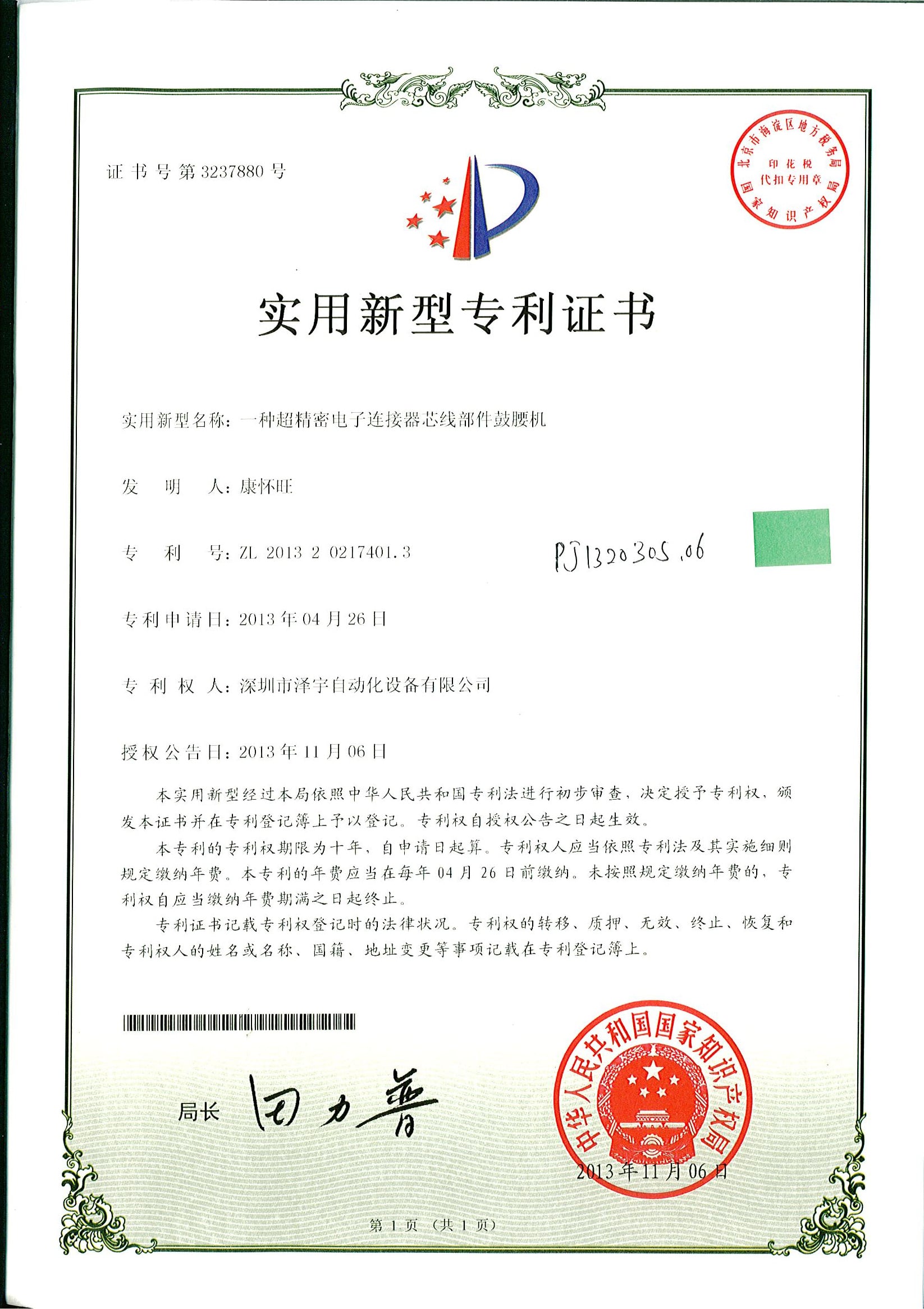
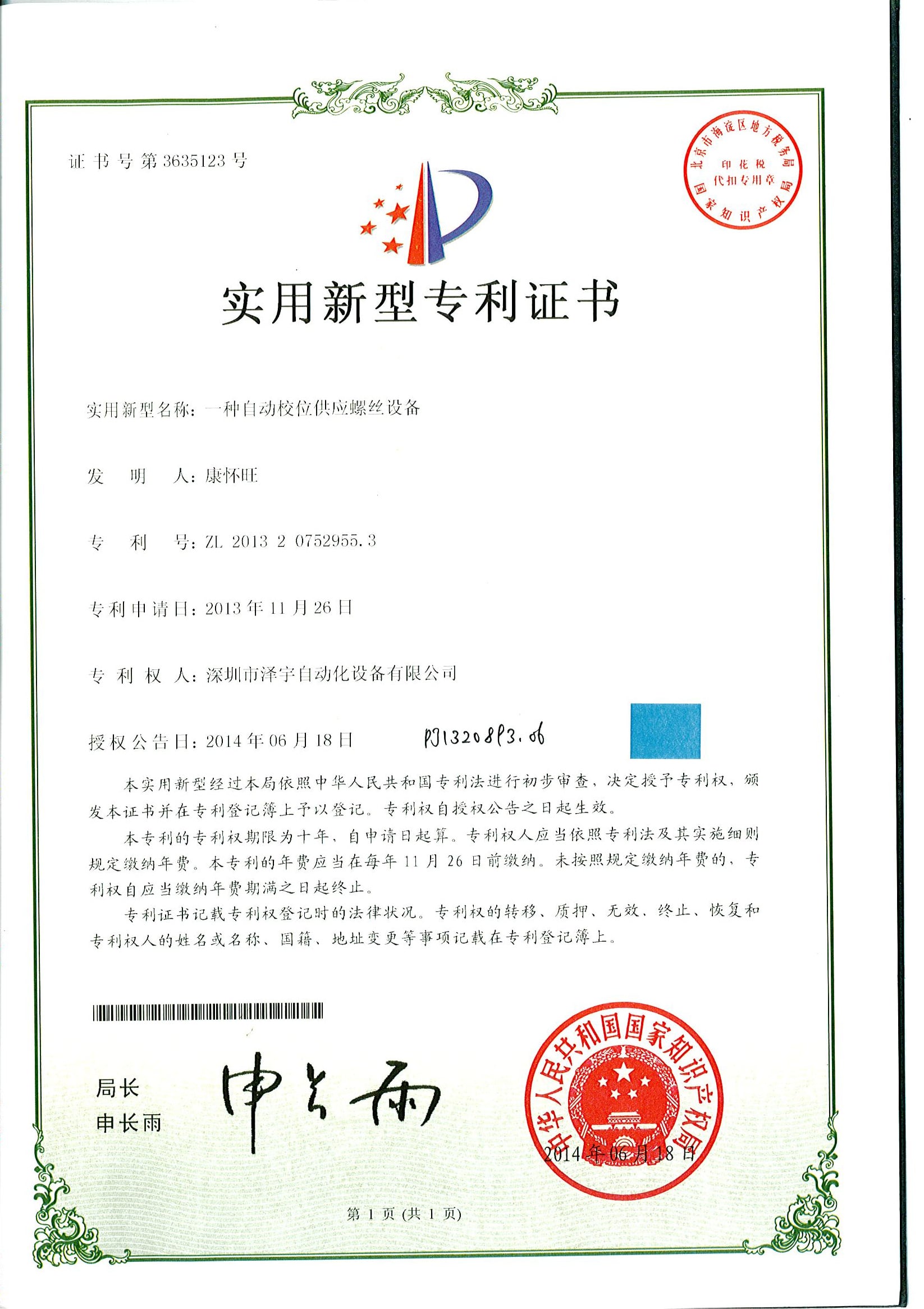
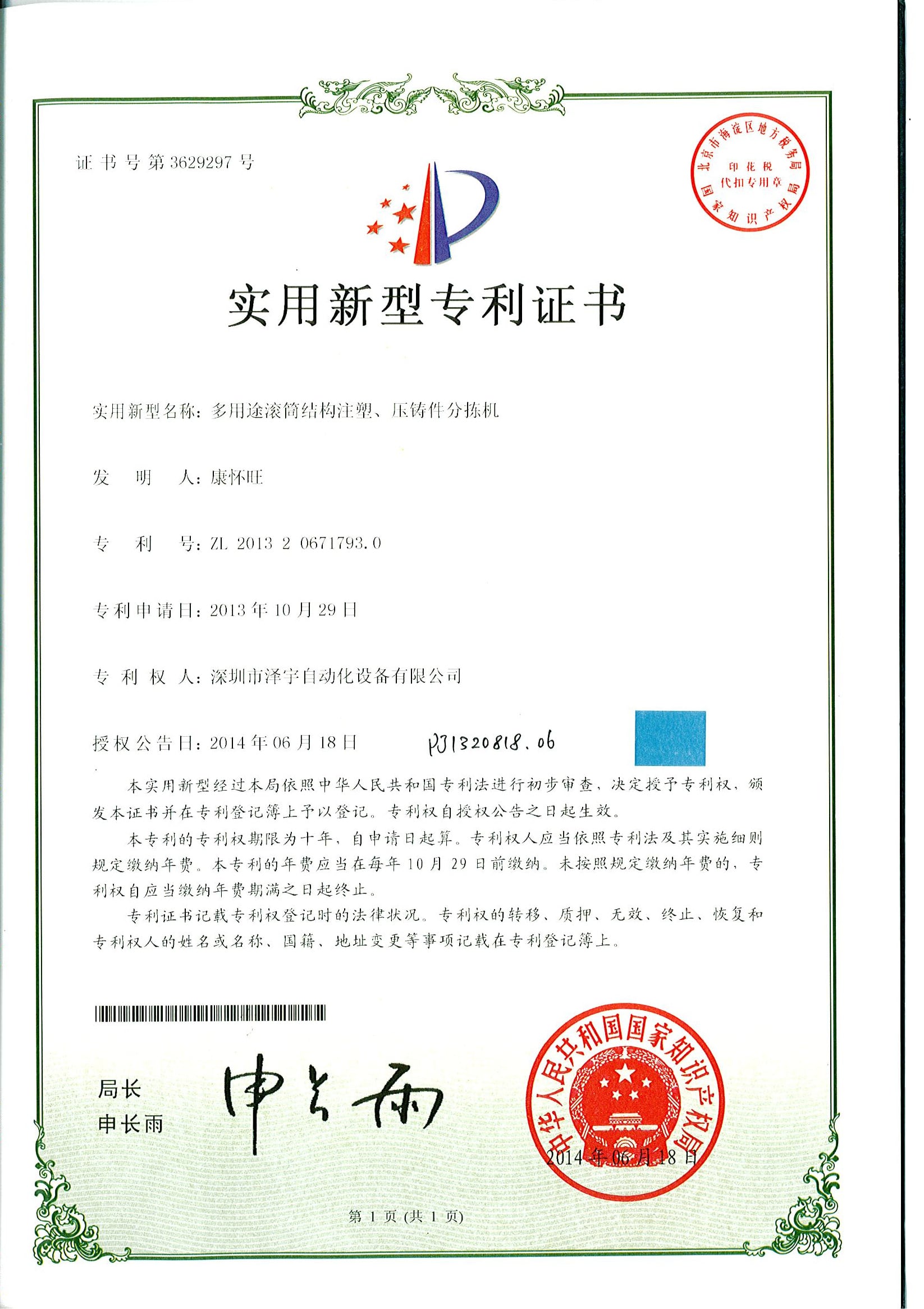
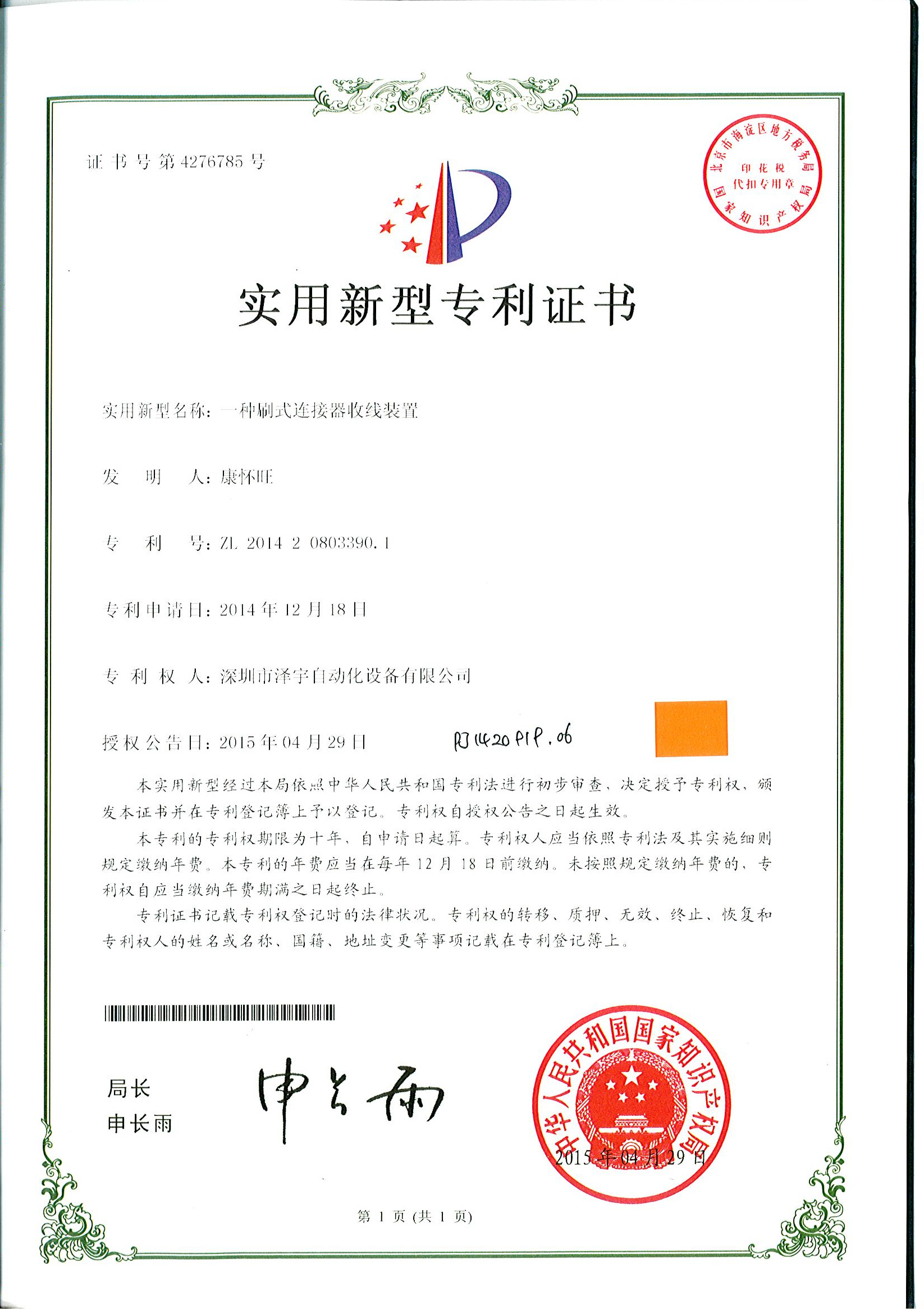
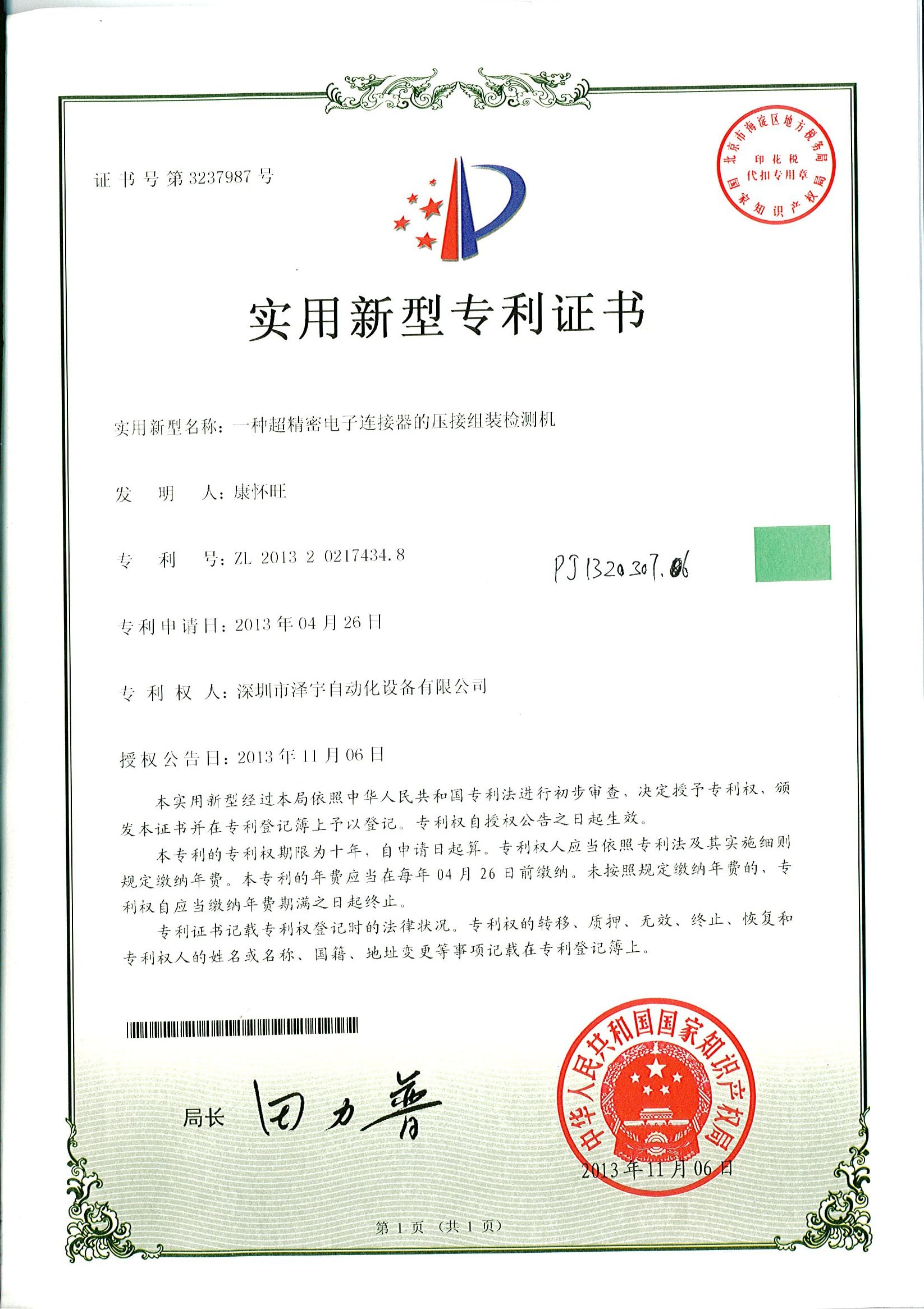
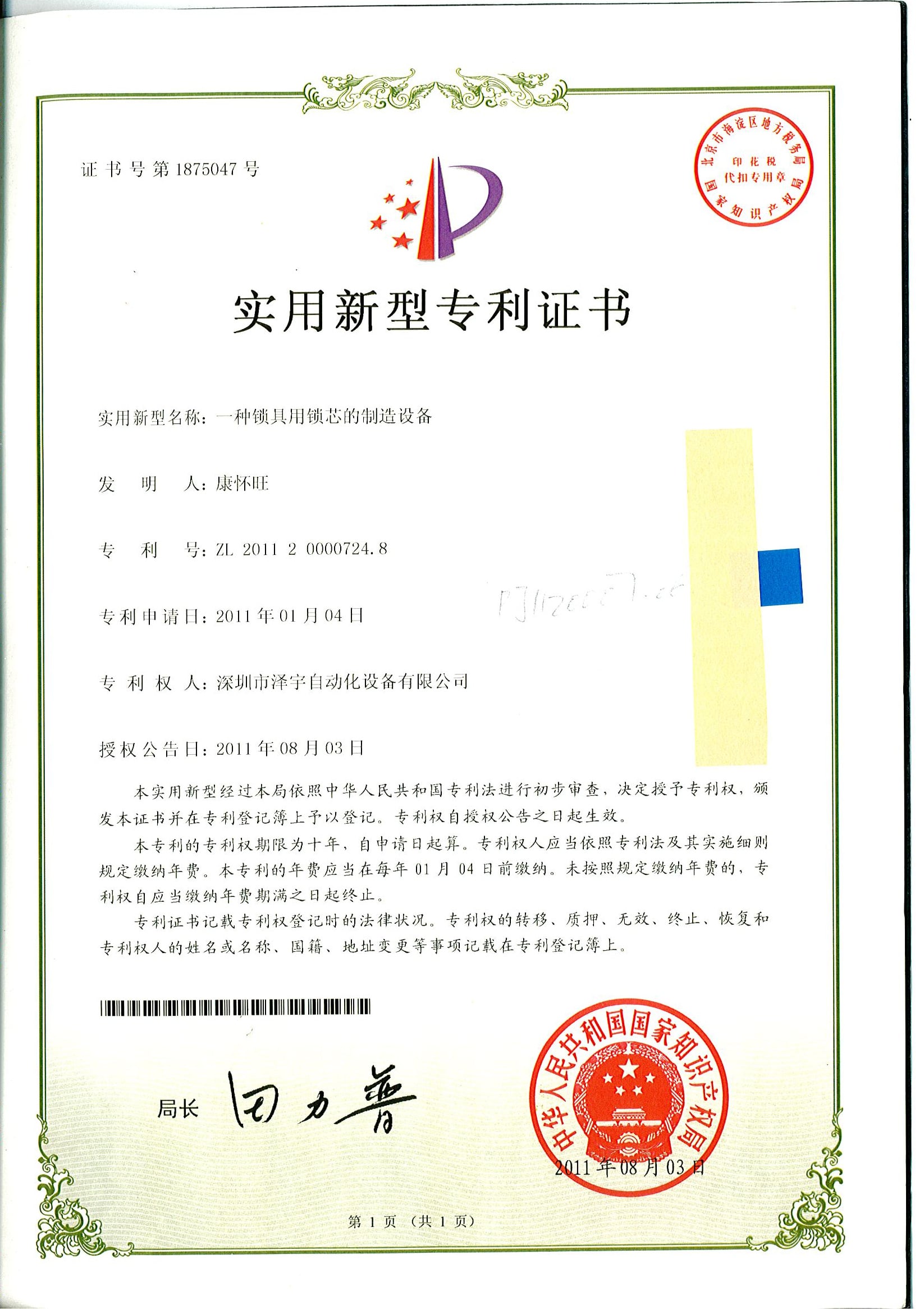
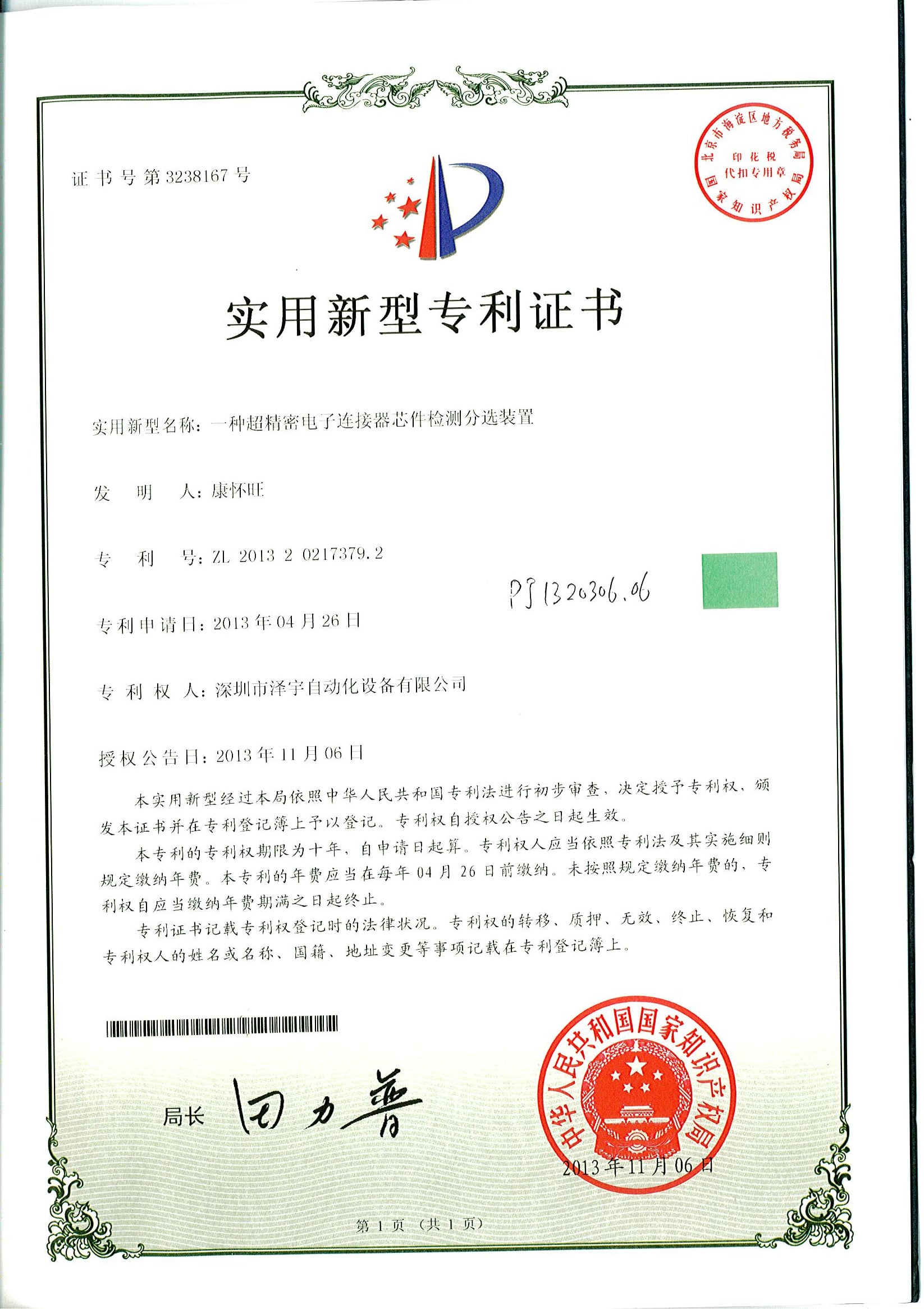
150+ Patents
32+ invention · 68+ utility
ISO 9001:2015
Quality management system
CE
EU conformity marking
CQC
China Quality Certification
National High-Tech
Enterprise qualification
Procurement Guide — Pricing Factors, Lead Time & After-Sales
As each machine configuration is tailored for each application, there's no one price - if a salesperson gives you one before seeing your contacts, they are guessing. The real cost of such an acquisition breaks down into these five factors:
What drives the quotation
Lead time and service are again driven by your specification and minimum order quantity. As a non-standard automation manufacturer, ZEUEE supports installation, operator training, spare and consumable supply, and remote support for customers across 30-plus countries. This is committed in writing on the quotation — the lead-time window within tolerances, plus after-sales service plans and spare-part lists. For independent guidance on evaluating a new manufacturing supplier, buyers can consult resources such as NIST MEP. Contact ZEUEE for a detailed quotation based on your contact part numbers.
FAQ — Frequently Asked Questions
What exactly does a color ring coating machine do?
ZEUEE machines apply precisely color-coded bands, a Basic Identification Number (BIN), to connector pin and socket contact bodies. The machine applies ink directly to the contacts which is then UV-cured. Color verification is performed prior to advancing the part. BIN is the industry-recognized three-digit color-coding system to readily identify contact pin or socket at the wire barrel connection point, as viewed from the wire barrel looking toward the mating end of the connector contact, identifying the correct part at each station throughout the assembly process. Our technology is different from ink-jet and laser equipment used to imprint alphanumerics on wire insulations. Our machine marks the contact itself.
How are the three color bands read?
Bands follow the standard 10-color resistor code used across the electrical industry. They map colors to numbers zero (0) Black through nine (9) White. An example BIN of 360, interpreted by following color codes from the barrel toward mating end of contact, would read orange - blue - black.
Can the machine handle our specific contact sizes and part numbers?
This is applied at point of use. Send one sample contact, or the contacts you need identified. Tell us the specific Basic Identification Number(s) your contact(s) need, and ZEUEE will quote you for that machine, including the feeder mechanism(s), band(s), and the appropriate operation procedure specification. Mixed M39029 contact family products may be handled with recipe-change capability for color code selection.
How durable are the applied bands compared with hand-painting?
We uv cure the coating for rub and solvent protection; after each individual contact we do a check with a CCD and then move along; it tackles exactly the problem of fade and shade-drift that is intrinsic to manual color development.
Does the machine make our contacts MIL-spec compliant?
This is how you ensure compliance with, and proper, reliable application of, the BIN color-coding scheme. The process for contact qualification, however, remains driven by your contact's existing standard (e.g., M39029), as well as your own AS9100 process and IPC/WHMA-A-620 procedure -- that distinction should always remain clearly maintained, because there is no easier way to have a compliance error than by confusing tool qualification with contact qualification.
WHY WE WRITE THIS
About ZEUEE Engineering Insights
ZEUEE shares technical guides based on real automation project experience. Since 2005, we have designed and manufactured non-standard automation equipment for connector assembly, wire harness production, robotic lines, vision inspection, and smart factory upgrades.
Founded in 2005
20,000 m² production base
120+ specialists
150+ R&D patents
ISO9001:2015 certified