Get in touch with Zeyu lntelligent Industrial Company
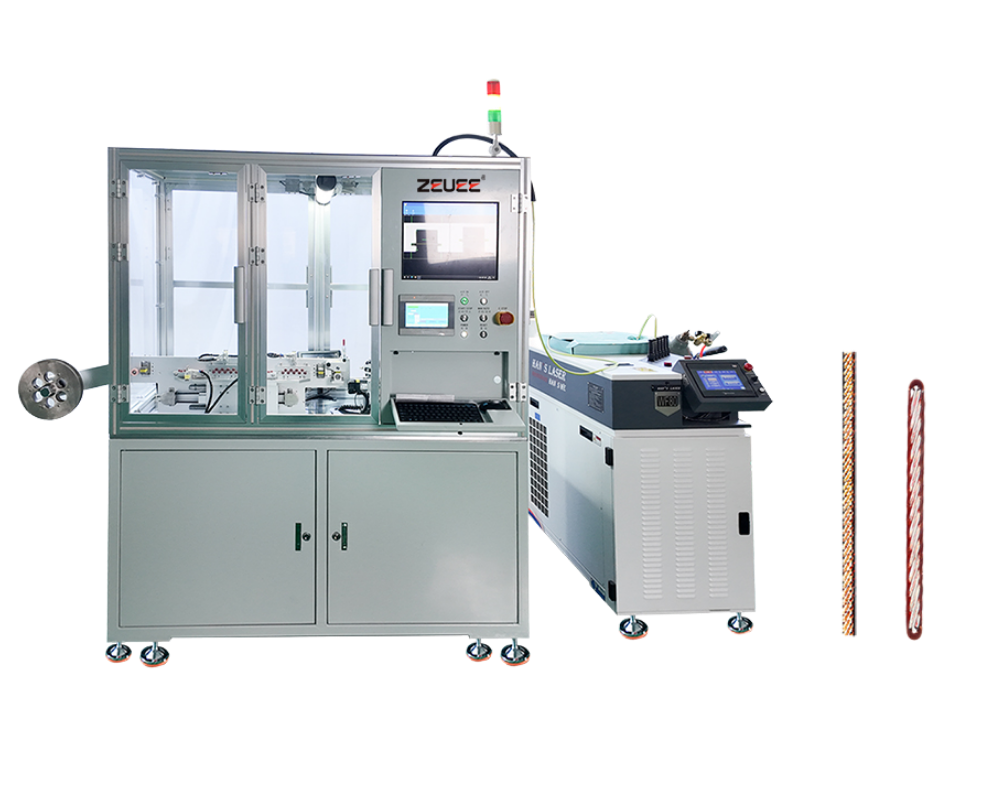
Twist Pin Automatic Cutting & Welding Machine
Turn the twist pin contact’s biggest manufacturing weakness — weld and crimp variability — into repeatable, 100%-inspected quality. ZEUEE’s 0.45 machine laser-welds both ends of braided-wire twist pins at 10–13 pcs/min with ±0.02 mm cutting accuracy and inline CCD inspection.
Core Specifications & Performance
±0.02 mm
Cut-length accuracy
10–13 / min
Throughput (pcs)
7.5 KW
Power
CCD 100%
Inline weld + length inspection
Dual-end
Laser weld per part
ISO 9001
Built by a certified maker
Buyer focus: Engineering · Procurement · Production
Why Twist Pin Contact Quality Lives Or Dies At The Weld
A twist pin automatic cutting and welding machine exists to solve one problem the connector industry rarely says out loud: a twist pin contact is only as reliable as the weld that holds its strands together. Picture the part itself — a bundle of fine beryllium-copper and copper-alloy strands twisted together and laser-welded at the ends, so the sprung strands compress on insertion and deliver seven points of electrical contact across the twist pin and socket interface. That construction is what gives the twist pin connector its resistance to shock and vibration. It is also where the risk lives.
Here is the part most catalogs skip. Truth is, a twist pin is not always better than a stamped contact. Omnetics, a contact maker, describes the twist pin candidly as a “complex system of welds and crimps which add cost, variability and vulnerability.” Why? Because every weld is a place where heat, strand alignment, and timing can drift.
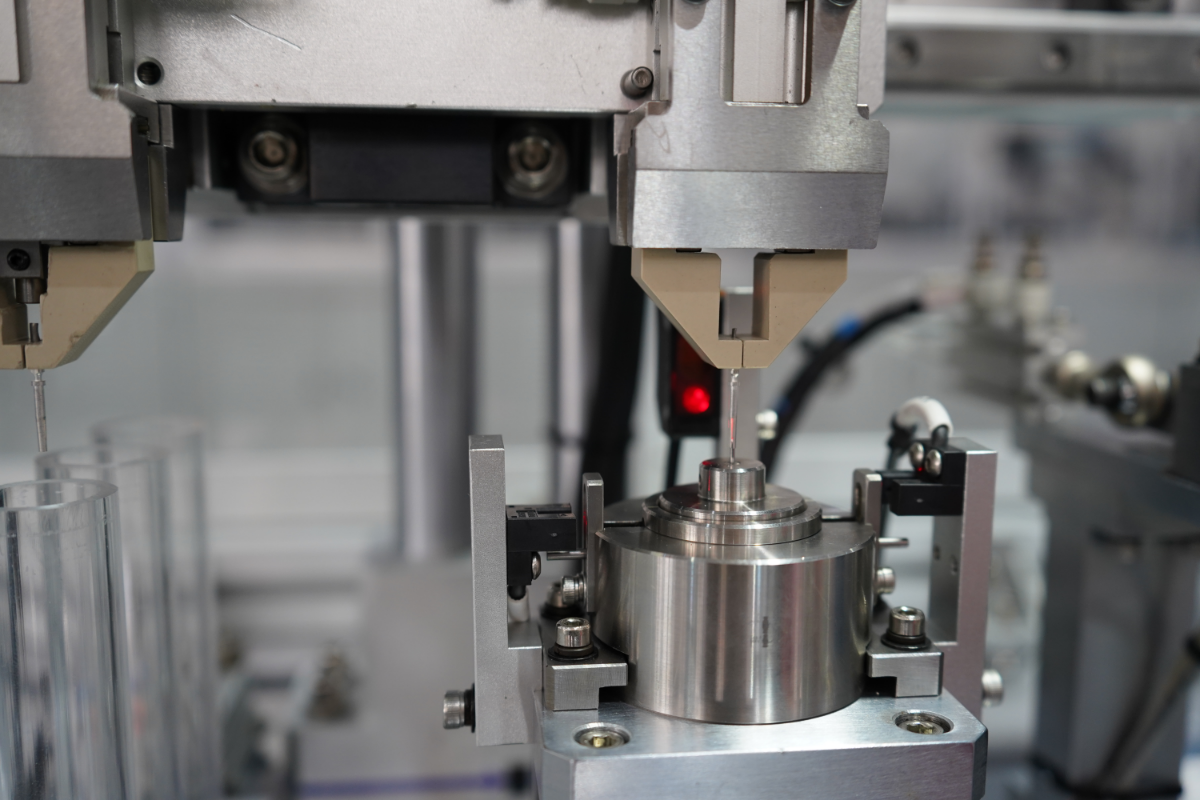
Loose strands, a cold (virtual) weld, a deviated joint — a poorly welded twist pin performs worse than a clean stamped contact. Stamped contacts have their own failure mode: stamped edges are rough and scrape plating off the female contact during repeated mating, while stamped and formed pin contacts carry a seam the full length of the contact, a failure mode catalogued across USPTO twist-pin contact patents.
Each design carries a trade-off. An honest reading of the twist pin story is that its 100,000-mating-cycle performance, valued in connectors rated to 150°C or 200°C, only appears when the weld is consistent across every single part.
That trade-off is exactly what ZEUEE engineered the 0.45 system to attack. Because manual and semi-automatic lines cannot hold weld consistency part-to-part, the failure mode stays hidden until field returns climb a year or two later. The differentiator here is not that the machine welds twist pins — many machines do — it is that the structural reason for twist pin failures, inconsistent welds, is inspected out of every part inline. ZEUEE engineers built the cell around servo-controlled feeding, dual-end laser welding, and CCD vision that checks length to ±0.02 mm and flags five weld-defect modes before a part reaches the collection box.
Wondering whether the weakness applies to your contact?
Send your twist pin sample for a custom feasibility reviewBuyer focus: Engineering (primary) · Procurement (RFQ match)
The ZEUEE 0.45 Twist Pin Cutting & Welding Machine — Configuration & Specifications
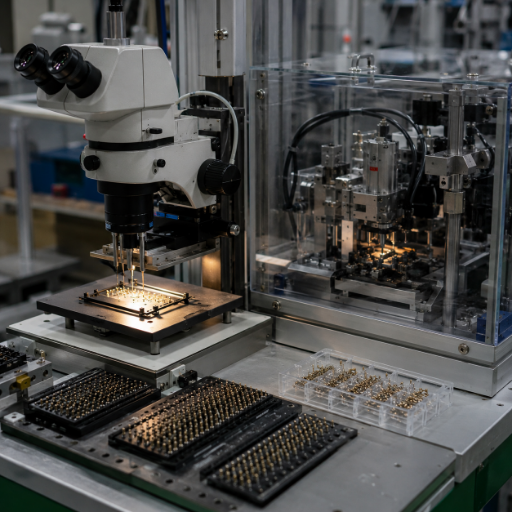
For an engineer matching a machine to a production target, specification is the conversation. ZEUEE’s 0.45 Twist Pin Automatic Cutting and Welding Machine (machine code C49-ZY04-01) is a compact, modular cell engineered to take a reel of twisted braided wire and output an inspected twist pin contact, ready for assembly into a micro rectangular connector. What it removes is the inconsistency of hand-fed cutting and welding; the reason it can is a servo feed plus closed-loop CCD inspection rather than operator judgement. As a single piece of machinery it consolidates a laser welder and a precision cutting station into one inspected cell — the automated fabrication approach set out in USPTO patent US6584677B2.
Machine name
0.45 Twist Pin Automatic Cutting and Welding Machine
Machine code
C49-ZY04-01
Footprint (L×W×H)
1500 × 700 × 1850 mm
Throughput
10–13 pcs / min
Cut-length accuracy
±0.02 mm (CCD-verified)
Power
7.5 KW
Air pressure
0.4–0.6 MPa
Voltage
220 V AC
Weld method
Dual-end laser welding (configurable per part)
Inspection
CCD vision (length + weld) + wire-missing detection
Four engineered subsystems
01
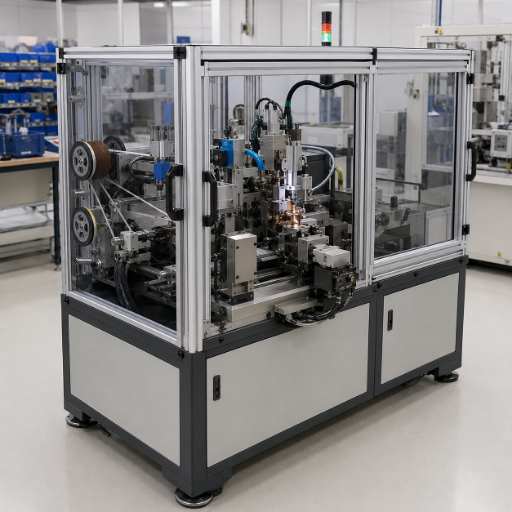
Constant-tension wire release
pairs the pay-off module with a tension controller so release speed stays stable — uneven tension is a root cause of strand misalignment before the weld.
02
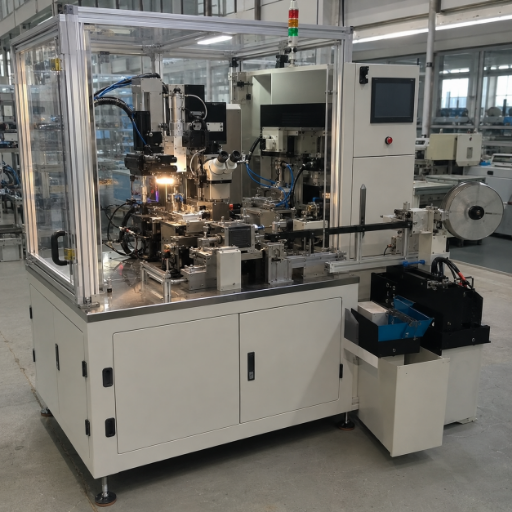
Intelligent CCD detection
checks finished length and weld quality on every part, not a sample, so defect escape rate is driven toward zero.
03
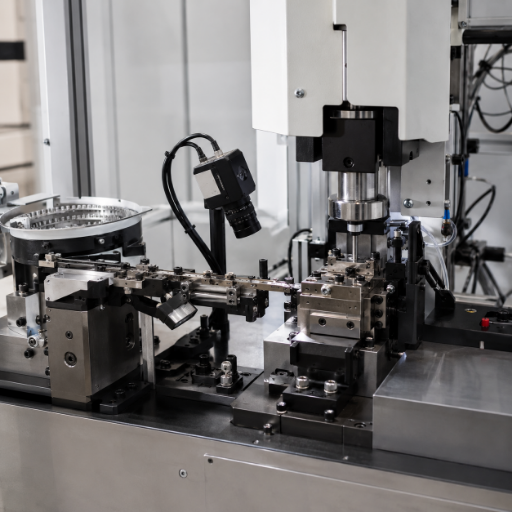
High-precision servo feeding
drives both wire feeding and laser welding for repeatable feed accuracy and reliable weld energy.
04
Modularity
keeps the cell quick to disassemble for maintenance, so a swap-module change does not idle the line for days.
Buyer focus: Engineering
Inside the Cut-to-Weld Inspection Sequence
This is the Cut-to-Weld Inspection Sequence — how one inspected twist pin becomes one shippable part. A defect formed at the weld can stay invisible until assembly or, worse, until the field, and that delay is the real risk in twist pin production. ZEUEE engineered the sequence so detection happens inside the same cell that forms the part, because catching a deviated weld 200 milliseconds after it forms is the only economical place to catch it. This approach mirrors the automated twist pin fabrication method documented in USPTO patent US6584677B2 (Medallion Tech, priority 2001), where stranded wire is fed, clamped, formed by controlled rotation, and severed by a laser — producing parts with “more uniform and precisely controlled characteristics.”
STEP 01
Reel load and constant-tension pay-off — the twisted braided-wire spool is mounted and the tension controller holds release steady.
STEP 02
Secondary straightening — wire is straightened before feed so the cut datum is true.
STEP 03
Servo feed and cut — wire is fed and cut to length, verified by CCD to ±0.02 mm.
STEP 04
Clamp and rotate — each cut piece is clamped and rotated to present both ends.
STEP 05
Dual-end laser weld — both ends are laser-welded, configurable to the customer’s contact design.
STEP 06
CCD inspection and sort — length and weld are inspected, wire-missing is flagged, good parts fall to the collection box.
“We do not treat inspection as a final station — we treat it as part of the weld. Our CCD reads every joint for smoothness, deviation, loose strands, a cold weld, and joint size right after the laser fires. If a part drifts, the cell knows before the next one is made, not after a thousand have shipped.”
Want to watch the sequence run on your wire and contact sample?
Request a Video Demo of the Cut-to-Weld SequenceBuyer focus: Engineering + Production · Procurement (cost)
Automated vs. Manual Twist Pin Production — Precision, Defect Capture & Consistency
Procurement’s real objection is cost: is an automated cutting and welding machine worth it against manual or outsourced production? An honest answer is a trade-off, and it turns on inspection. In manual weld QA, as practitioners on engineering forums put it, it is not cost-effective to inspect 100 percent of welds, so shops rely on a qualified weld process and sampling. That is acceptable for forgiving joints. For a twist pin — where a single cold weld can scrap a defense or medical connector running at 200°C — sampling lets variability through. One structural advantage of the cell is that CCD inspection makes 100% inline checking the default rather than an added cost — the same automated, uniform-output logic behind USPTO patent US6584677B2.
The Twist Pin Weld-Defect Inspection Index
Here sits the part that earns the investment, and the reference no competitor publishes. ZEUEE’s Twist Pin Weld-Defect Inspection Index lists the five weld-defect modes the CCD station rejects on every part, each tied to a field failure it prevents:
Factor
Manual / semi-auto
ZEUEE 0.45 automated cell
Cut-length accuracy
Operator-dependent
±0.02 mm, CCD-verified
Weld inspection coverage
Sampling (qualified process)
100% inline, every part
Weld-defect modes caught
Visual, post-hoc
5 modes, in-cell
Throughput
Varies by operator
10–13 pcs / min, steady
Wire-missing detection
Manual catch
Automatic flag
Part-to-part consistency
Drifts over a shift
Servo-repeatable
#
Defect mode (CCD)
Field failure prevented
01
Weld-spot not smooth
Stress riser → fracture under vibration
02
Weld deviation / off-center
Uneven strand load → early fatigue
03
Loose / splayed strands
Lost contact points → intermittent signal
04
Virtual (cold) weld
High resistance → heat → open circuit
05
Joint too large / insufficient
Insertion damage or weak bond
Buyer focus: Production · Engineering (technical validation)
The Twist Pin Contacts This Machine Produces — Applications & Performance Envelope
Output from this cell is a twist pin contact for micro rectangular, Micro-D, and Nano-D connectors — the connector technology that, alongside the hyperboloid contact and hyperboloid connector families, dominates demanding-environment interconnection. Why buyers specify it comes down to performance requirements: a twist pin contact delivers many points of electrical contact, low insertion force, and resistance to shock and vibration that stamped contacts struggle to match. Because that performance is real only when fabrication is controlled, the machine that makes the contact is engineered to be the gatekeeper of the contact’s reputation.
The Twist Pin Contact Performance Envelope
ZEUEE’s Twist Pin Contact Performance Envelope summarizes why the contact is worth the manufacturing rigor — with every external claim sourced, not asserted:
Attribute
Value / context
Source
Mating cycles
~100,000 without degradation (vs ~5,000 for standard medical)
ConnectorSupplier
Service life vs stamped
~20× longer
ConnectorSupplier
Contact points
Seven points of electrical contact (Dura-Con twist pin); up to 10 strands on a Micro-D male contact
ConnectorSupplier / Sunkye
Operating temperature
Rated to 150°C or 200°C (contact-design dependent)
Sunkye
Governing connector specs
MIL-DTL-83513 (Micro-D, 0.050″ centers) · MIL-DTL-32139 twist pin (Nano-D, 0.025″ spacing)
MIL standards
Fabrication method
Laser-welded strands; automated high-speed manufacture
USPTO US7775841B2
Application of connector contacts at this grade spans aircraft electrical cables and connectors, defense and military electronics, precision instruments, and medical devices — and reaches into the oil and gas industry and wider petroleum industry, subsea umbilical connector links, hermetic Micro-D connectors, and connectors for new energy vehicles.
Every one of those is a sector where an intermittent contact becomes a recall, not an inconvenience, which is why the medical connector market and aerospace buyers audit contact fabrication so closely. A machine that makes contacts for these markets is not a commodity tool; ZEUEE engineers tune the cell so each contact a customer ships carries the same weld integrity the application demands.
Connector family
Typical spacing
Best for
Micro-D (MIL-DTL-83513)
0.050″ (1.27 mm) centers, 9–130 contacts
Aerospace, defense signal & power
Nano-D (MIL-DTL-32139)
0.025″ (0.635 mm) spacing
Extreme miniaturization, medical, UAV
Micro rectangular
Custom
High-vibration instrument links
Want to confirm the machine handles your contact size?
Send your twist pin sample for a feasibility reviewBuyer focus: Procurement (primary) · Engineering (standard applicability)
Specifications, Compliance & Quality Assurance
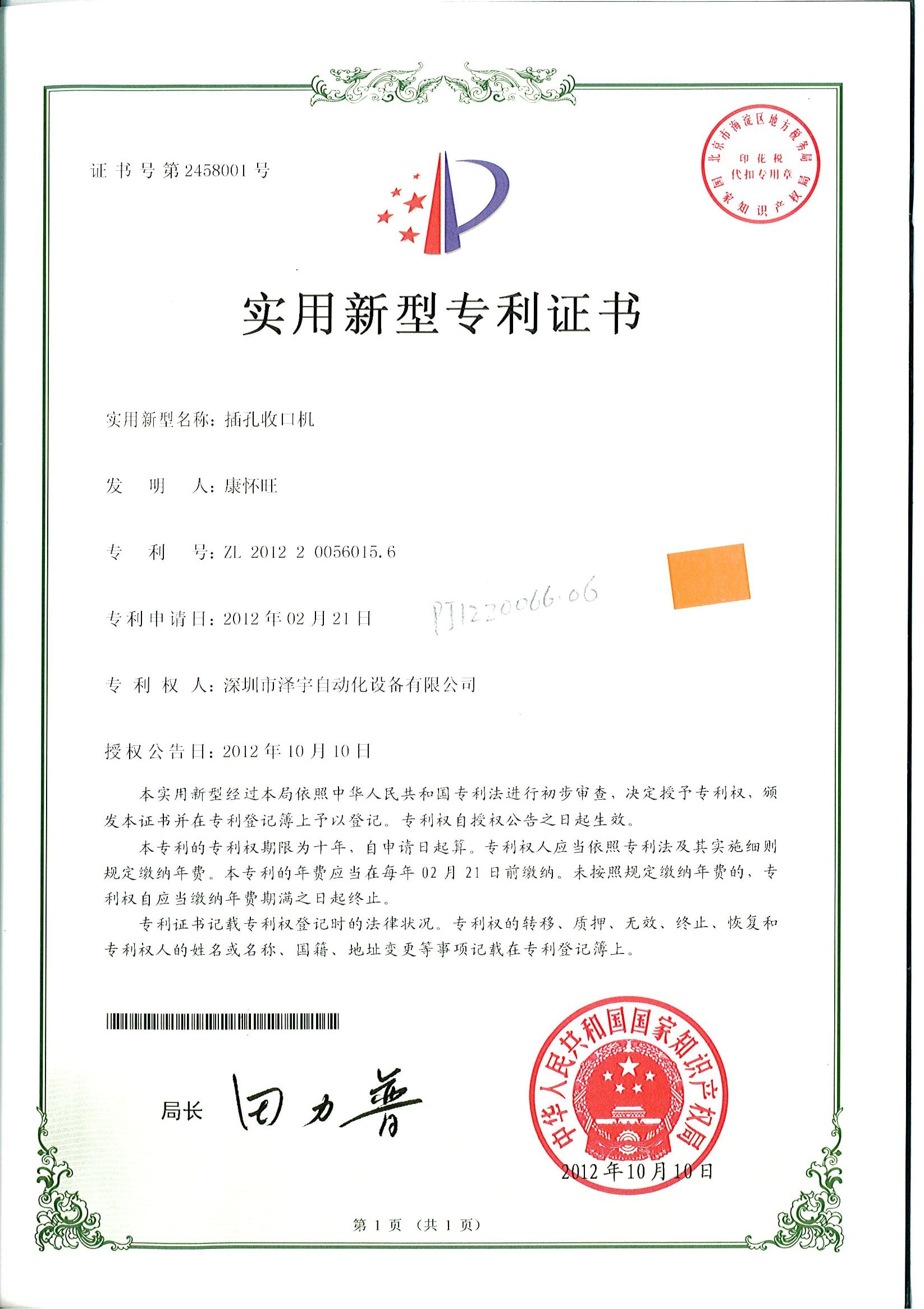
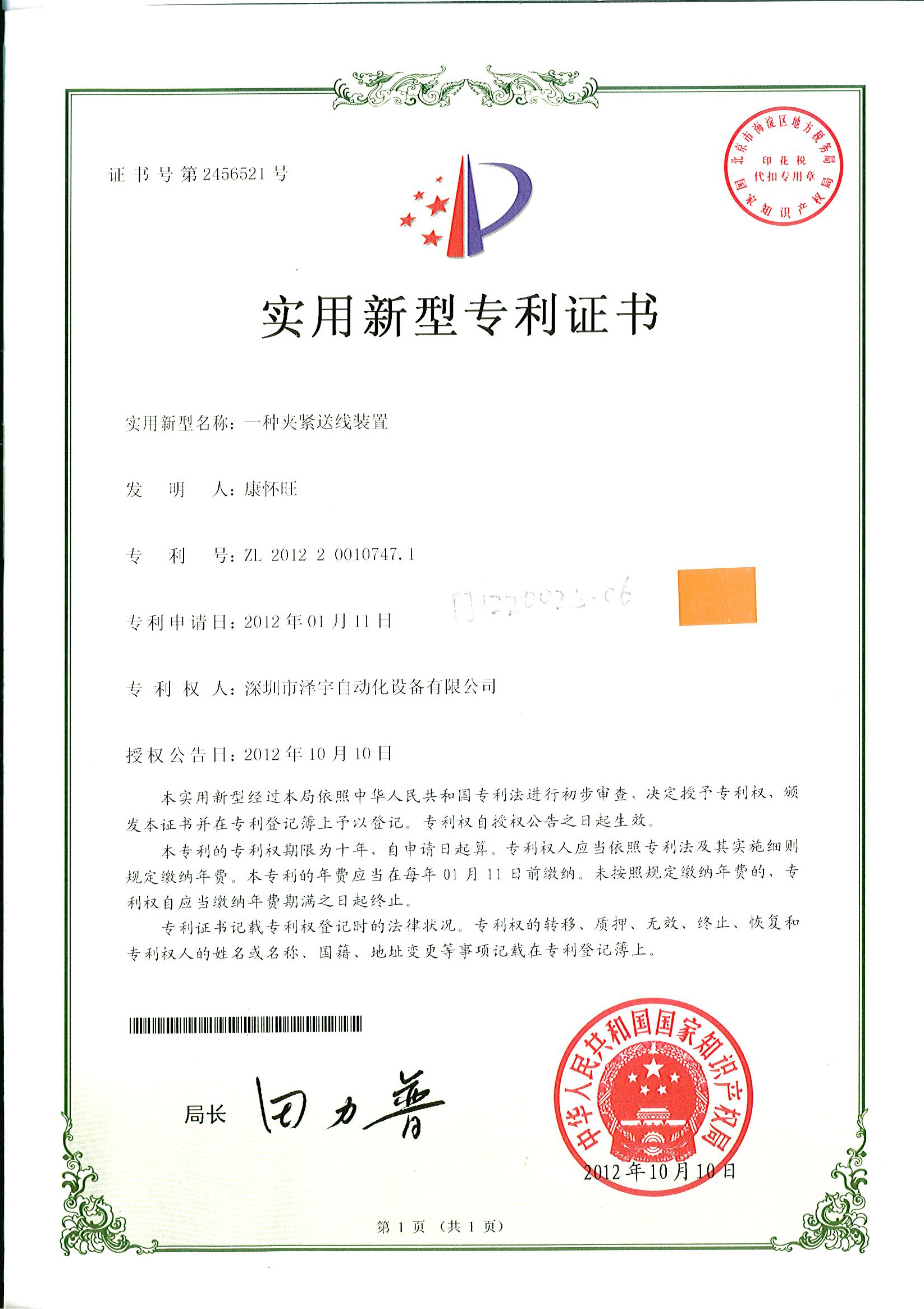
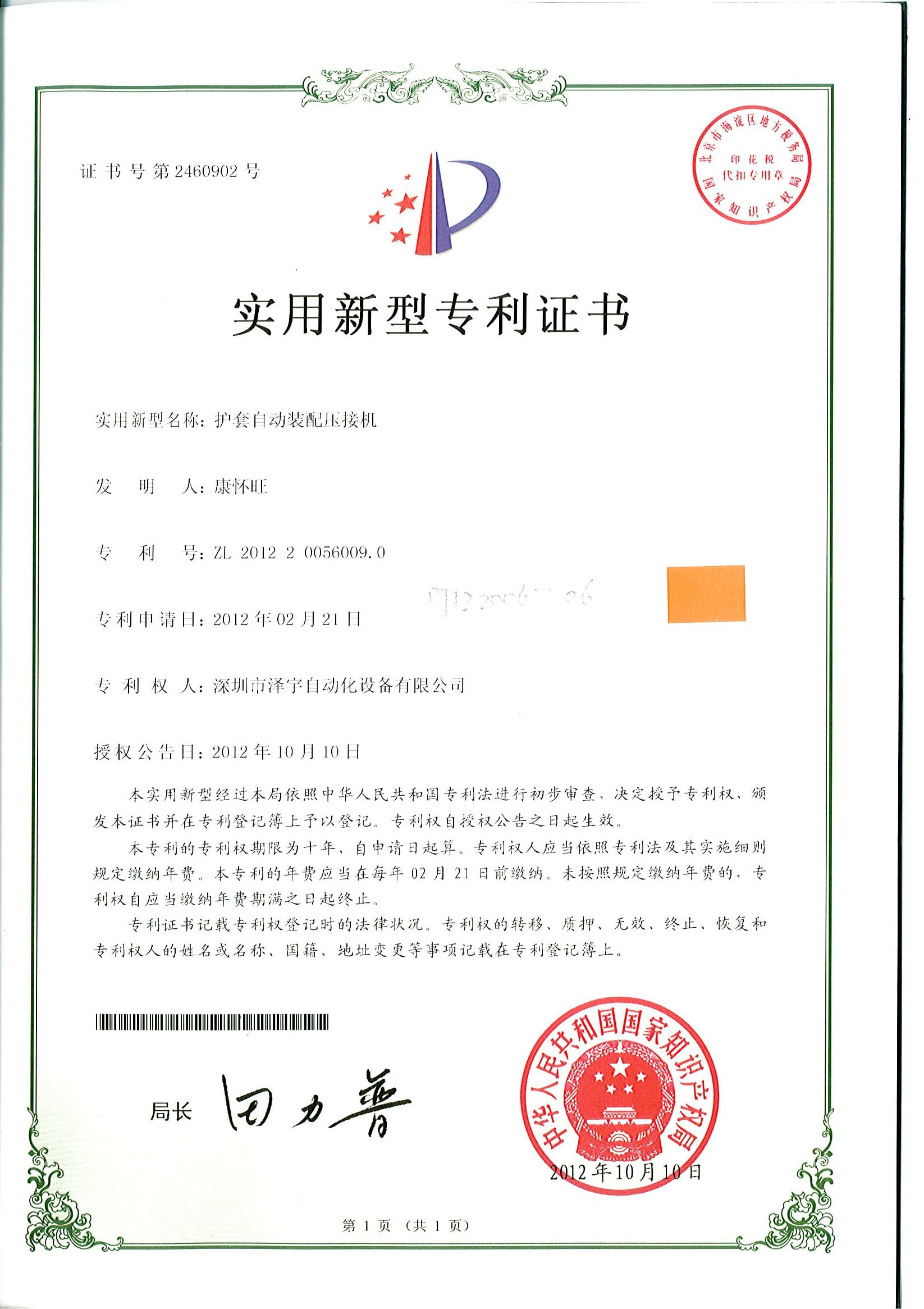
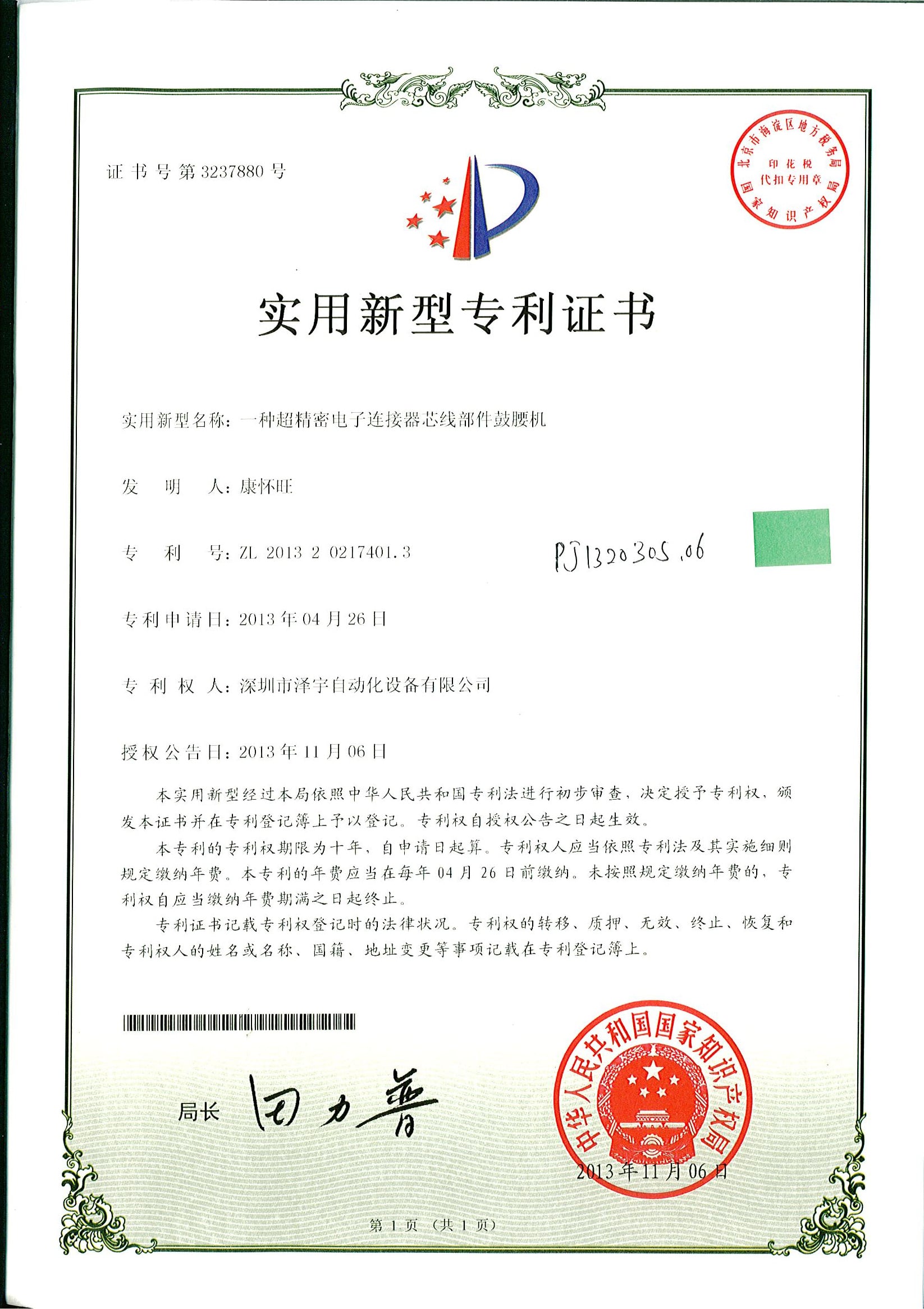
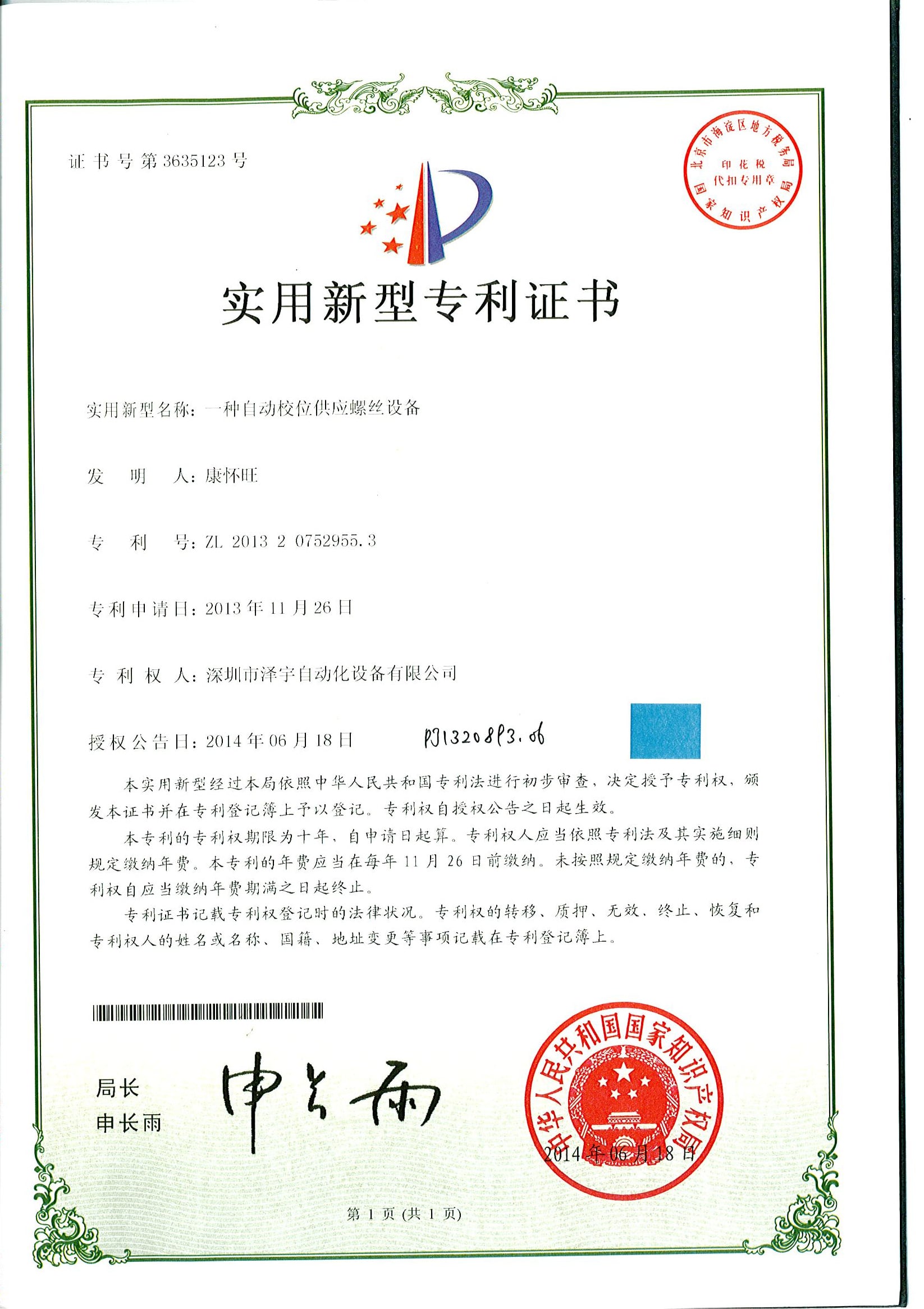
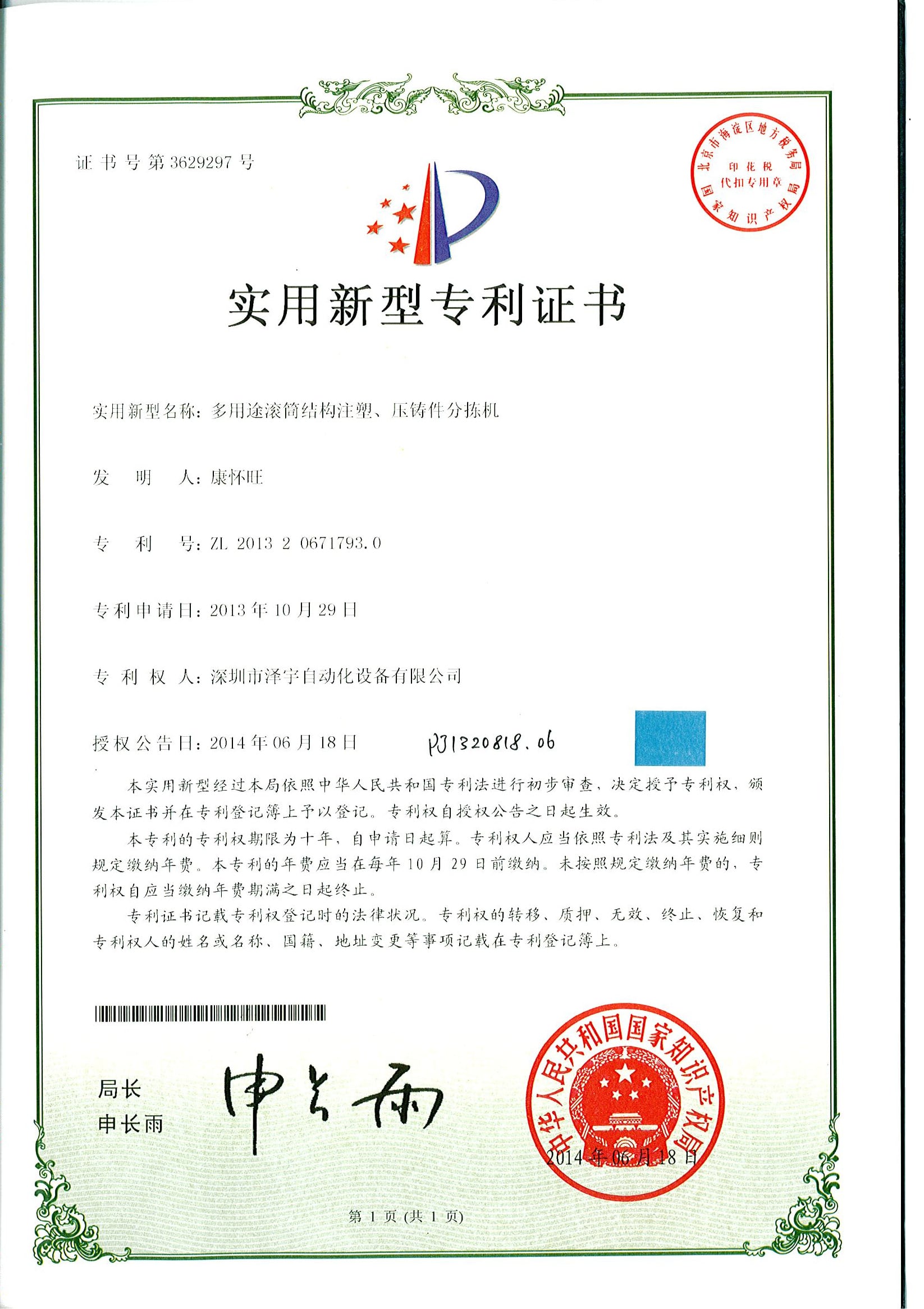
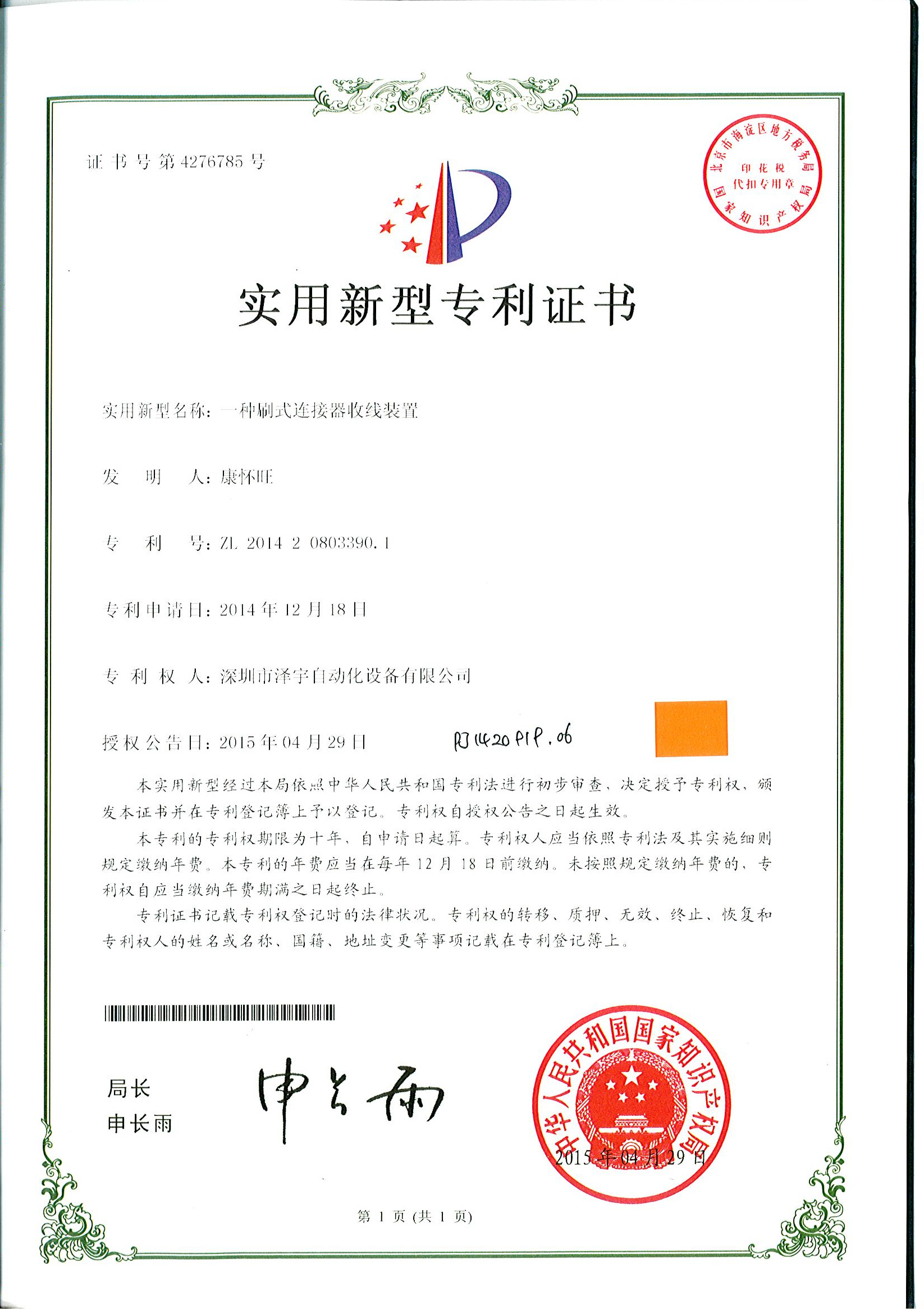
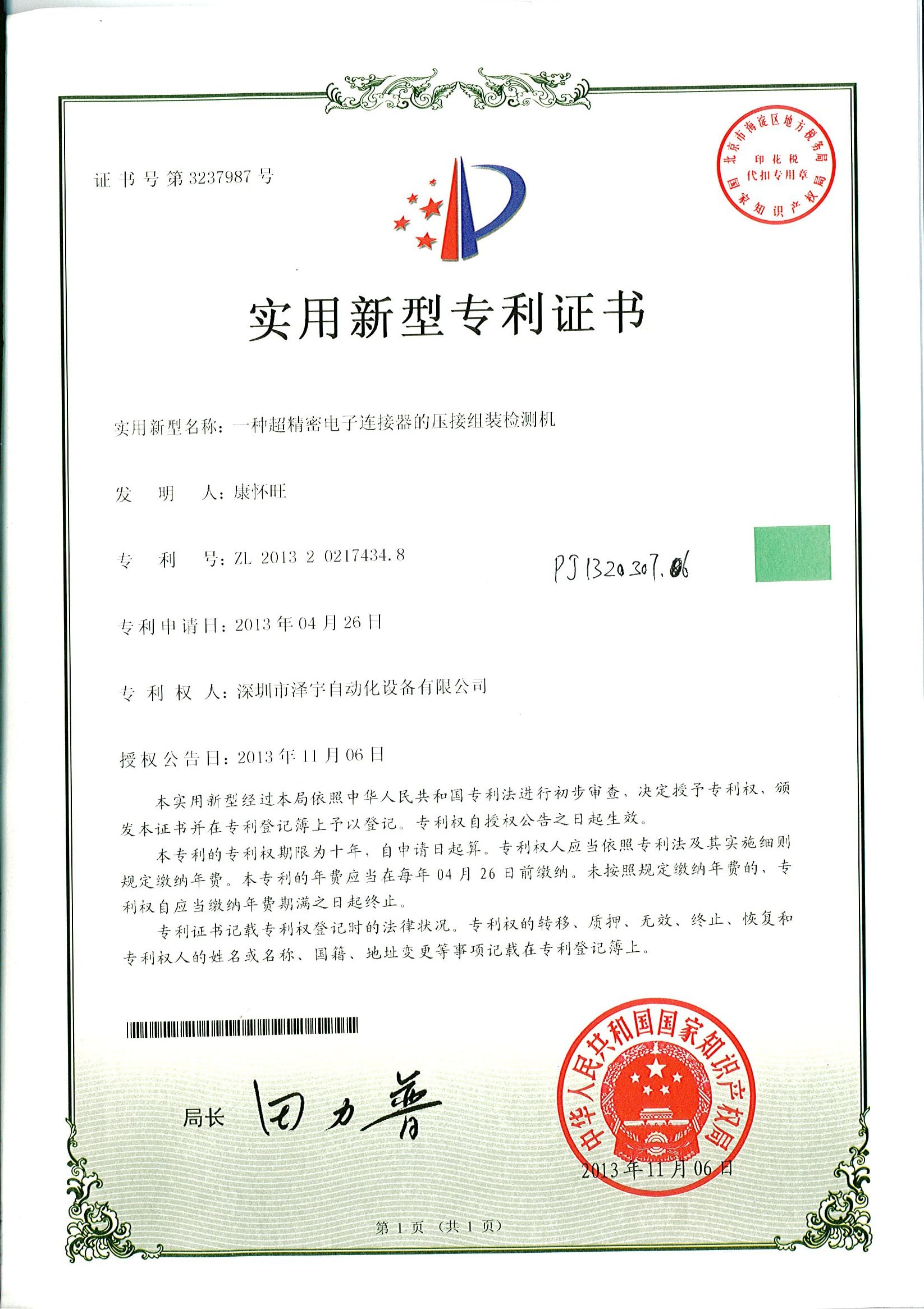
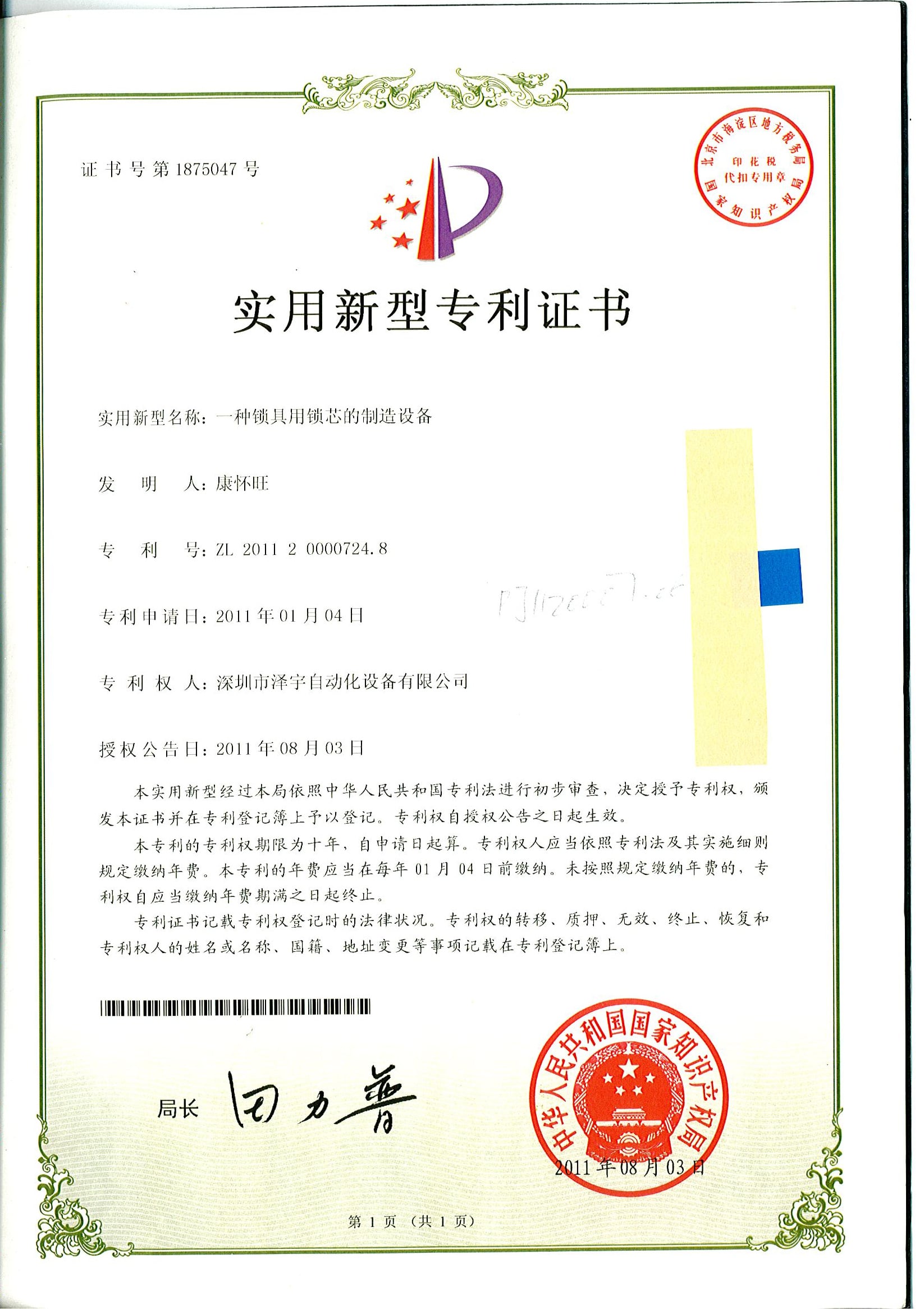
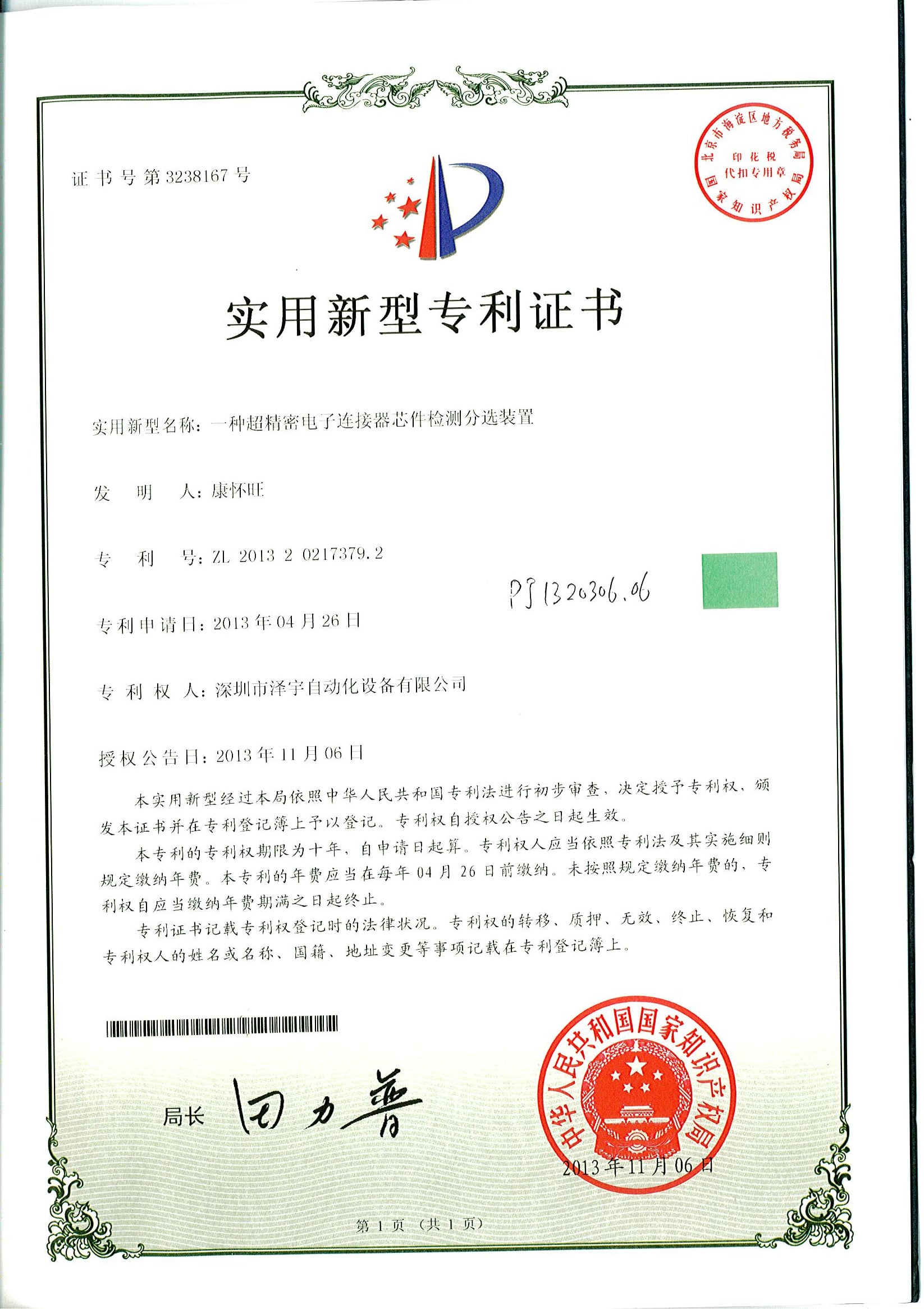
Buying capital equipment from an unfamiliar maker is itself a risk, and international buyers in aerospace and medical are right to scrutinize it. ZEUEE answers that with record rather than claim. Founded in 2005 as a National High-Tech Enterprise, the company builds on a 20,000 m² production base and holds more than 150 R&D patents. Why that matters here is direct: a machine that guarantees weld integrity must itself be built under a controlled quality system, and ZEUEE is certified to ISO 9001:2015.
01/10
ISO 9001:2015
Quality management certified
150+ Patents
32+ invention · 68+ utility model
National High-Tech
Enterprise since 2005
20,000 m²
Production base, 120+ staff
30+ Countries
Served worldwide
Equipment from ZEUEE is engineered to produce contacts that meet the dimensional and performance requirements of the MIL-DTL-83513 and MIL-DTL-32139 standards governing Micro-D and Nano-D connectors — the machine is the production instrument, while compliance is verified at the finished-contact level. Long-term customers include AVIC, China Shipbuilding, GAC Group, Corning USA, TE, Sumitomo, LEGO, TCL, SONY, and Foxconn — a customer set that audits suppliers seriously.
Need the compliance and patent documentation pack?
Download full compliance documentationBuyer focus: Procurement (primary) · Production (budget approval)
Procurement Guide — Customization, Lead Time, Integration & Support
No two twist pin programs are identical, so this machine is configured rather than sold off a shelf. Rather than publish a single price that would be wrong for most buyers and risk a costly mismatch, an honest approach maps the factors that drive a quotation, because the right number depends on your contact and volume. ZEUEE engineers scope each build around the parameters below.
What drives your quotation
Because ZEUEE builds complete unmanned-factory lines, this cutting and welding cell can be quoted on its own or as one stage in a larger connector automation line — useful when the twist pin you fabricate here feeds a downstream twist pin assembly machine. Share your contact drawing and volume, and the team returns a configured proposal with lead time.
FAQ — Twist Pin Cutting & Welding Machine
How does the machine guarantee weld quality and catch a cold (virtual) weld?
Every part passes inline CCD inspection that reads the weld for smoothness, deviation, loose strands, virtual welds, and joint size, plus a wire-missing check. This answers a known shop-floor reality — that it is not cost-effective to inspect 100 percent of welds manually, so teams sample. Here, 100% inspection is automatic at 10–13 pcs/min.
Is a twist pin contact always better than a stamped contact?
Not always. A twist pin offers more contact points and better vibration resistance, but it is a complex system of welds and crimps; stamped contacts, by contrast, have rough stamped edges. Each design carries a trade-off. A twist pin's advantage is real only when the weld is consistent, which is what inline inspection secures.
What twist pin contact sizes and wire gauges can it handle?
Configuration follows your contact: wire gauge, strand count, and contact length are set per build, and dual-end welding is configurable. Send a sample or drawing for a feasibility review.
Can it produce contacts for MIL-DTL-83513 and MIL-DTL-32139 connectors?
Yes — it fabricates twist pin contacts used in Micro-D (MIL-DTL-83513) and Nano-D (MIL-DTL-32139 twist pin) connectors. Compliance is verified on the finished contact, since the machine is the production instrument.
Can the machine integrate into our existing connector line?
It runs standalone or as a stage in a larger automation line. ZEUEE engineers the integration within its whole-factory capability, including the downstream assembly and crimping steps.
WHY WE WRITE THIS
About ZEUEE Engineering Insights
ZEUEE shares technical guides based on real automation project experience. Since 2005, we have designed and manufactured non-standard automation equipment for connector assembly, wire harness production, robotic lines, vision inspection, and smart factory upgrades.
Founded in 2005
20,000 m² production base
120+ specialists
150+ R&D patents
ISO9001:2015 certified

![Automated Screwdriving: Torque & Cycle Time [Guide]](https://zeueeauto.com/wp-content/uploads/2026/10/automated-screwdriving-featured-150x150.png)