Get in touch with Zeyu lntelligent Industrial Company
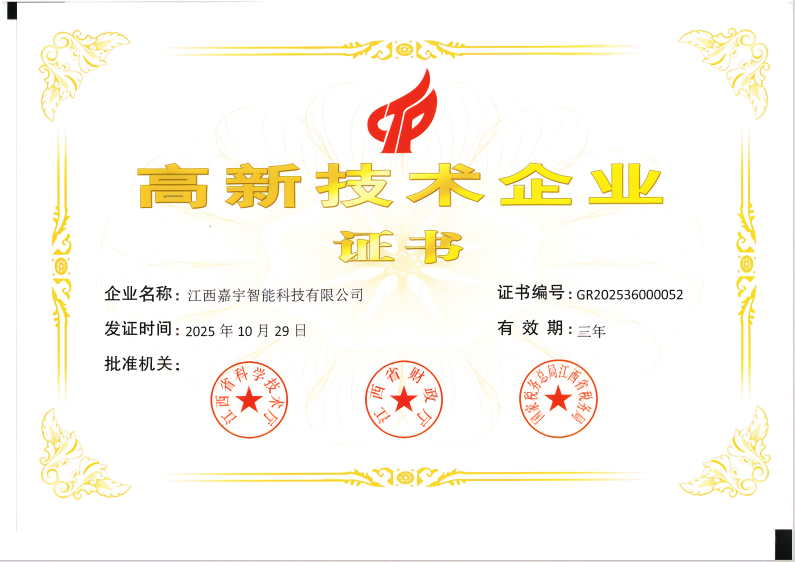
ISO 9001:2015 | National High-Tech Enterprise
Twist Pin & Insulator Insertion Machine
Twist Pin & Insulator Insertion Machine — Automated Hyperboloid Contact Assembly by ZEUEE
Hyperboloid contact assembly built for connectors that survive 100,000+ mating cycles in aerospace, EV, medical, and industrial production lines. Closed-loop force monitoring, dual-stage pin and insulator handling, and MIL-DTL / IEC compliance in a single automated cell.
150+
R&D Patents
30+
Countries Served
20
Years in Operation
ISO 9001:2015
National High-Tech Enterprise
Why Connector Pin Assembly Fails Before You Expect It — And How ZEUEE Solves It
Twist Pin & Insulator Insertion Machine projects fail for one reason engineers underestimate: standard stamped contacts wear out at 2–3 fretting points and lose continuity within 500 mating cycles, while hyperboloid contacts — the geometry your high-reliability connectors actually need — survive 100,000+ cycles when assembled with consistent insertion force and accurate insulator alignment.
That 200× durability difference is not a marketing claim.
Standard 39029 stamped and formed contacts rely on just 2–3 points of contact, making them highly susceptible to fretting wear under vibration; the resulting micro-oxidation degrades contact resistance with each insertion, driving warranty returns in field-deployed aerospace, defense, EV charging, and medical assemblies.
Manual or partially automated pin insertion creates the same failure modes in a different way — uneven insertion force, off-axis insulator placement, plating scratches on mating sleeves, and pitch drift across batches. Beyond the engineering risk, manufacturing managers report that a single skilled operator on a manual press averages only 78–85% effective utilization after breaks, shift changeovers, and fatigue.
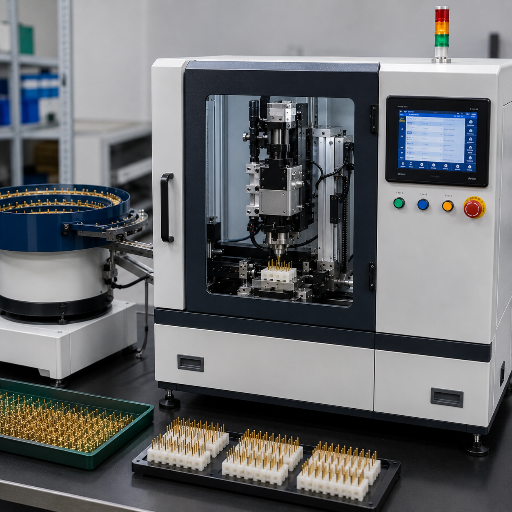
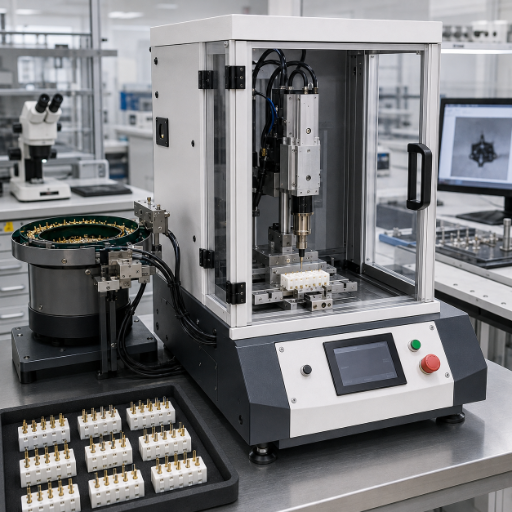
A Twist Pin & Insulator Insertion Machine, in connector industry usage, is an automated cell that feeds the hyperboloid wire-cage contact (twist pin) into the appropriate cavity of the connector insulator body, applies the required insertion force with closed-loop monitoring, and verifies seating depth before releasing the assembly.
ZEUEE’s platform combines vibratory feeders, precision pneumatic spindles, vision-based pin orientation, and 0.1 N force sensing in one machine — closing the consistency gap that drives connector field failures.
Why the Hyperboloid Geometry Eliminates Fretting Failure
Hyperboloid geometry forms a wire cage of 6 to 12 elastic strands around the pin diameter, with the number of wires tuned to the specific application. This creates multiple linear contact paths rather than the 2 to 3 points of conventional stamped designs, delivering higher density of current per cross-section while keeping insertion force low.
Standard stamped contacts cannot match this number of contacts; applications that require high pin counts in demanding environments where reliability and safety are critical often experience fret corrosion within the first year of field service. High-reliability connectors require this distributed geometry to survive thousands of mating cycles without resistance degradation under continuous shock and vibration — which is precisely why an automatic pin insertion system has to handle the wire cage without crushing it.
“We standardised on hyperboloid contact geometry in 2019 after our automotive customers reported 3.4% warranty rework on stamped-contact assemblies. Building the matching insertion platform required two years of vibratory-feed and force-control development — the contact geometry is only half the reliability story; the assembly process is the other half.”
ZEUEE Twist Pin & Insulator Insertion Machine Series — Models & Specifications
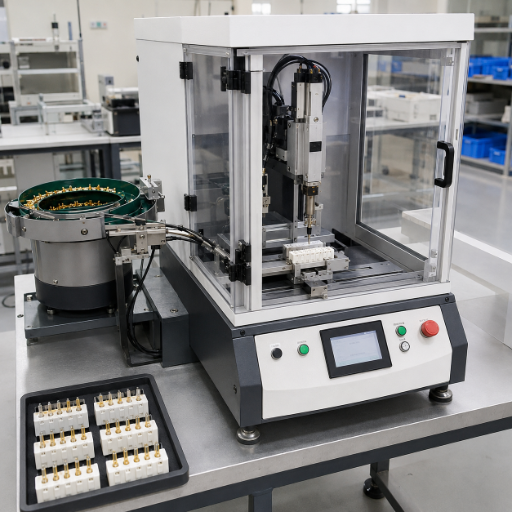
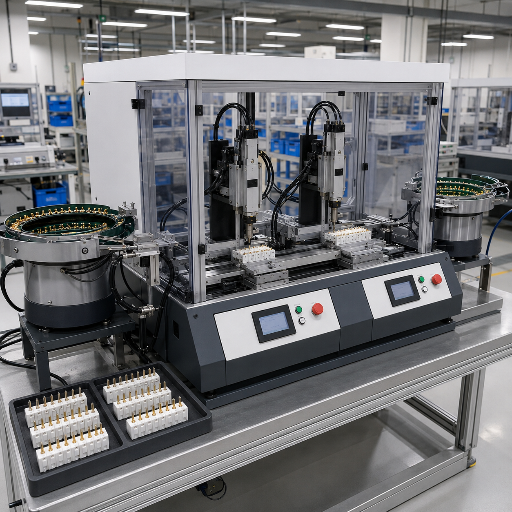
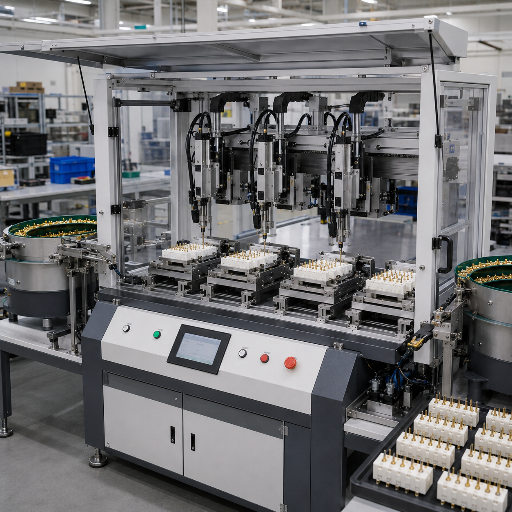
ZEUEE offers four base models for twist pin & insulator insertion. Each model covers a specific sweet spot in terms of throughput, contact size envelope, and the industry they’re targeting – by design, not as product bloat. Match the model whose pin range, cycle time, and application work for your cable or connector product.
Decision Matrix — Picking the Right Configuration
| If your program is… | Pin size envelope | Required cycle time | Suggested model |
|---|---|---|---|
| Aerospace circular connectors (MIL-DTL-38999/26482) | 0.6 – 4.0 mm typical | 250 – 350 ms | ZE-TPI Mil-Spec |
| EV high-voltage charging contacts | 2.0 – 6.0 mm | 250 – 350 ms | ZE-TPI Mil-Spec |
| Automotive signal cabling (high volume) | 0.4 – 1.5 mm | < 200 ms (parallel) | ZE-TPI Multi-Head |
| Industrial connectors (rectangular + circular) | 0.4 – 2.5 mm | 250 – 300 ms | ZE-TPI Standard |
| Medical and dense consumer connectors | 0.4 – 1.5 mm | 180 ms | ZE-TPI High-Speed |
All machines are built with the same closed-loop, dual-monitoring force and distance control system. Variations between configurations come down to feeder bowl design, punch-stroke range, and the pin orientation head. This means a Standard unit can be retasked for a different pin size in roughly 2 hours rather than re-engineered, protecting changeover efficiency across mixed production runs.
Twist Pin & Insulator Insertion — Five-Dimension Comparison vs Manual, Semi-Automatic & PCB-Only Equipment
Most prospective purchasers of an automated twist pin & insulator insertion machine typically compare it to either their existing manually operated punch press or a generic press-fit cell for PCB component insertion. In either case, hidden within this is the true cost analysis. In the table below, published research has established specific benchmarks for typical production floor productivity. these are: a “skillful” manual assembly operator that generates an average effective station utilization of 78-85% resulting in 2.3% scrap, and the expected 35-60% gains in throughput typically realized in any manufacturing automation project.
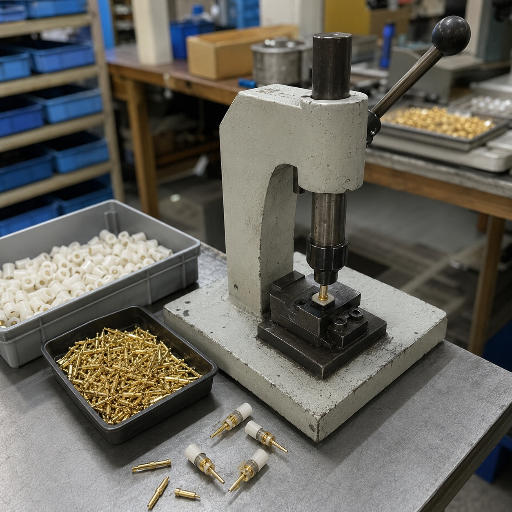
Manual press
Cycle time (per insertion)
2 – 4 s + part handling
Insulator handling
Manual placement
Insertion-force feedback
None — operator judgement
Documented scrap-rate
2.3% (industry typical)
Effective station utilization
78 – 85% (operator factors)
Connector-standard fit
Manual verification
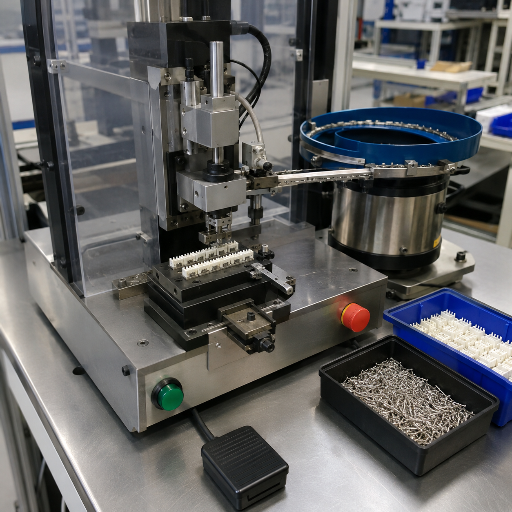
Semi-automatic pin inserter
Cycle time (per insertion)
0.6 – 1.2 s
Insulator handling
Optional, often manual
Insertion-force feedback
Open-loop pneumatic
Documented scrap-rate
0.8 – 1.5%
Effective station utilization
85 – 90%
Connector-standard fit
Manual verification
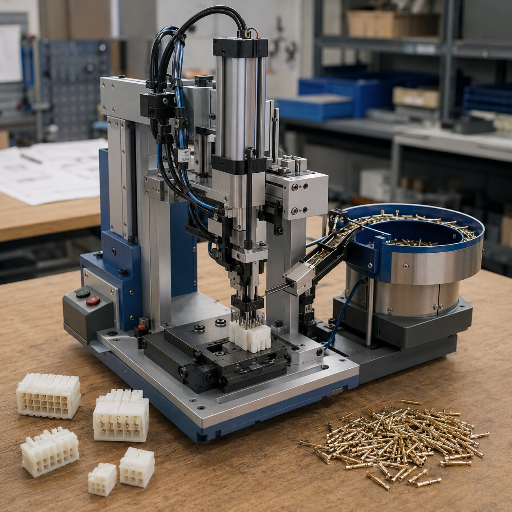
PCB-only insertion machine
Cycle time (per insertion)
0.18 – 0.25 s (PCB pads only)
Insulator handling
Not supported (PCB only)
Insertion-force feedback
Open or basic load cell
Documented scrap-rate
0.3 – 0.5% (PCB scope)
Effective station utilization
90 – 95% (single product)
Connector-standard fit
Not designed for circular connectors
Optimal
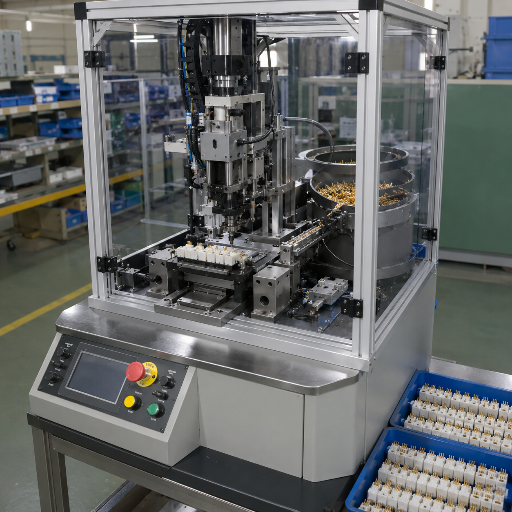
ZEUEE Twist Pin & Insulator
Cycle time (per insertion)
0.18 – 0.35 s (incl. insulator)
Insulator handling
Integrated, dual-feed
Insertion-force feedback
Closed-loop, 0.1 N resolution
Documented scrap-rate
< 0.5% target with force monitoring
Effective station utilization
92 – 96% (automated changeover)
Connector-standard fit
Native fit for MIL-DTL-38999/26482, LV215, IEC 61076
Hyperboloid Contact ROI — What Replacing Manual Insertion Actually Saves
Most publications concerning automated manufacturing processes have identified a common, repeatable trend among automation investment opportunities: typical payback period of 18 to 30 months, ongoing annual savings in operational costs of 25 to 45 percent, improved output of 35-60 percent and reduction in defect rates, up to 92%, by way of the assembly step being automated. Your investment committee will recognize these numbers.
5-Year ROI Framework for ZEUEE Twist Pin & Insulator Insertion Machine
18–30 mo
Industry payback range
+35–60%
Throughput uplift documented
−92%
Defect-rate reduction (assembly step)
What Most ROI Models Leave Out
The cost items below are the ones standard ROI models seldom include. When full benefits, payroll tax, training, supervision, and turnover are factored in, there’s a 30-60 percent disparity when calculating true costs compared to what the wage lines indicate on each payslip.
Shortages in skilled labor can drive up indirect costs far beyond an actual salary – by pushing for overtime costs, missed shipping deadlines, or turned-down orders – — and it may cost you much more than simply reducing labor by introducing automation. ZEUEE has designed and incorporated an ROI calculator in the standard worksheet which factors in each of these often-ignored cost components.
Documented Field Results
A recent published article regarding manufacturing, detailed that a closed-loop control in a semi-automated press fit cell reduced defects from 2.3% to just 0.15%, generating an annualized cost savings of [$52,000] for that single workstation alone.
Combined, there was an increase in output capacity of almost 37.5 percent from the original floor footprint as a result of decreasing the cycle time from 48- seconds to 30- seconds.
On twist pin and insulator insertion the math stacks up the same: manual press to do MIL-DTL-26482 contacts takes roughly 4 seconds/insertion cycles; ZE-TPI Mil-Spec cell does it in 300 milliseconds/insertion cycle. On a per shift basis that means about 8 additional pure cycle gains – but the true real-world capacity gains (post parts handling/changeover) are in the 35-60% range seen in above published automation ROI metrics.
Why the Pin Insertion Market Is Growing
Global pin insertion machine demand is forecast to reach $1.48 Billion in 2035, up from $0.87 Billion in 2025. CAGR is expected to be 5.48%. North America currently makes up some 40% of the market.
And labor costs are only part of the growth story – a growing chasm between the increasing connector reliability demands (MIL-STD-810H, AS9100D, LV215) and manual press capabilities, particularly at volume, is what’s driving much of the increase.
Industries Served — Where Hyperboloid Contact Assembly Earns Its Place
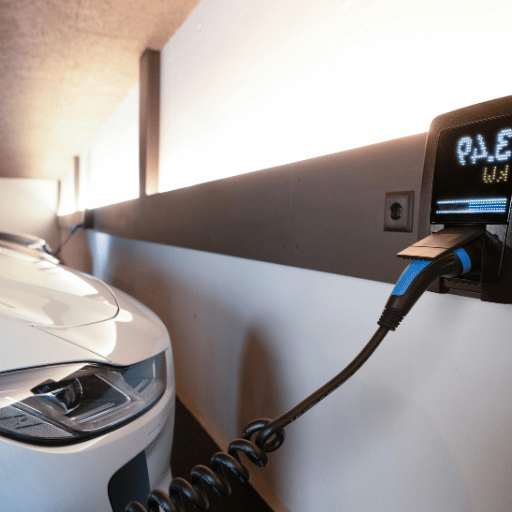
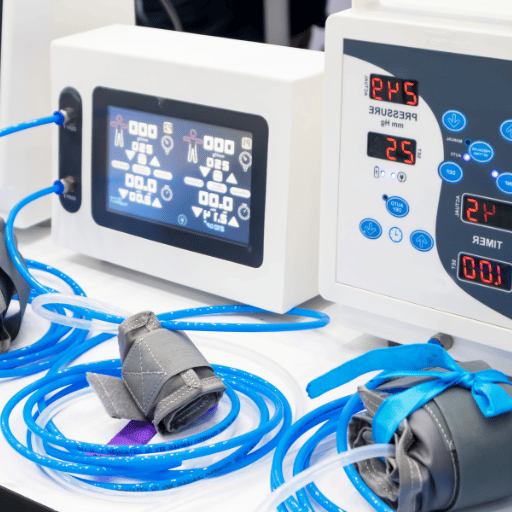
Twist Pin & Insulator Insertion Solutions Based On Hyperboloid Contacts Are Now Found In Four Major Industry Verticals, All Sharing A Common Mandate For Connectors That Are Resilient Under Conditions Of Shock, Vibration, Repeatedly Plugging-Unplugging, And Varying Current Loads. The Challenges In Each Vertical Range In Terms Of Pin Size Range And Required Certifications; The Column Below Breaks Down Typical Fit.


Compliance & Certifications — Standards Map by Application Domain
Perhaps the MOST critical question your customers will have, however, is the following: Can a twist pin and insulator insertion machine actually deliver compliant connectors? This mapping relates each market to required connector specifications, individual pin standards, and the pertinent insulation over-voltage category on one simple chart so you don’t need to consult multiple product catalogs.
| Application domain | Connector standard | Contact standard | Insulator class | System-level standard |
|---|---|---|---|---|
| Aerospace (commercial & rotary) | MIL-DTL-38999 / 26482 / 27599, EN3645 | MIL-PRF-29504, SAE AS39029 | IEC 60664 OV III | AS9100D |
| Defense (ground & naval) | MIL-DTL-5015 / 22992 / 83723 | MIL-PRF-29504, MIL-PRF-23699 | IEC 60664 OV II / III | MIL-STD-810H, MIL-STD-461G |
| EV / automotive | LV215, USCAR-2, IEC 62196 | SAE AS39029 subset | UL 94 V-0 | IATF 16949 |
| Medical devices | IEC 60601, M83513 | MIL-PRF-29504 subset | IEC 60664 OV II | ISO 13485 |
| Rail / mass transit | EN 50155 | EN3155 | EN 45545 | EN 50121 |
| Industrial / robotics | IEC 61076 family | IEC 60512 series | IEC 60664 OV II | ISO 9001:2015 |
ZEUEE’s Own Quality Posture
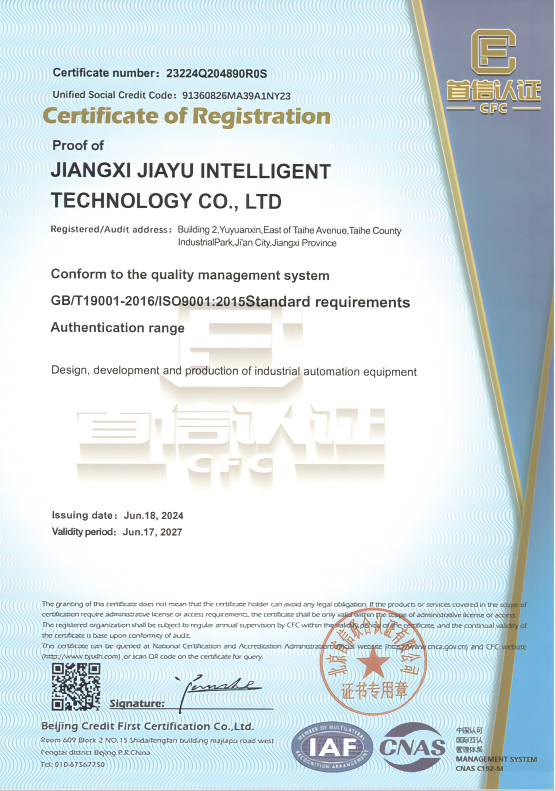
ISO
ISO 9001:2015 Quality Management System
150+
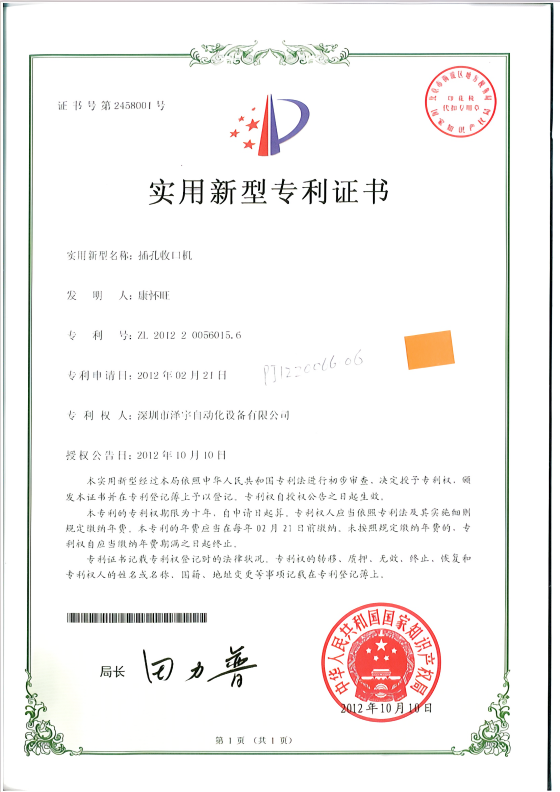
R&D patents (32+ invention, 68+ utility model)
20K m²
Production base, Taihe, Jiangxi
2005
Year founded — 20 years operating

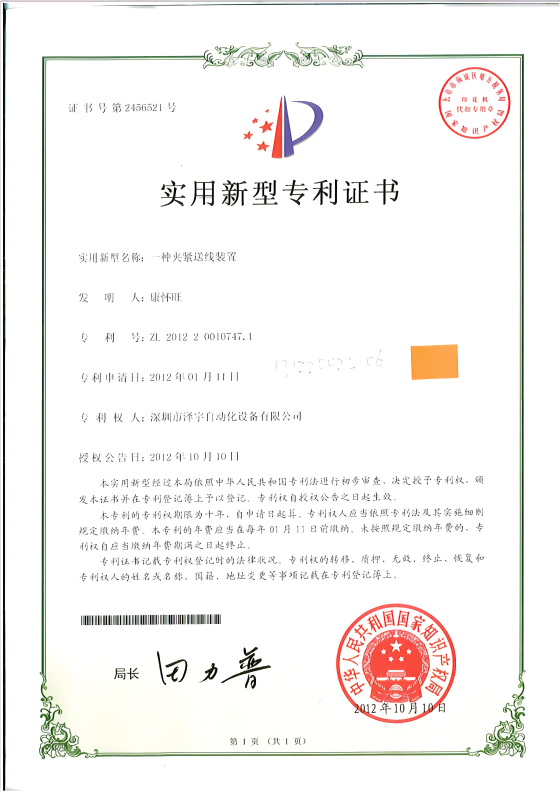
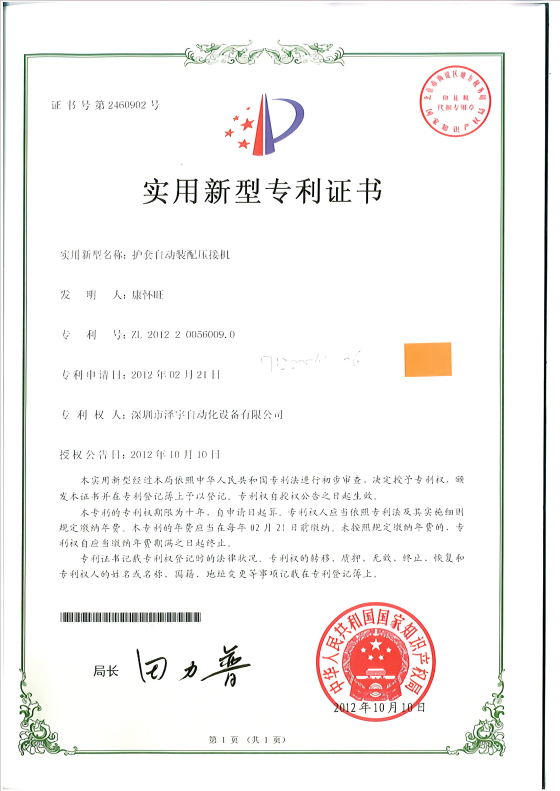
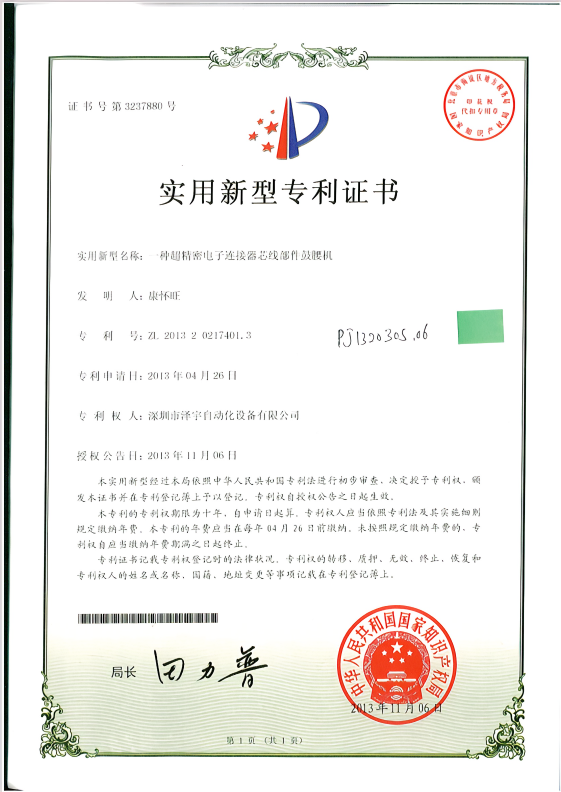
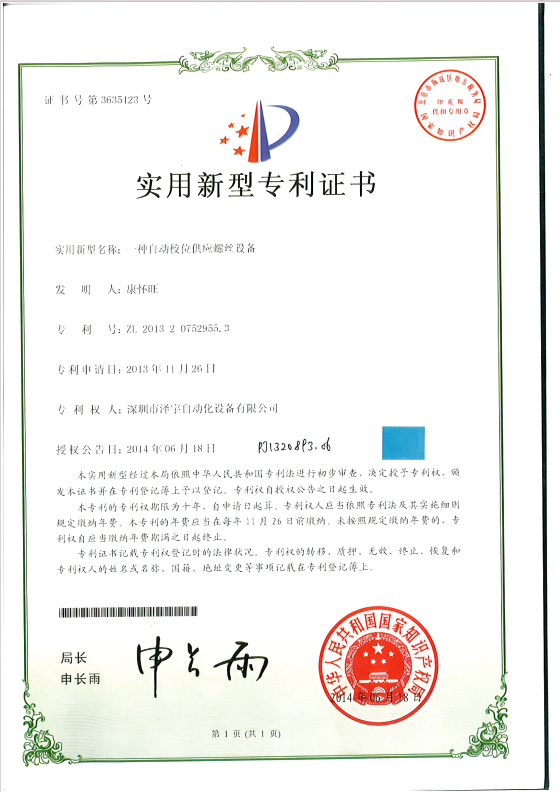
×
![Enlarged View]()
Procurement Guide — What Drives Pricing, Lead Time, MOQ & After-Sales
Machine prices for this category fluctuate widely, due to machine options that directly impact manufacturing costs — covering pin envelope specifications, available head count, vision guidance options, and force-monitoring resolution tiers. In lieu of misleading you with an arbitrary number that applies to half of inquiries, ZEUEE maintains a Pricing Factors Framework that can be translated to a specific quotation by our engineers upon receiving the application-specific requirements.
Pricing Factors Framework
Cost Driver
Why It Matters
Pin diameter envelope
Wider envelopes require heavier punch assemblies, larger vibratory bowls, and broader force calibration ranges.
Insertion head count (single vs multi-head)
Multi-head Multi-Pin cells deliver parallel throughput at higher capital cost — justified above ~2 million insertions per shift.
Vision inspection module
Optional inline vision verification of insulator orientation and pin seating — required for AS9100D and IATF 16949 production audit chains.
Force-monitoring resolution
0.1 N closed-loop resolution is standard; 0.05 N tier is available for medical and small-AWG aerospace contacts.
Connector format range
Number of distinct connector housings the cell must accept without retooling determines fixture and quick-change tooling cost.
Certification documentation depth
Factory acceptance testing, machine qualification protocols, and AS9100D documentation packages are separately quoted modules.
Lead Time, MOQ, Warranty & After-Sales
Parameter
Typical Handling
Lead time
Estimated on the basis of configuration complexity and component availability — quoted explicitly in every formal proposal.
Minimum order quantity
One unit. Custom Engineering pre-qualification recommended for first-of-its-kind configurations.
Warranty
12-month standard warranty on parts and labour, extendable through a service agreement.
After-sales coverage
30+ country service network, remote diagnostics on every cell, in-region commissioning support.
Training
On-site operator and maintenance training included in commissioning; refresher and certification programs offered as paid modules — an important budget item, since published research shows inadequate training causes 10–25% productivity loss on new automated cells.
Spare-parts inventory
Recommended spare-parts kit quoted with the cell; critical-spares shipped within five working days from regional stocking points.
Why ZEUEE — An Engineering Perspective On This Equipment Line
For Engineering, Procurement & Operations
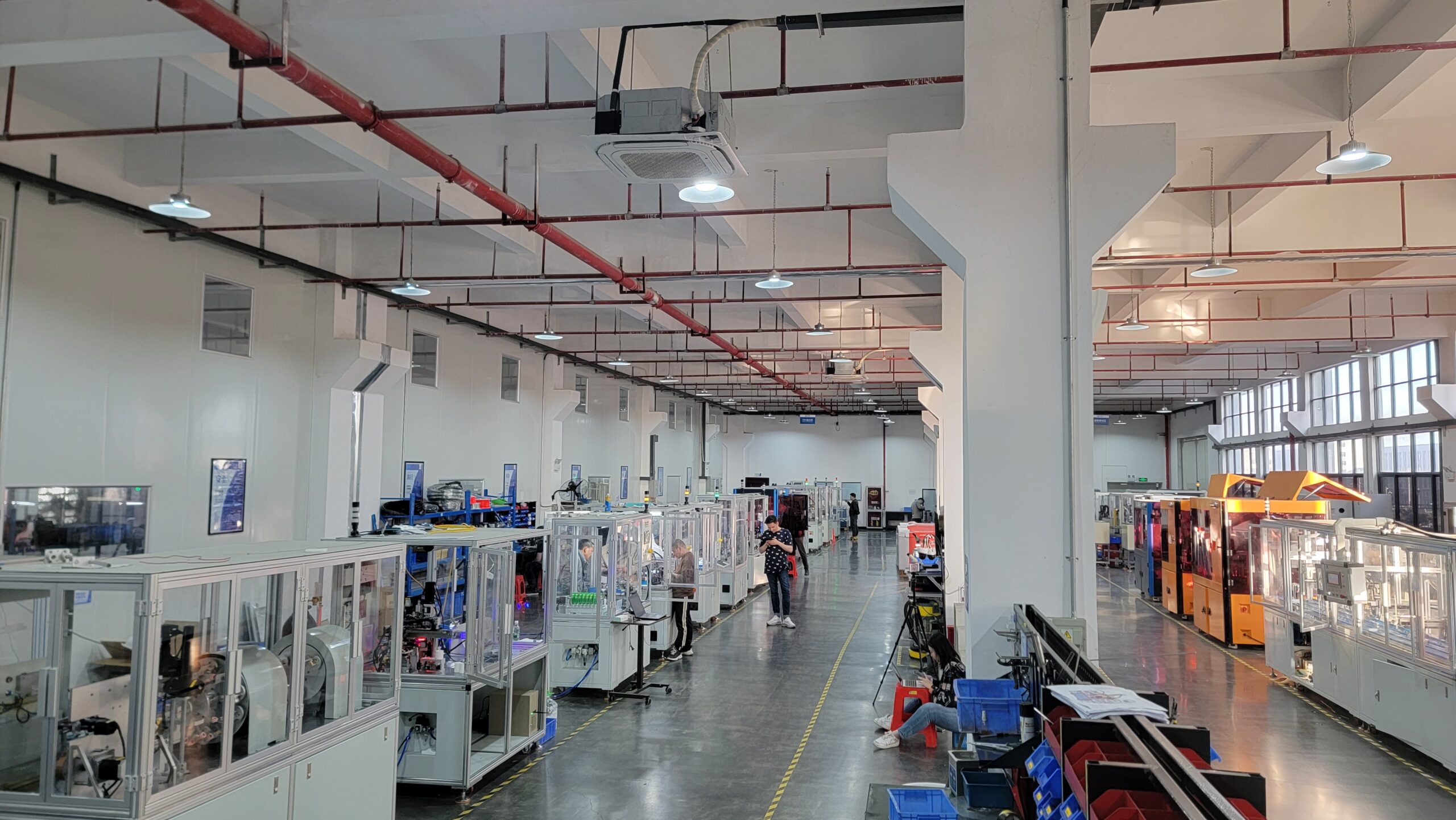
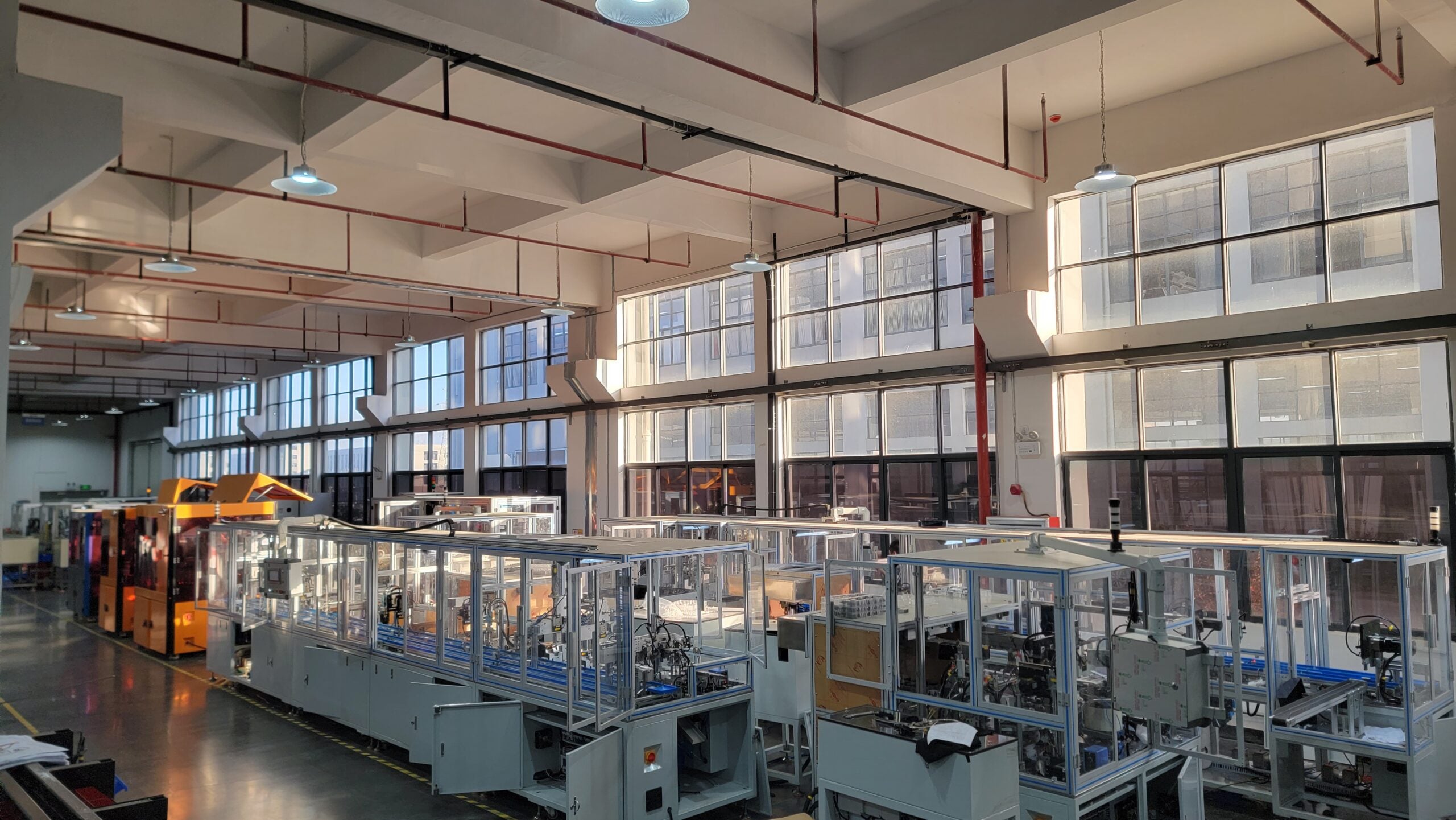
Founded in 2005, Shenzhen Zeyu Intelligent Industrial Science Technology Co., Ltd (ZEUEE) operates a 20,000 m² production base in Taihe, Jiangxi, China. As a connector assembly machine manufacturer, ZEUEE has secured 32+ invention patents and 68+ utility-model patents across its industrial automation portfolio — with machines for terminal handling, contact insertion, insulator placement, and full-cell assembly serving aerospace, automotive, EV, medical, and general industry.
Cooperated Customer Programs
AVIC
China Shipbuilding
GAC Group
Corning USA
Hunter
TE
Sumitomo (Japan)
LEGO (Denmark)
TCL
SONY
Foxconn
Fully Automated High-Precision
Twist Pin & Insulator Insertion System
Twist Pin & Insulator Insertion Machine Engineering Tools
Pin Insertion ROI Calculator
Estimate the payback period and 5-year savings of replacing manual or semi-automated pin insertion with a ZEUEE Twist Pin & Insulator Insertion Machine.
Calculate ROI →ZE-TPI Model Selector
Three quick choices, one recommended configuration. The selector matches your pin envelope, throughput target, and industry against the four ZEUEE Twist Pin & Insulator Insertion Machine variants.
Select Configuration →Connector Standards Map Lookup
Pick your application domain and get the relevant connector, contact, insulator, and system-level standards in one reference sheet — the same map ZEUEE engineering uses when configuring a Twist Pin & Insulator Insertion Machine for a new program.
Lookup Standards →Frequently Asked Questions
What is a twist pin (hyperboloid contact) and how does it differ from a standard stamped pin?
In connector terms, a twist pin is a contact whose mating sleeve is formed of 6 to 12 strands of wire that follow a hyperboloid wire-cage form around the pin’s centerline. On engagement, the strands yield elastically to produce a smooth, continuous wire-ring contact around the pin — rather than the two or three fretting-prone points of stamped contacts. Industry literature documents survival of up to 100,000 mating cycles without loss of performance, compared to the roughly 500-cycle life of standard 39029 stamped contacts.
Can ZEUEE machines handle MIL-DTL-26482 and MIL-DTL-38999 circular connector contacts?
Yes. Our ZE-TPI Mil-Spec model operates across the 0.6 mm to 6.0 mm pin diameter range that covers the #22 through #12 AWG MIL-PRF-29504 and SAE AS39029 contacts used within MIL-DTL-26482, MIL-DTL-38999, MIL-DTL-5015, and MIL-DTL-27599 connectors. Insertion force control and monitoring work in closed-loop per the force specifications those contact standards publish.
What is the typical cycle time for a ZEUEE Twist Pin & Insulator Insertion Machine?
Single-head cycle times range from 180 ms (ZE-TPI High-Speed, small pins) up to 350 ms (ZE-TPI Mil-Spec, larger contacts). The four-head ZE-TPI Multi-Head machine produces 8 to 12 insertion cycles per second in parallel for high-volume automotive and EV wiring programs.
How does ZEUEE handle both contact insertion AND insulator placement in one cycle?
The ZEUEE cell uses a dual-feed approach: a primary vibratory feeder presents the contact for insertion while a second feed presents the insulator. Each cycle sequences a pre-insertion insulator cavity scan, contact alignment, force-controlled insertion, and post-insertion seating depth inspection. This single-cell sequencing is what sets ZEUEE apart from standard PCB pin insertion machines, which do not handle the insulator.
What is the typical ROI period for replacing manual pin insertion with ZEUEE automation?
In industry research on this type of manufacturing automation project, payback is realized in 18 to 30 months with annual recurring savings of 25 to 45% and throughput improvements of 35 to 60%. Exact payback on your program is dependent on the existing scrap rate, your total burdened operator cost (usually 30% to 60% higher than wages), and your annual volume of contact points. ZEUEE will provide you a formal ROI letter based on your inputs.
Does ZEUEE provide installation, operator training, and after-sales support globally?
Yes. Commissioning support, operator training, and maintenance training are included with the system. We have served clients in over 30 countries, with sustained long-term programs for customers such as AVIC, Corning USA, TE, Sumitomo, LEGO, SONY, and Foxconn. Every cell supports remote diagnostics, and in-region service is available through our local partner network.
Is the ZEUEE machine compatible with my existing connector housing geometry?
Most MIL-DTL, IEC 61076, and LV215 connector housings work directly on ZE-TPI base configurations through the quick-change fixture system. For non-standard housing geometries and custom contact systems, ZEUEE’s Custom Engineering team first conducts a compatibility study, then produces a tailored cell design where required — the same process that has completed more than 10,000 equipment projects since 2005.
What pin diameter range does ZEUEE’s platform support across the model line?
Across four models, the ZE-TPI range covers pin diameters from 0.4 mm to 6.0 mm and processes pin lengths from 4 mm to 35 mm. Our High-Speed cell serves the 0.4 mm to 1.5 mm range optimised for dense PCB and consumer-electronics connectors; our Mil-Spec cell handles 0.6 mm to 6.0 mm for circular MIL-DTL and EV high-voltage applications. Each unit ships pre-calibrated for the configured pin lengths.
How do you avoid scratching the contact plating during insertion — one of the issues we see on our current manual press?
Plating scraping on mating contact sleeves is a known vibratory-fed pin insertion failure mode that occurs when the insertion shuttle is out of tolerance and insertion force is open-loop. ZEUEE’s closed-loop force control ramps the insertion stroke against real-time resistance, and the shuttle uses a self-aligning bushing to minimise off-axis load. In factory acceptance testing on the ZE-TPI Mil-Spec cell, plating-defect rates on gold-plated MIL-PRF-29504 contacts measured below 0.3% under production-like conditions.
What certifications does ZEUEE hold?
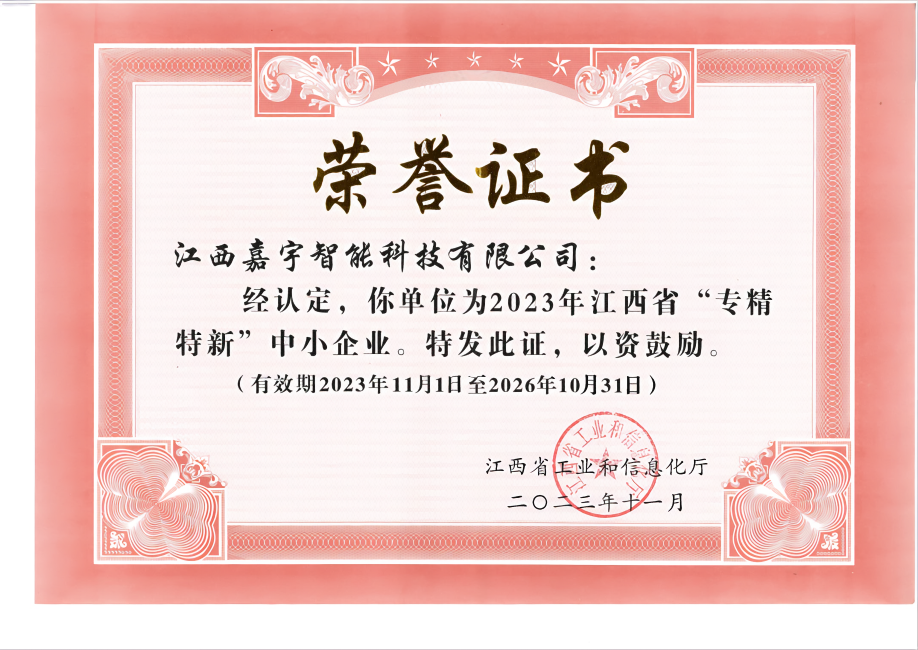
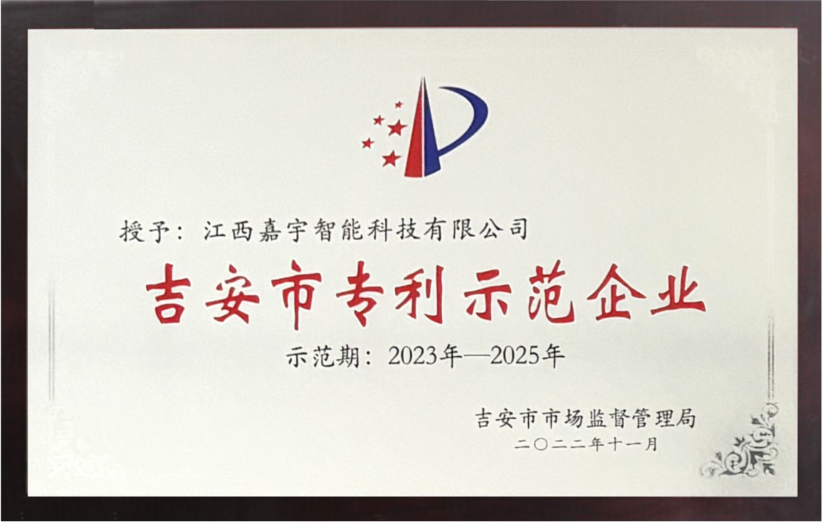
ZEUEE operates an ISO 9001:2015 certified quality management system and holds National High-Tech Enterprise, Specialized and Pioneering Enterprise, and Patent Demonstration Enterprise status from the People’s Republic of China. The company is also a Vice President Unit of the Guangdong Robot Association and a Council Member Unit of the Shenzhen High-Tech Industry Association.
Request a Twist Pin & Insulator Insertion Machine Proposal
Send your pin envelope, target throughput, and connector standard — we respond with a written configuration recommendation within two business days.
Request a QuoteWHY WE WRITE THIS
About ZEUEE Engineering Insights
ZEUEE shares technical guides based on real automation project experience. Since 2005, we have designed and manufactured non-standard automation equipment for connector assembly, wire harness production, robotic lines, vision inspection, and smart factory upgrades.
Founded in 2005
20,000 m² production base
120+ specialists
150+ R&D patents
ISO9001:2015 certified