Get in touch with Zeyu lntelligent Industrial Company
ISO Certified
Automated Testing Equipment
Automated Testing & Assembly Equipment for High-Precision Pin & Connector Insertion
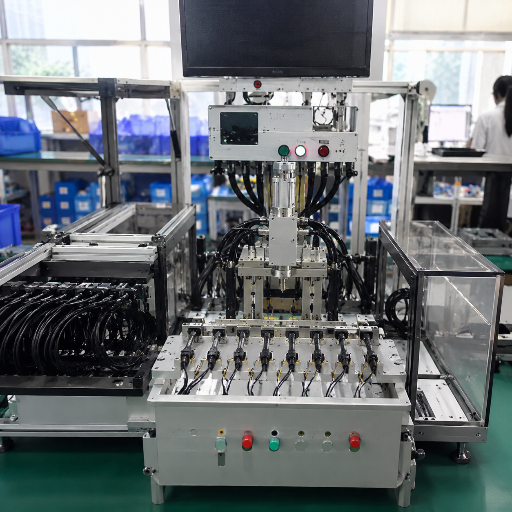
ZEUEE builds automated insertion machines that test as they build — verifying every contact in the same cycle that seats it.
Automated testing equipment earns its place on the line when it verifies every pin as it goes in — not after. ZEUEE builds automated pin and connector insertion machines with testing on the stroke itself: it watches the force it takes to seat each contact, guides the pin by machine vision, and checks continuity to catch the under-seated pins that would slip through a later electrical test. We have built automation equipment since 2005 — more than 10,000 delivered cases across 30+ countries.
Force + Vision
In-line verification per pin±0.01–0.02 mm
Repeatability (industry benchmark)
Vision Active
Up to 5 / sec
Insertion cycles (benchmark)
3 Tiers
Semi-auto / full-auto / multi-station
99.75%
Insertion pass rate (industry study)
12–30 mo
Typical automation payback
Why Manual and Blind-Automated Pin Insertion Costs You, and How In-Line Testing Fixes It
01
The Status Quo
About 70% of what it takes to insert pins and contacts into an electrical connector or printed circuit board (PCB) is still performed manually – a procedure the industry recognizes as inefficient, expensive, and prone to insertion errors.
02
The Hidden Cost
The higher cost failure is the one you don’t catch. The pin that’s crushed, turned over or under-seated will often pass a bench top open/short electrical test and still get to the customer where it fails. Automation that you don’t ‘look’ at is automation that turns the failure into a field failure faster.
03
The ZEUEE Solution
Automated testing and assembly machinery fills the gap. One unit does the work of many: loading, orienting, seating and inspecting each contact. Our machinery measure the insertion force against a spec window…
ZEUEE Automated Insertion & Testing Equipment, Models & Selection
We provide insertion systems at three build levels, each available with equivalent inline verification functionality – meaning there’s no need to sacrifice quality for speed. And, unlike a fixed-platform system, our machines are customised to your connector, pitch, and pin dimensions-the very build-to-specification, whole-factory approach driving our fully automated projects.
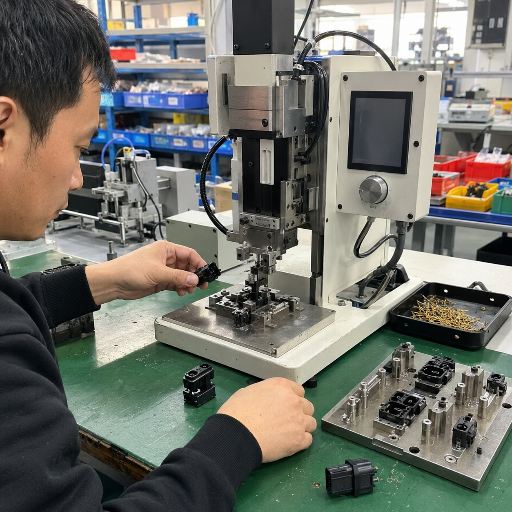
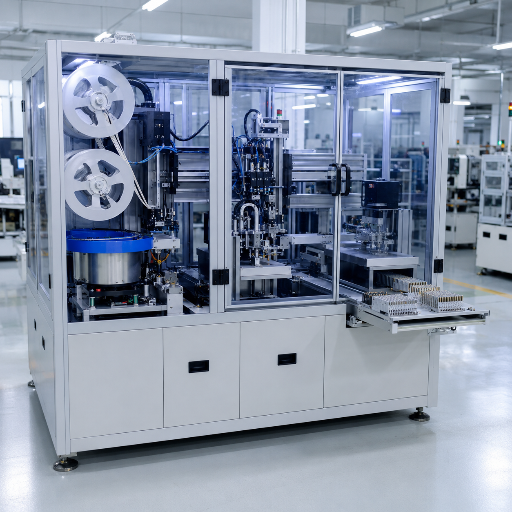
Tier 1
Benchtop Semi-Automatic
Operator-Loaded, Machine-Verified
- Manual load, automated insert + force check
- Digital depth setting per program
- Best for prototyping, small batches, irregular parts
- Compact footprint, fast change of tooling
ZEUEE SERIES
EQUIPMENT MANUAL
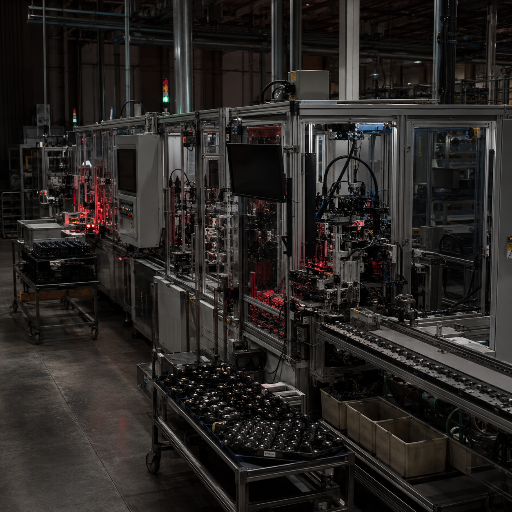
Tier 2
Standalone Fully Automatic
Feed → Insert → Verify → Unload
- Tape-on-reel and loose-pin feeding
- Servo-driven depth and position control
- In-line force monitoring + vision standard option
- Best for high-volume standardized connectors/bobbins
ZEUEE SERIES
EQUIPMENT MANUAL
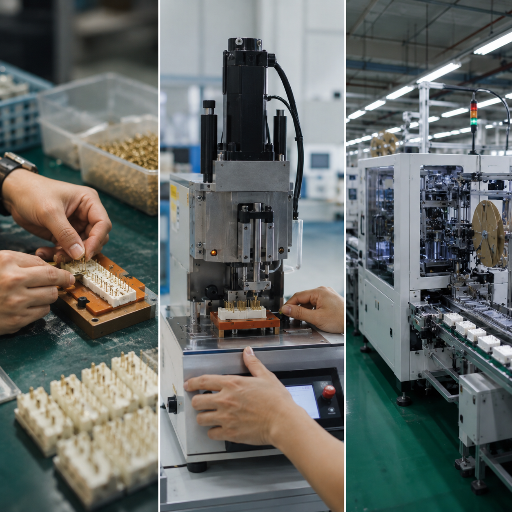
Tier 3
Multi-Station Integrated Line
Full-Process Automation Cell
- Feeding insertion pin bending test sort/unload
- Rotary or in-line transfer, SMEMA-compatible
- Vision + continuity + data logging per part
- Best for multi-process, high-capacity, traceable lines
ZEUEE SERIES
EQUIPMENT MANUAL
The following table illustrates the capability window our ZEUEE programme sets the capability envelope too – based on press-fit and insert standards for the sector. The values shown are precise for your specific press and are then verified against your component – the precise window within which our machine works is detailed on your quotations.
| Parameter | Reference / Configurable Range | Basis |
|---|---|---|
| Insertion force (monitored) | ~100–160 N typical per contact | IEC 60352-5 / IPC-9797 press-fit |
| Pull-out / retention force | ≥30–50 N typical | IEC 60352-5 |
| Repeatability | ±0.01–0.02 mm | Industry benchmark |
| Vision guidance accuracy | ~0.02 mm | Peer-reviewed (Micromachines 2025) |
| Throughput | Up to ~5 cycles/sec; 120–300 pins/min | Industry benchmark |
| Finished-hole-size tolerance | ±0.05 mm (0.002″) typical | Press-fit process control |
| Configuration | Semi-auto / standalone / multi-station | To specification |
| Pricing | [Contact for quote] | Application-dependent |
Match the Tier to Your Production. Review the matrix below to determine the optimal automation tier and testing configuration for your operational priorities.
| If your priority is… | Volume | Recommended tier | Testing option |
|---|---|---|---|
| Prototyping / mixed parts | Low | Benchtop Semi-Auto | Force check |
| Standardized high-volume run | High | Standalone Full-Auto | Force + vision |
| Multi-process + traceability | High / mixed | Multi-Station Line | Force + vision + continuity + logging |
| Labor reduction / unmanned line | High | Multi-Station Line | Full in-line test |
Engineering Note, Press-Fit & Insertion Force
The press-fit (compliant-pin) robustness is contained within a small force window; not enough force and retention is down, resulting in a compliance below IEC 60352-5 minimum; too much and a chance of buckling the pins or damage the hole wall. The insertion force is monitored for both values against programmed setpoint for each stroke of the ZEUEE machine, so any abnormal readings will be evident at the press – not found at the end of the line test. The finished hole size specification of circa 0.05 mm can therefore be maintained during production on this process.
Automated vs Semi-Automatic vs Manual Insertion, Performance & Cost
The argument for automation isn’t “speed.” It’s less rejects to the field, reduced hands-on labor, and a quantifiable return on investment. The numbers below are average industry figures, not ZEUEE-specific metrics; yours will depend on parts complexity and automation throughput.
Auto-Inspection
| Factor | Manual | Semi-Automatic | Fully Automatic + Test |
|---|---|---|---|
| Throughput | Operator-limited | Moderate | Up to ~5 cycles/sec |
| Per-pin verification | None / visual | Force check | Force + vision + continuity |
| Defect rate trend | Highest (human error) | Reduced | Up to 92% lower vs manual baseline |
| Labor per shift | High | 1 operator-assisted | Tend / supervise only |
| Field-failure risk | High (no mech. check) | Medium | Low (mech. + electrical) |
| Typical payback | — | Shorter | 12–30 months |
Two very honest and important aside come with any comparison.
First, capital equipment is usually only a third to two-fifths of project cost – implementation and commissioning are habitually under-estimated by at least twenty to forty percent. Second, equipment uptime is dependent on support: a line idled for days waiting on a cheap spare part eliminates months of labor savings. We address both in the purchasing support guide below.
Customer Outcomes: Labor Reduction, Defect-Rate & Throughput
ROI VERIFIED
92%
typical reduction in quality-defect rate, with 35–60% higher throughput, when manual assembly is replaced by automated insertion with in-line test.
Source: Manufacturing automation ROI studies (oxmaint, wiss), industry benchmark — not ZEUEE first-party data.
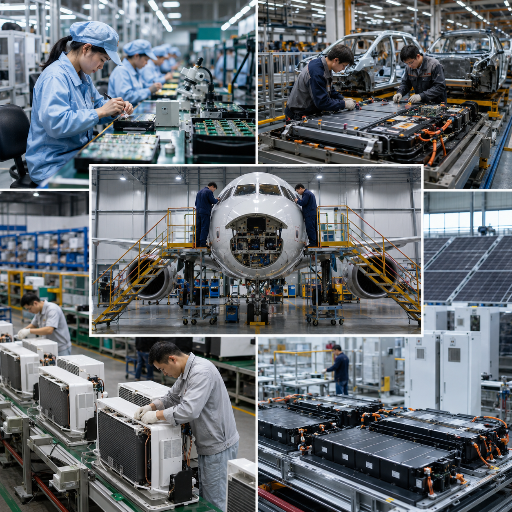
Our equipment has been used in connector and contact assembly in 3C electronics, automotive electronics, aerospace, precision electrical appliances, and new energy manufacturing processes, anywhere the irreducible problem of labor shortages and zero-defects requirements collide. The trend that proves the investment value remains consistent through published automation case studies.
From the cost aspect, automation project of this type claims sustainable annual cost savings of between 25%-45% off the initial investment cost and a return on investment of between 12-30 months mainly due to redundant labor and overtime hours. Considering that up to approximately 70% of the industry-wide, manual-insertion process is yet to be completed, and the predicted pin-insertion-machine market reaching $244 million by 2026, this transition from human hands to approved machines is on a rise.
ZEUEE’s mission is to make this transition trustworthy and documentable for each individual piece.
Unroll Data
Certifications & Quality Compliance
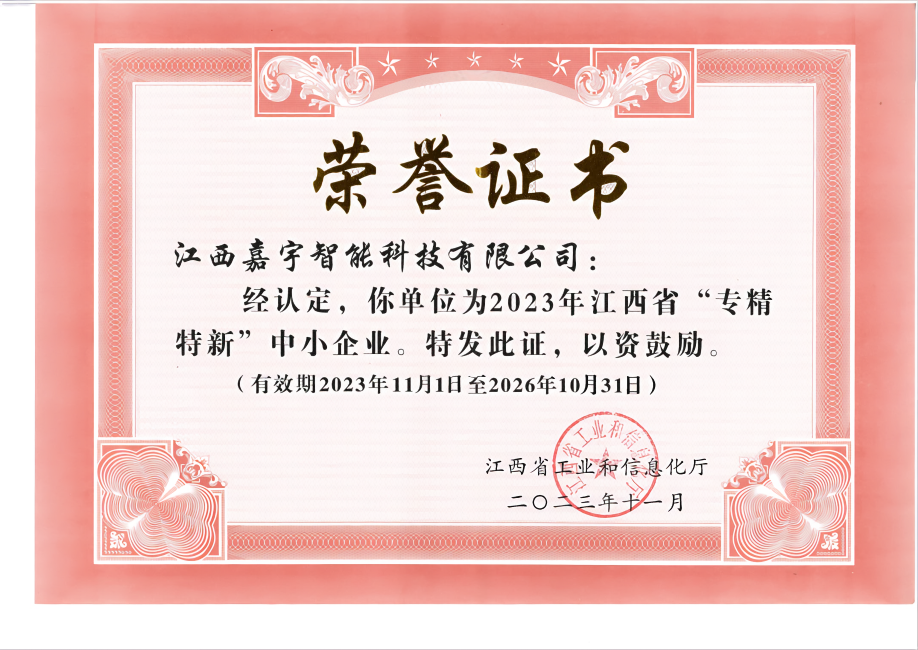
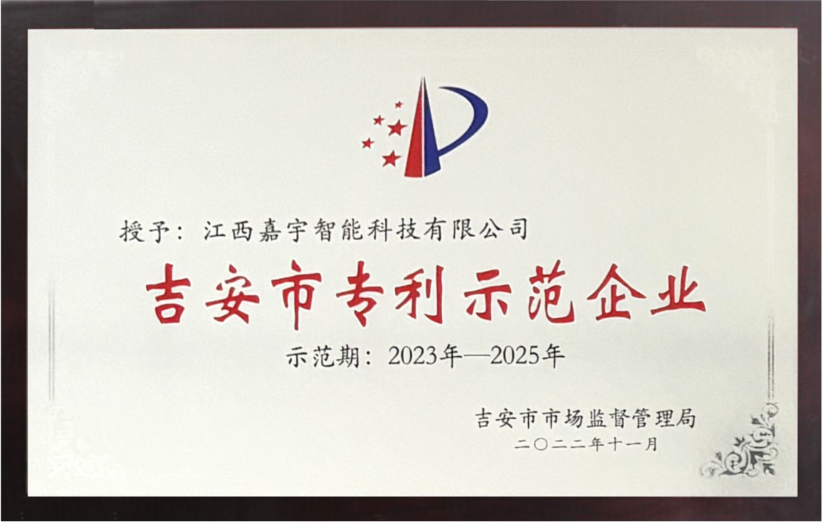
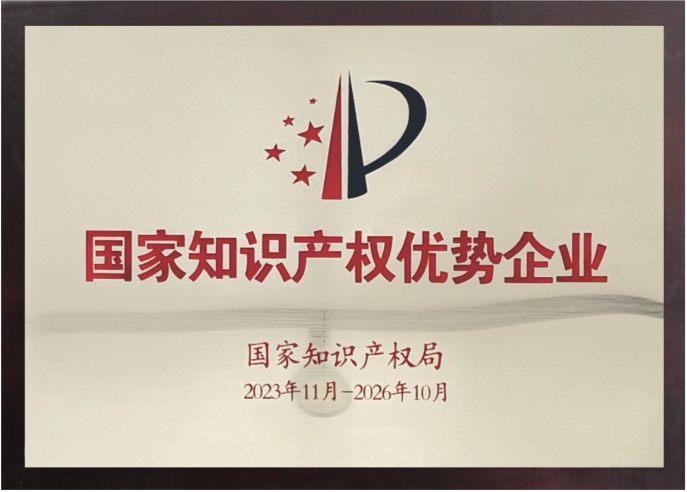
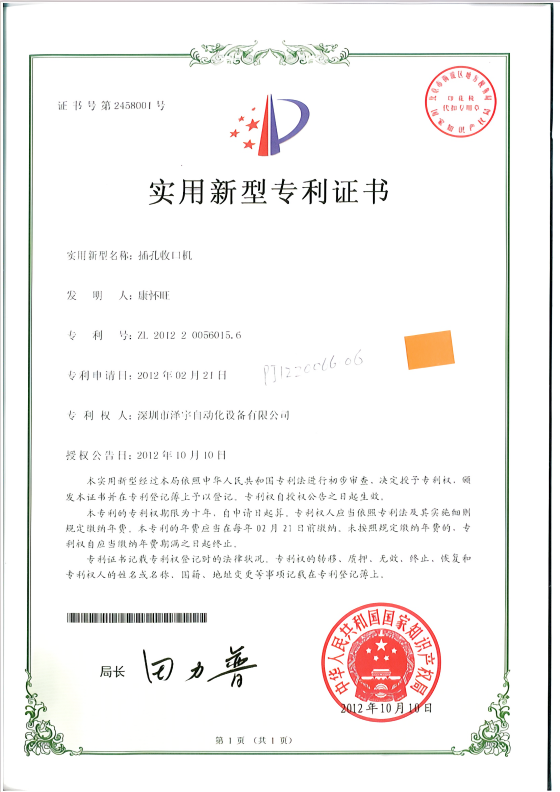
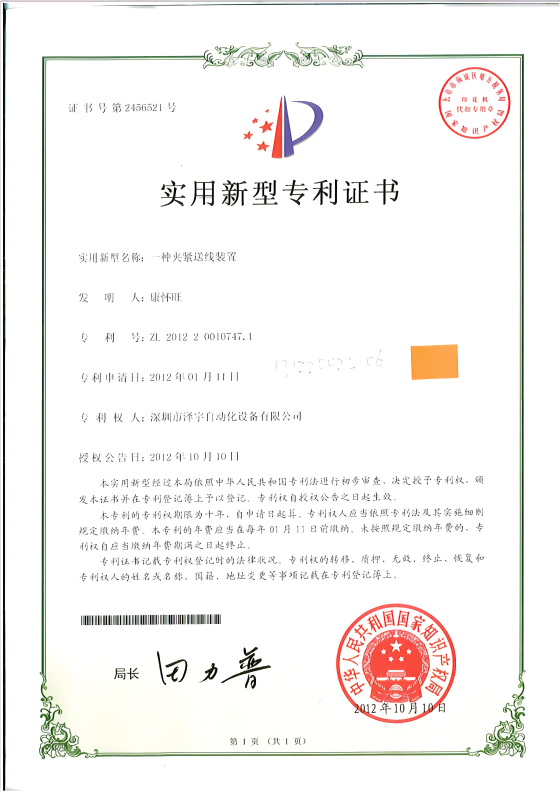
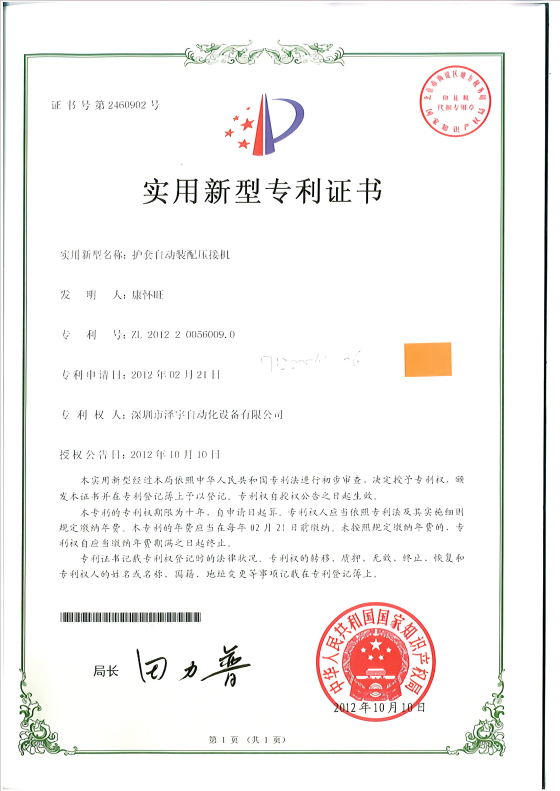
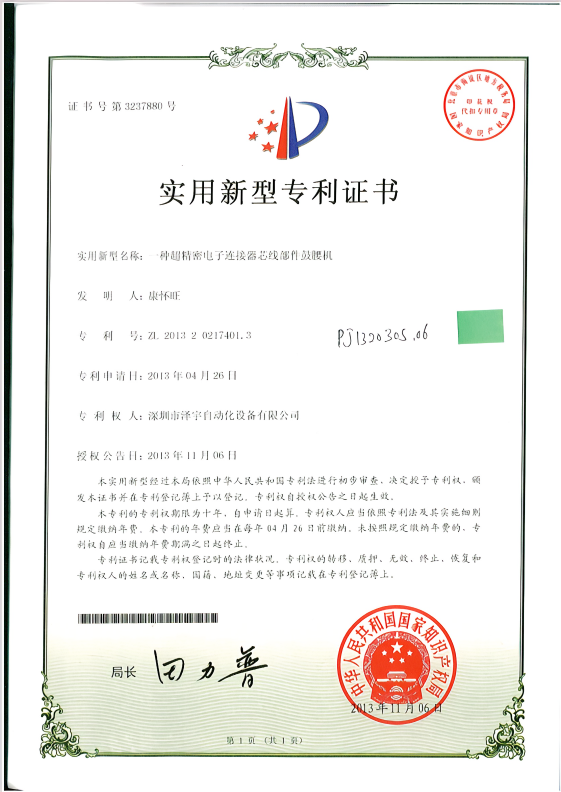
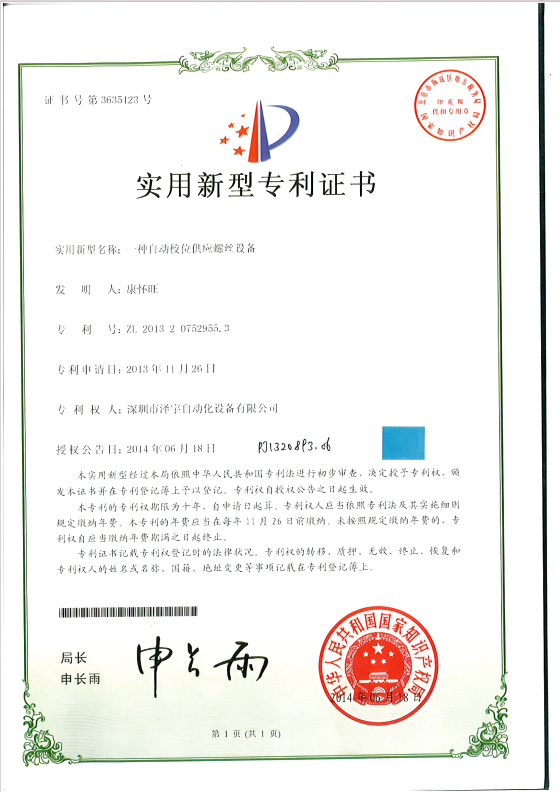
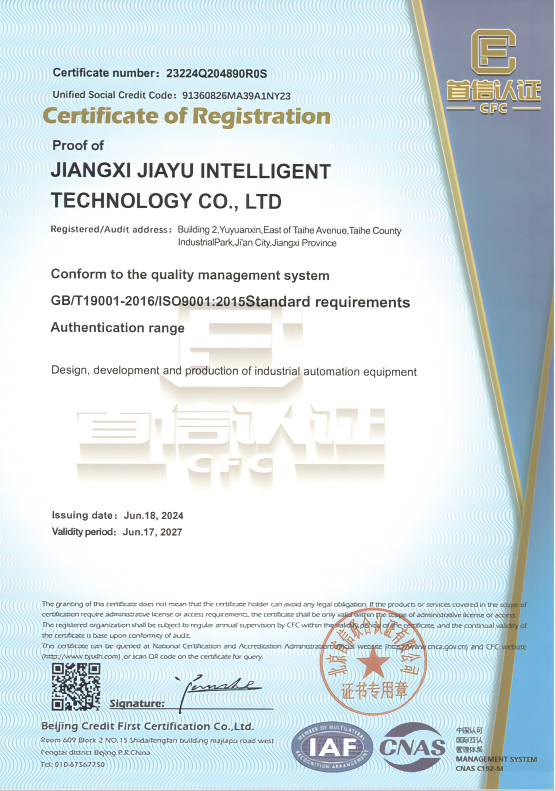
As a Chinese automation supplier, you’re understandably seeking evidence and will require it in the case before you trust. That’s the response from ZEUEE through our quality system,patent basesand famous customers base from international OEMs.
Compliance Matrix Overview
Quality management certified
ISO 9001:2015
Invention patents
32+ Patents
Utility-model patents
68+ Patents
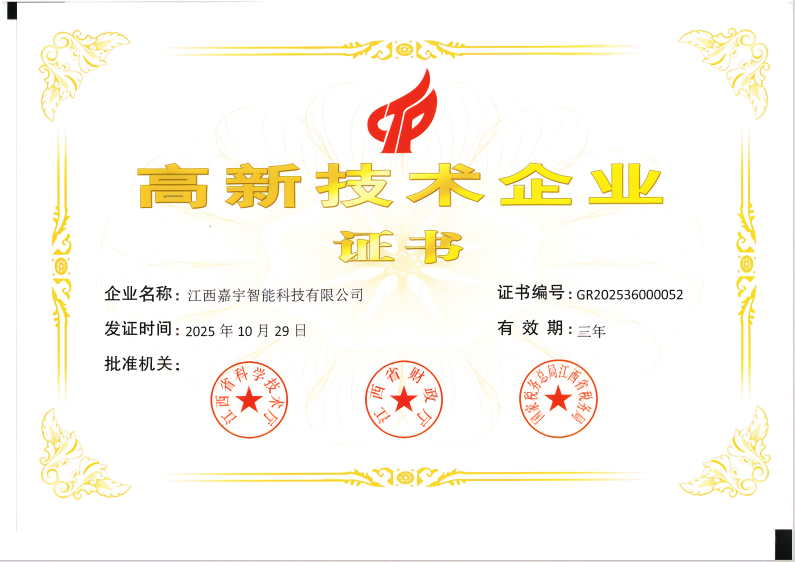
National High-Tech Enterprise
High-Tech
Press-fit standard capable
IPC-9797 / IEC 60352-5
×
Interactive Engineering Tools & Calculators
Automation ROI & Payback Calculator
Estimate the payback period and annual savings of moving from manual to automated pin/connector insertion. Figures use published automation benchmarks — request a ZEUEE quote for a model built on your exact line.
Access Calculator
→
Insertion Machine Tier Selector
Answer three questions to see which ZEUEE configuration fits your production — and which in-line testing it should carry.
Open Selector
→
Press-Fit Insertion Force Reference
A quick reference for the insertion/retention force window your press-fit contacts should fall in, per IEC 60352-5 / IPC-9797. For machine programming, ZEUEE sets the live force window against your actual contact.
View Reference
→
Frequently Asked Questions
What is automated testing equipment in the context of pin insertion?
Assembly hardware that checks each contact as it’s seated (insert force, vision for placement and continuity) instead of having a second downstream electrical check that can miss mechanical faults.
Can a pin pass an electrical test and still be defective?
Yes. A damaged, bent-under, or under-seated pin may seem like it’s working properly on the bench but can fail out in the real world due to temperature and vibration stress. Online in-line force and visual testing at the station will detect mechanical issues before the part leave the plant.
Automated, semi-automatic, or manual, which should I choose?
Manual suits very low volumes and irregular parts. Semi-automatic adds a force check for small batches. Fully automatic with in-line testing fits standardized high-volume runs where defect rate and labor cost dominate. The decision matrix above maps each tier to volume and the verification you need.
Can the machine handle my specific connector, pin size, or material (e.g. stainless)?
Your equipment is customized to your specific contact geometry, pitch and material, not a fixed platform. Pin type (round or square), feeding method (tape-on-reel or loose), and press-fit or thru-hole are all set to your part during quotation.
What is the biggest challenge with automated and semi-automated pin insertion machines?
Data from the field indicate pin length variation, burrs and damaged platings all can contribute to coil failure, higher insertion forces and increased downtime. The best preventative measure include per-stroke force detection and vision inspection – which are built into ZEUEE machines, not added on as an option.
What ROI and payback period are realistic?
Published automation studies on machines in this class tout ROI within 12-30 months and recurring savings of 25-45% of the initial investment cost on an annual basis, thanks to labor displacement and a reduction in the number of defects. The figures are specific to your volume and the intricacy of the parts themselves – therefore, we recommend ordering a custom analysis for a projection based on your numbers.
Do you offer a high-volume, fully automatic option?
Indeed – our standalone fully automated press-fit machines and our multi-station, integrated lines are designed to handle large volume production. Integrated capabilities in a single cell include feeding, insertion, in-process testing, as well as unloading and sort, and are all SMEMA compatible for integration into larger production lines.
What about lead time and after-sales support?
The exact scope for both systems is addressed during the quotation process. ZEUEE works with clients in 30+ countries worldwide, because in this market, the costs associated with production line downtime far exceed those for the parts themselves. That’s why spare parts availability and responsive engineering support are an intrinsic element of how we structure our operations.
WHY WE WRITE THIS
About ZEUEE Engineering Insights
ZEUEE shares technical guides based on real automation project experience. Since 2005, we have designed and manufactured non-standard automation equipment for connector assembly, wire harness production, robotic lines, vision inspection, and smart factory upgrades.
Founded in 2005
20,000 m² production base
120+ specialists
150+ R&D patents
ISO9001:2015 certified
![Automated Screwdriving: Torque & Cycle Time [Guide]](https://zeueeauto.com/wp-content/uploads/2026/10/automated-screwdriving-featured-150x150.png)