Get in touch with Zeyu lntelligent Industrial Company
Applications
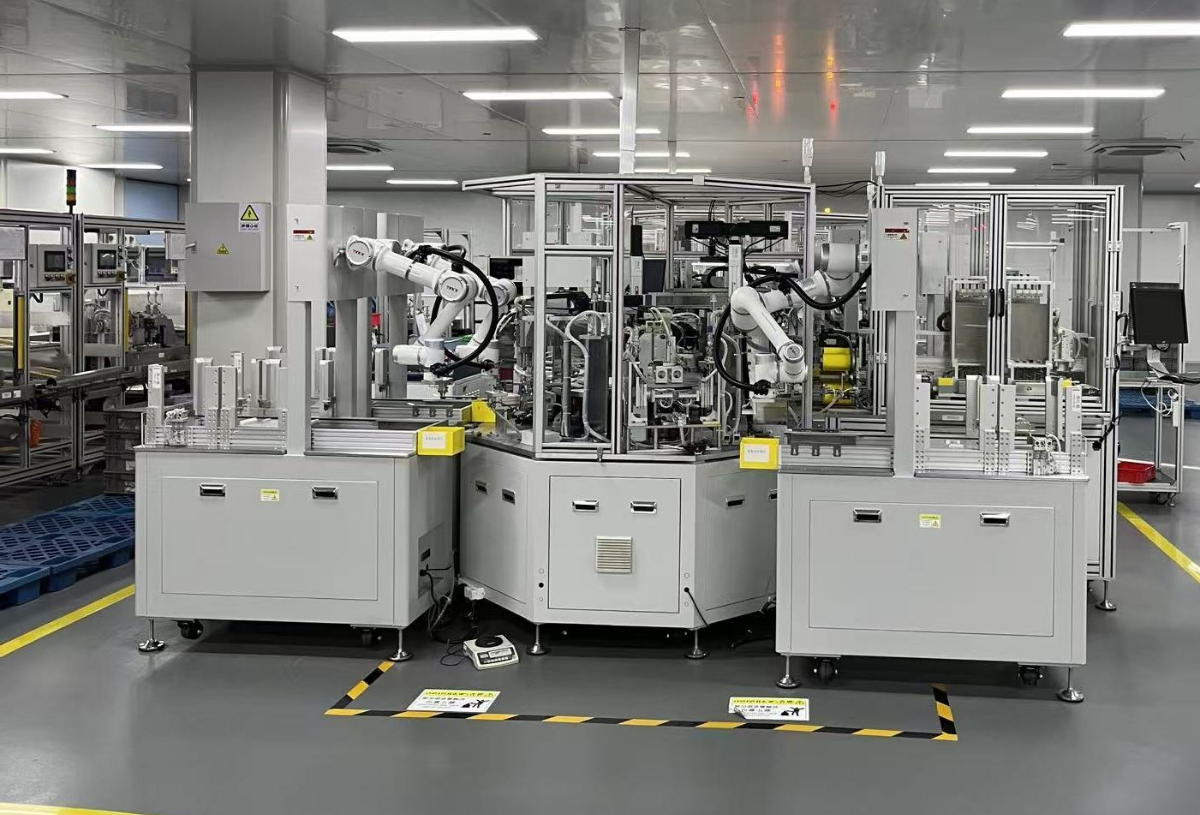
Electronics Assembly Automation Equipment for 3C, PCB & Precision-Electronics Production
ZEUEE designs, builds, and commissions automated assembly lines that turn high-mix consumer-electronics, connector, and PCB work into repeatable, traceable output, engineered by a 20,000 m² non-standard automation factory with 150+ patents.
Trusted by production teams supplying TE, Sumitomo, Foxconn, SONY, TCL, and Corning.
System Specifications & Scale
300–50,000
pcs/hr per cell, by mode
<0.05 mm
placement accuracy (vision-class)
ISO 9001:2015
quality-managed build
150+
R&D patents
10,000+
lines & cases delivered
30+
countries served
ZE-ANALYSIS // 2026
For: Engineering · Procurement · Operations
The Real Cost of Manual and Semi-Automatic 3C Electronics Assembly
01
ECONOMICS & COMPLIANCE
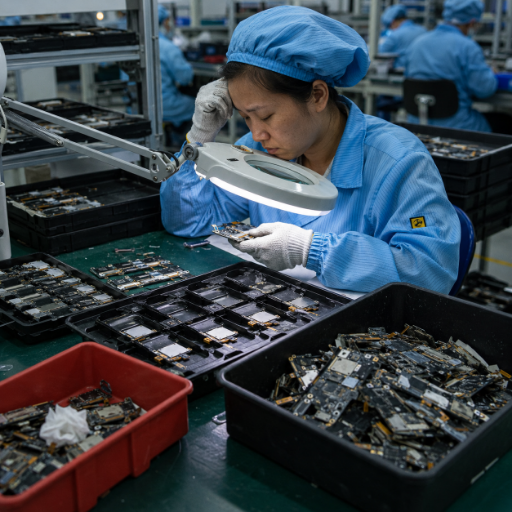
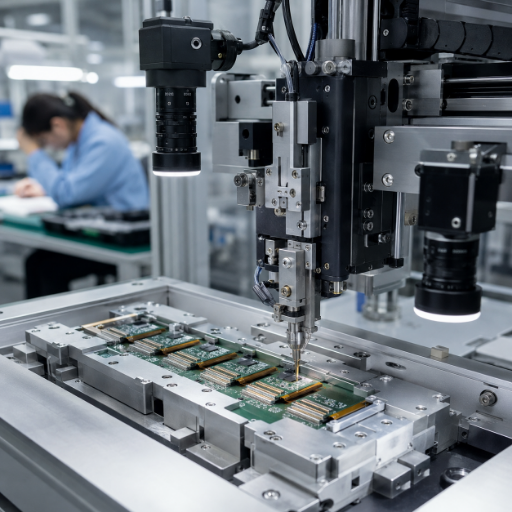
Electronics assembly automation rarely fails on the machine, it fails on the math that nobody runs before buying. A 3C line that depends on manual component placement carries a defect rate that compounds: every missed insertion or skewed connector becomes scrap, then rework labor, then a warranty exposure. Quality and scrap cost is consistently the second-largest value driver after direct labor when teams model assembly economics, because manual handling variation flows straight into yield loss. The quality-management discipline that contains that loss is defined in ISO 9001.
02
ROOT CAUSE ANALYSIS
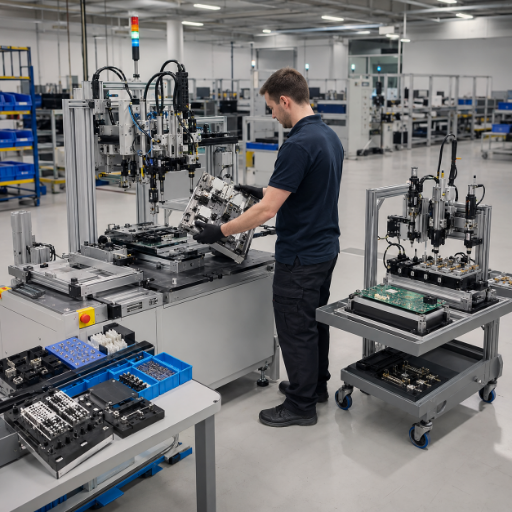
Here’s the honest version of the problem most equipment pages skip. The bottleneck in 3C production isn’t raw speed, it’s variation. A skilled operator placing a 0.4 mm-pitch flex connector is accurate at 9 a.m. and drifting by hour seven. The root cause is human fatigue against tolerance stack-up on molded housings and substrates that shift during reflow, the repetitive tasks that wear an operator down are exactly the ones a machine repeats without drift. Automated assembly removes that variation from the assembly process: vision systems locate the connector housing and adjust the insertion path in real-time, holding the same path on part one and part one million. That’s the difference between a line that hits 95% first-pass yield and one that holds 99%+.
03
ADAPTIVE STRATEGY
And there’s a contrarian point worth stating plainly, because it stops most 3C buyers from automating at all: the common assumption is that high-mix, low-volume electronics, where models change every quarter, can’t be automated profitably. Field experience contradicts that. High-mix work looks impossible to justify only when you try to automate everything. The return appears when you automate the common process steps shared across a product family, insertion, dispensing, screwdriving, test, with quick-change tooling and recipe-driven parameters. ZEUEE builds lines around that principle, which is why a connector cell and a PCB cell can share the same modular base.
ZEUEE Electronics Assembly Automation Lines and The 3C Assembly Automation Decision Ladder
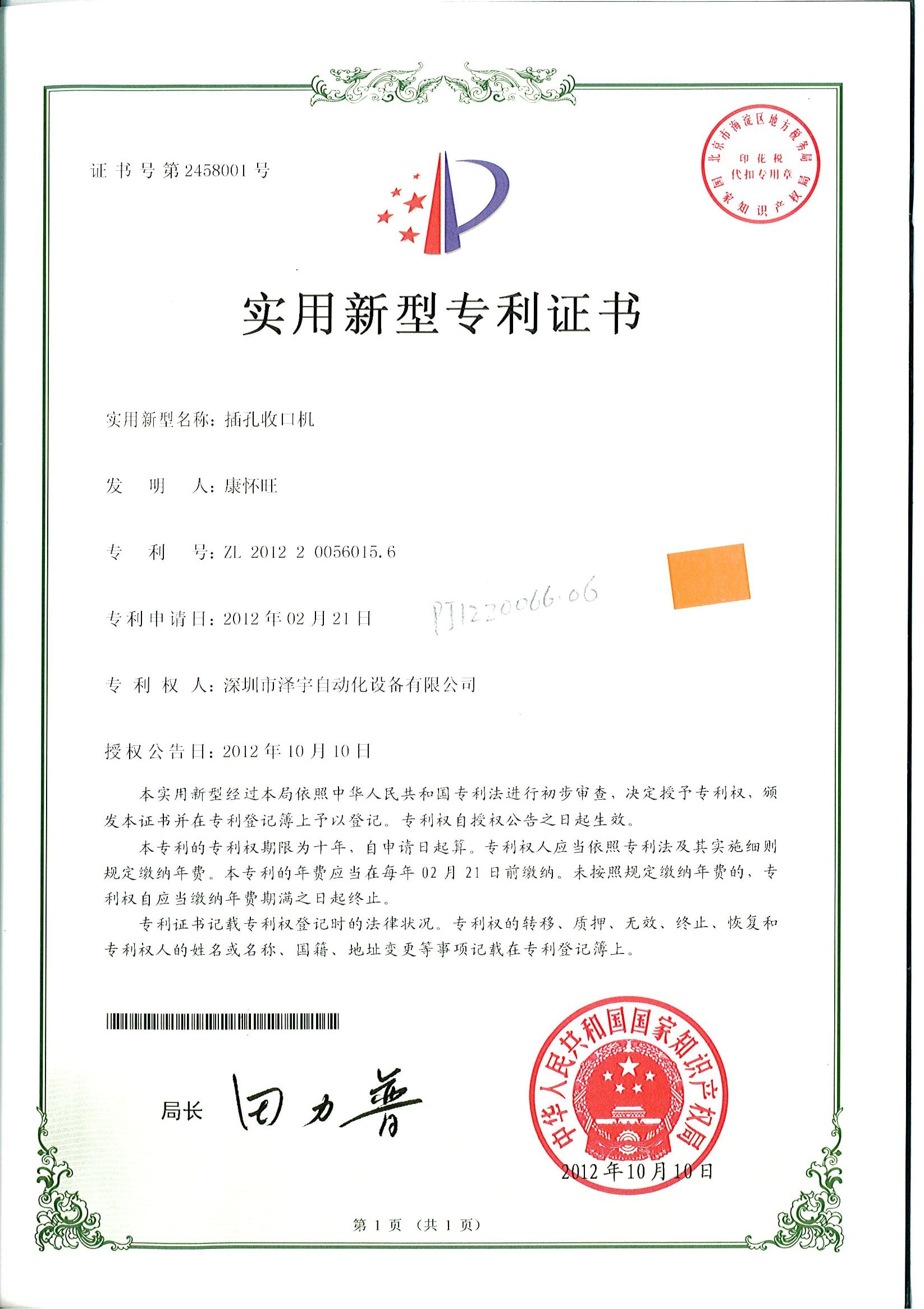
ZEUEE is a non-standard automation builder: we engineer the assembly machine around your part, not the other way around. Across consumer-electronics, connector, precision-electrical, and PCB work, our automation solutions combine pick-and-place, robotic insertion, adhesive dispensing, screw-driving, and inline test into one controlled production process, delivered as a standalone cell, a full SMT production line, or a PCB assembly line tied into your existing floor, an integrated SMT-plus-assembly architecture documented in patent CN2904602Y. We build the automation systems around your part rather than forcing your part onto a catalog machine.
The risk of the wrong rung is expensive: an over-specified line can fail to pay back for years, and idle stations are capital you can’t recover. Because the structural reason 3C lines stall is product churn, ZEUEE engineers each cell around your worst-case changeover, not your best-case run. For industrial buyers in the EU and US running six plug SKUs on a shared base, ZEUEE has built cells that handle all six through quick-change tooling in under 30 min, holding 99% first-pass yield while cutting six manual stations to one operator, a factory result a catalog machine can’t match. ZEUEE certifies each line against your measured takt before shipment. The question is never “do you need automation” — it’s “which rung of automation fits this product this year.” We answer that with a selection framework we use in every quotation.
The 3C Assembly Automation Decision Ladder
Each rung adds throughput and repeatability but also adds fixed cost and changeover discipline. The right rung is the lowest one that meet your volume and yield target, over-automating a high-mix line is exactly how teams burn capital on idle cobots.
Because the rungs share a modular mechanical and control base, a line can be specified at rung 2 today and upgraded toward rung 5 as a product matures, you aren’t throwing away the cell when volume grows. Every configuration carries an indicative MOQ of one line and a build lead time we quote against your station count and tooling complexity (see the Procurement Guide below).
Electronics Assembly Cell Class Comparison
Use this to map a cell class to your part before you request a quotation. Figures are typical industry ranges; your exact throughput depends on component type, board complexity, and configuration.
| Cell class | Drive principle | Best-fit 3C product | Mix flexibility | Operators |
|---|---|---|---|---|
| Manual bench | Operator + fixture | Prototype / very-low-vol connector | Very high | 4–8 |
| Semi-automatic single-station | Operator-loaded actuator | Mid-vol plug / socket / cable | High (quick-change) | 2–3 |
| Rotary indexing dial | Indexed dial table | Switch / sensor sub-assembly | Medium | 1 |
| Continuous-motion machine | Cam / servo synchronized | High-vol terminal / contact | Low | 1 |
| Linear pallet transfer | Pallet conveyor stations | Multi-step device assembly | Medium | 1–2 |
| Inline SMT pick-and-place | Gantry / turret placement | PCB component placement | Recipe-based | 1 |
| SCARA robotic cell | 4-axis robot | Fast pick-and-place / screw | High (reprogram) | 1 |
| 6-axis robotic cell | 6-axis robot + vision | Odd-form / oriented insertion | High | 1 |
| Collaborative-robot cell | Cobot, fenceless | Low-vol high-mix insertion | Very high | shared |
| Inline AOI / test station | Automated optical inspection | Any PCBA | Recipe-based | 0 |
Not sure which rung fits your part mix?
Get a Throughput & Payback Estimate →
Automated vs. Semi-Automatic vs. Manual: A Throughput, Yield, and Labor Benchmark
Automation makes its case as a number, not an adjective. The table below benchmarks assembly modes against typical 3C applications using dimensioned figures rather than High/Medium/Low labels. The pain it answers is concrete: a manual connector line running 300–600 pcs/hr with 4–8 operators can’t hold the unit cost of an automated cell running an order of magnitude faster with one operator, and the gap widens every time labor turns over.
Automation Mode x 3C Product-Type Throughput and Yield Benchmark
| Assembly mode | Typical 3C application | Throughput | First-pass yield | Operators / line | Changeover |
|---|---|---|---|---|---|
| Manual bench | Low-vol connector / cable | 300–600 pcs/hr | 95–98% | 4–8 | Minutes |
| Semi-automatic cell | Mid-vol plug / socket | 900–1,500 pcs/hr | 98–99% | 2–3 | 15–30 min |
| Continuous-motion machine | High-vol terminal / contact | 2,000–3,600 pcs/hr | 99%+ | 1 | 30–60 min |
| Rotary indexing line | Switch / sensor sub-assembly | 1,500–2,800 pcs/hr | 99%+ | 1 | Quick-change |
| Auto insertion machine | Radial / axial components | 20,000–40,000 cph | 99%+ | 1 | Feeder swap |
| Inline SMT pick-and-place | PCB component placement | up to 50,000 cph | 99.9%+ | 1 | Recipe |
| Robotic insertion cell | Through-hole / odd-form | 1,000–2,000 pcs/hr | 99%+ | 1 | Reprogram |
| Vision-guided cell | Flex-cable / FPC | 800–1,500 pcs/hr | 99%+ | 1 | Recipe |
| Full automated line | Consumer-electronics box build | Line-paced | 99%+ | 1–2 | Module swap |
| Inline AOI / test | Any PCBA | Inline-paced | catches >99% defects | 0 | Recipe |
Engineering Note
CPH (chips/components per hour) applies to high-speed placement and insertion machines; pcs/hr applies to discrete assembly cells. The yield figures assume vision verification at the placement step, without inline inspection, the same mechanics will run faster but let escapes through. The right comparison for your line isn’t the fastest row, it’s the row whose throughput matches your takt time at the lowest operator count and acceptable changeover. For the productivity methodology behind these comparisons, see NIST manufacturing guidance.
What separates a ZEUEE line on this table isn’t one row, it’s that ZEUEE builds to your row. The structural reason most quotes disappoint is that builders sell the highest row; the honest version is that a pick and place machine running 50,000 cph is the wrong answer for a six-SKU connector line that changes weekly. With a 20,000 m² factory, 150+ patents, and 10,000+ delivered cases, ZEUEE has built cells at every rung, so ZEUEE engineers can tell industrial buyers in the EU and US when rung 2 beats rung 5, and ZEUEE certifies the chosen line against a measured takt, not a brochure number. A manual line that fails at 95% yield costs more every hour it run.
Want this benchmarked against your current line?
Get a detailed Throughput & Payback Estimate
Customer Results Across 3C, Connector, and Precision-Electronics Production
Two questions decide an automation purchase: does it pay back, and has the builder done it before for someone you recognize. ZEUEE has delivered more than 10,000 lines and cases over twenty years, with production teams supplying TE, Sumitomo, Foxconn, SONY, TCL, Corning, and LEGO among customers across 30+ countries. That track record matter specifically because the biggest hidden risk in offshore automation isn’t the machine, it’s whether the supplier is still answering the phone during commissioning.
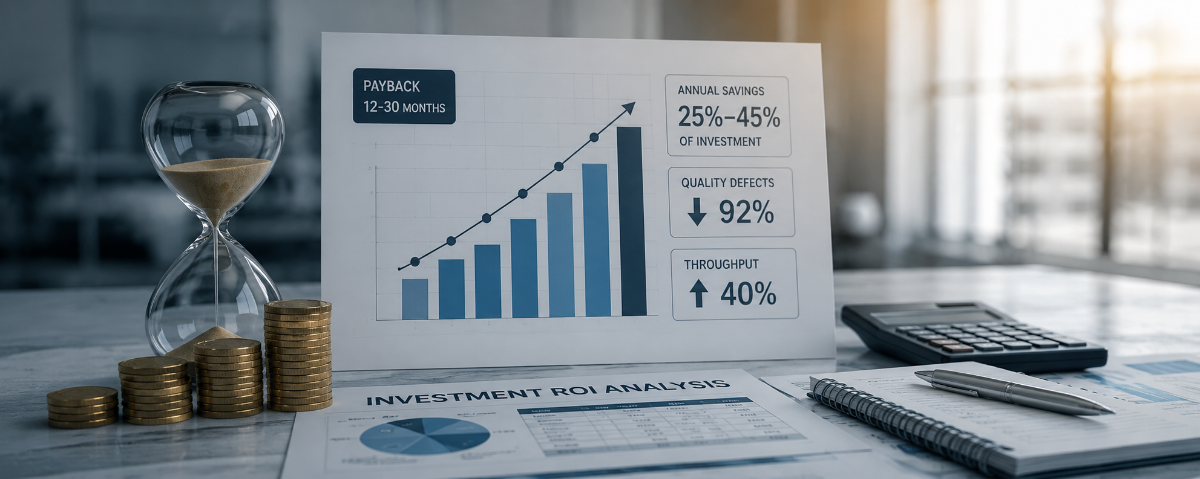
On the payback side, the industry pattern is well documented. Full-scope automation projects in electronics manufacturing reach payback in 12–30 months, with annual savings of 25–45% of the initial investment. One mid-size electronics manufacturer that invested in robotic assembly automation reported an 18-month payback driven by 92% fewer quality defects and a 40% increase in throughput. Those are industry figures, not a ZEUEE-specific promise, your payback depends on your labor cost, volume, and yield baseline, which is exactly what a line-layout estimate quantifies.
Field deployments elsewhere in the sector show the same shape: a Thai smartphone-component manufacturer that moved from manual cart-based handling to an automated conveyor line absorbed a surge in consumer-electronics demand without adding proportional labor. Semiconductor, electronics, and photonics manufacturers posted an 18% rise in robot orders in Q2 2025, which tells you the buy-side has already done this math. Industry robotics standards are maintained by IEEE.
Precision, Machine Vision, and Traceability: How the Line Holds Quality
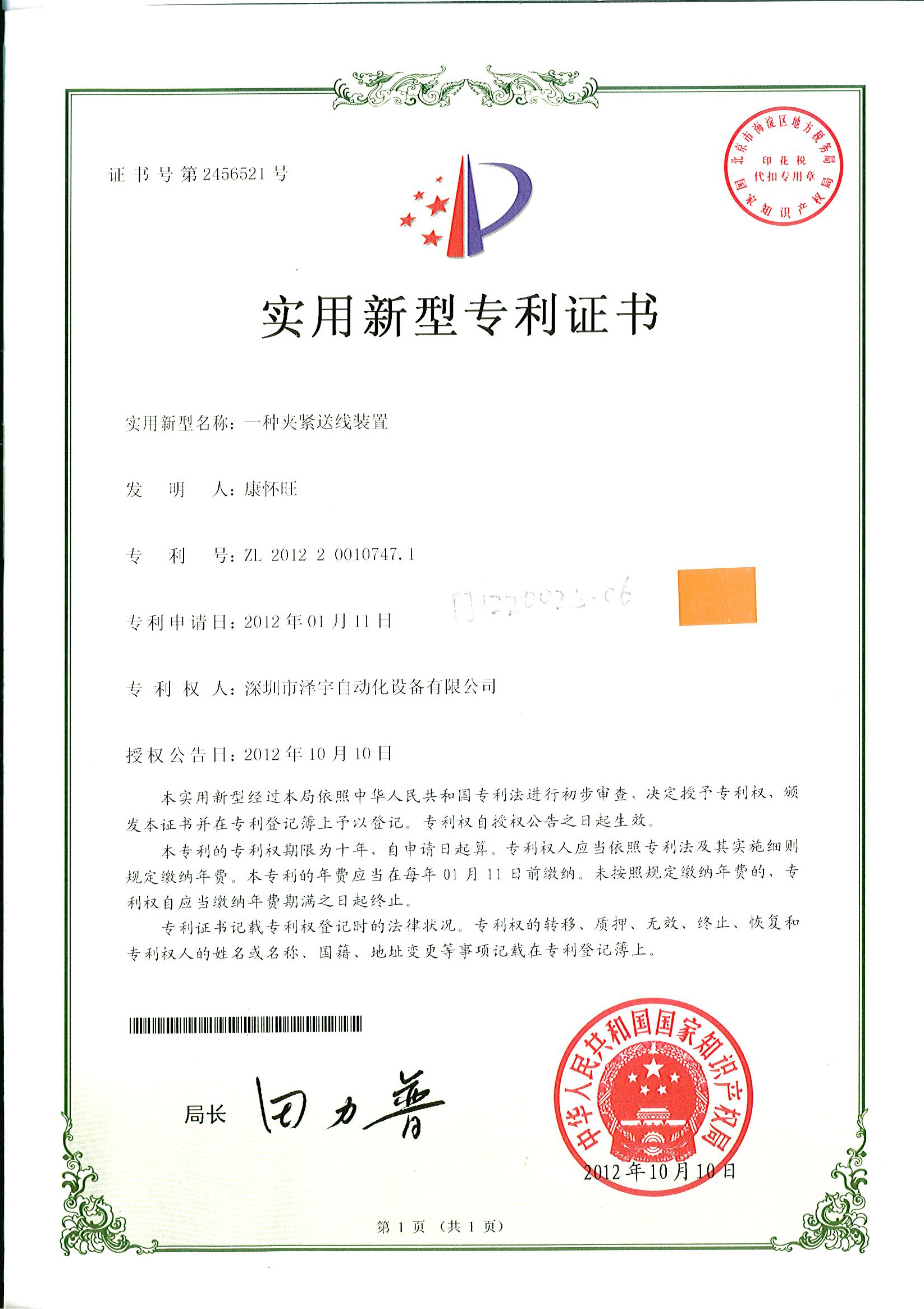
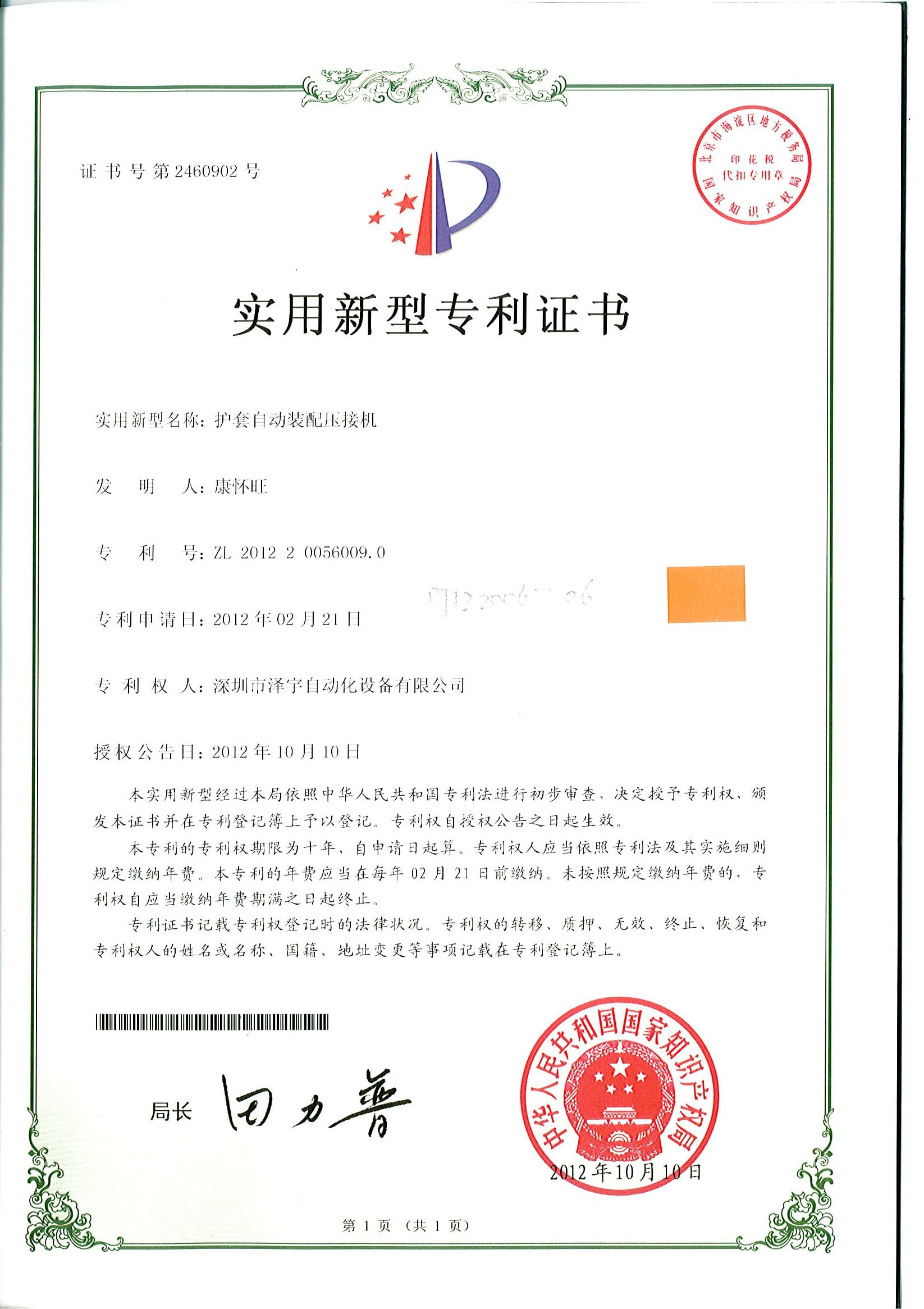
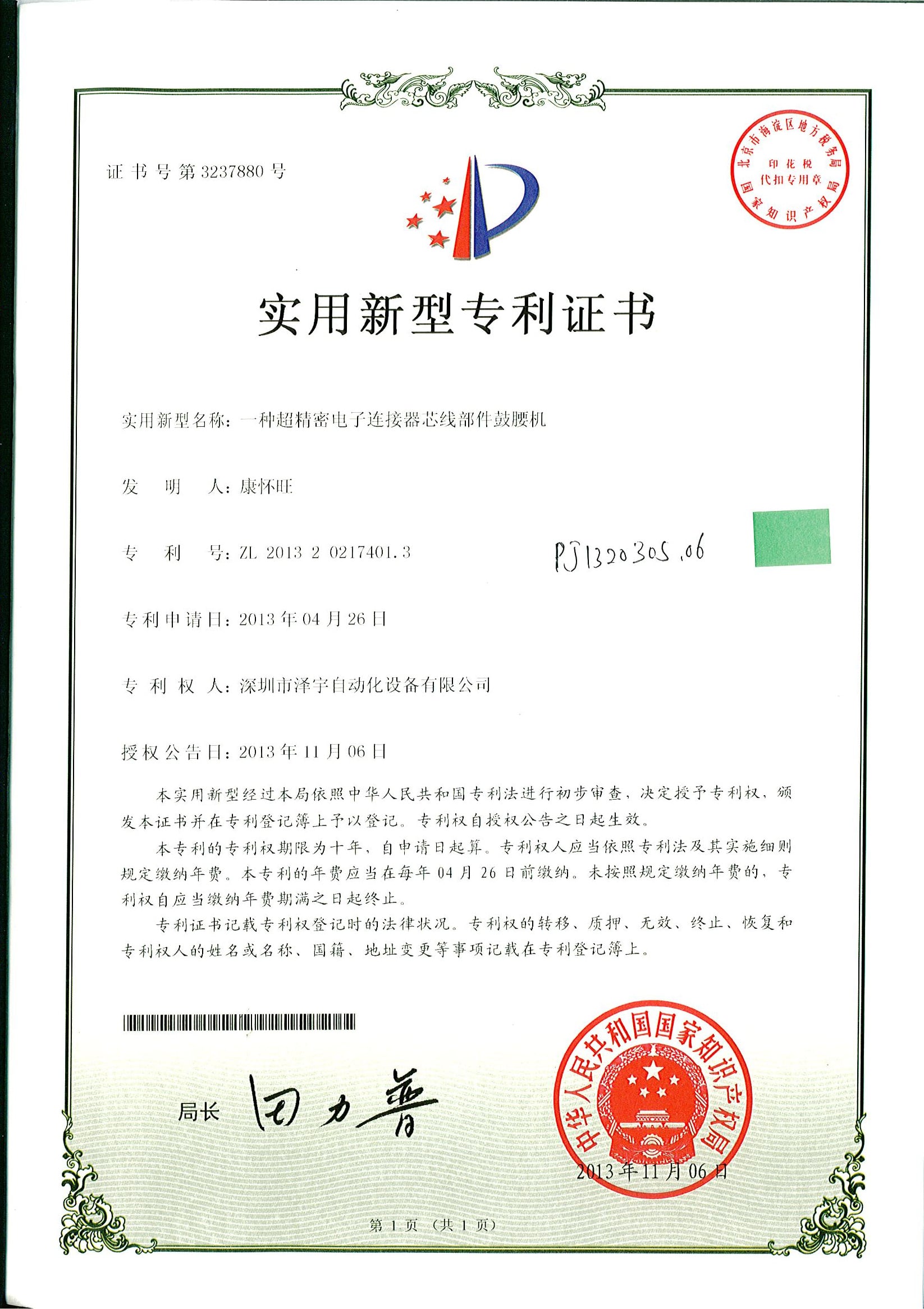
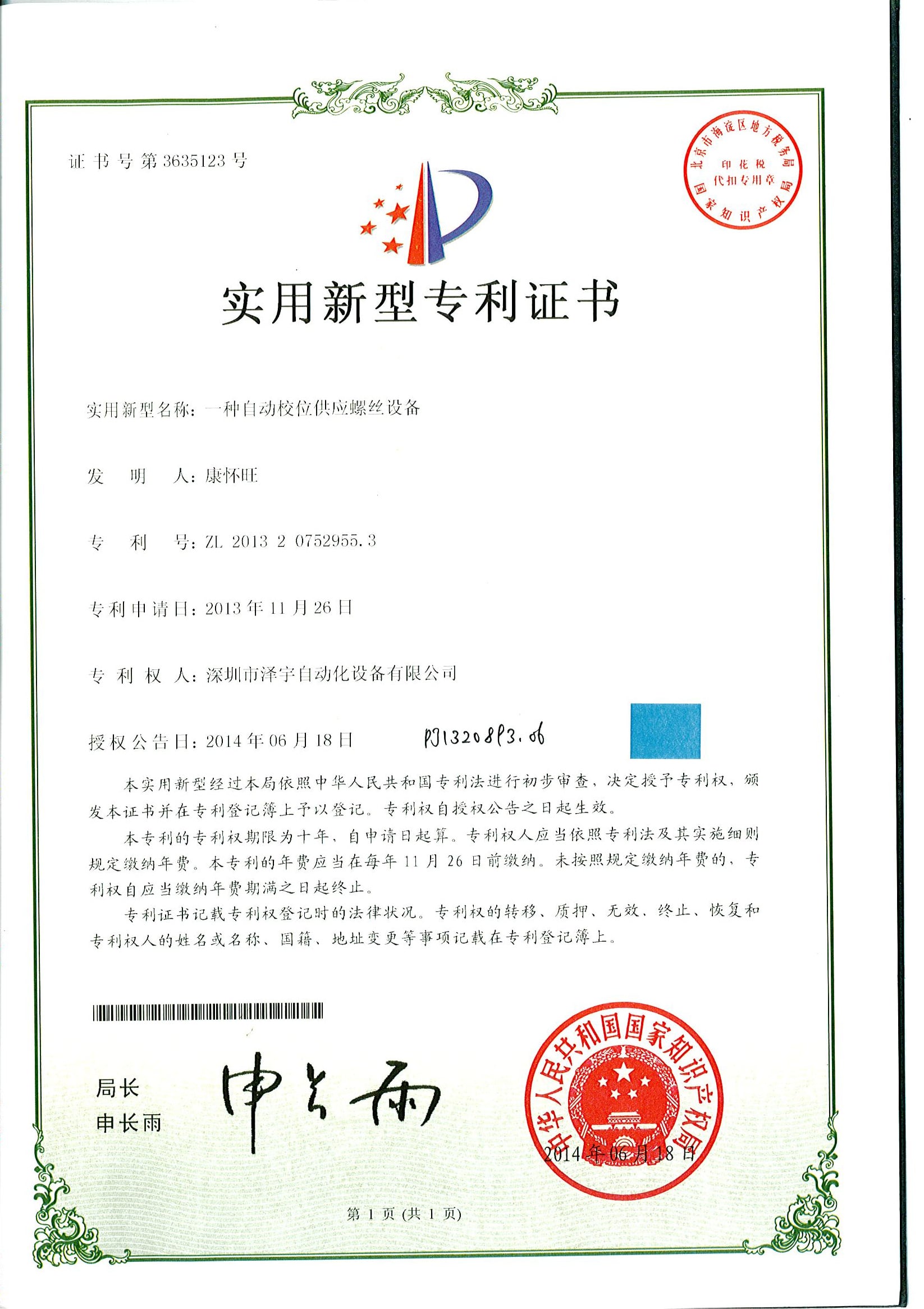
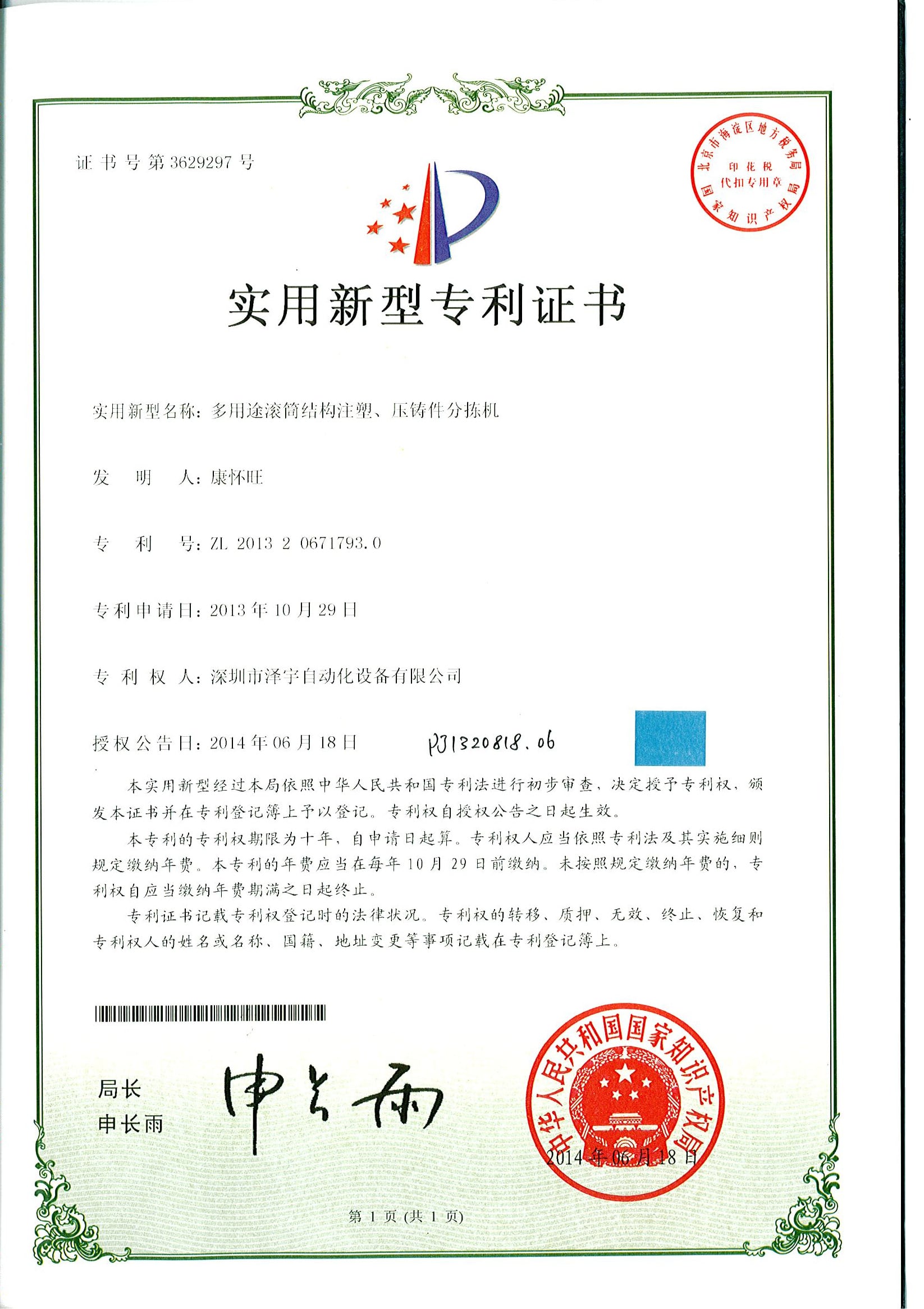
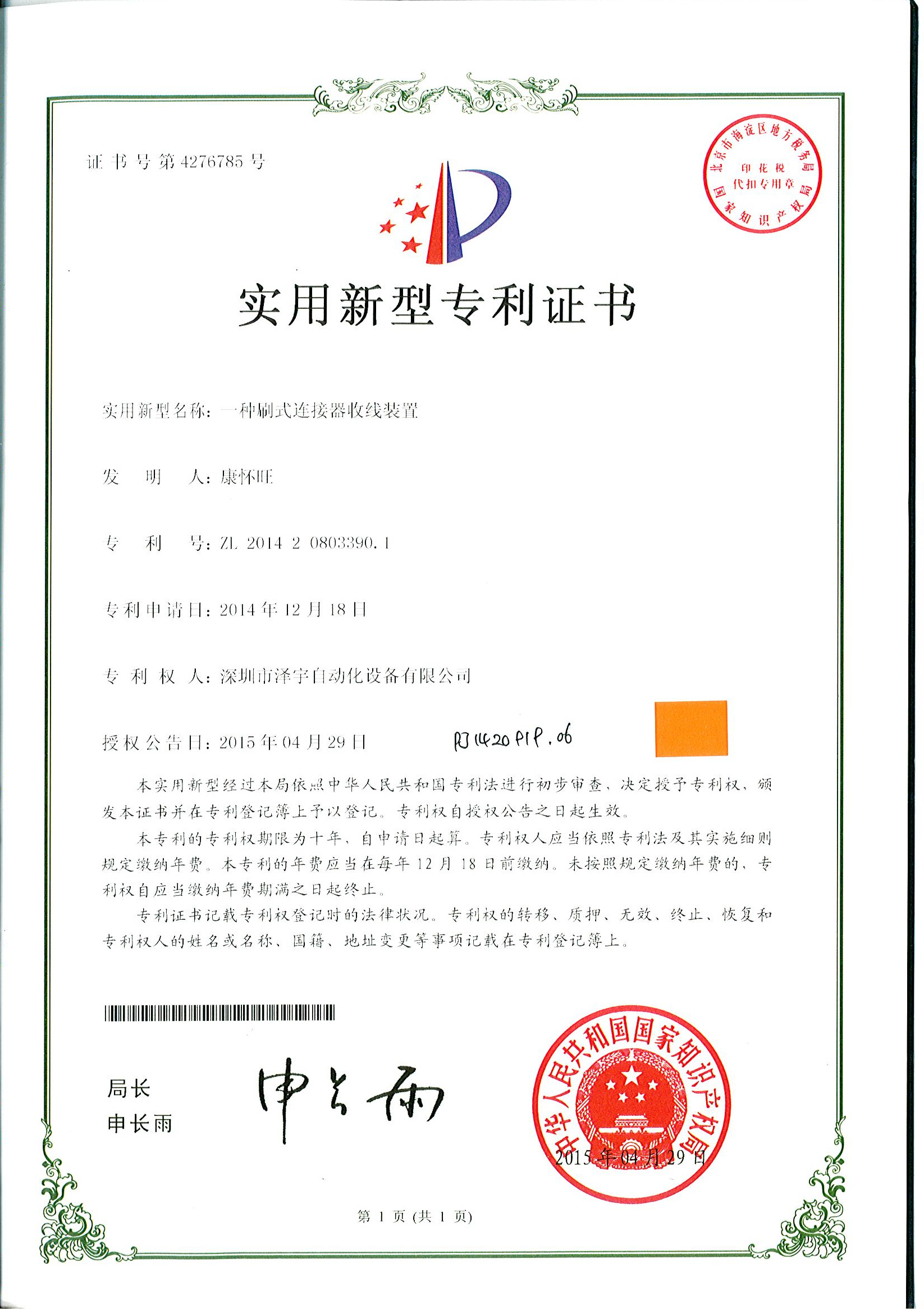
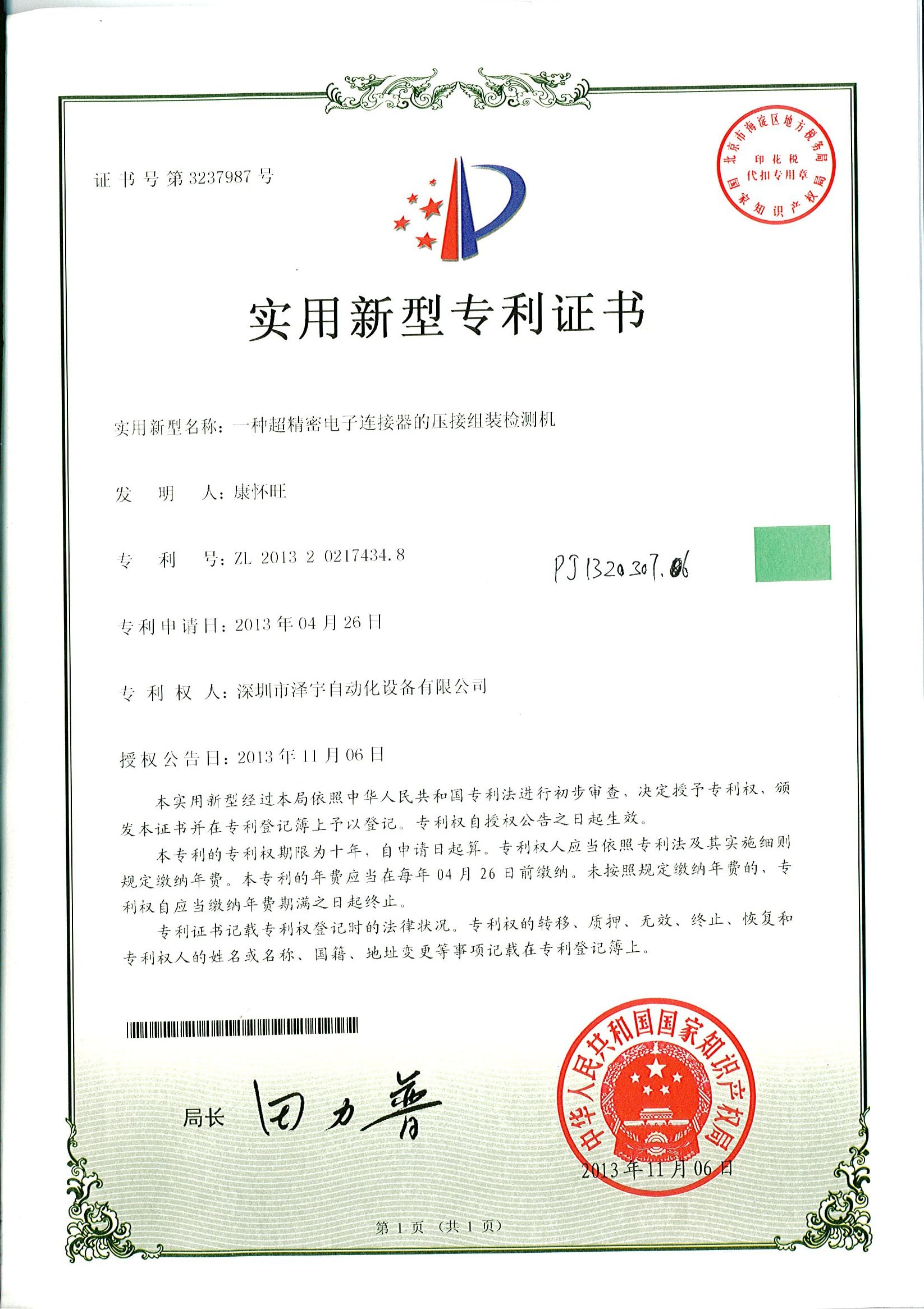
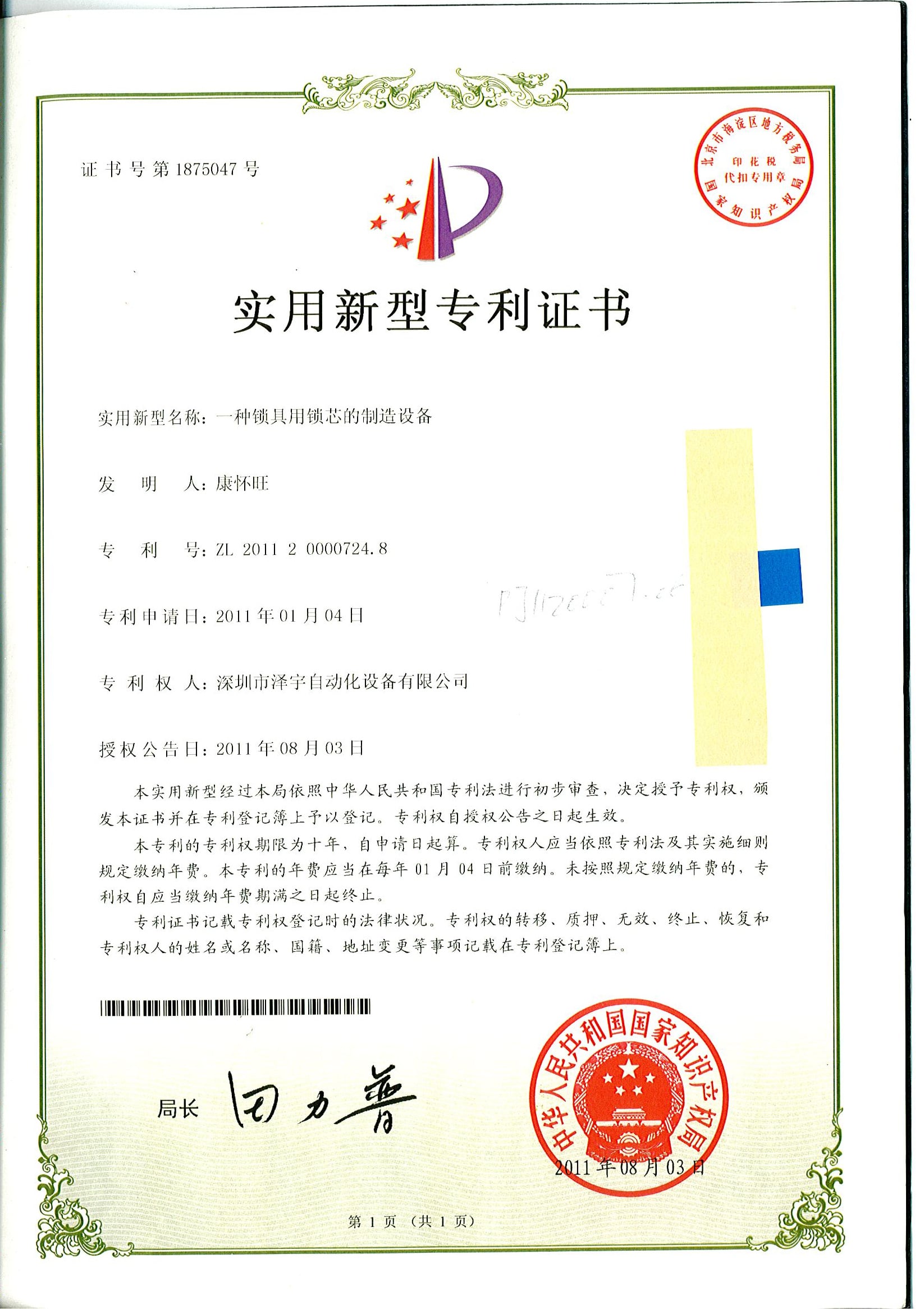
The reason buyers doubt offshore automation is a specific fear: that placement accuracy and first-pass yield won’t hold on miniature 3C components. That fear is reasonable, and it’s answered with hardware, not adjectives. Modern gantry and turret placement systems hold sub-0.05 mm accuracy, and a ZEUEE line earns that number by closing the loop with a vision system at the point of placement rather than trusting open-loop motion.
01/10
A line that places fast but inspects late ships escapes. ZEUEE lines integrate SPI, AOI, and where required automated X-ray inspection so defects are caught at the station that created them, not at final test. Component-level traceability ties every placed part to its feeder and lot, which is what an automotive (IATF 16949) or medical (ISO 13485) customer audit will ask for. Pick-and-place, adhesive dispensing, and screwdriving stations run on recipe parameters so a model change is a recipe load, not a rebuild.
Publicly documented automated-assembly methods reflect this same architecture, for example, patented electronic-product assembly lines that pair upstream SMT placement with downstream assembly, test, and packaging on one controlled line, and automated component-tape storage feeding pick-and-place heads. The point isn’t novelty for its own sake; it’s that the production process is designed so quality is measured continuously, not hoped for at the end.
Walk the chain Pain → Cause → Solution → Proof. A connector or circuit board component passes mechanical placement, then fails electrically because its housing shifted 0.1 mm, that’s the pain. Tolerance stack-up between the molded housing, the substrate, and thermal movement during reflow is the cause. Vision-guided placement answers it: a camera locates the actual housing position and corrects the insertion path in real-time, not against a fixed coordinate. That same approach drive automated circuit board assembly, where component placement is verified optically before reflow. Proof comes from inline inspection, solder-paste inspection (SPI) before placement, automated optical inspection (AOI) after, and functional or X-ray test where the joint is hidden, each station logged for traceability so a defect traces back to a board, a feeder, and a timestamp.
For: Procurement (primary) · Operations (budget approval)
Procurement Guide: Lead Time, Integration, After-Sales, and Cost Drivers
Buying on sticker price is the most expensive automation mistake you can make. The cheapest equipment costs two to three times more over a ten-year horizon once maintenance, downtime, and efficiency losses are counted, teams report saving $50,000 upfront and losing $500,000 operationally. Total cost of ownership is the right lens, and the time to control it's before the purchase order, not after the first breakdown.
What actually drives the price of a 3C assembly line
01
VARIABLES
Line cost is set by a handful of variables, not a single list price: station count (how many process steps are automated), changeover specification (quick-change tooling for a product family cost more upfront and saves it back in mix flexibility), vision and inspection tier (SPI/AOI/X-ray add cost and catch escapes), robot class (cobot vs. SCARA vs. 6-axis), and integration scope (tie-in to an existing SMT line or MES). Tell us those five and the quotation is fast and firm. Contact ZEUEE for a detailed quotation based on your application parameters.
02
SCHEDULE
Lead time is the variable buyers underestimate most, and the one they care about most. In an ASSEMBLY magazine survey, 82% of engineers ranked delivery time as an important factor when selecting an automation project, behind only quality and support. Depending on complexity, custom line lead times range from a few months to over a year, so the realistic move is to lock scope early and request a lead-time estimate against your station count rather than assume a catalog date. Total-cost-of-ownership methodology for capital equipment is set out by NIST.
03
OVERHEAD
Two hidden costs deserve a line in your budget. First, commissioning: most unplanned downtime in an asset's first year traces to a commissioning gap, a skipped functional test or a missing baseline measurement. ZEUEE commissions against a functional acceptance checklist for that reason. Second, supplier reliability: 95%+ on-time delivery, fast response, and ISO 9001 documentation are the signals that separate a partner from a one-time vendor. Ask any builder for those numbers before you sign.
Electronics & 3C Assembly Assessment Toolkits
FAQ
Can high-mix, low-volume 3C production really be automated profitably?
Yes, when you automate the right scope. Automating every step of a frequently-changing product rarely pays; automating the common process steps shared across a product family, insertion, dispensing, screwdriving, test, with quick-change tooling and recipe-driven parameters does. The Decision Ladder above exists to find that scope before you spend.
Will the line integrate with our existing SMT line?
Usually, yes. ZEUEE lines are modular, they tie into an upstream SMT line and downstream test, or run standalone. Send your current layout.
What placement accuracy and yield can we expect?
Vision-class placement holds sub-0.05 mm accuracy, and lines with inline SPI/AOI typically hold 99%+ first-pass yield once the recipe is dialed in. The exact figure depend on your component type and board complexity, which we confirm at the line-layout stage.
How long is the lead time?
Custom assembly lines range from a few months to over a year depending on station count and tooling complexity. Because 82% of engineers rate delivery time as a top selection factor, we quote lead time against your specific scope rather than a generic date.
You're a Shenzhen builder, how do we trust the quality and support?
Fair question, and the honest version is that the structural reason offshore automation fails is rarely the machine, it is a supplier that stops answering during commissioning, a risk that can strand 100% of your project. ZEUEE answers it with documentation, not reassurance: an ISO 9001:2015 system, 150+ patents, and 10,000+ delivered cases at a 20,000 m² factory, customers including TE, Sumitomo, Foxconn, SONY, and Corning, and ZEUEE engineers who commission against a functional acceptance checklist. Ask any builder for on-time-delivery and response-time figures, ZEUEE publishes them.
WHY WE WRITE THIS
About ZEUEE Engineering Insights
ZEUEE shares technical guides based on real automation project experience. Since 2005, we have designed and manufactured non-standard automation equipment for connector assembly, wire harness production, robotic lines, vision inspection, and smart factory upgrades.
Founded in 2005
20,000 m² production base
120+ specialists
150+ R&D patents
ISO9001:2015 certified
![Automated Screwdriving: Torque & Cycle Time [Guide]](https://zeueeauto.com/wp-content/uploads/2026/10/automated-screwdriving-featured-150x150.png)